Rudbar rugs: rustic scatter patterns from Gilan
Rudbar rugs come from the Manjil area in Gilan Province and combine simple geometric motifs with the typical Caspian palette.
- Region
- Persia / Iran
- Category
- Persian rugs
- Manufacturing
- Hand-knotted
- Knot density
- 60,000 – 140,000 knots/m²
Profile
- Manufacturing
- Hand-knotted
- Origin
- Iran — Manjil, Gilan Province
- Pile material
- Wool on cotton
- Knot density
- 60,000 – 140,000 knots/m²
- Features
- Simple geometric motifs, Caspian palette, runner formats
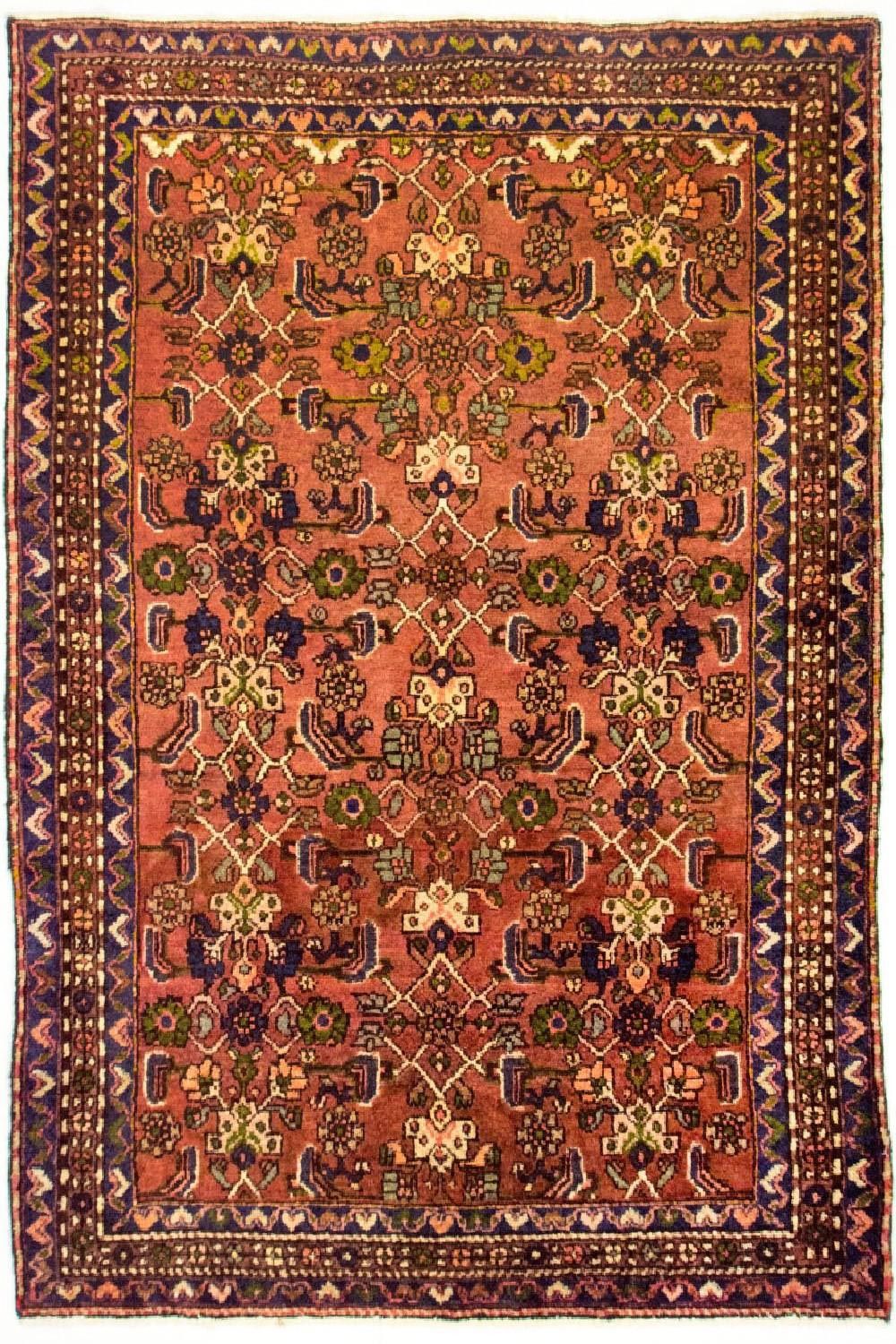
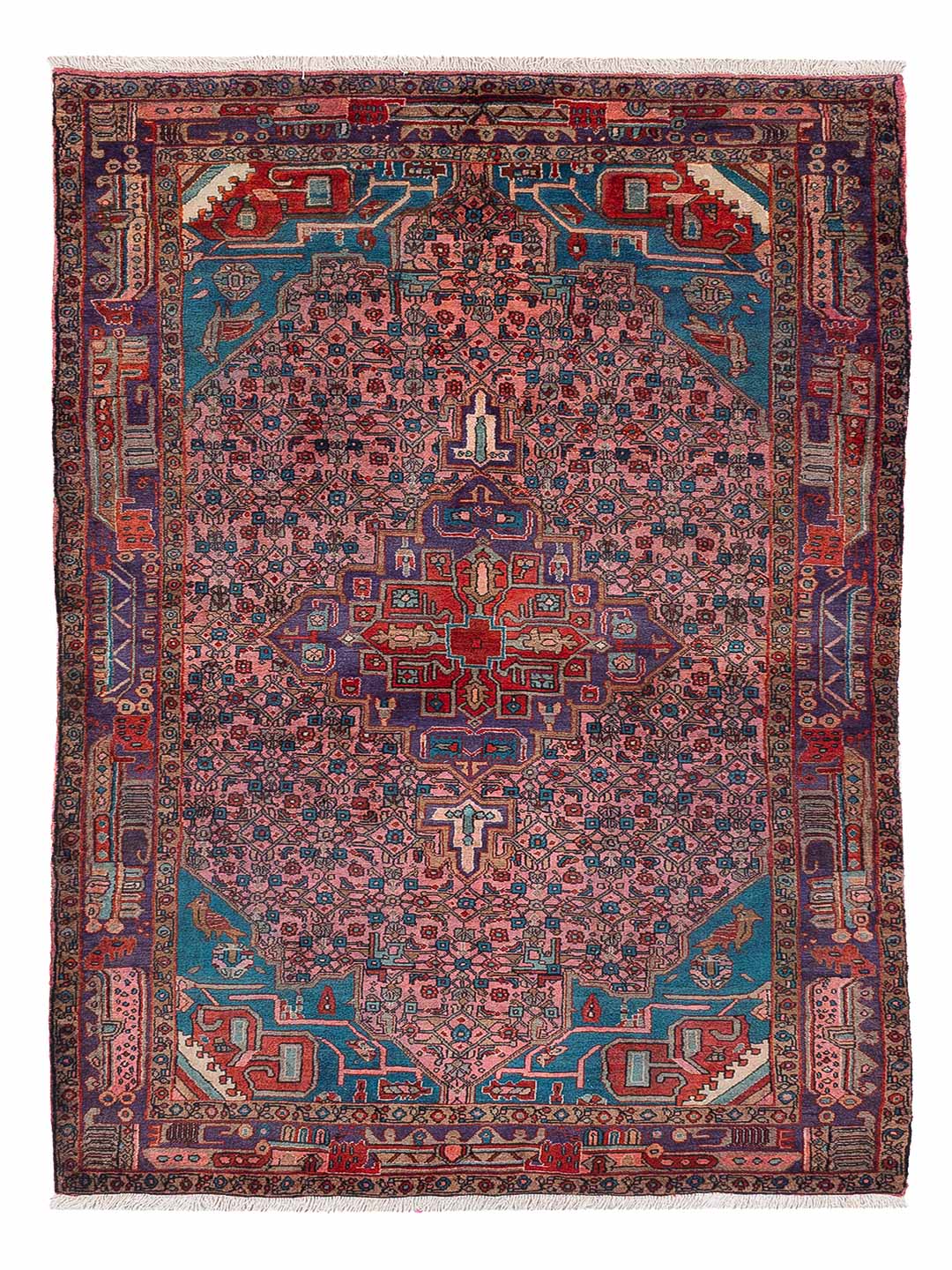
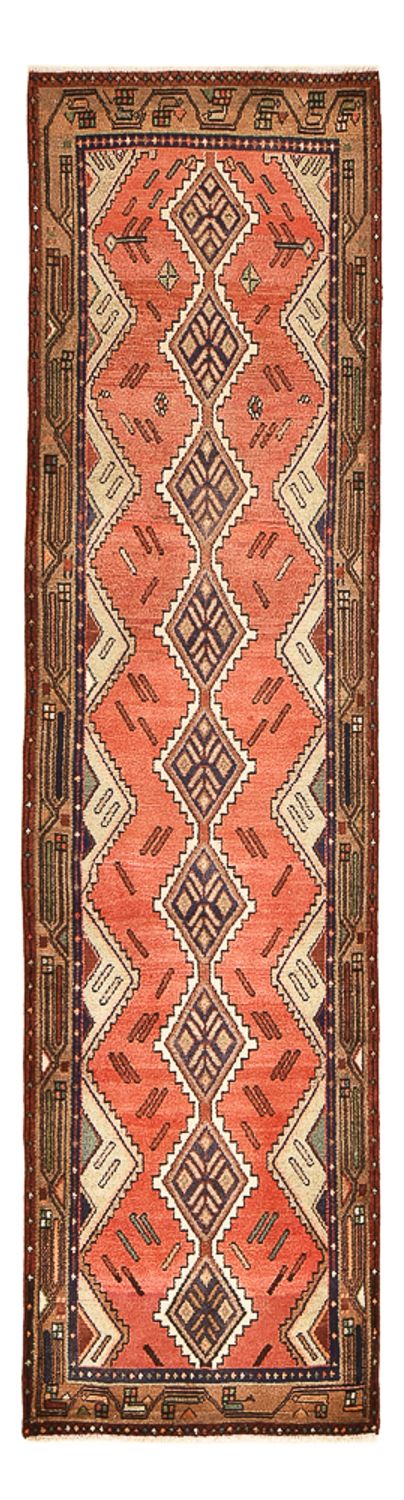
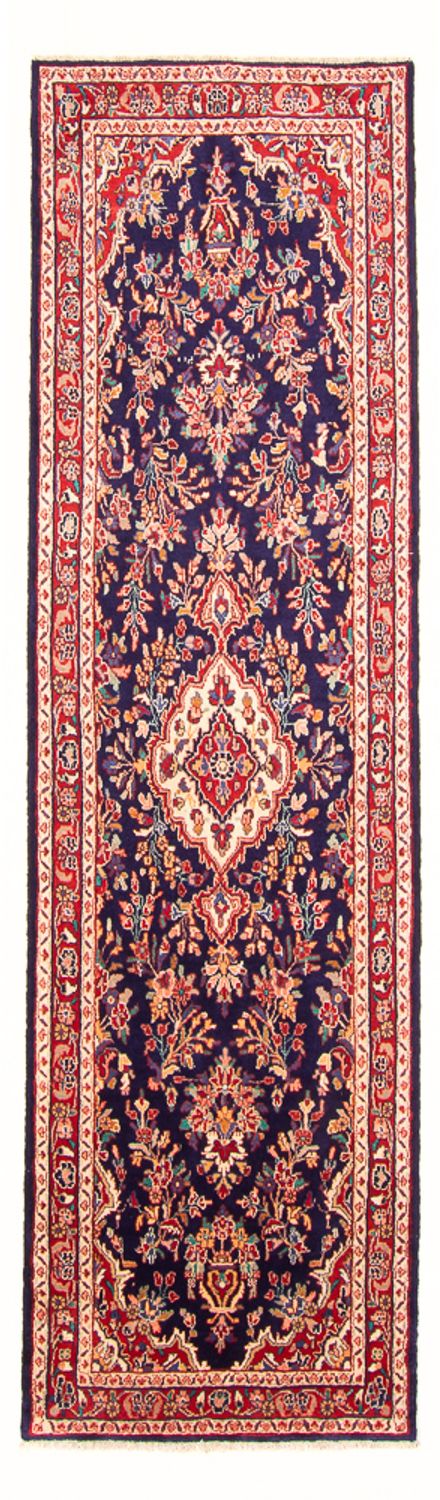
Photo: Morgenland Rugs
Rudbar rugs are sturdy hand-knotted Persian rugs from northern Iran, from the eponymous region in the province of Gilan near the Caspian Sea. They show geometric scatter patterns in earthy colours and count as long-lived, everyday-suitable working rugs from rural home knotting. Also spelled Roudbar in trade, they belong to the lesser-known but characterful provenances of the Caspian highlands.
What is a Rudbar rug?
A Rudbar is a hand-knotted village rug from the highlands of Gilan province. Characteristic features include the symmetric Turkish knot, a wool pile on a cotton foundation, geometric diamond and star patterns, and an earthy, muted palette. Rudbar rugs are predominantly made as home work, often by whole families, and belong to the family of north-Persian village rugs of the Caspian area.
Origin
The town of Rudbar lies about 180 kilometres north-west of Tehran in a mountainous area of Gilan province, near the southern shore of the Caspian Sea. The mild, humid climate and the location in the valley of the Sefid Rud river shape the region, which is also known for its olive cultivation. The entire area belongs to the wider family of Persian rugs. Rug knotting developed here as an important supplementary source of income alongside agriculture.
The setting between the Caspian lowlands and the mountain regions explains the robust, geometric orientation of Rudbar rugs, which stylistically resemble the north-west Persian and Caspian village rugs more than the floral urban patterns of central Persia. Related provenances of the area include the rugs from Klardasht in neighbouring Mazandaran. Production long focused on regional demand and is comparatively little known in international trade.
Patterns and colours
Rudbar rugs usually show an all-over scatter pattern that extends evenly across the entire field, without a dominant central medallion. Typical are recurring diamond and star motifs, often framed by small floral elements. This all-over composition gives the rugs a calm, planar effect.
The base colours move in warm, earthy tones: rust red, dark blue, and cream nuances shape the picture, complemented by bold accents in green or gold. The border is usually multi-tiered and takes up classical Persian ornaments in a geometric reading. Overall a Rudbar feels down-to-earth and clearly articulated, distinctly more geometric than the curvilinear workshop patterns from Isfahan.
Material and knotting technique
Knotting is traditionally done on a cotton warp with cotton weft, while only sturdy local sheep's wool is used for the pile. The wool often comes from the region and stands out for its natural firmness and a matte sheen. Knotting uses the symmetric Turkish knot, also called the Ghiordes knot, which is the rule across the north-western and Caspian knotting belt.
The pile height is usually medium-long, which gives the rugs a pleasant feel while ensuring toughness. Dyeing is done classically with natural dyes; newer pieces sometimes also use synthetic colours. How the individual steps from shearing to finished knotting work is described in the overview of rug production; the materials used are covered in their own article.
Knot density and quality
The knot density of a Rudbar usually lies between 100,000 and 200,000 knots per square metre, which yields a medium to good fineness. This ensures a solid, everyday-suitable quality designed for durability. How knot density affects fineness, durability, and price is explained in its own article.
For assessing quality, wool quality, evenness of knotting, and clarity of drawing matter alongside knot count. Through the use of high-quality local wool and proven knotting techniques, Rudbar rugs are especially long-lived and develop a fine patina through use. Many pieces are passed down through generations.
| Provenance | Relation to Rudbar | Typical features |
|---|---|---|
| Rudbar | Caspian mountain provenance (Gilan) | geometric all-over pattern, earthy tones |
| Klardasht | nearby Caspian region (Mazandaran) | angular medallion, Caucasian-influenced |
| Heriz | north-west Persian model | large angular single medallion |
| Qaraja | north-west Persian neighbourhood | octagonal stacked medallions |
| Isfahan | fine urban centre of central Persia | curvilinear workshop patterns |
| Nain | fine urban centre | light floral patterns, very fine |
What is a Rudbar rug worth?
The value of a Rudbar depends above all on age, condition, size, knot density, and wool quality. As a sturdy north-Persian village rug, the Rudbar sits in price below fine urban rugs such as Isfahan or Nain, but offers good value for money through its longevity and earthy character. Well-preserved older pieces with hand-spun wool and natural dyes sit above plain trade ware.
For a grounded assessment, see the article Identifying valuable Persian rugs, the general guidance on rug value, and the buying guide.
How can you tell a genuine Rudbar rug?
Typical signs of a genuine Rudbar include:
- All-over geometric scatter pattern with diamonds and stars, without a dominant central medallion.
- Earthy, muted colours of rust red, dark blue, and cream with accents in green or gold.
- Symmetric Turkish knot with an even back structure.
- Wool pile on a cotton foundation, often hand-spun on older pieces.
- Fringes as extended warp threads, not sewn on afterwards.
- Medium-long pile with a robust, village feel.
Since Rudbar belongs to the lesser-known provenances and is related to neighbouring regions, the classification should weigh pattern, colour mood, material, and back together. Identifying provenance and the step-by-step Is my rug genuine? provide help.
Care
The robust wool quality makes Rudbar rugs easy to care for. Regular vacuuming in the direction of the pile and occasional professional cleaning preserve quality. Spills should be treated at once with clear water, without rubbing. Long, direct sunlight will fade the earthy colours, so turning the rug occasionally is sensible. Detailed guidance is in the care overview and in the article on cleaning a wool rug.
Frequently asked questions
Where exactly do Rudbar rugs come from?
Rudbar is a region in the northern Iranian province of Gilan, about 180 kilometres north-west of Tehran in the highlands near the Caspian Sea. Rug knotting there is a traditional source of income alongside agriculture and the well-known olive cultivation.
Which knot is used for a Rudbar rug?
Rudbar rugs are knotted with the symmetric Turkish knot, the Ghiordes knot. This matches the knotting tradition of the north-western and Caspian belt, to which the region stands stylistically close.
How does a Rudbar differ from other Persian rugs?
Are Rudbar rugs suitable for heavily used rooms?
Yes. The robust knotting and the hard-wearing local wool make Rudbar rugs well suited to living areas with normal to higher use, such as living rooms and dining rooms.
What does a Rudbar rug cost?
The price depends on size, age, condition, knot density, and wool quality. Rudbar rugs sit mostly in the moderate range; well-preserved older pieces with natural dyes, however, can fetch higher prices.
How do I care for a Rudbar rug correctly?
Vacuum regularly in the direction of the pile and have the rug professionally cleaned every few years. Blot spills at once with clear water without rubbing, and avoid long, direct sunlight so the earthy colours do not fade.


