Loribaft rugs: fine Lori knotting from the Zagros
Loribaft rugs are knotted by Lori nomads in the southern Zagros and combine the long pile of a Gabbeh with finer detail work.
- Region
- Persia / Iran
- Category
- Nomad rugs
- Manufacturing
- Hand-knotted
- Knot density
- 80,000 – 200,000 knots/m²
Profile
- Manufacturing
- Hand-knotted
- Origin
- Iran — Lorestan, southern Zagros mountains
- Pile material
- Wool on wool or cotton
- Knot density
- 80,000 – 200,000 knots/m²
- Features
- Long pile, finer than Gabbeh, abstract nomadic motifs
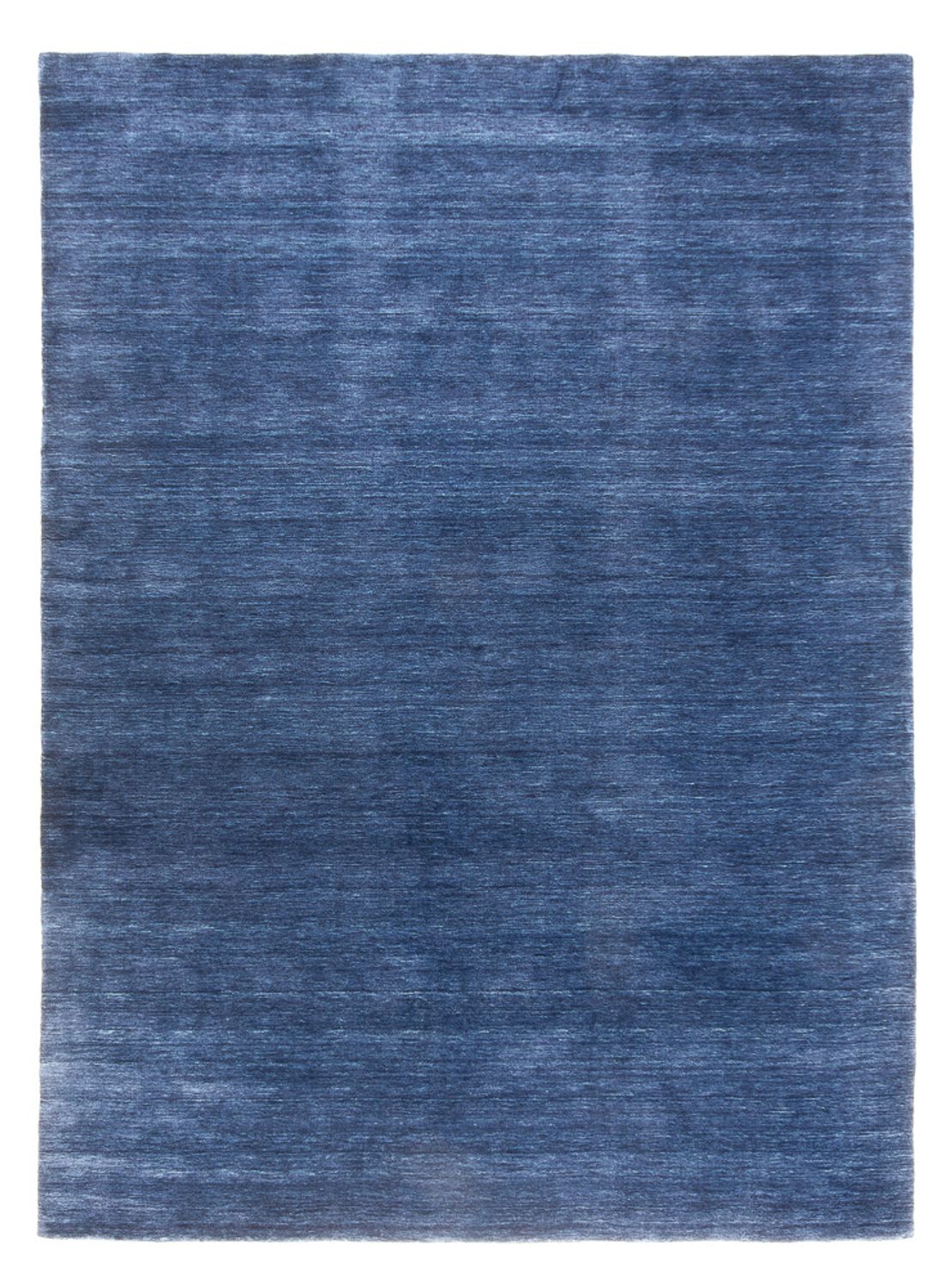
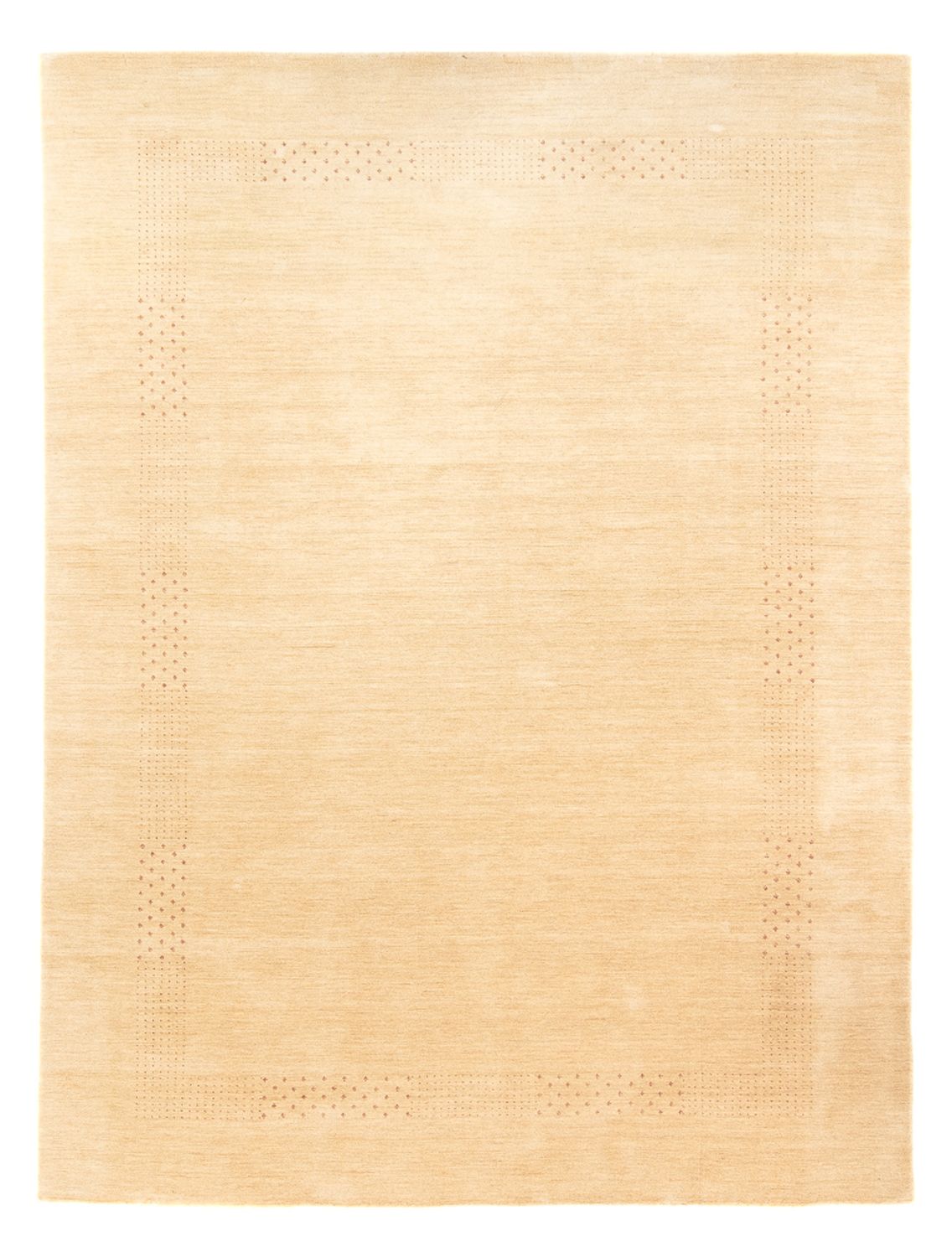
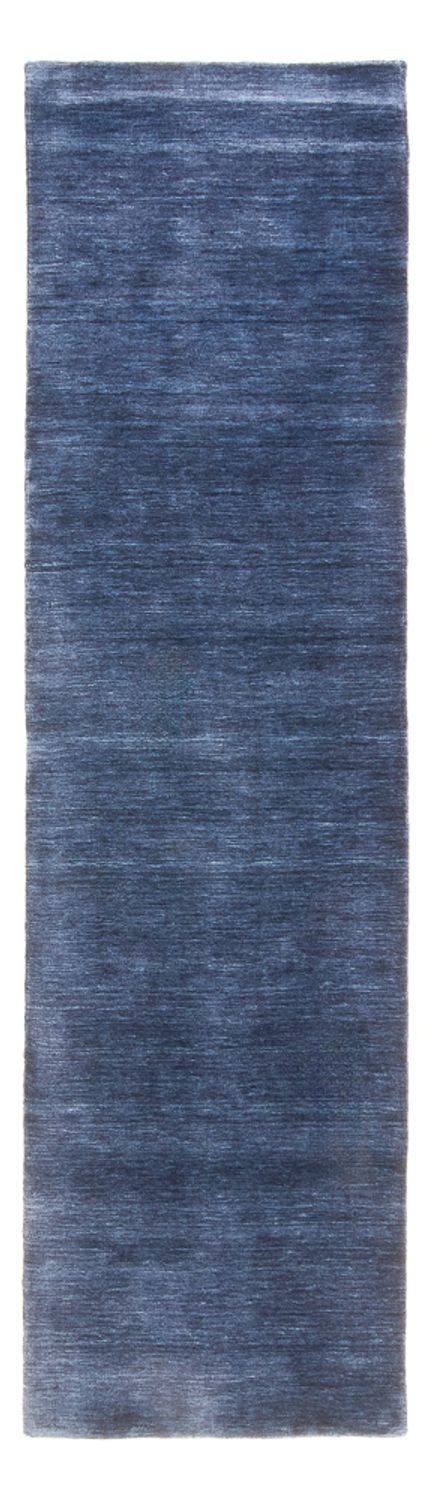
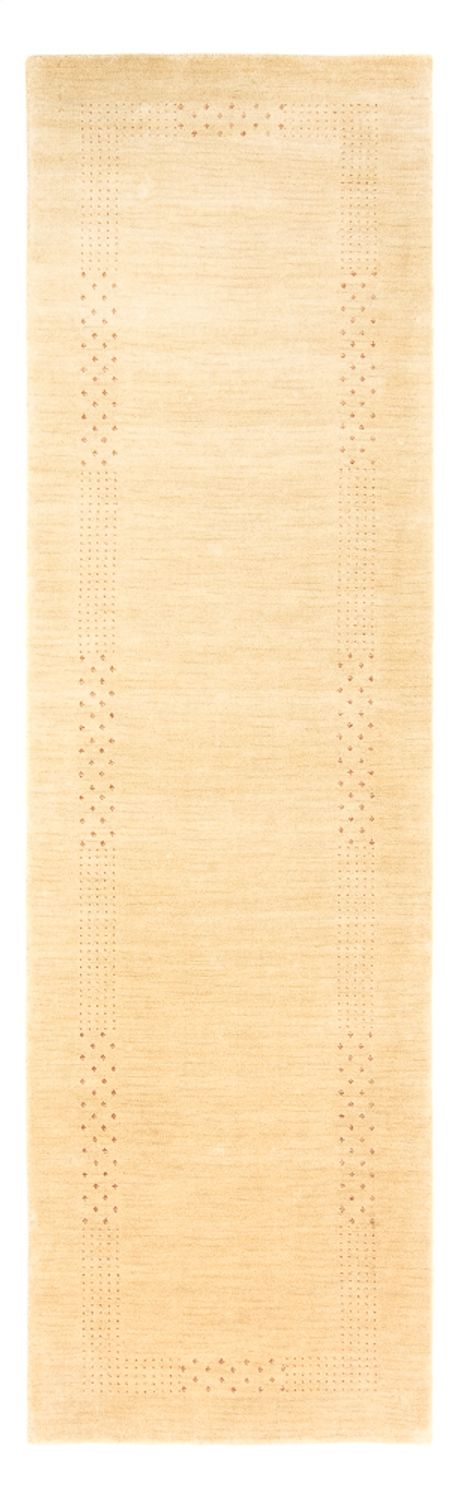
Photo: Morgenland Rugs
Loribaft rugs are fine, high-pile nomad rugs from the Zagros mountains in the southwest of Persia. They count as the high-quality, more densely knotted sister of the Gabbeh: same pure wool, same warm colour character, but more precise motifs and a calmer, finer pile. They are knotted by the Lori tribes, who count among the oldest herding peoples of the region.
What is a Loribaft rug?
A Loribaft is a hand-knotted wool rug of the Lori that links the rustic Gabbeh tradition with a finer knotting. The name is composed of "Lori", the designation of the people, and "baft", the Persian word for knotted or woven. Literally Loribaft thus means simply "knotted by the Lori".
Compared with the classical Gabbeh, the Loribaft is more densely worked, the pile somewhat lower and the drawing clearer. Where the Gabbeh relies entirely on large colour fields, the Loribaft more frequently shows a recognisable central motif and a formulated border. Both belong to the same family of southwestern Persian Persian rugs but differ noticeably in degree of fineness.
Origin
The Lori, also called Lurs, settle in the western Zagros, above all in Lorestan and in the adjoining province of Chahar Mahal va Bakhtiari. Across generations they led a semi-nomadic life with seasonal migrations between summer and winter pastures. From this way of life comes the practical, robust character of their rugs, which initially arose for personal use in the tent.
As an own trade designation, the Loribaft only came more strongly to the fore in recent decades, when demand for fine, naturally coloured wool rugs grew and the Lori began to knot specifically for export. Quality was continuously refined, while the old patterns and the plant dyeing were preserved. The Loribaft thus shares the history of the Gabbeh, whose rediscovery from the 1980s prepared the way.
Pattern and colour
Loribaft rugs show geometric patterns with a calm, clear structure. Widespread are a large, stylised central medallion and smaller geometric scatter motifs in the field. The borders take up traditional Persian motifs such as rosettes or palmettes, mostly in strongly simplified, geometric form. Stylised animals and tree-of-life motifs occur but recede behind the planar, directed effect.
The colour world is earthy and warm: rust and brick red, brown, camel and beige form the ground, alongside accents in dark blue, black and occasionally green. These tones arise from traditional plant dyes of the region. As with the Gabbeh, hand-spun and hand-dyed wool ensures slight colour transitions, the abrash, that gives the rugs depth without reading as restless.
Material and knotting technique
Loribaft rugs consist of pure virgin wool. The pile is of hard-wearing wool of the local mountain sheep, valued for its natural lustre. Warp and weft are also of wool, which gives the rug flexibility and a warm lying feel. In some qualities a cotton warp is used, which allows a somewhat flatter and more dimensionally stable construction.
It is knotted with the asymmetrical Persian knot, the Senneh knot, which allows the clean rendering of the geometric motifs. The pile is left standing higher than on a classical Persian but lower and more evenly than on the Gabbeh, from which arises the typical mixture of soft hand and clear drawing. Fundamentals on the formation on the loom are set out in the overview of manufacture; the materials processed are also explained there.
Knot density and quality
The knot density of a Loribaft lies between about 80,000 and 200,000 knots per square metre and so on average higher than on the classical Gabbeh. Precisely this finer knotting is the trademark of the style: it allows clearer contours and finer motifs without giving up the high-pile, soft character.
How knot density influences quality and price is covered in its own article. On the Loribaft, besides density, wool quality, the purity of the natural colours and the cleanliness of the pattern execution are decisive. High-quality pieces link a fine, even knotting with the lively wool of the nomad tradition.
Loribaft, Gabbeh and related nomad rugs compared
| Style | Tribe / origin | Knot density | Character |
|---|---|---|---|
| Loribaft | Lori tribes, Zagros | approx. 80,000 to 200,000 /m² | fine, dense Gabbeh variant, clear motifs |
| Gabbeh | Qashqai and Lori, Fars and Zagros | approx. 40,000 to 200,000 /m² | coarse, high pile, abstract |
| Kashkuli | Qashqai sub-group, Fars | approx. 100,000 to 250,000 /m² | finest nomadic knotting, flatter |
| Yalameh | Qashqai-related tribe, Fars | approx. 60,000 to 140,000 /m² | rows of diamond medallions |
| Bakhtiar | Bakhtiari, Zagros | approx. 80,000 to 200,000 /m² | garden patterns, robust village quality |
| Qashqai | Qashqai confederation, Fars | approx. 80,000 to 180,000 /m² | medallions, animal motifs |
What is a Loribaft rug worth?
The value of a Loribaft depends on knot density, wool quality, dyeing, size, age and preservation. Through the finer knotting, a Loribaft lies on average above a plain Gabbeh but remains affordable compared with fine city rugs such as Isfahan or Nain. Value-building features are hand-spun wool, purely plant-based colours and a clean, dense knotting.
Because the production quantities are limited through the traditional manufacture, good Loribaft pieces are sought after by connoisseurs. A placement of the market value is given by the overview of rug value and the general buying guide.
How do you recognise a genuine Loribaft rug?
Typical features of an authentic, hand-knotted Loribaft are:
- Pure wool structure: Pile, warp and weft consist mostly entirely of wool; the yarn reads as hand-spun.
- Finer than a Gabbeh: The knotting is denser, the motifs are more clearly contoured, the pile is somewhat lower.
- Earthy natural colours with abrash: Rust, brown and beige tones with slight colour transitions speak for plant dyeing.
- Hand-knotted back: The pattern stands out clearly on the underside; the knots are visible.
- Fringes as part of the warp: The fringes are extended warp threads, not sewn on.
- Geometric central medallion: A clear central point with geometric scatter motifs is characteristic.
How material, knotting and origin can be checked is described in the guide recognising a rug, supplemented by recognising origin.
Care
The medium-high wool pile of a Loribaft is easy to maintain and long-lived. Regular vacuuming in the direction of the pile suffices in everyday use, ideally without a rotating brush. Blot stains immediately with clear water and a clean cloth; do not rub. A professional cleaning every three to five years, depending on use, preserves wool and colours. Long direct sunlight should be avoided. More on this in the care overview.
Frequently asked questions
What is the difference between Loribaft and Gabbeh?
Loribaft and Gabbeh both come from the Zagros and share wool and colour character. The Loribaft is knotted by the Lori and is the finer, more densely worked variant with clearer motifs and somewhat lower pile. The Gabbeh is coarser, higher-pile and freer and more abstract in drawing.
Are Loribaft rugs suitable for allergy sufferers?
Loribaft rugs consist of pure virgin wool and are traditionally dyed with natural dyes. Wool binds dust rather than stirring it up. With a known sensitivity, regular vacuuming and occasional professional cleaning are nonetheless recommended.
What does a Loribaft rug cost?
Through the finer knotting, a Loribaft mostly lies above a plain Gabbeh but remains cheaper than fine city rugs. The price is determined by knot density, wool quality, dyeing, size and condition.
How do I recognise a genuine Loribaft?
By the pure wool structure, the denser knotting compared with the Gabbeh, the earthy natural colours with slight abrash and the fringes that are part of the warp. The back shows the pattern clearly and slightly irregularly.
How does a Loribaft differ from a Kashkuli?
The Kashkuli is a Qashqai knotting from Fars and counts as the finest nomadic work of the region, with flatter pile and very clear diamond medallions. The Loribaft comes from the Lori, is higher-pile and stands closer to the Gabbeh tradition.
How do I care for a Loribaft rug properly?
Vacuum regularly in the direction of the pile, blot stains immediately with clear water and do not rub. A professional cleaning every three to five years and protection from long direct sunlight preserve wool and colours.
Does a Loribaft develop a patina over time?
Yes. High-quality wool and natural dyes develop a warm, slightly muted patina over the years, without the colours becoming dull. This ageing counts as a desired feature of naturally dyed wool rugs.
Impressions of the origin
Places, landscapes and landmarks around the home of Loribaft rugs. Click any image for a larger view.


