//
Iran is regarded as the cradle of rug knotting and is home to the greatest variety of styles and techniques in the world.
Persia, today's Iran, is regarded as the cradle of rug knotting and as the single most important origin region for hand-knotted rugs anywhere. Over more than two and a half millennia, the Iranian plateau has produced a variety of knotting traditions no other country matches: from silk-fine workshop pieces out of Qom, through robust village goods from Hamadan, to the lively nomadic work of the Qashqai. What unites all Persian rugs is their attachment to a specific place. The name of a Persian rug almost always points to its knotting town or its tribe, and with the place come pattern, palette, material, and knot count.
This page sets Persia in geographic order and describes the country's principal knotting centers town by town. It complements the Persian rugs category, which treats the term, the marks of authenticity, and the buying criteria. Here the focus is on space: which region stands for which quality, why the northwest knots differently than the central Iranian oases, and where the finest pieces in the world are made.
The Iranian plateau covers around 1.65 million square kilometers and is structured by mountain ranges, high plains, and deserts. This variety shapes rug production down to the last detail. The cool, wetter mountain regions in the northwest around Tabriz and Ardebil supply a strong, lustrous wool of the kind robust everyday rugs require. The dry central oases around Isfahan, Nain, and Kashan, by contrast, favored specialization in the finest workshop knotting. In the south, in the highlands of Fars, nomadic tribes have moved with their herds for centuries, knotting rugs from memory and without a cartoon.
Persian rug knotting works overwhelmingly with the asymmetric knot, also called the Persian or Senneh knot. It loops the pile yarn around only one of the two warp threads and so allows a finer pattern resolution than the symmetric knot. Curved lines, floral vines, and round medallions can be drawn more precisely this way, which accounts for the fine detail of Persian designs. The basic rules of this technique are covered in Knot types; the full sequence from shearing to clipping in Production.
The foundation weave is usually cotton, the pile traditionally virgin wool, in top pieces the especially soft kork wool. Pure silk rugs are produced above all in Qom and Isfahan. Historically the colors came from plants: madder for the reds, indigo for blue, weld and saffron for yellow, walnut shells for brown. The natural color shift abrash, caused by changing dye lots, is still considered a mark of authenticity for hand-dyed wool. More on plant dyes versus synthetic dyestuffs sits under Recognizing natural dyes.
Every knotting town has developed its own repertoire over generations. The overview below sorts the best-known centers by reputation and typical traits.
| Knotting center | Known for | Typical traits |
|---|---|---|
| Tabriz | range, northwest | medallion, floral, and geometric designs, raj count, from everyday to collector rugs |
| Isfahan | court quality | fine floral vines, kork wool with silk highlights, silk warp |
| Nain | fine city goods | light blue and beige, silk inlays, la grades 9, 6, or 4 |
| Qom | silk | pure Qom silk, highest knot counts, dense pictorial compositions |
| Kerman | detail | soft palette, floral pictorial and vase rugs, southeast |
| Heriz | robustness | large geometric corner medallion, strong brick red, northwest |
| Bidjar | density | extremely firm, heavy pile called herba, Kurdish highlands |
| Hamadan | village goods | robust single-wefted rugs, geometric, many market towns |
| Kashan | classical elegance | central medallion, deep red and indigo, fine wool |
| Sarough | floral abundance | dense flower scatter, strong pink to red, heavy pile |
The finest city productions come from Qom, Isfahan, and Nain. Robust everyday qualities are supplied by Heriz, Hamadan, and Bidjar. As the country's largest center, Tabriz covers the entire range, from coarse market cloth to signed master piece. Alongside them sit smaller, highly specialized towns: Mashhad in the northeast, Joshaghan with its diamond grid, Senneh in the Kurdish west, the eponym for the Persian knot, and Malayer and Mehraban in the Hamadan hinterland. The full list sits in the Style overview.
Alongside the cities, the nomadic and semi-nomadic tribes shape the Persian rug picture. Their pieces are made on portable horizontal looms, often without a drawn template, and so carry livelier, more freely composed patterns. The Qashqai in the Fars highlands knot luminous pieces with heriati and animal motifs. The Afshar in the Kerman region work geometric fields and boteh scatters. The Bakhtiari of the Zagros are known for their garden grid, the Baluchi groups of the southeast for dark, archaic prayer rugs. The Gabbeh tradition of the same region stands for coarsely knotted, high-pile pieces with a reduced, almost modern visual language. An overview of this whole family sits on the Nomadic rugs page.
Persian rug knotting reaches far back into antiquity. The Pazyryk rug, preserved in Siberian ice and dated to the fifth century BC, shows a procession of horsemen and stag motifs that point to Achaemenid court art. It is the oldest surviving knotted rug in the world and proves that the technique was already mature in Persia at that time.
Its classical heyday came under the Safavids in the sixteenth and seventeenth centuries. Shah Tahmasp and Shah Abbas the Great set up royal manufactories in Isfahan, Kashan, and Tabriz where designers, dyers, and knotters jointly produced the famous medallion, hunting, and vase rugs. The two Ardabil rugs of 1539/40, today in London and Los Angeles, are considered the peak of this era. Via the Silk Road and the trading houses of Venice, Persian rugs reached Europe, where they appear on Renaissance paintings as a status symbol.
After the decline of the Safavids in the eighteenth century court production almost ceased and only revived towards the end of the nineteenth century under the Qajar dynasty and the pressure of European demand. Many of today's traded city types took their modern form then. In 1935 Persia became the state of Iran, and the knotting tradition continued. The longer development is traced on Origin of knotting.
Persian patterns fall roughly into two worlds. The curvilinear city goods from Isfahan, Kashan, or Nain draw floral vines, palmettes, and round central medallions that can only be rendered cleanly with the fine asymmetric knot. The rectilinear village and nomadic work from Heriz, Hamadan, or the tribal regions works with diamonds, hooks, boteh, and stylized animals, that is, with the geometric language that arises naturally from the knot on the warp grid.
Knot density ranges from around 100,000 knots per square meter in coarse village rugs to well over a million in fine silk pieces from Qom. Each region uses its own counting unit: in Tabriz one counts raj, the number of knot pairs along seven centimeters of warp; in Nain the la grades, which indicate how many single strands are twisted into one warp ply. 9 la is fine, 6 la very fine, 4 la collector quality. What the raw knot count tells you and where its limits lie is explained in Knot density explained; the la grades in detail under La grades explained.
Persia has produced more independent rug styles than any other region. The classical city types include Tabriz, Isfahan, Nain, Qom, Kashan, Kerman, and Mashhad. The robust village and mountain types include Heriz, Bidjar, Hamadan, Sarough, Malayer, and Senneh. The tribal and nomadic pieces run from Qashqai and Afshar through Bakhtiari and Yalameh to Gabbeh, Shiraz, and Baluchi. Anyone who wants to compare specific types head-to-head will find pairs like Nain vs Isfahan in the Style comparison.
The value of a Persian rug is set by place of origin, knot density, material, age, condition, and the rarity of the pattern. Pure silk rugs from renowned centers reach the highest prices. Before buying, look at Recognizing valuable Persian rugs, at Why genuine rugs are expensive for the reasons behind the price, and at the general Buying guide. How to check origin and authenticity yourself sits under Recognizing oriental rugs and Recognizing origin. The right routine for long life is covered in the Care overview.
The finest Persian rugs come from the central oases of Iran: from Qom for pure silk, from Isfahan for kork wool with silk highlights, and from Nain for the characteristic blue and beige city goods. Robust top quality with its own character is supplied by Tabriz in the northwest and Kerman in the southeast.
Persian rugs are hand-knotted, almost always with the fine asymmetric knot, and carry the name of their place of origin. Characteristic are the high fidelity of floral patterns, the binding of color and design to each region, and the use of natural materials, that is, wool or silk on cotton.
In Persia the asymmetric knot dominates, also called the Persian or Senneh knot, named after the town of Senneh. It loops the pile yarn around only one warp thread and so permits finer, more curvilinear patterns than the symmetric Turkish knot. The comparison of the two techniques is set out on Knot types.
Persia and Iran refer to the same country. In 1935 the government officially asked foreign states to use the native name Iran instead of Persia. In the rug trade the term Persian rug for hand-knotted rugs from Iran has persisted to this day.
A genuine Persian comes from Iran, is hand-knotted, and shows the pattern clearly in mirror image on the back. The fringes are the extended warp threads, not sewn on, and small irregularities together with the color shift abrash testify to the handwork. The detailed guide sits under Is my rug genuine?.
Classical city types such as Isfahan, Nain, and pure Qom silk are considered especially value-stable, as are well-preserved antique pieces from renowned manufactories. There is no guarantee of appreciation, but material, knot density, and origin form the reliable benchmarks. More on this under Old rugs gain value.
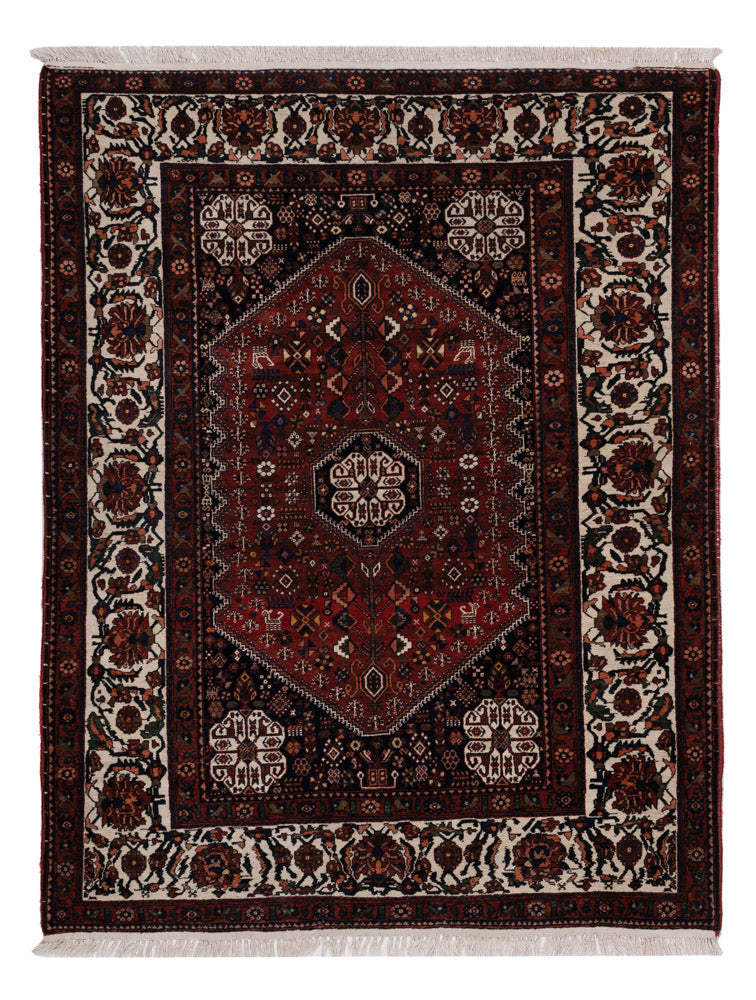
Abadeh rugs come from the eponymous town between Isfahan and Shiraz and stand out with their clean geometric medallions.
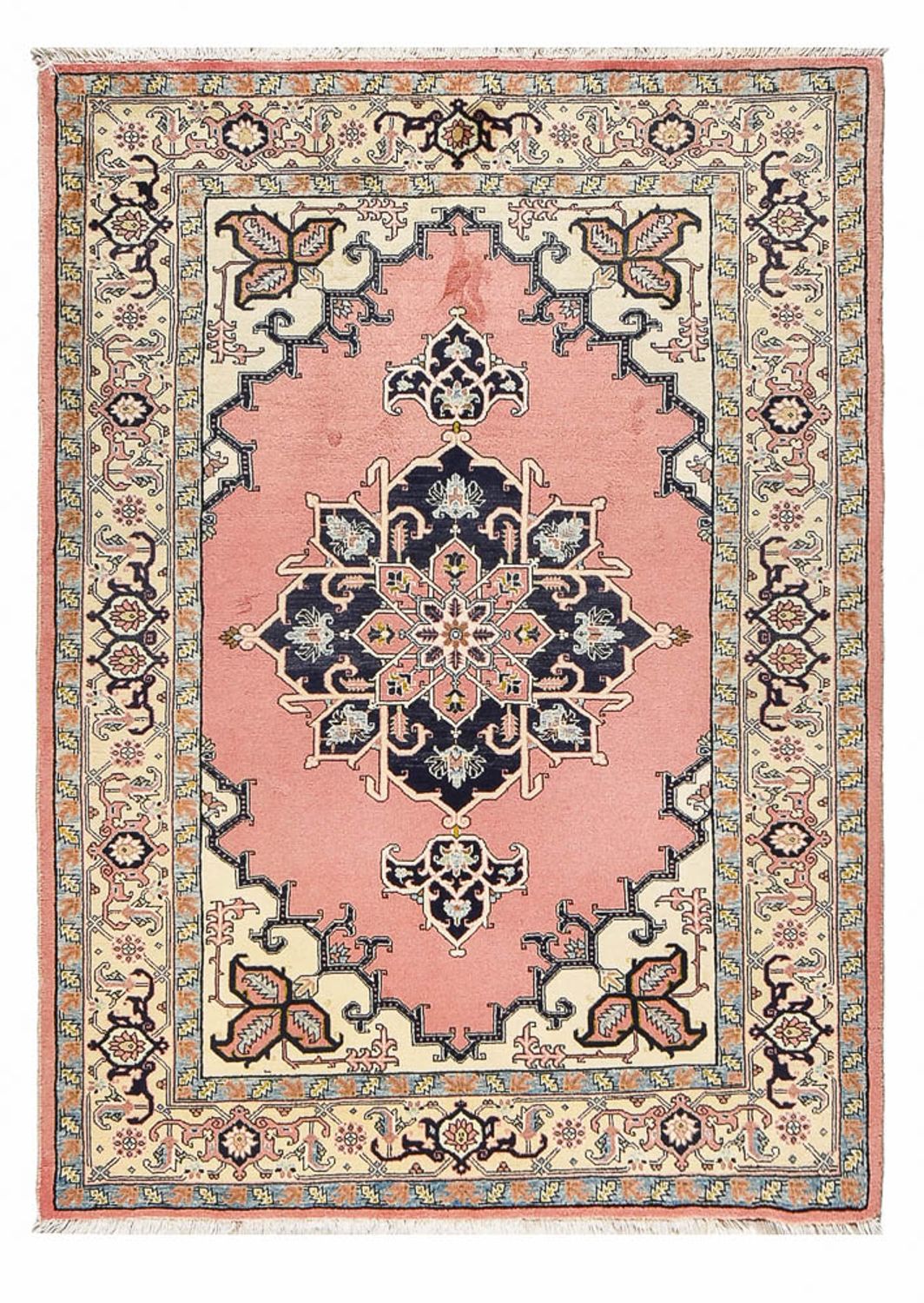
Ardebil rugs come from northwestern Iran and often show geometric patterns with Caucasian influence.
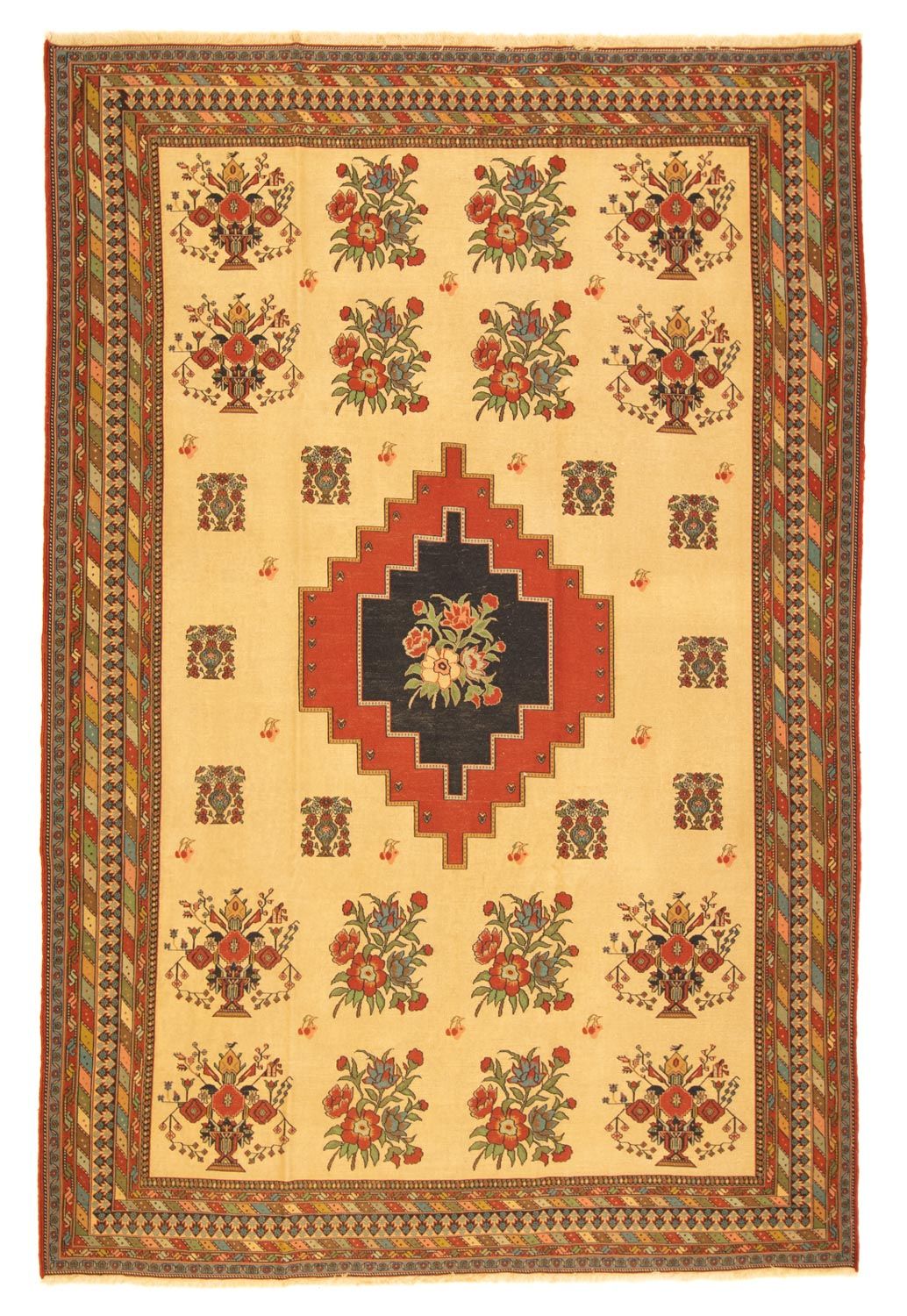
Afshar rugs are knotted by semi-nomadic tribes in southeastern Iran, blending nomadic motifs with refined craftsmanship.
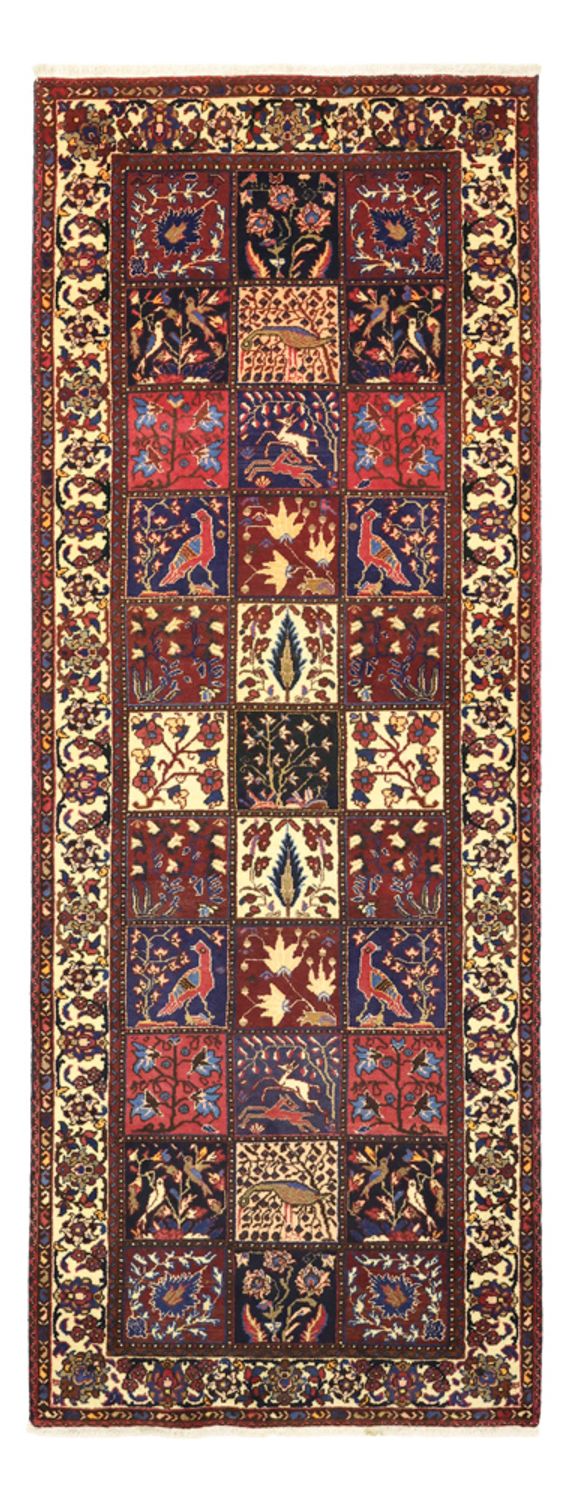
Bakhtiari rugs are knotted by the Bakhtiari tribes in the Zagros mountains and are known for their characteristic garden compartments.
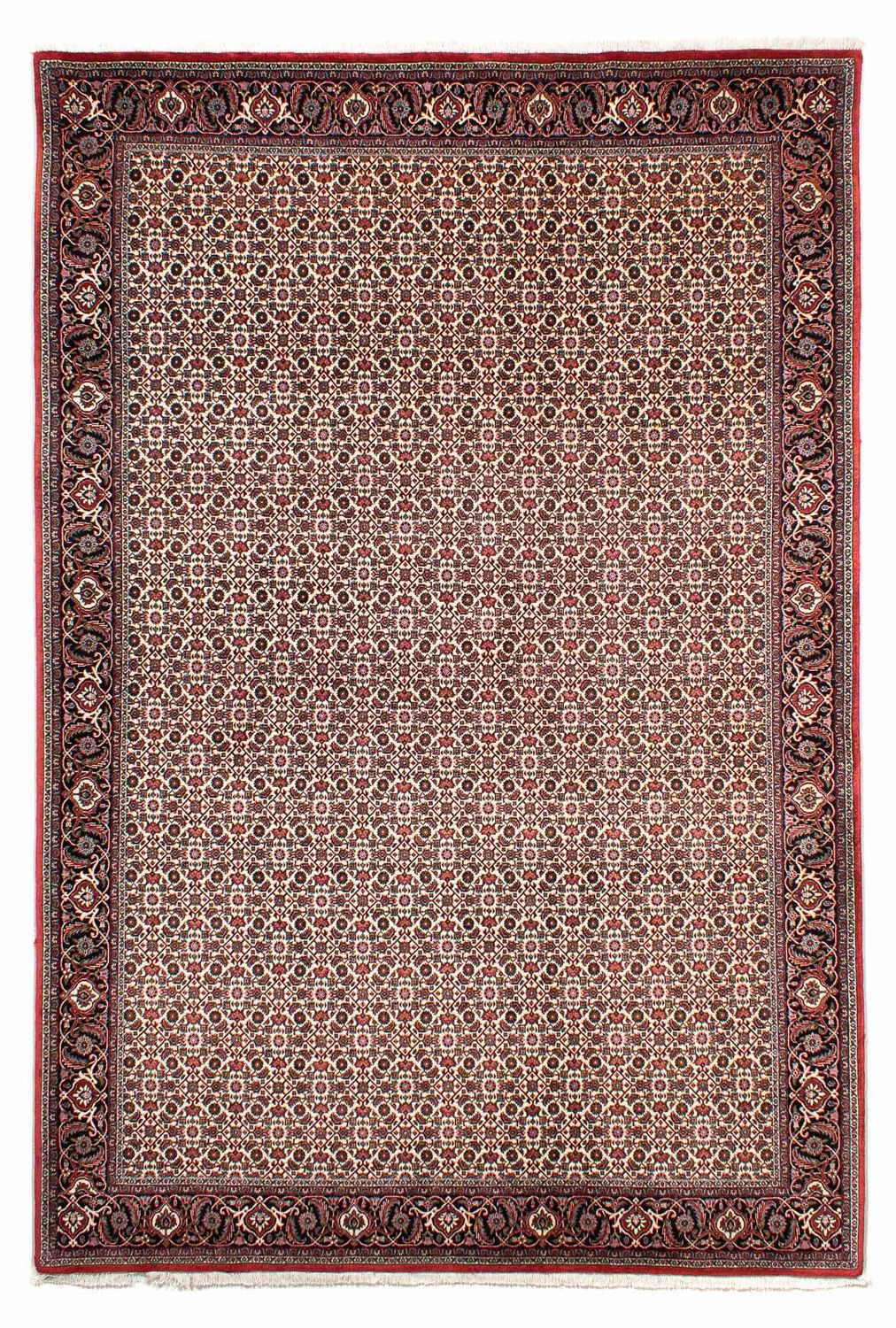
Bijar rugs from Iranian Kurdistan are considered the most durable Persian rugs, densely knotted and exceptionally hard-wearing.
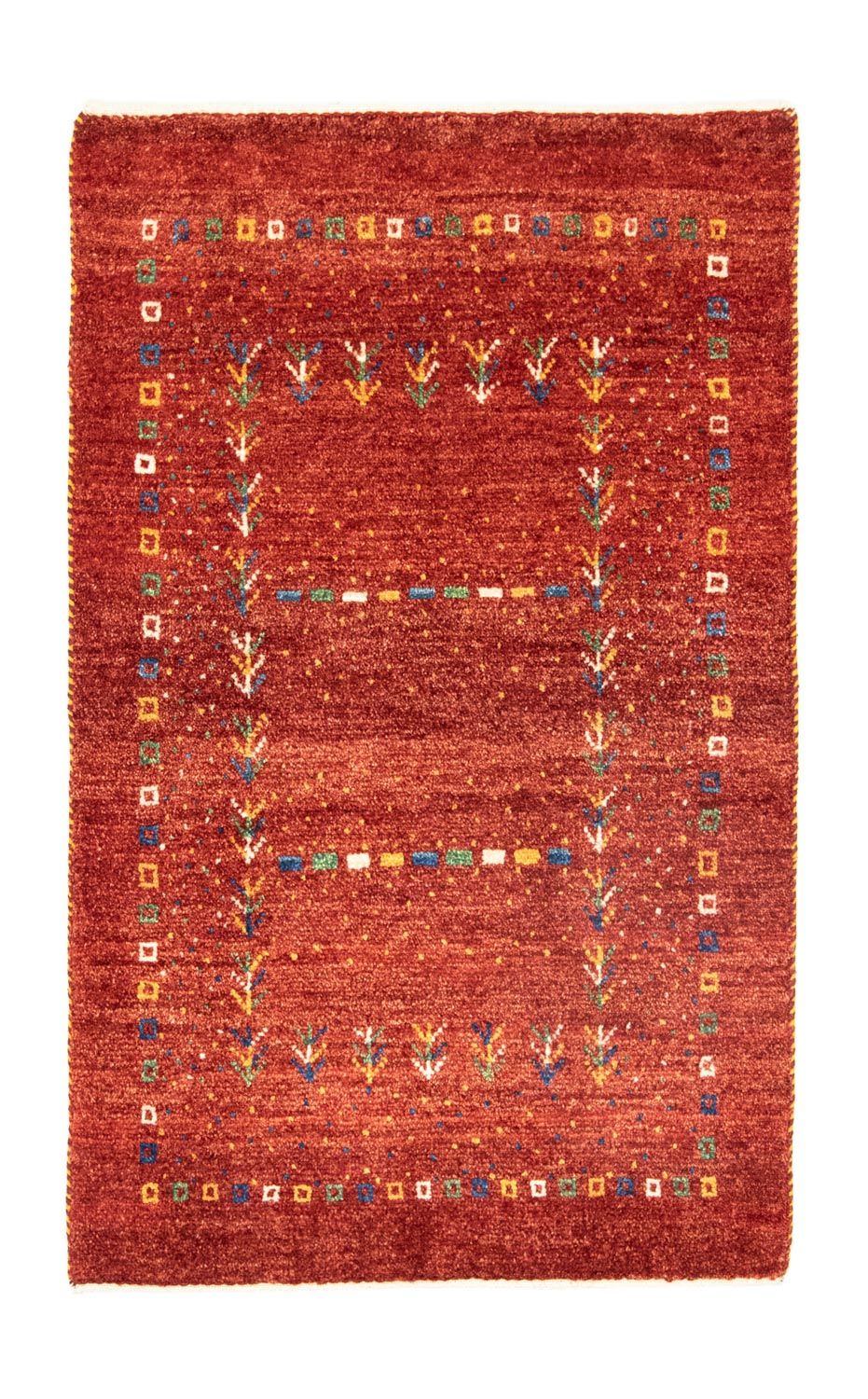
Gabbeh rugs are coarsely knotted by Qashqai nomads in the Zagros and feature long pile and abstract symbolism.
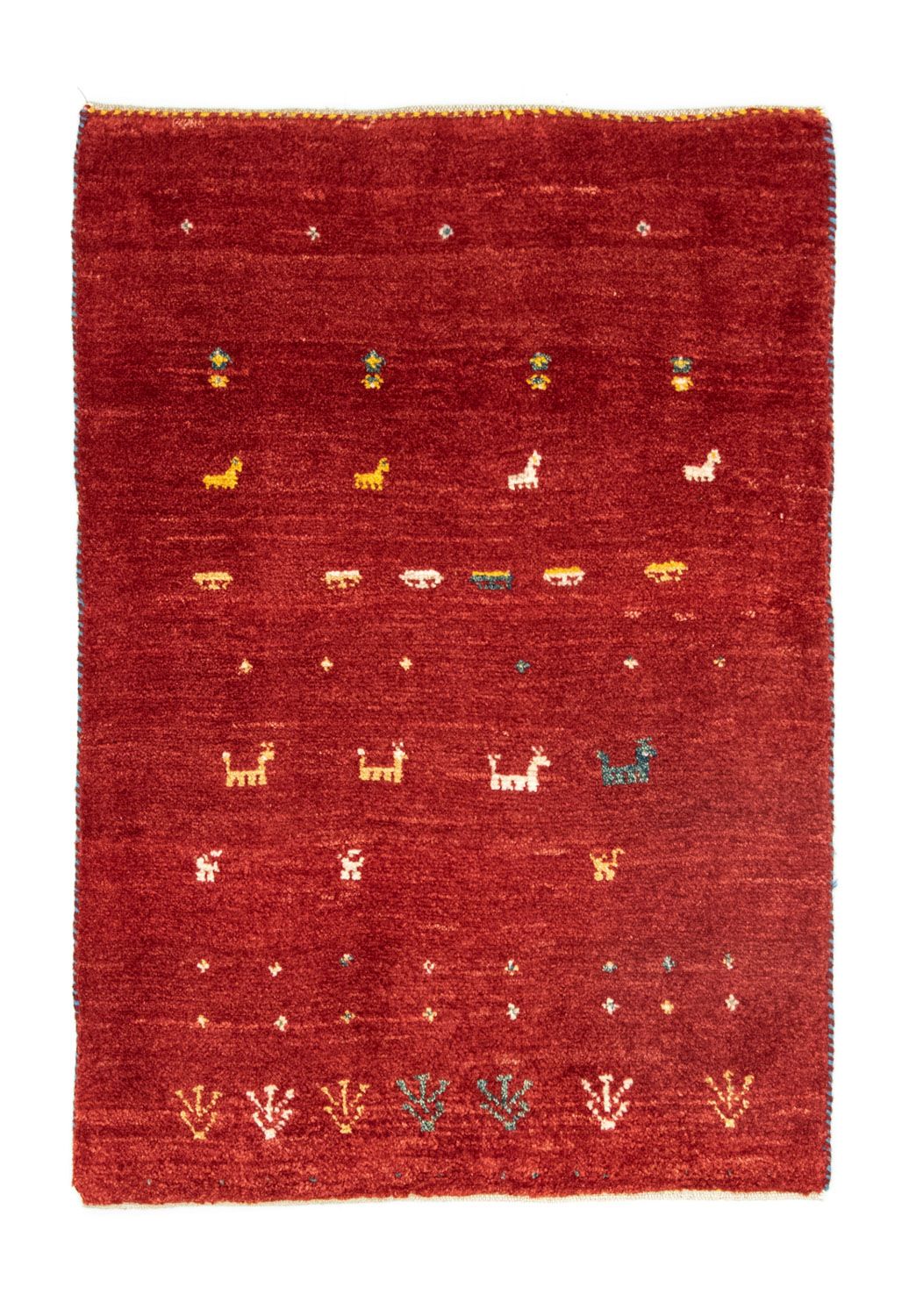
Qashqai rugs are knotted by the eponymous nomadic tribe in Fars Province and stand out with their distinctive medallion style.
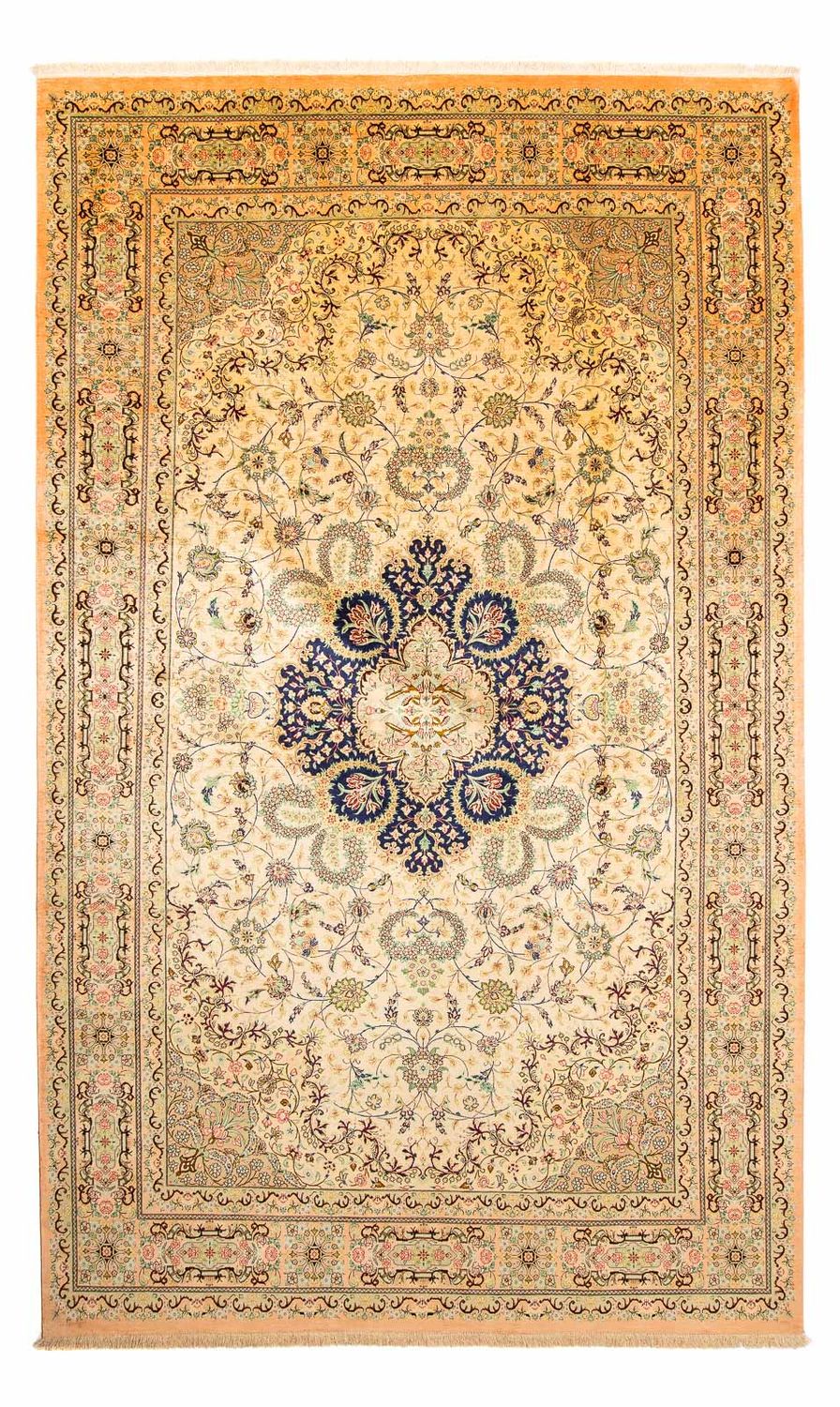
Qom rugs from the holy city are among the finest Persian rugs and are particularly prized in pure-silk versions.
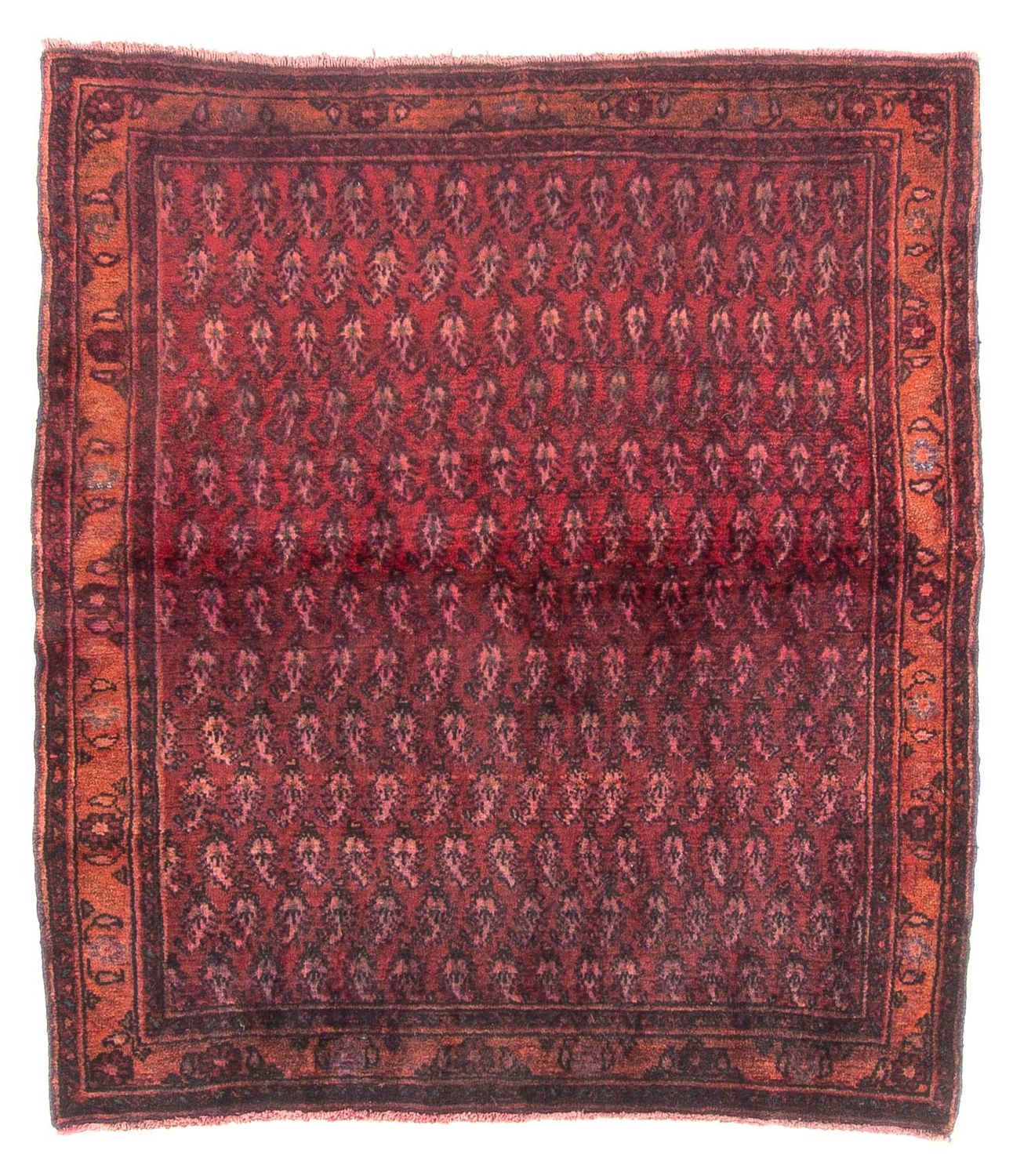
Hamadan rugs come from western Iran and are produced in countless village workshops, robust, affordable, and highly varied.
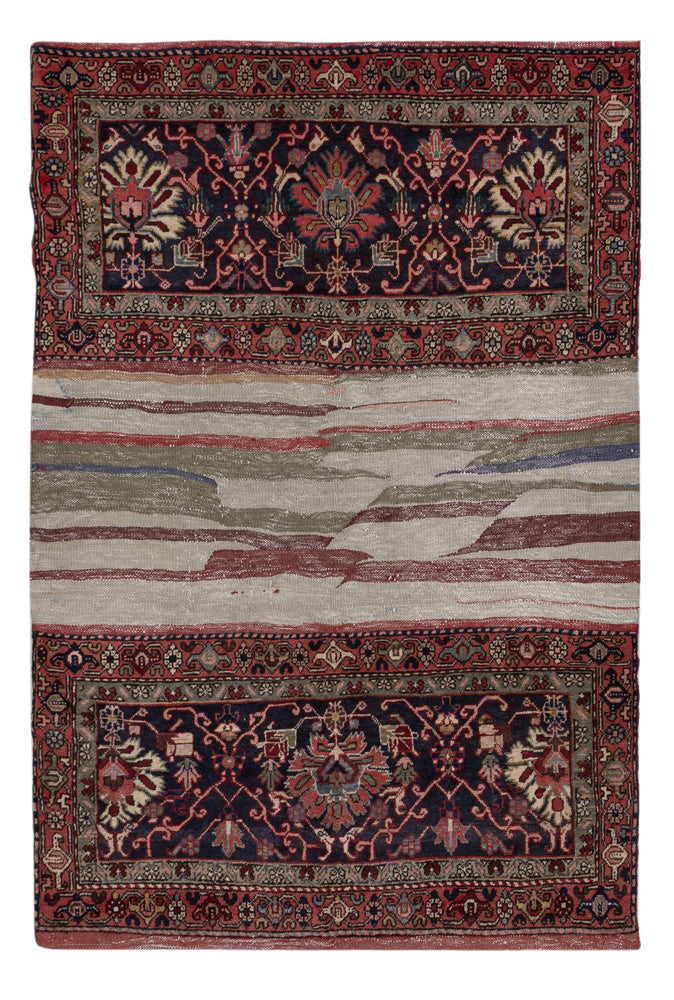
Heriz rugs from northwestern Iran are known for their bold geometric medallions and exceptional durability.
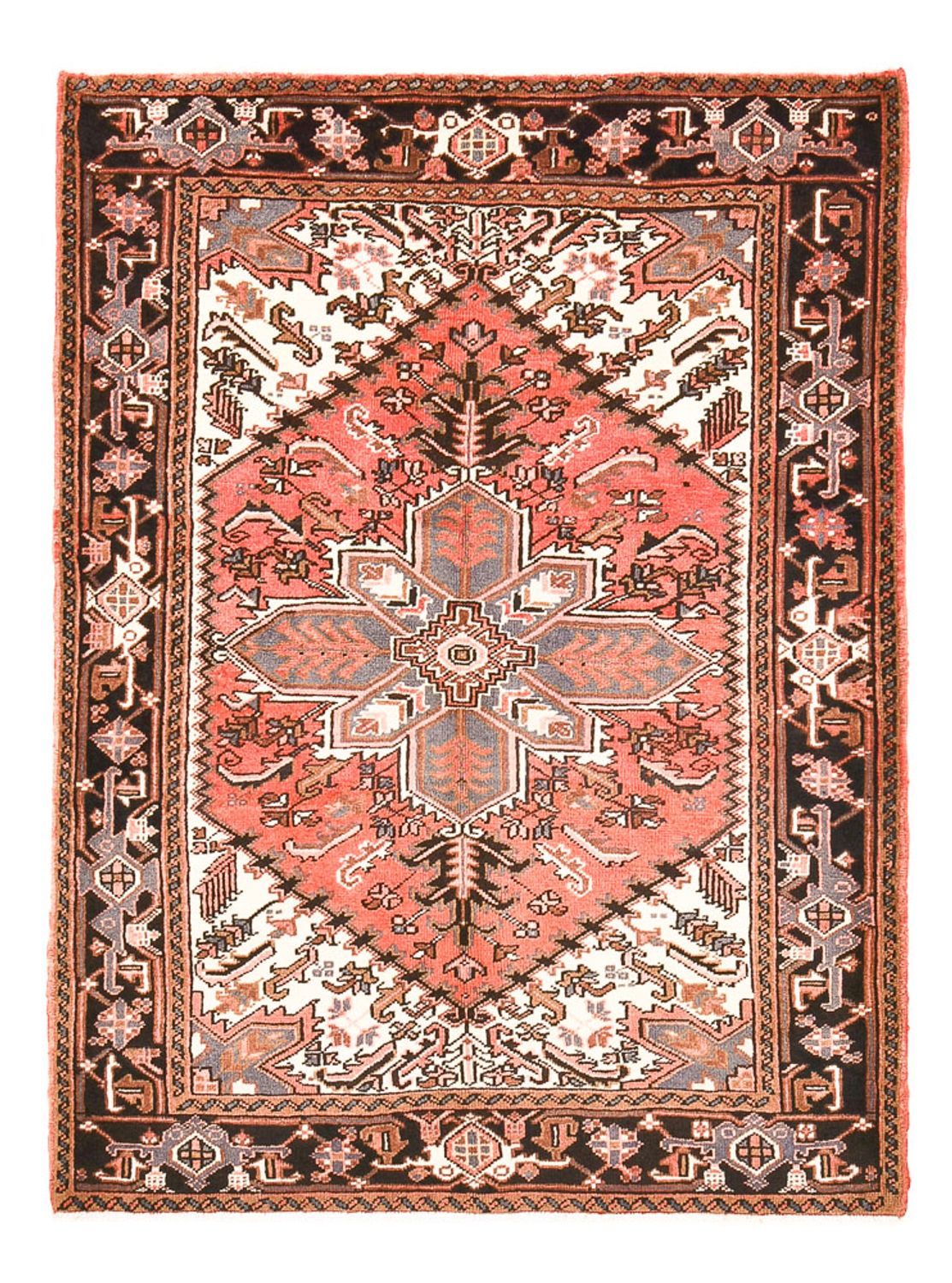
Garawan rugs come from a village in the Heris region and are slightly coarser than the well-known Heriz pieces.
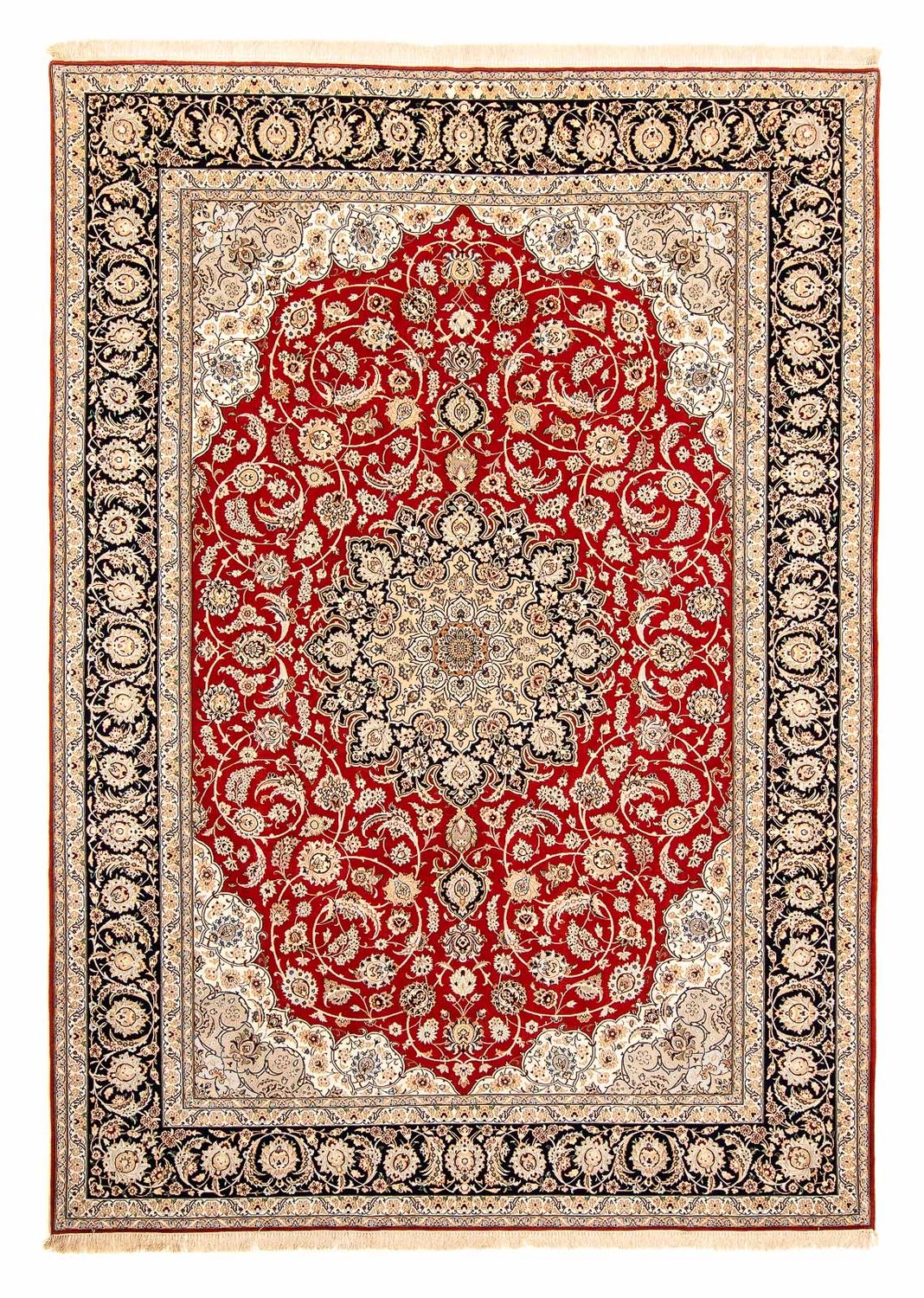
Isfahan rugs from the former Safavid capital are considered the pinnacle of Persian rug knotting, exceptionally fine and elegant.
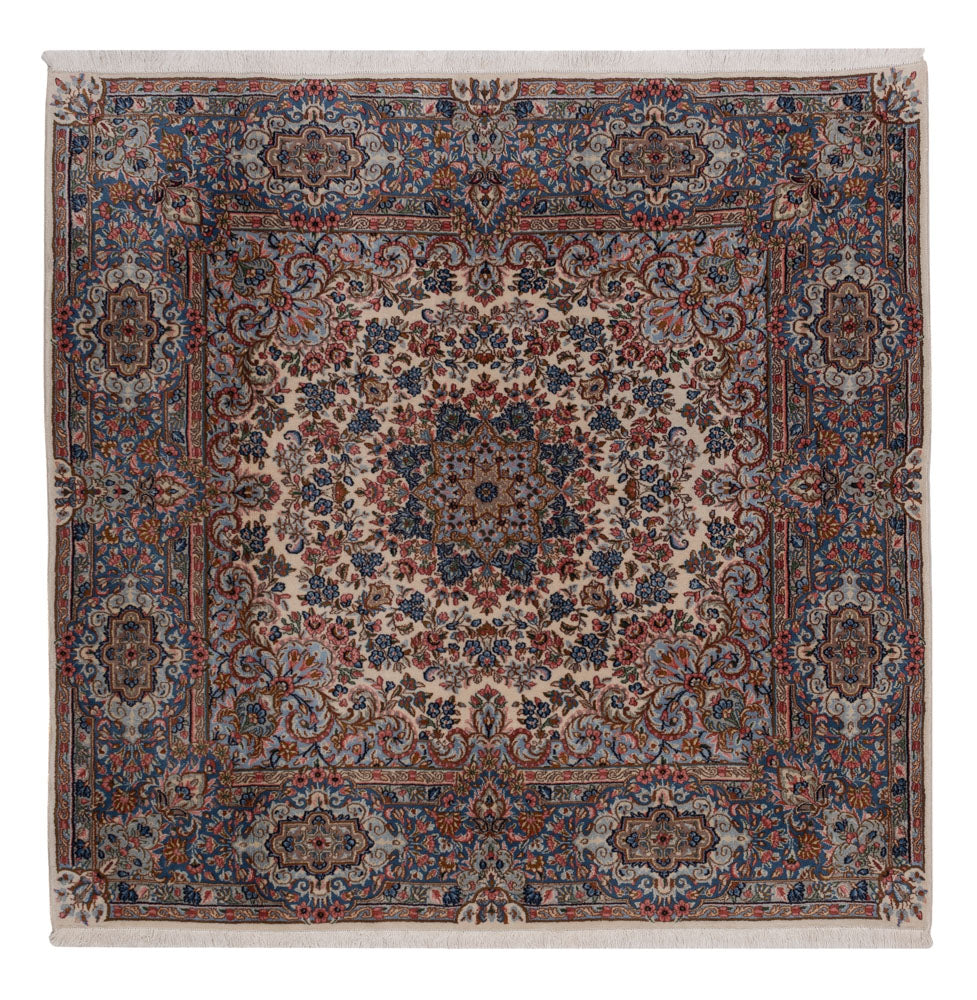
Kerman rugs from southeastern Iran are renowned for their elegant floral designs and refined color palette.
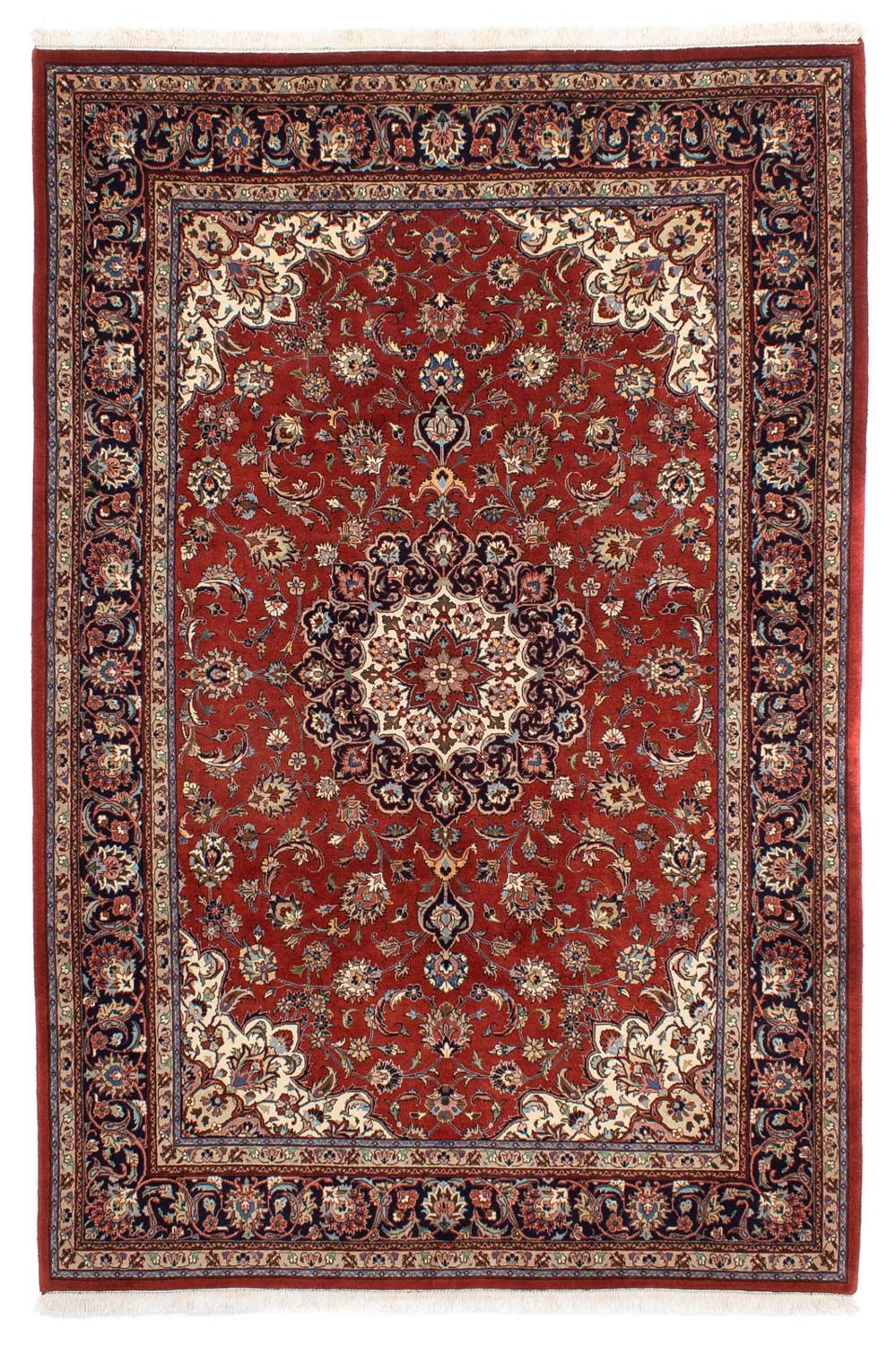
Kashan rugs from central Iran are classic Persian carpets, elegant, finely knotted, and rich in floral patterns.
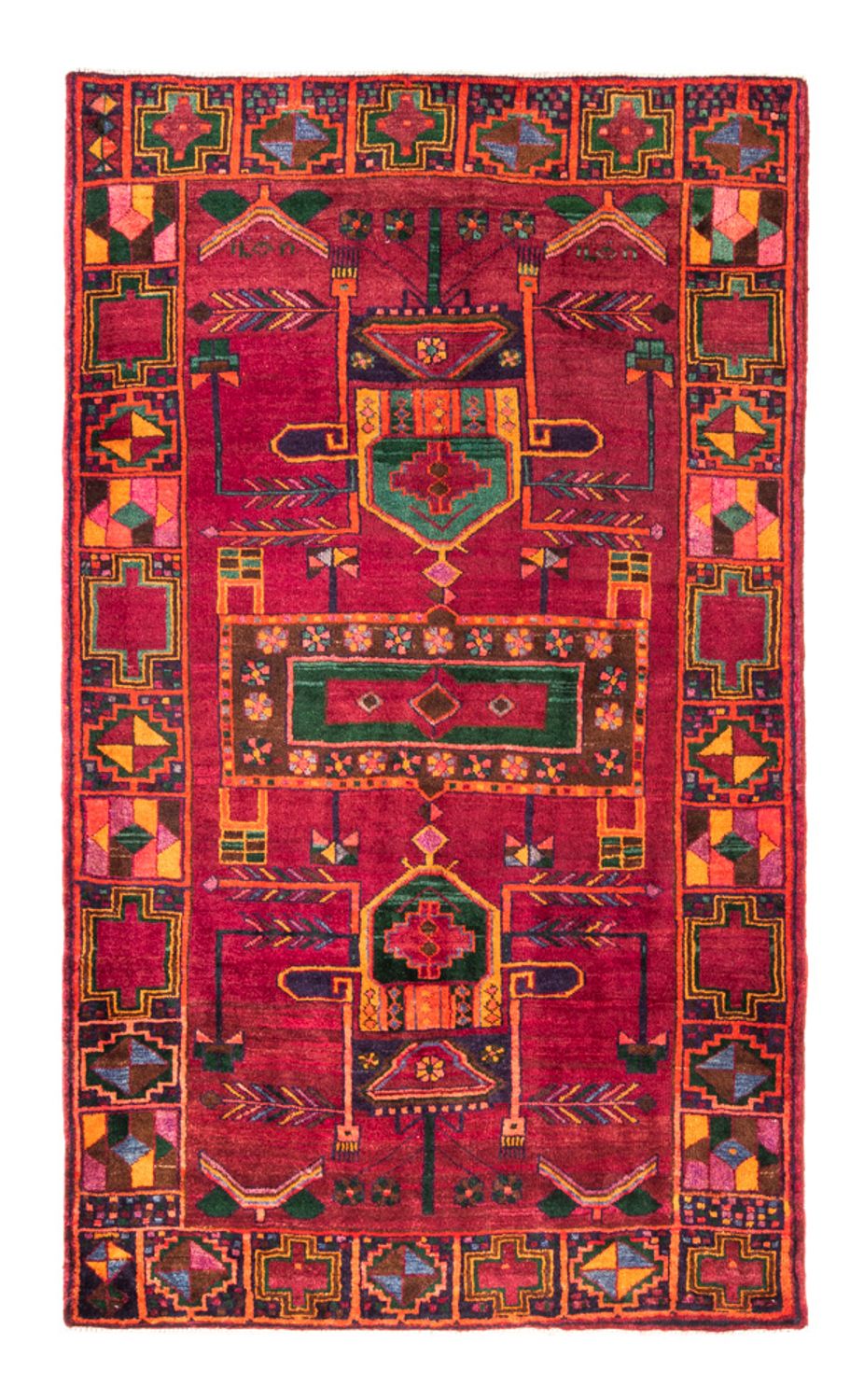
Koliai rugs are knotted by Kurdish tribes in western Iran and combine geometric motifs with a robust pile.
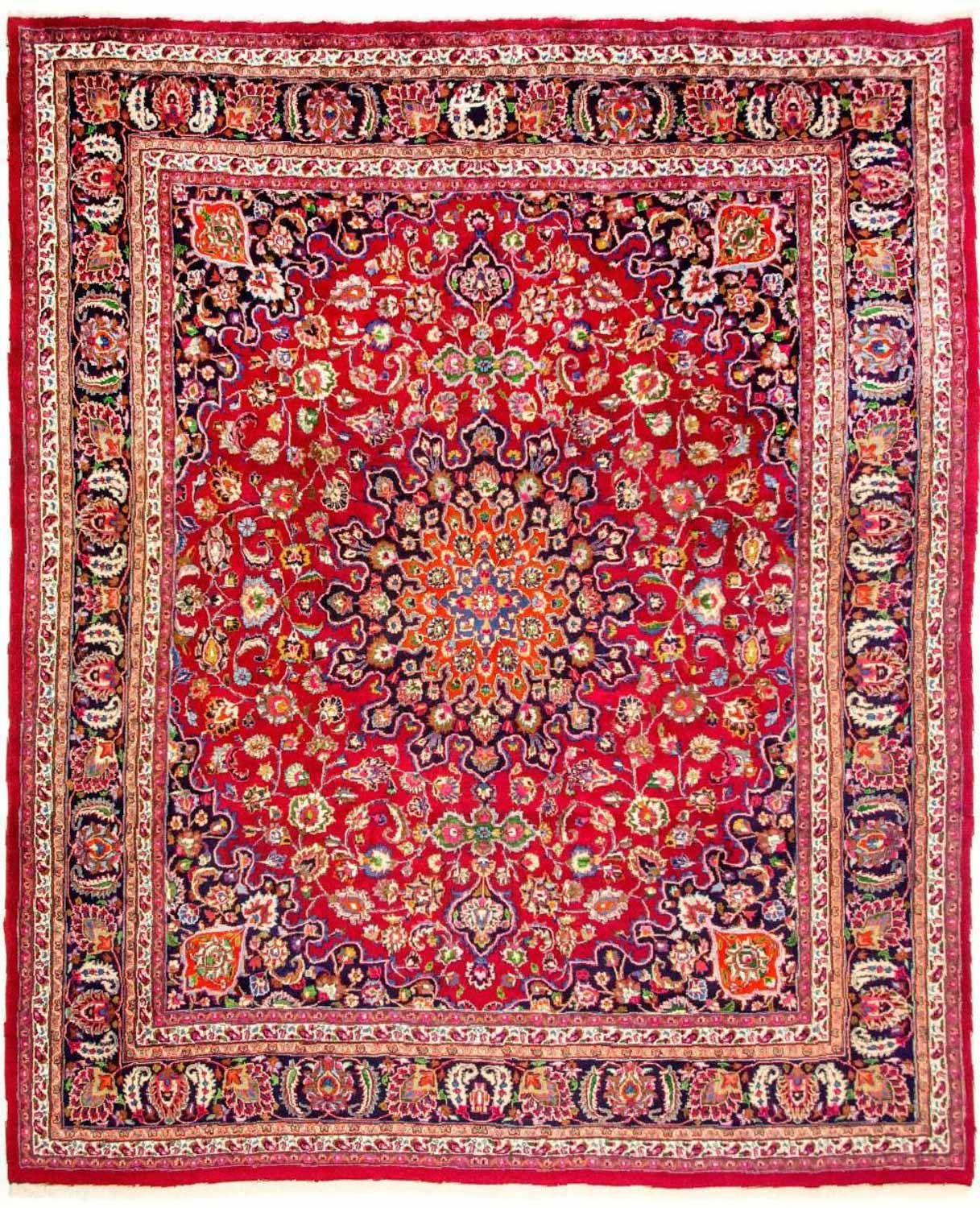
Mashhad rugs from the holy city in northeastern Iran show intricate floral compositions in deep wine-red tones.
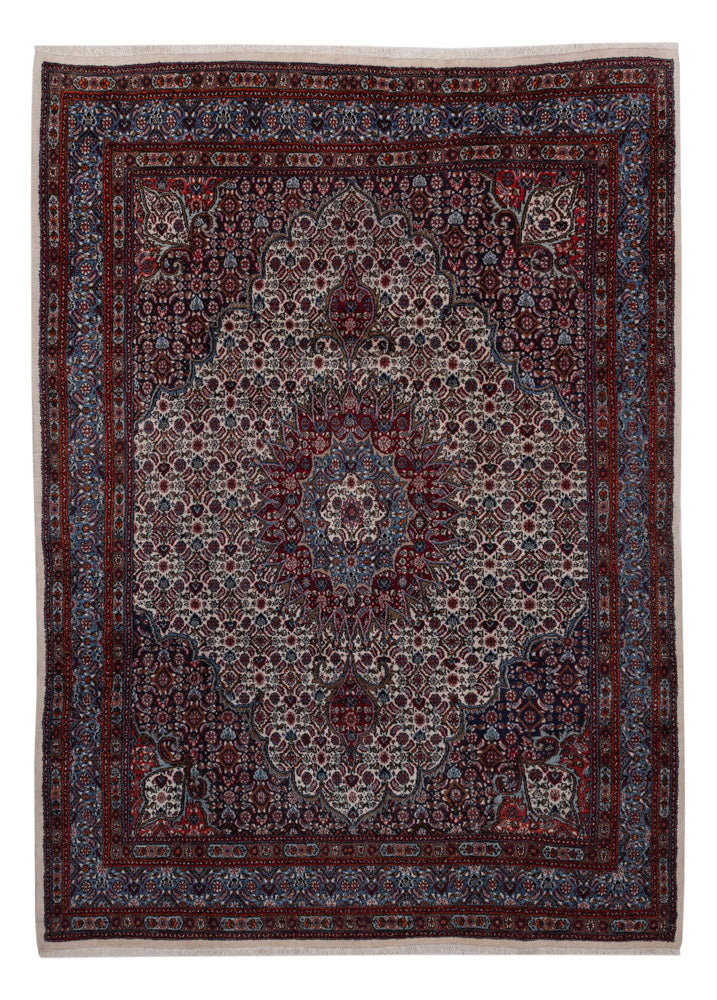
Moud rugs come from southern Khorasan and combine fine knotting with the classic Herati all-over pattern.
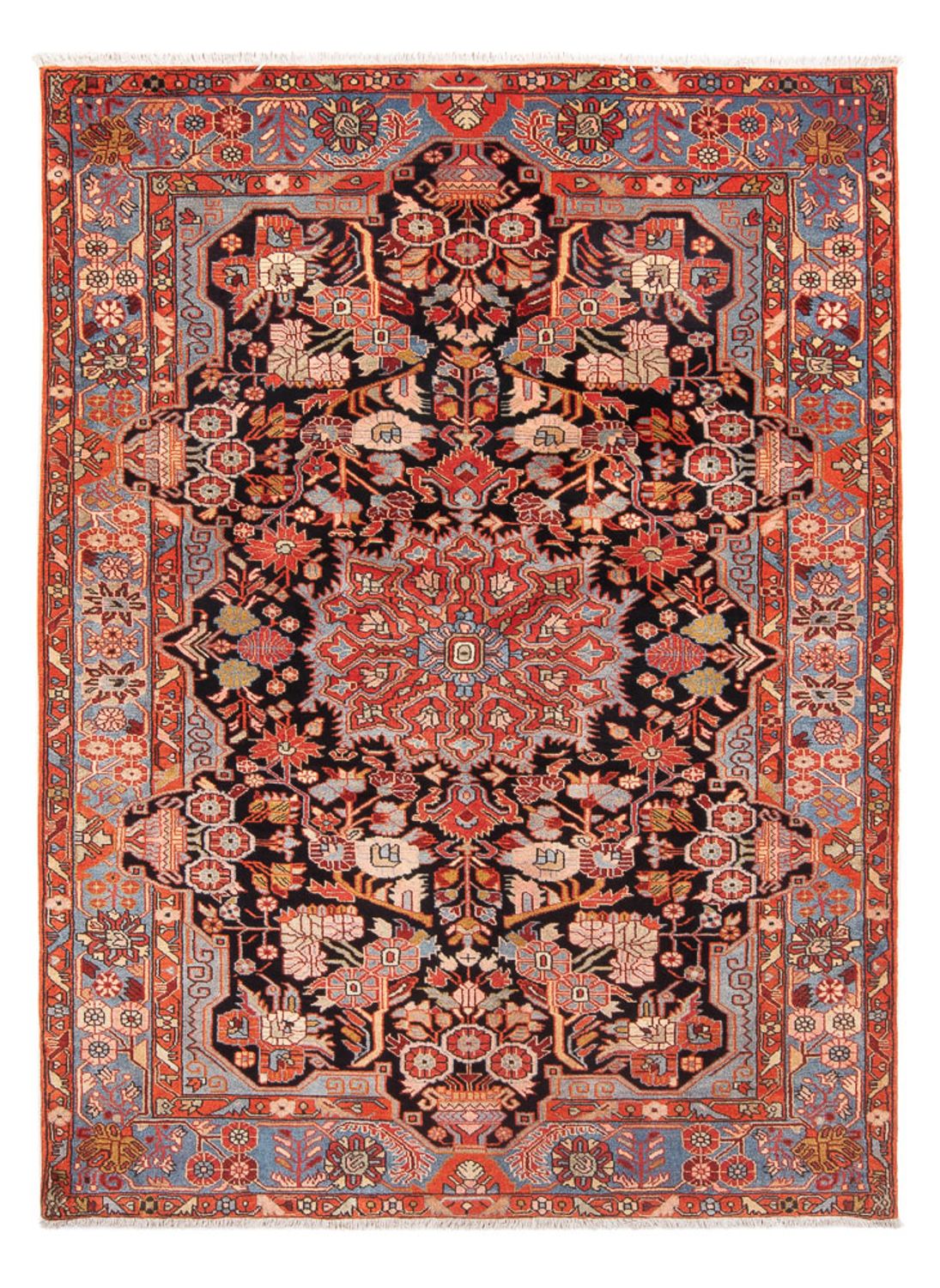
Nahavand rugs come from the Hamadan region and show a more open weave with bold geometric medallions.
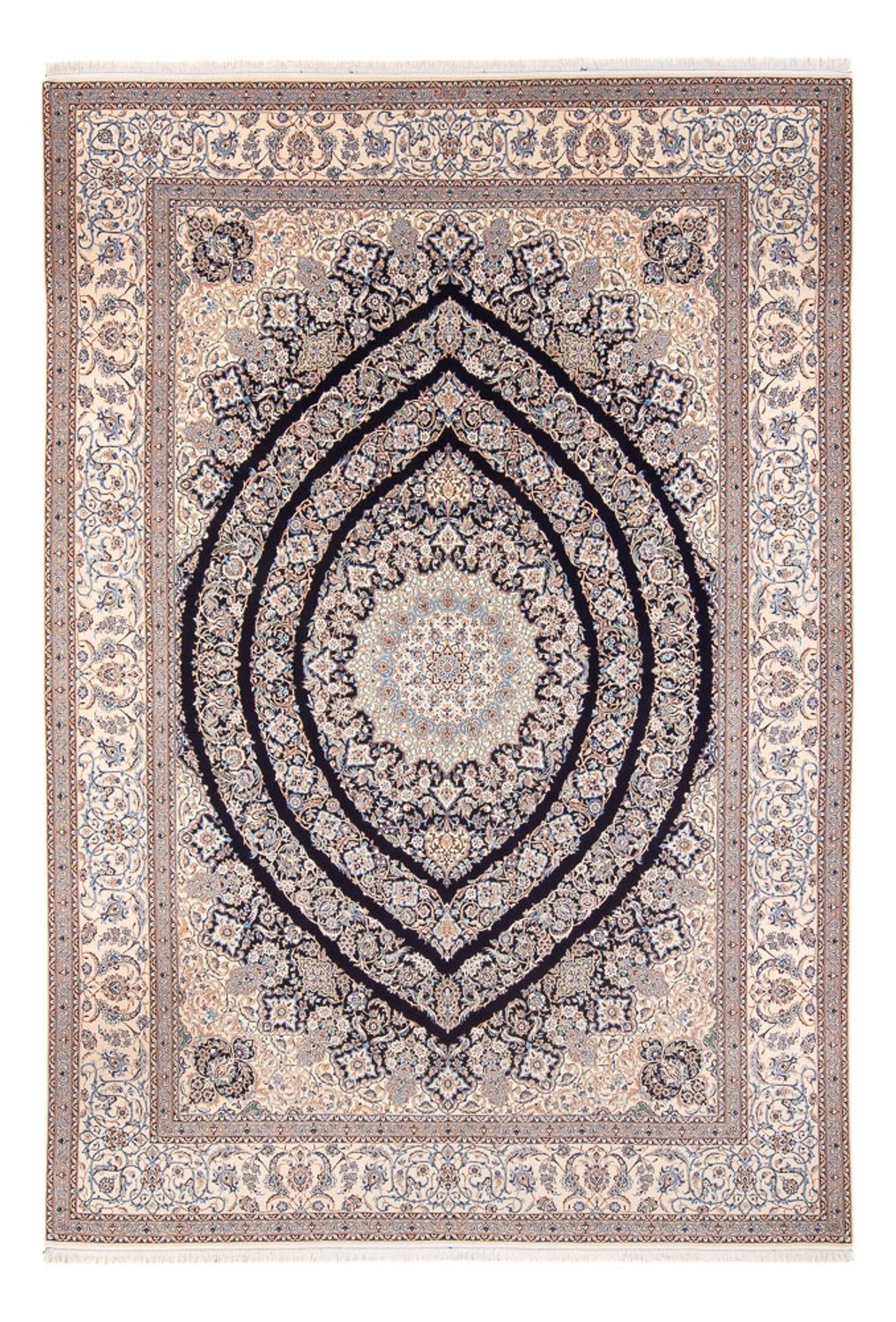
Nain rugs from the desert town between Isfahan and Yazd are exceptionally fine and known for their cool ivory-and-blue palette.
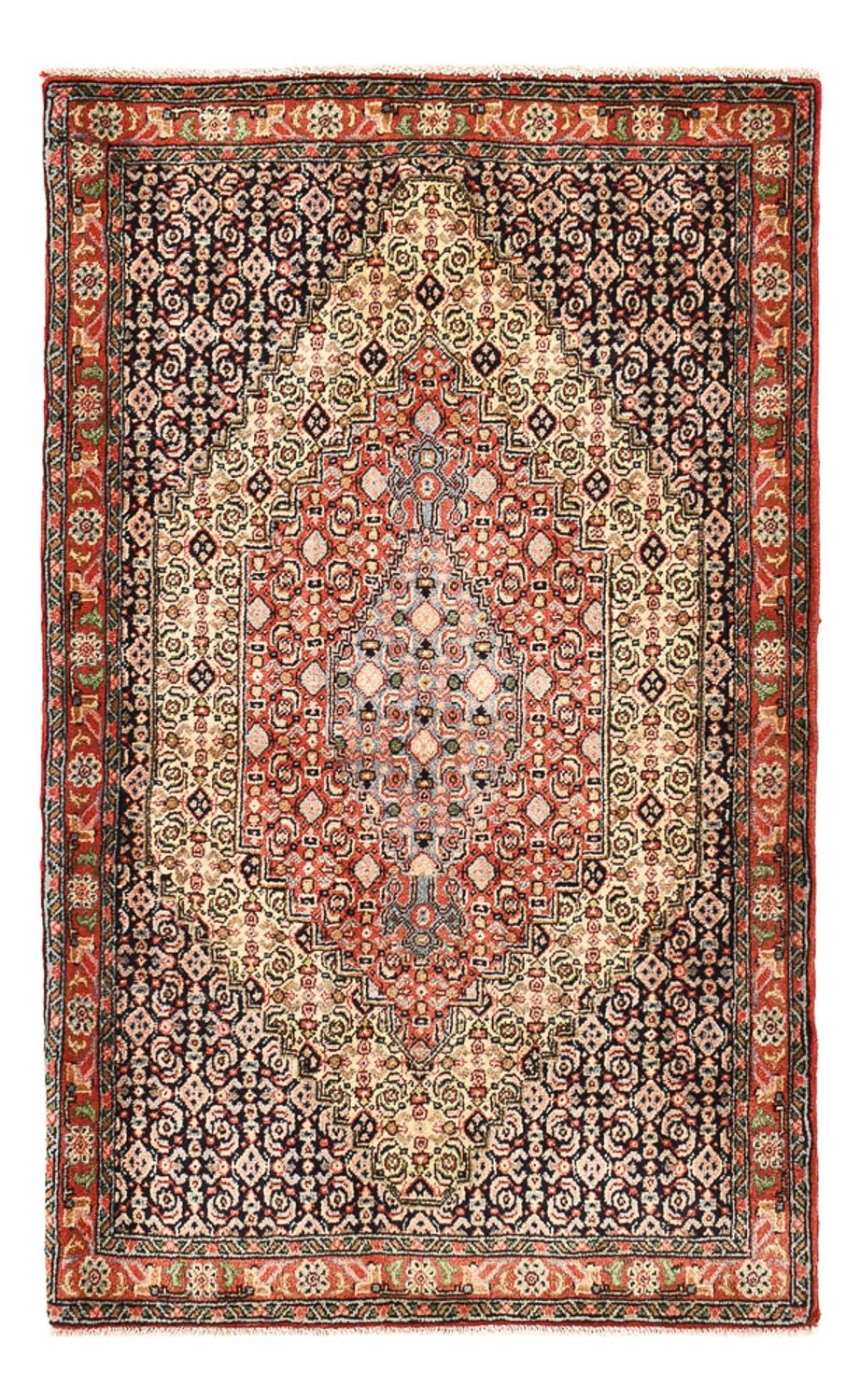
Senneh rugs from Sanandaj in Iranian Kurdistan are some of the finest tribal rugs, known for their thin, almost flat pile.
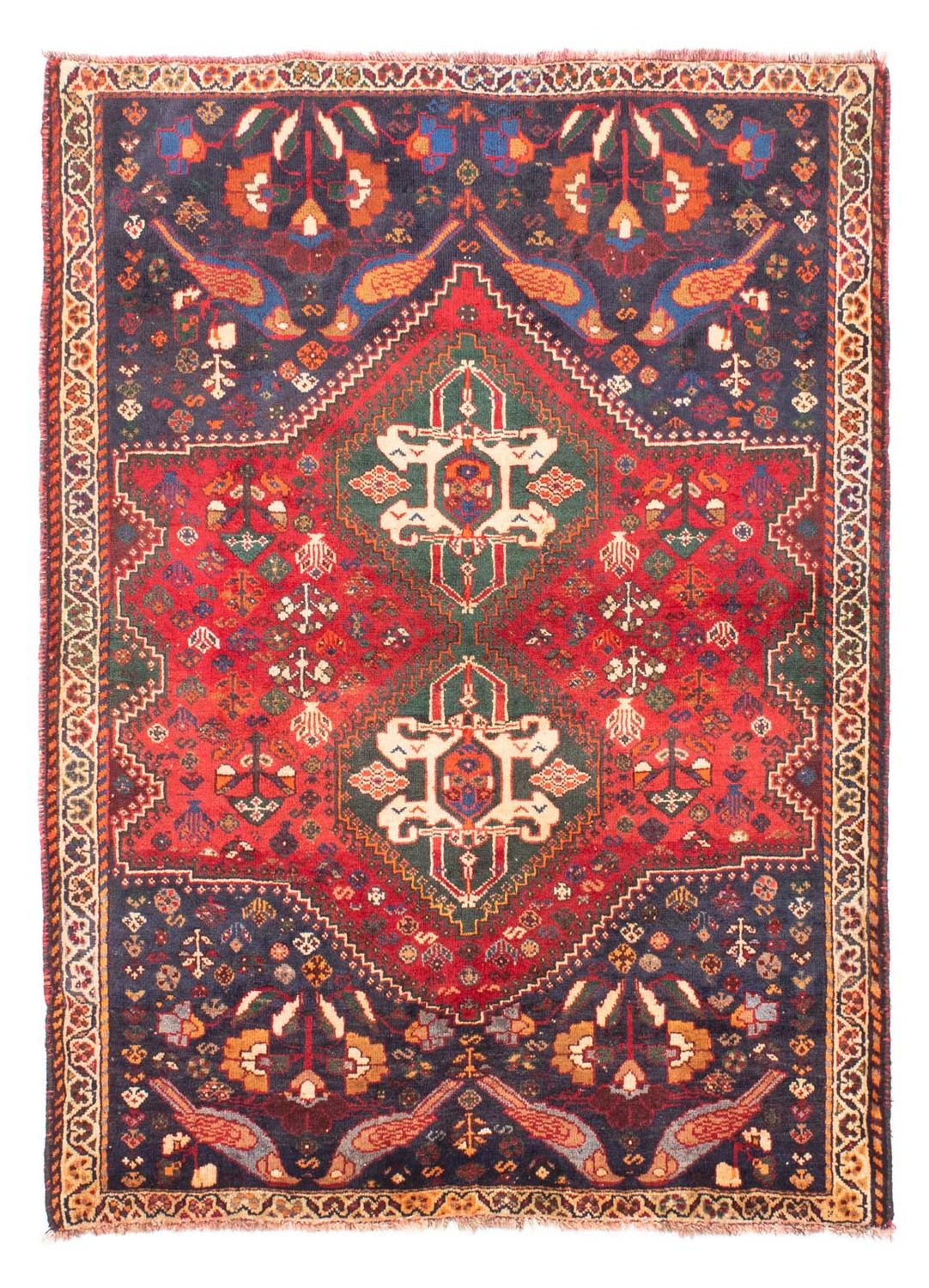
Shiraz rugs are produced in the famous market town of southern Iran by Qashqai and Khamseh tribes, vibrant nomadic pieces.
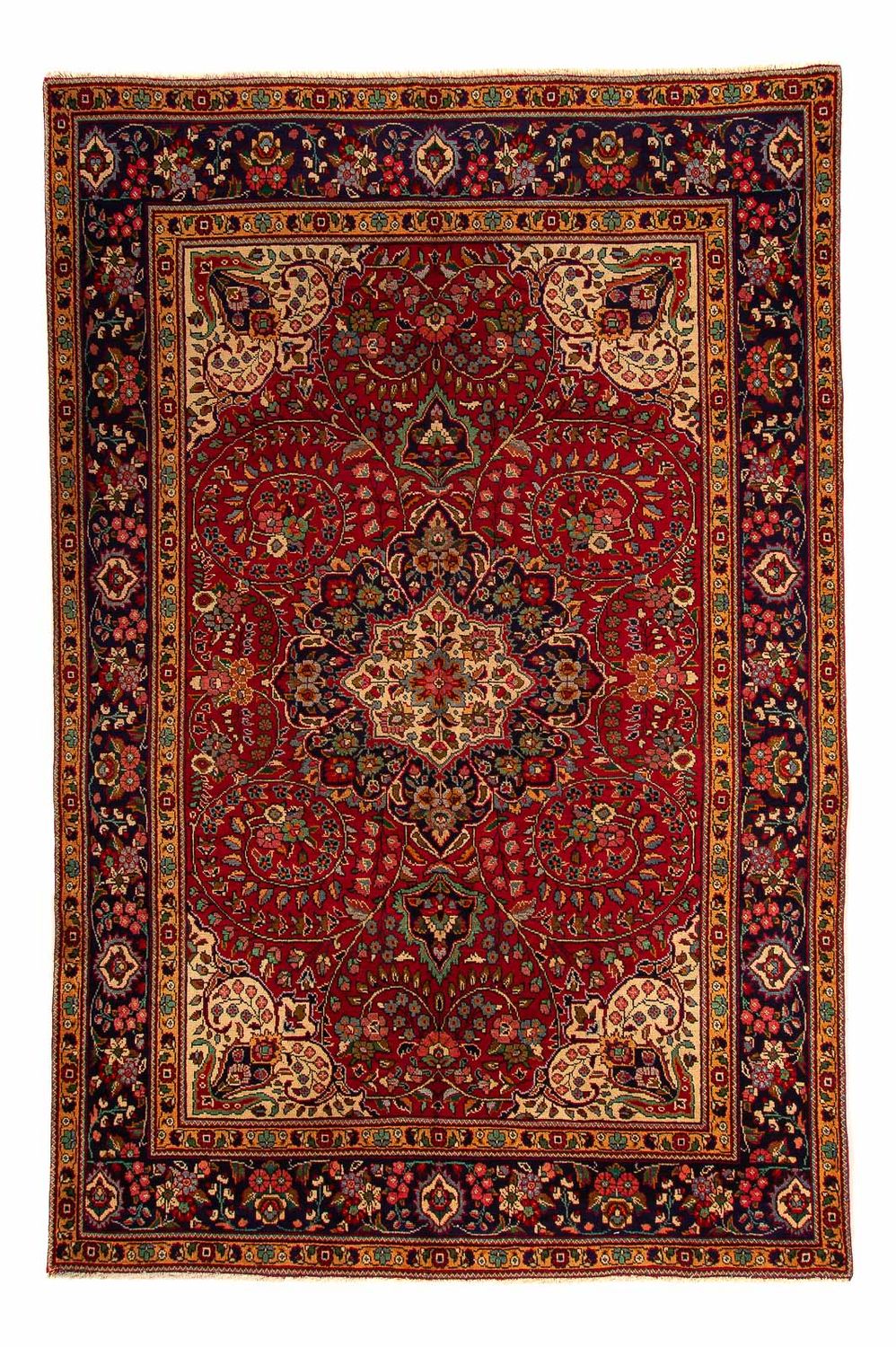
Tabriz rugs are among the most refined Persian carpets, known for their finely knotted designs and remarkable variety of patterns.
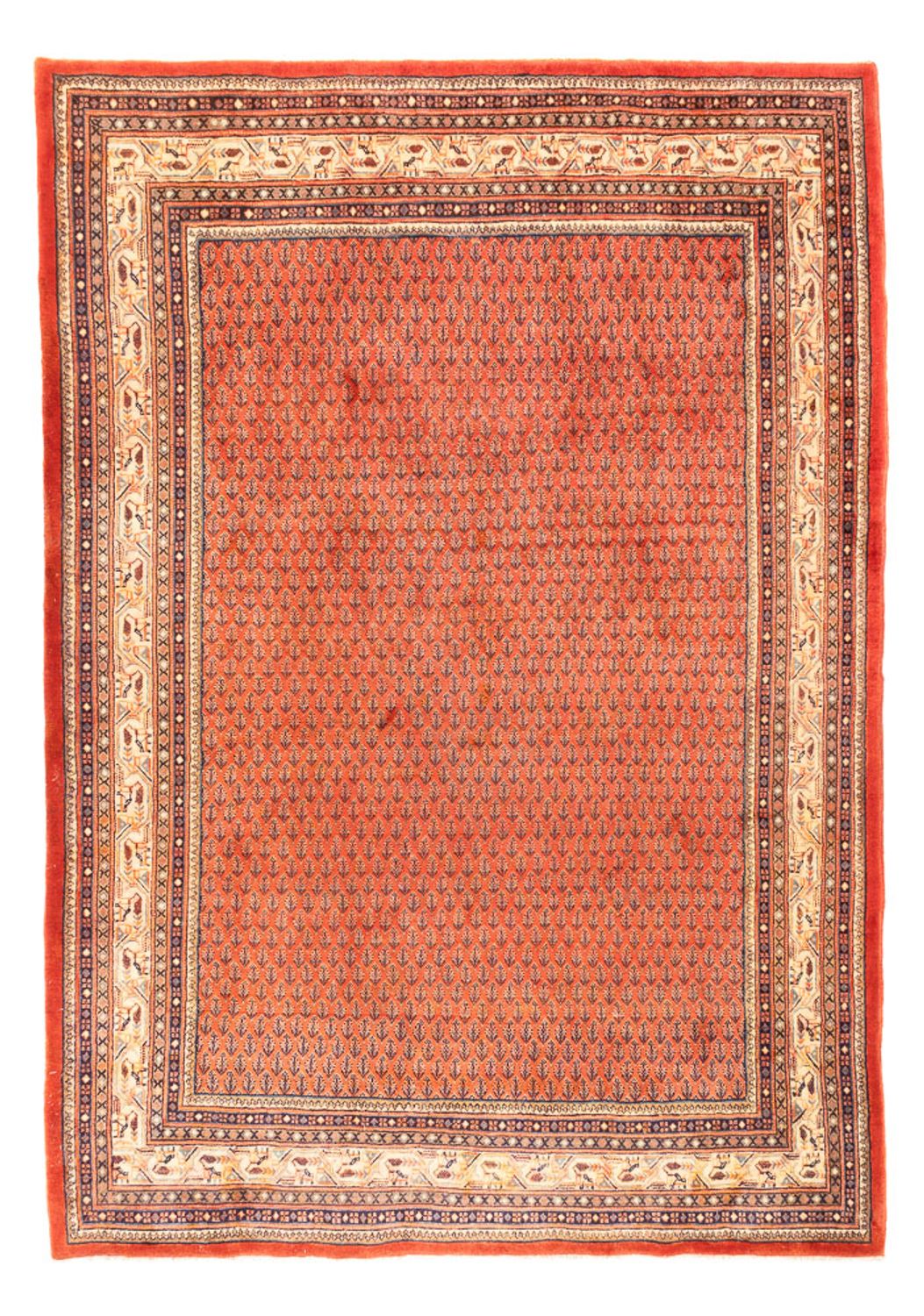
Mir rugs from the Malayer region show the classic boteh all-over pattern in fine quality and great size variety.
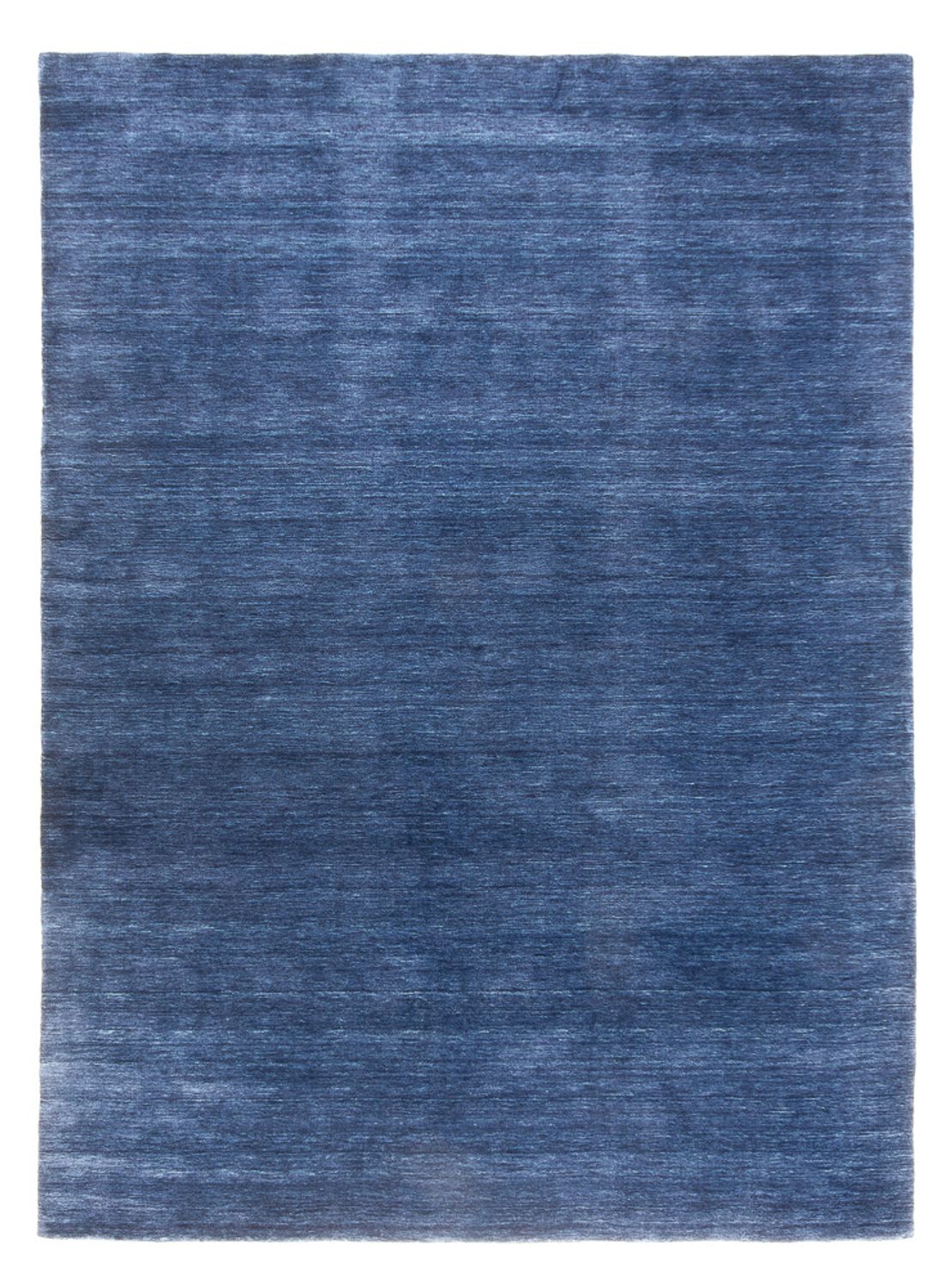
Loribaft rugs are knotted by Lori nomads in the southern Zagros and combine the long pile of a Gabbeh with finer detail work.
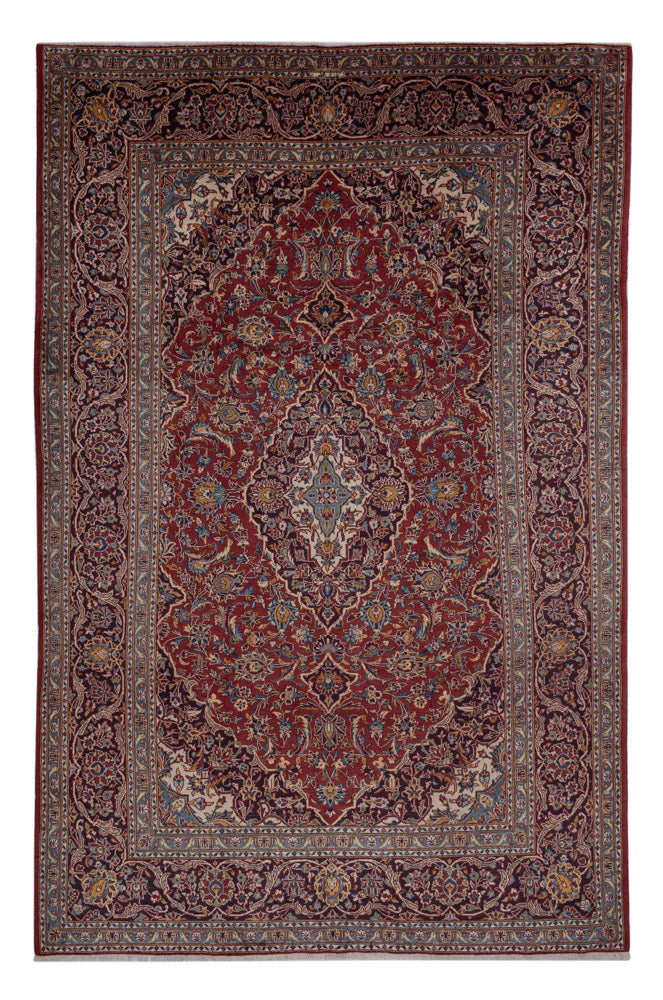
Ardakan rugs come from the desert town of Yazd Province and combine restrained color palettes with subtle medallion designs.
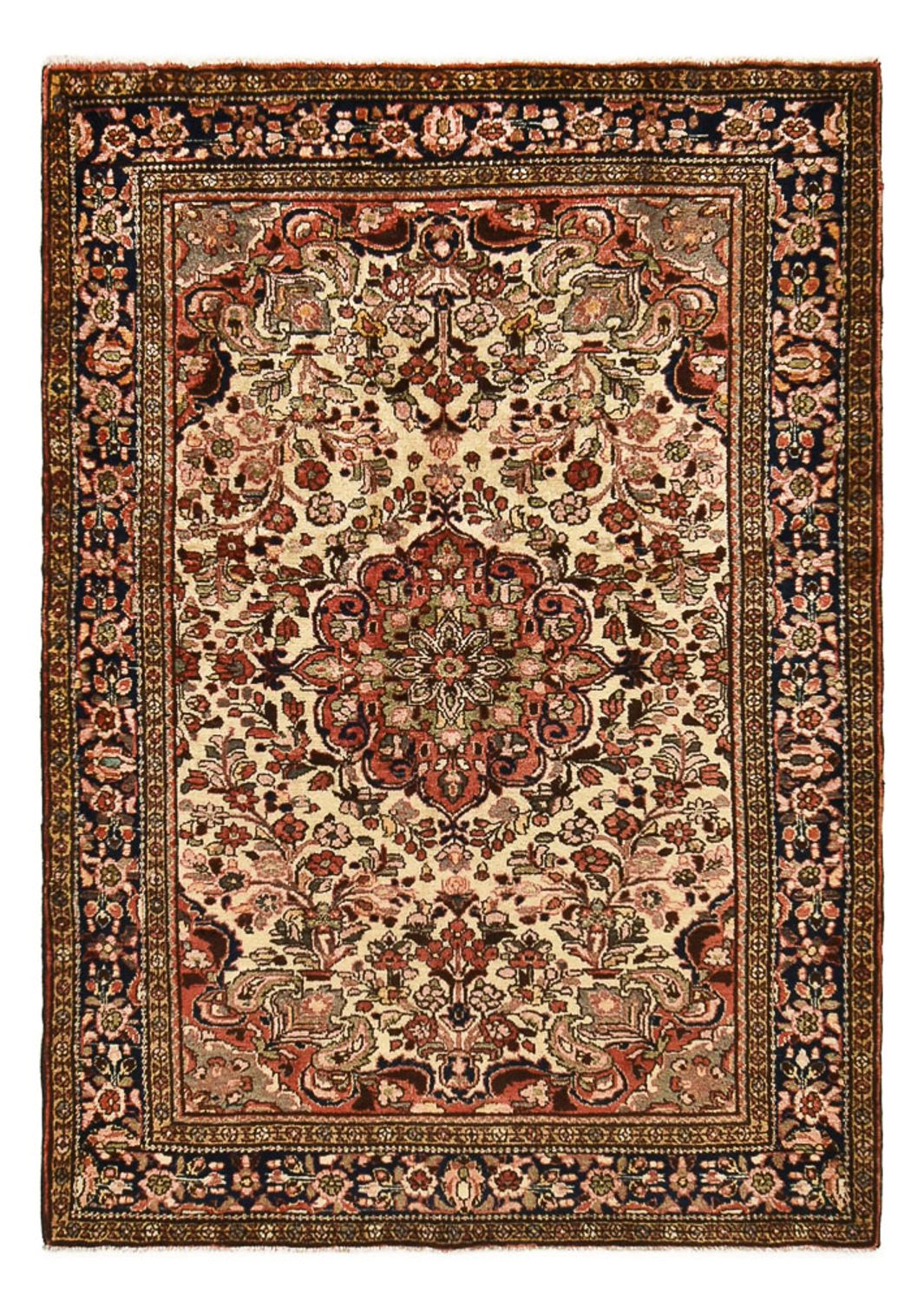
Borchalou rugs come from the Hamadan region and show finely worked floral medallions on an ivory ground.
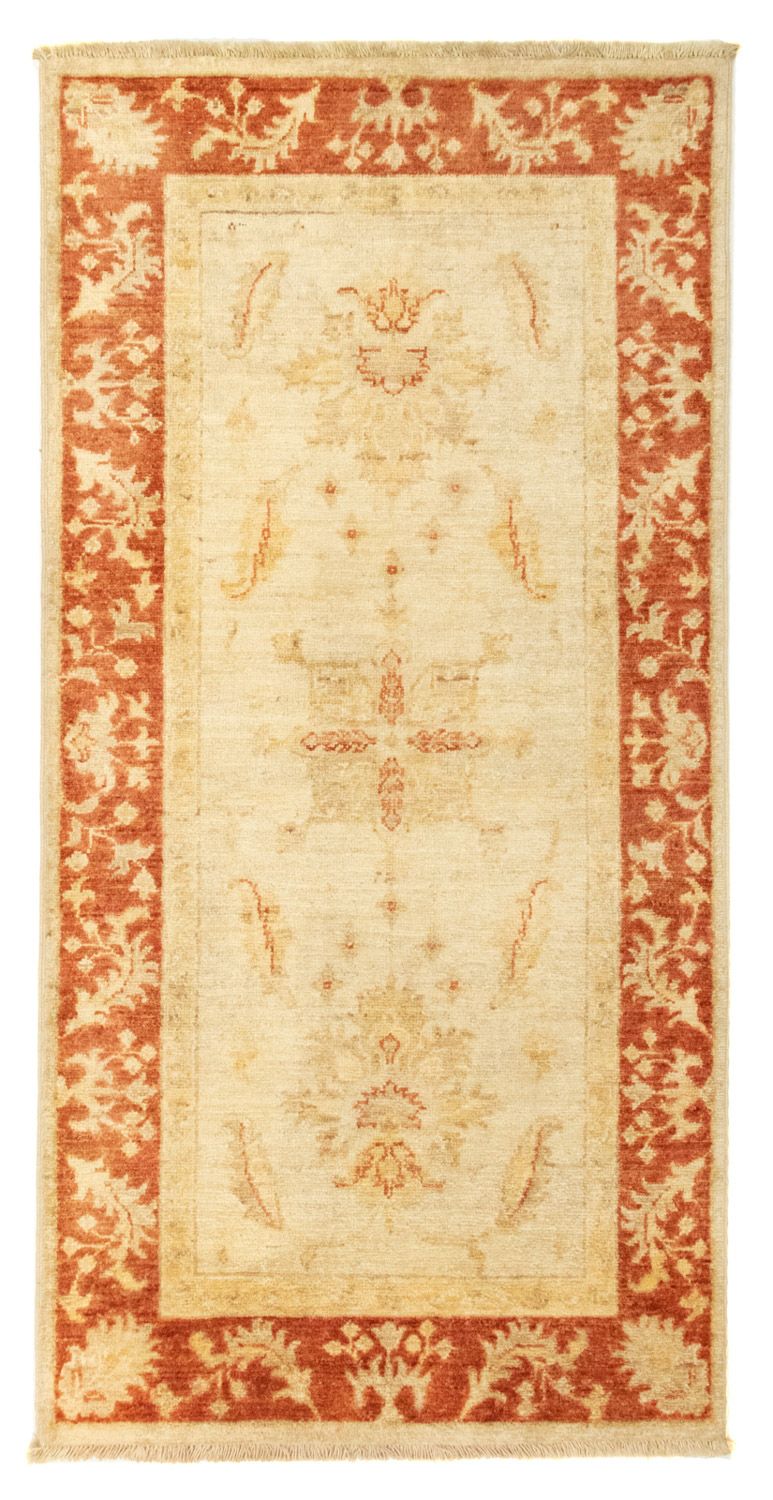
Farahan rugs come from the Arak area of Markazi Province and are sought-after for their classic Herati patterns and harmonious colors.
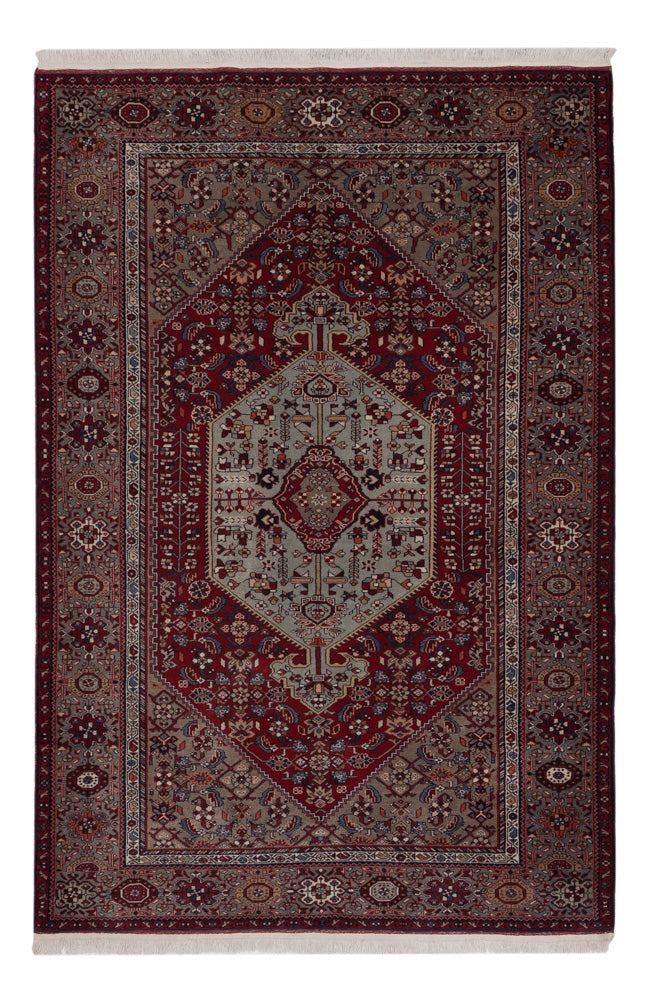
Gholtogh rugs come from a village in Hamadan Province and combine simple geometric motifs with a robust pile.
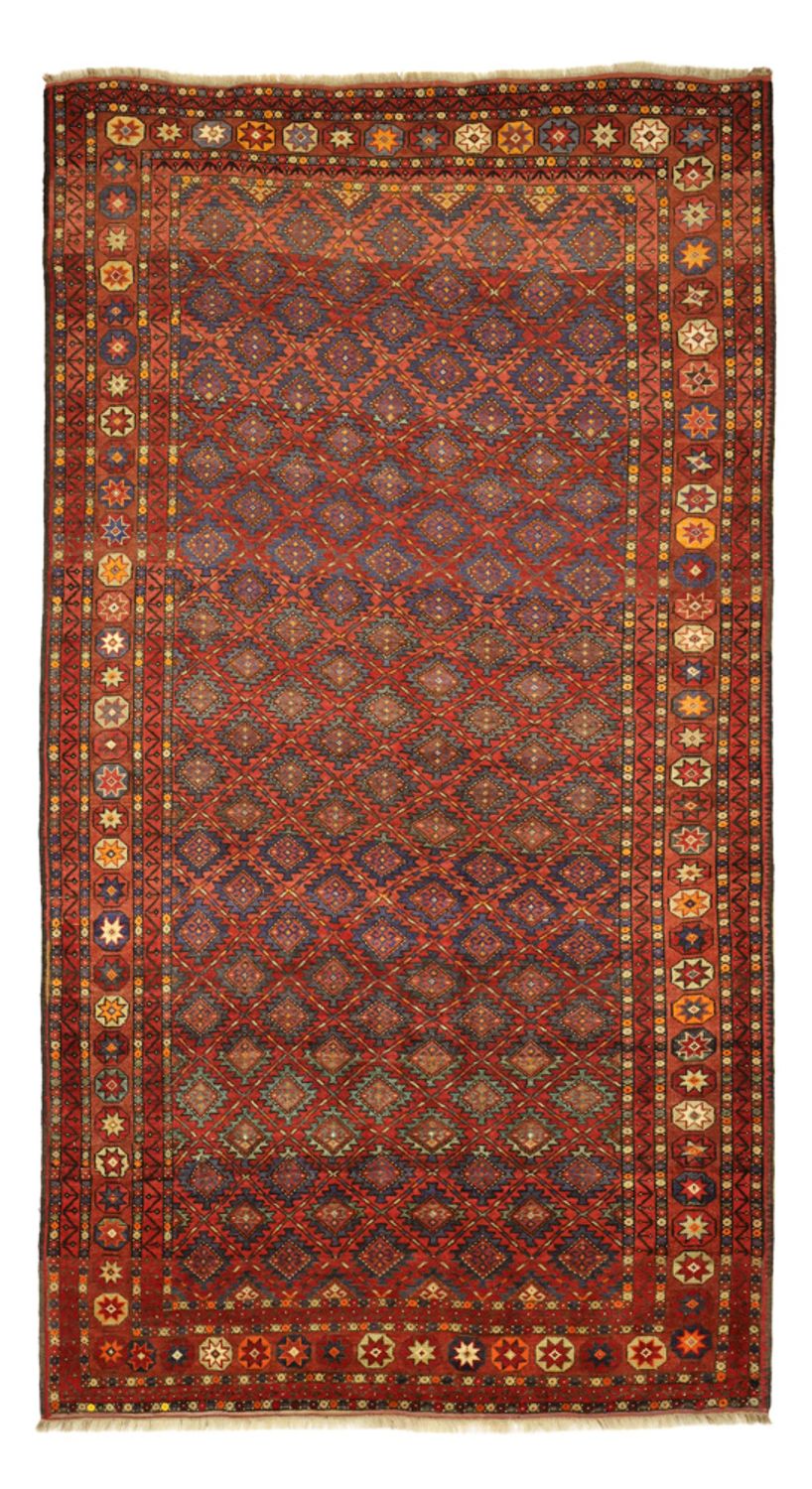
Quchan rugs come from the city of the same name in northern Khorasan and are known for their rich Kurdish tribal patterns.
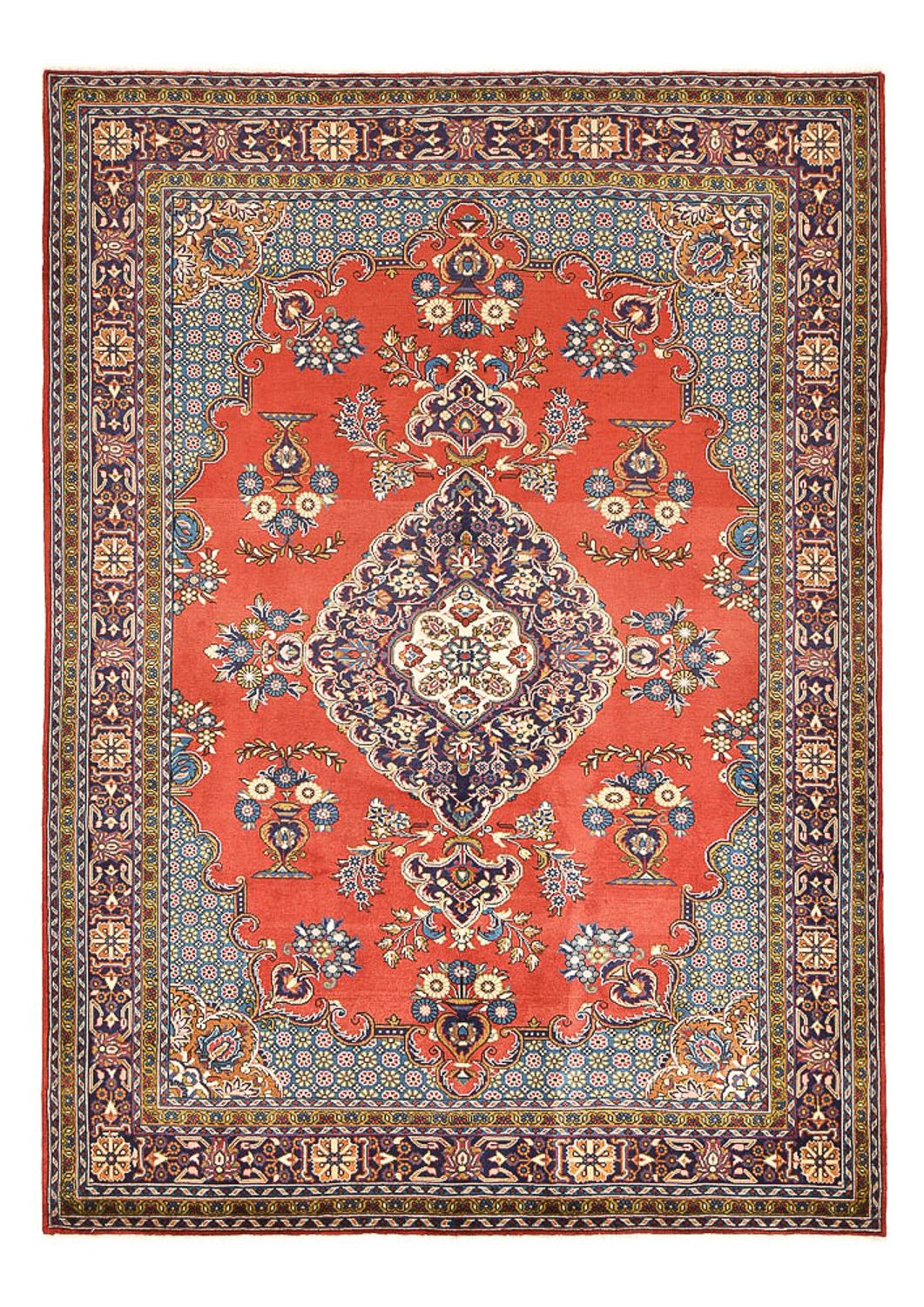
Golpayegan rugs come from the eponymous town in Isfahan Province and resemble Hamadan pieces but with finer knotting.
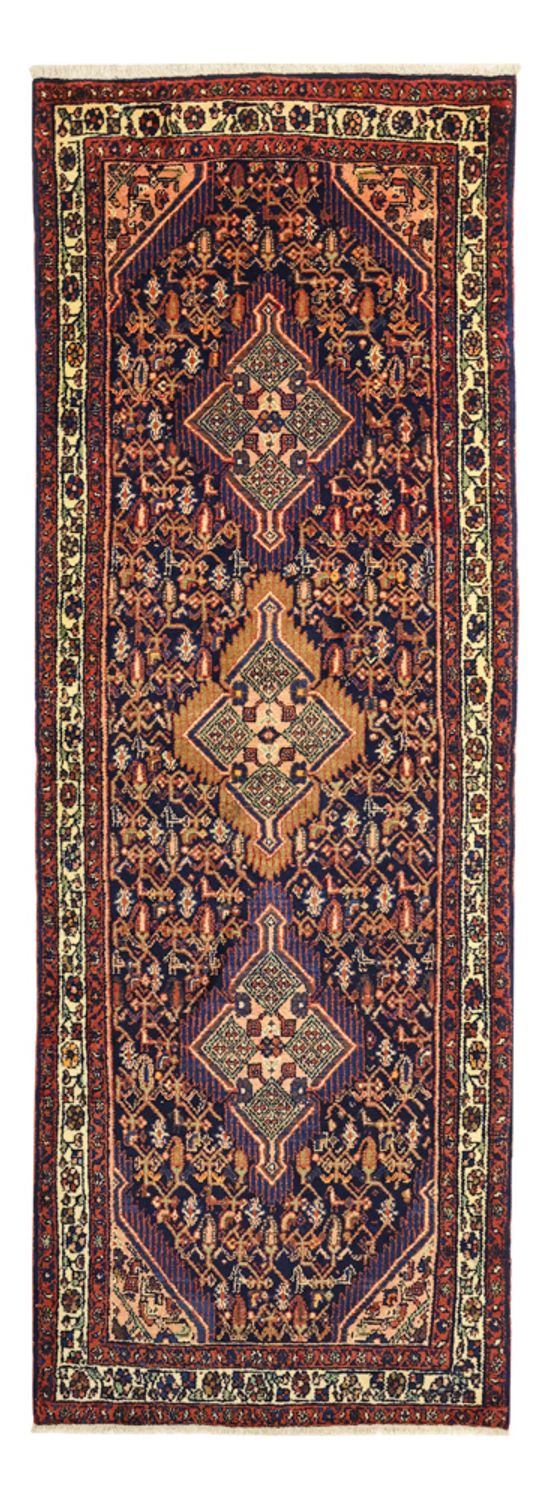
Hosseinabad rugs come from a village in Hamadan Province and show classic Herati patterns in the typical Hamadan single-weft weave.
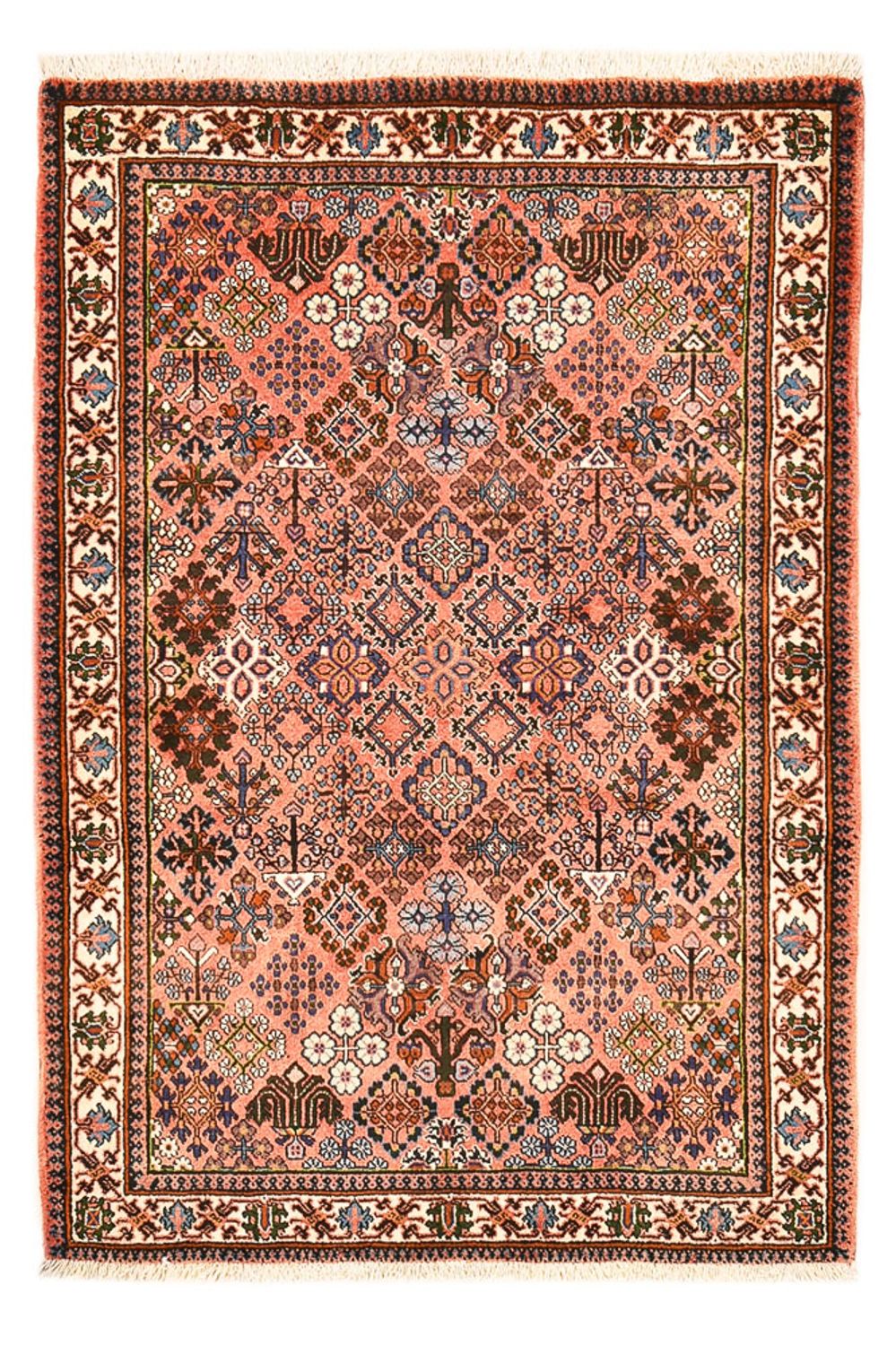
Joshaghan rugs come from a village near Kashan and stand out with their distinctive diamond lattice in finely knotted compartments.
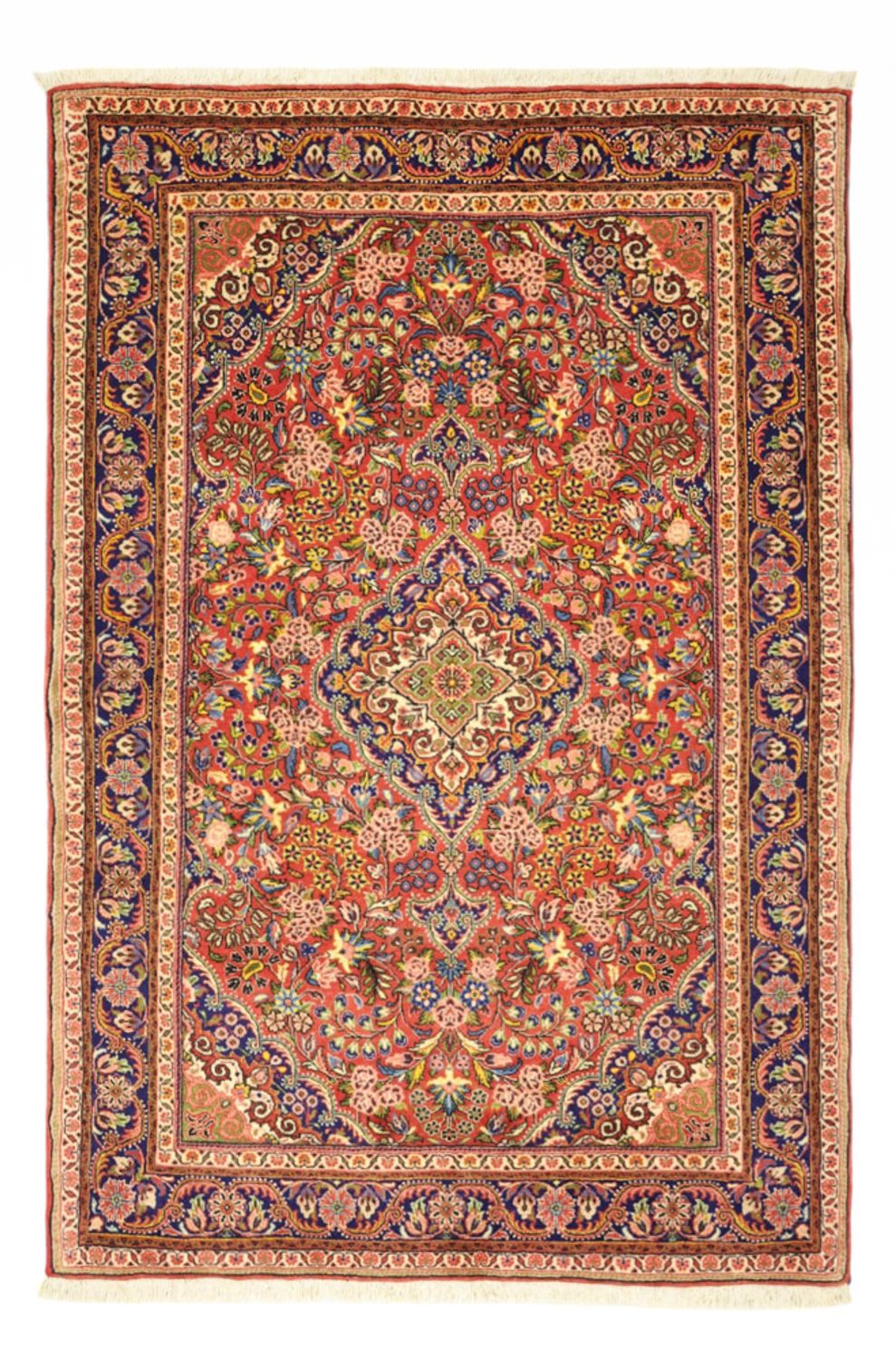
Jozan rugs come from the Malayer district of Hamadan Province and combine classic Sarouk-style medallions with sturdy village quality.
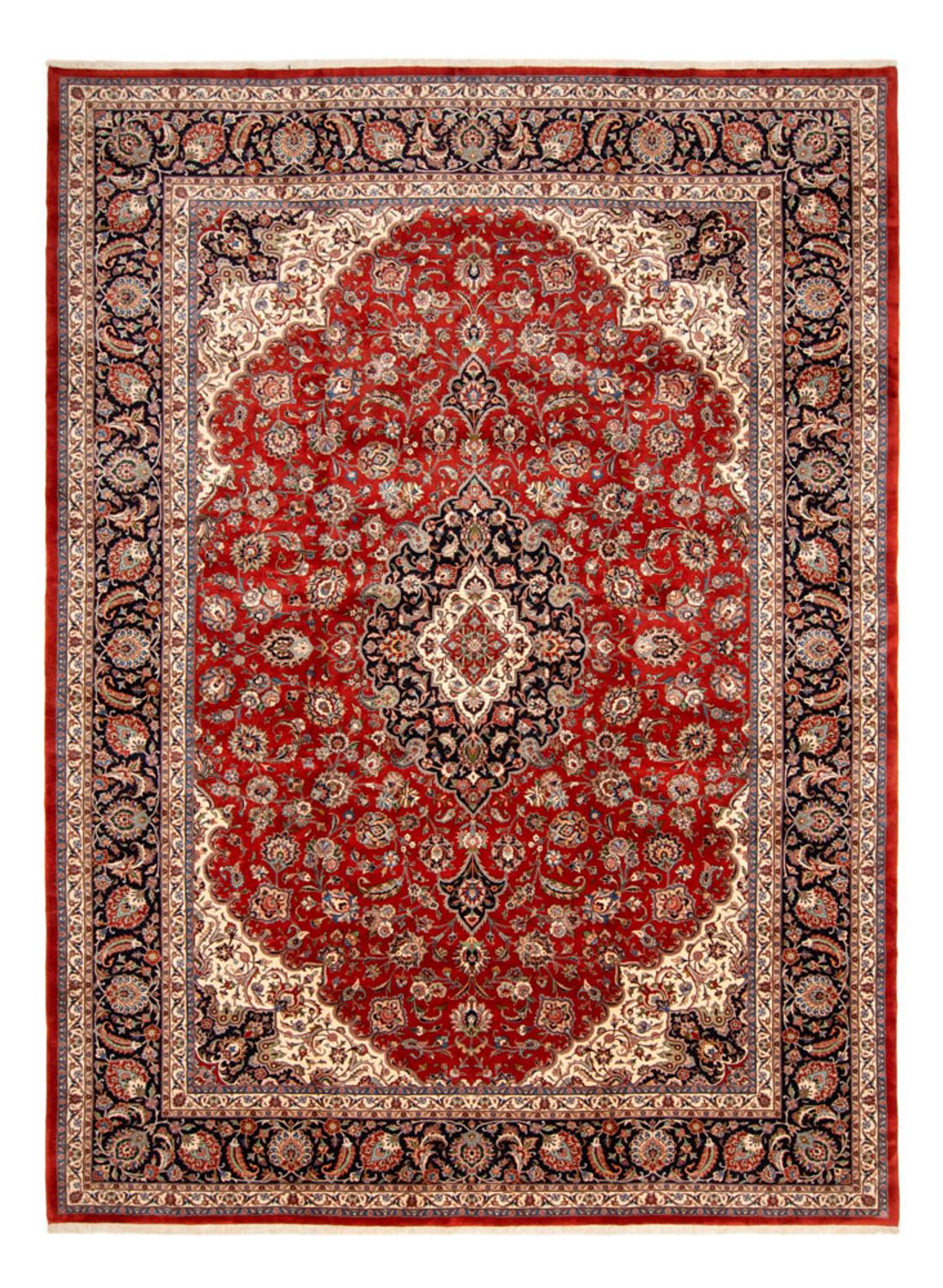
Kashmar rugs come from northeastern Iran and are popular for their floral garden designs and balanced palette.
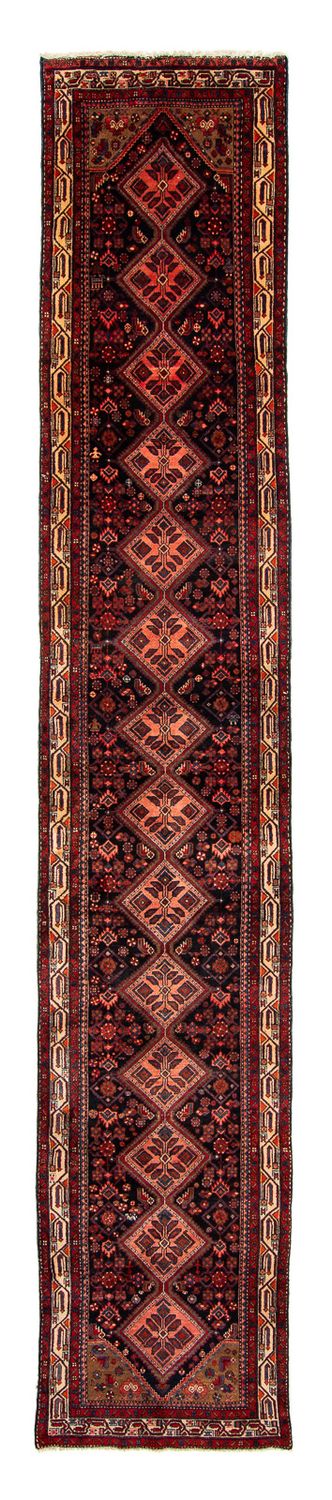
Klardasht rugs are produced in the Caspian highlands and are characterized by warm earth tones and tribal medallions.
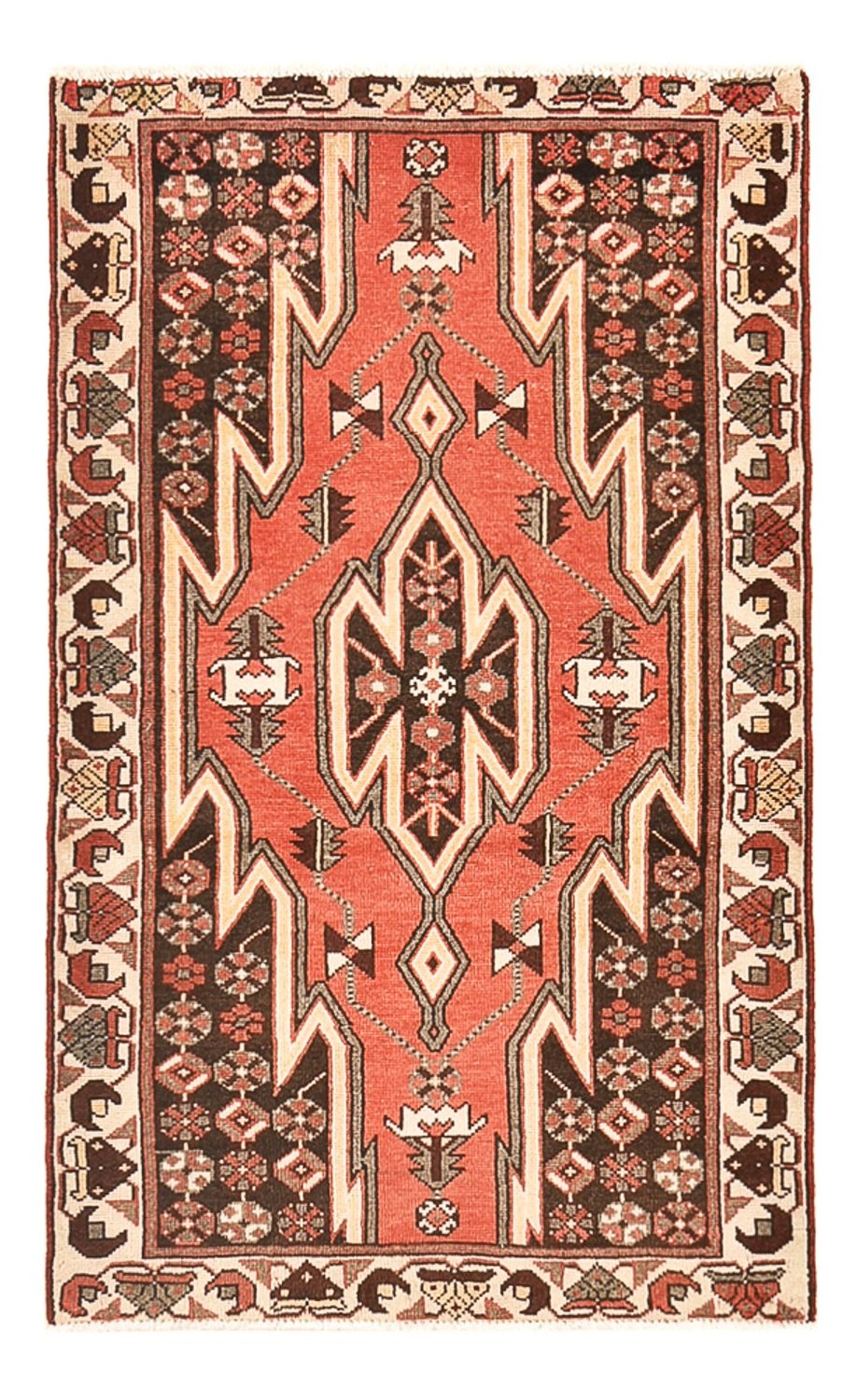
Lilian rugs come from a village in the Markazi province and show classic Sarouk-style floral medallions in compact sizes.
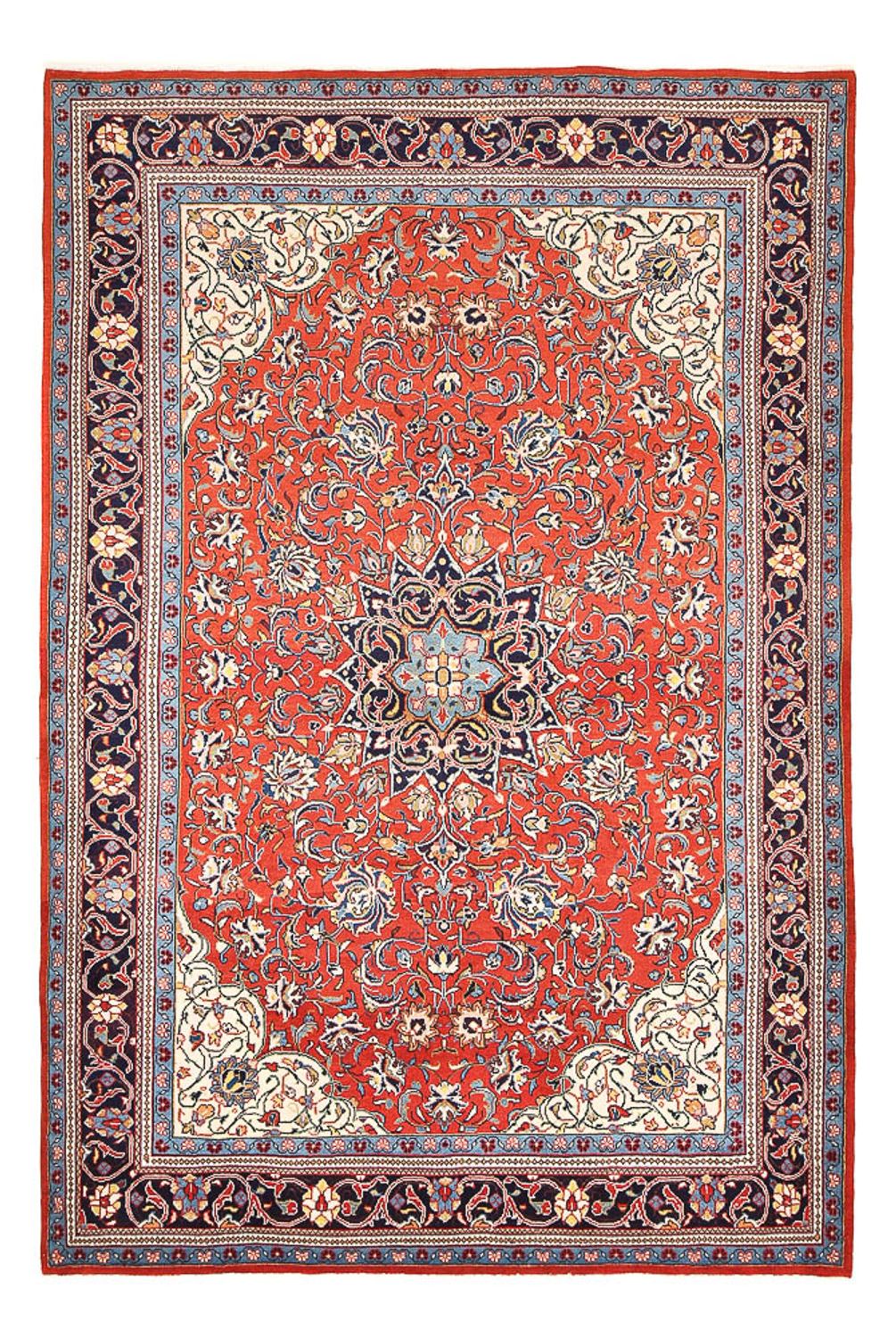
Mahal rugs come from the Arak region (historic Sultanabad) and combine open all-over floral fields with antique appeal.
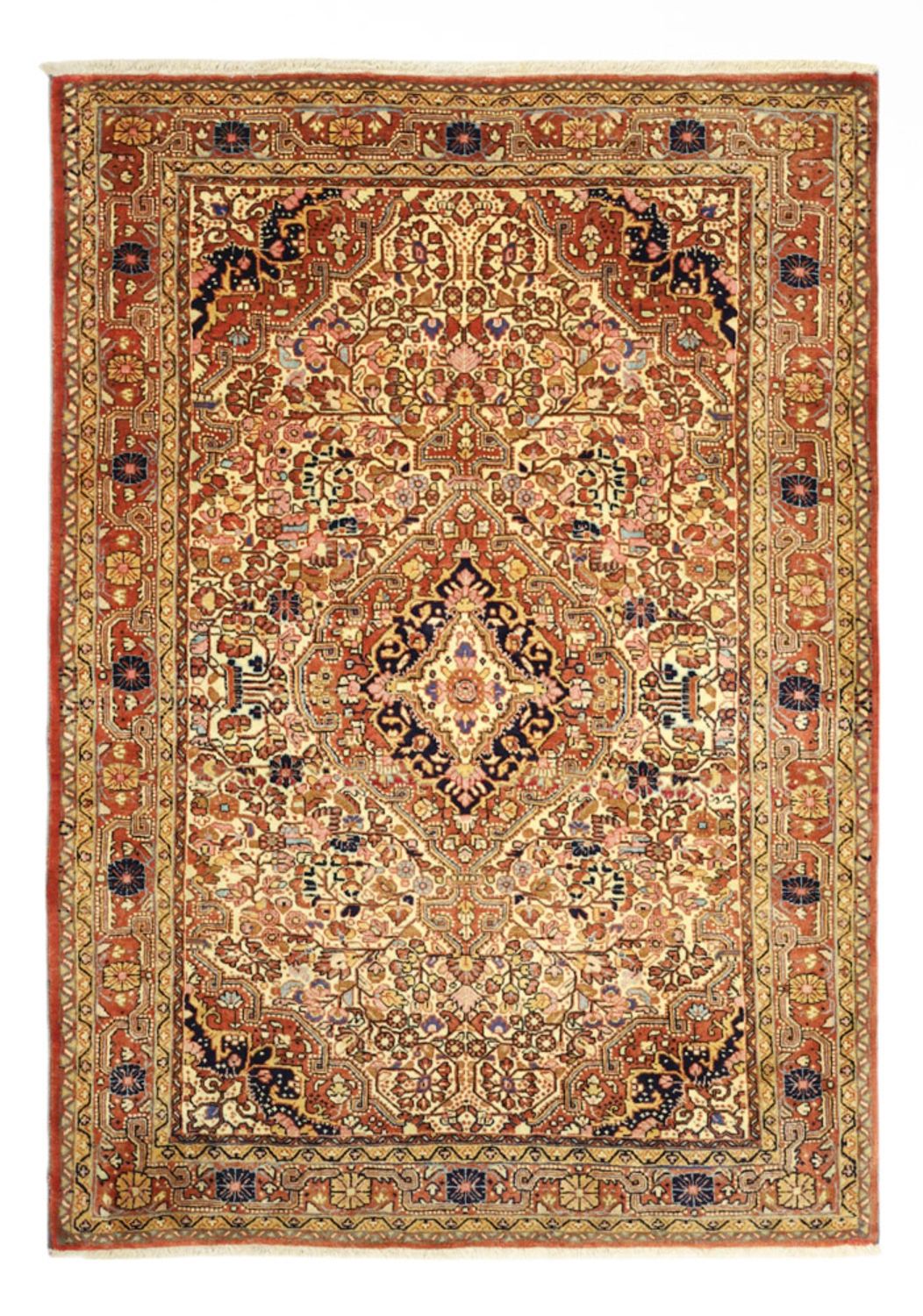
Malayer rugs come from the eponymous town in Hamadan Province and are appreciated for their classic Herati patterns and good value.
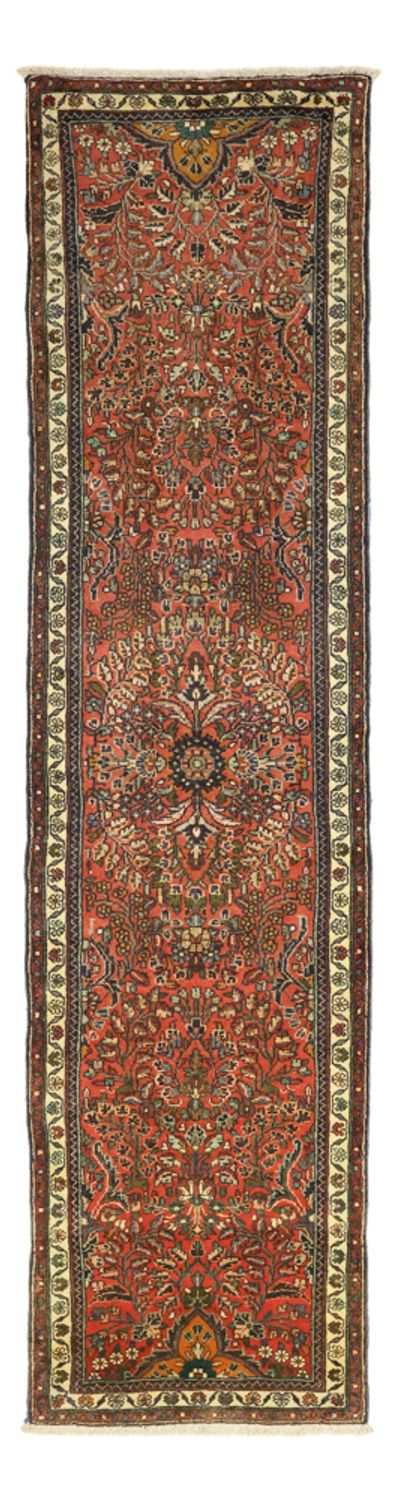
Mehraban rugs come from a village in East Azerbaijan and show robust geometric medallions related to Heriz pieces.
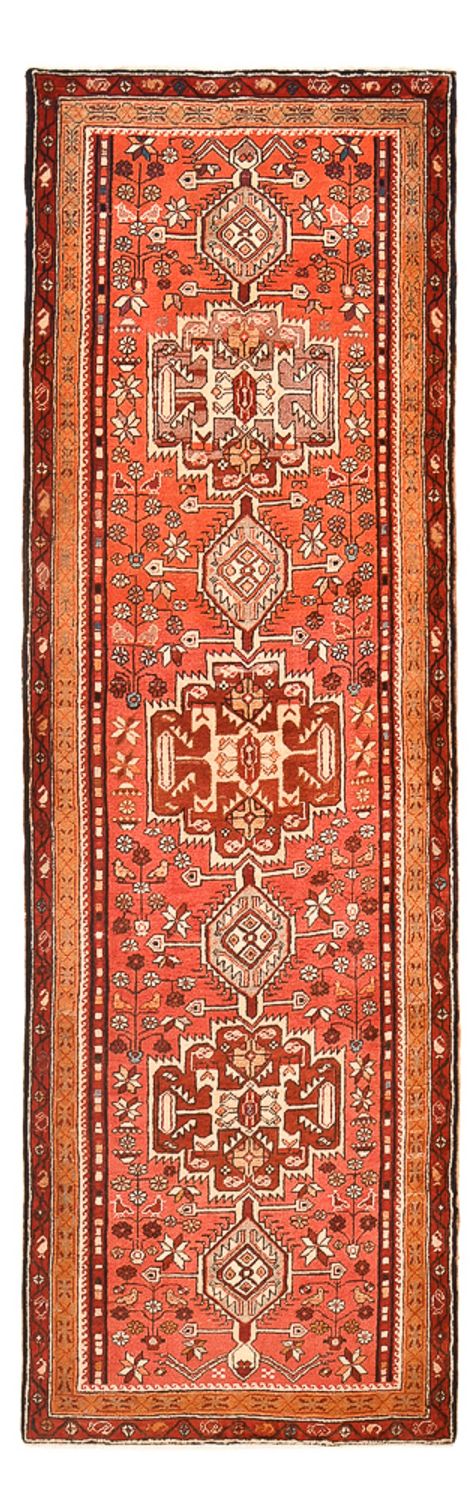
Meshkin rugs from northwestern Iran show bold geometric patterns and the strong red palette typical of the Sabalan region.
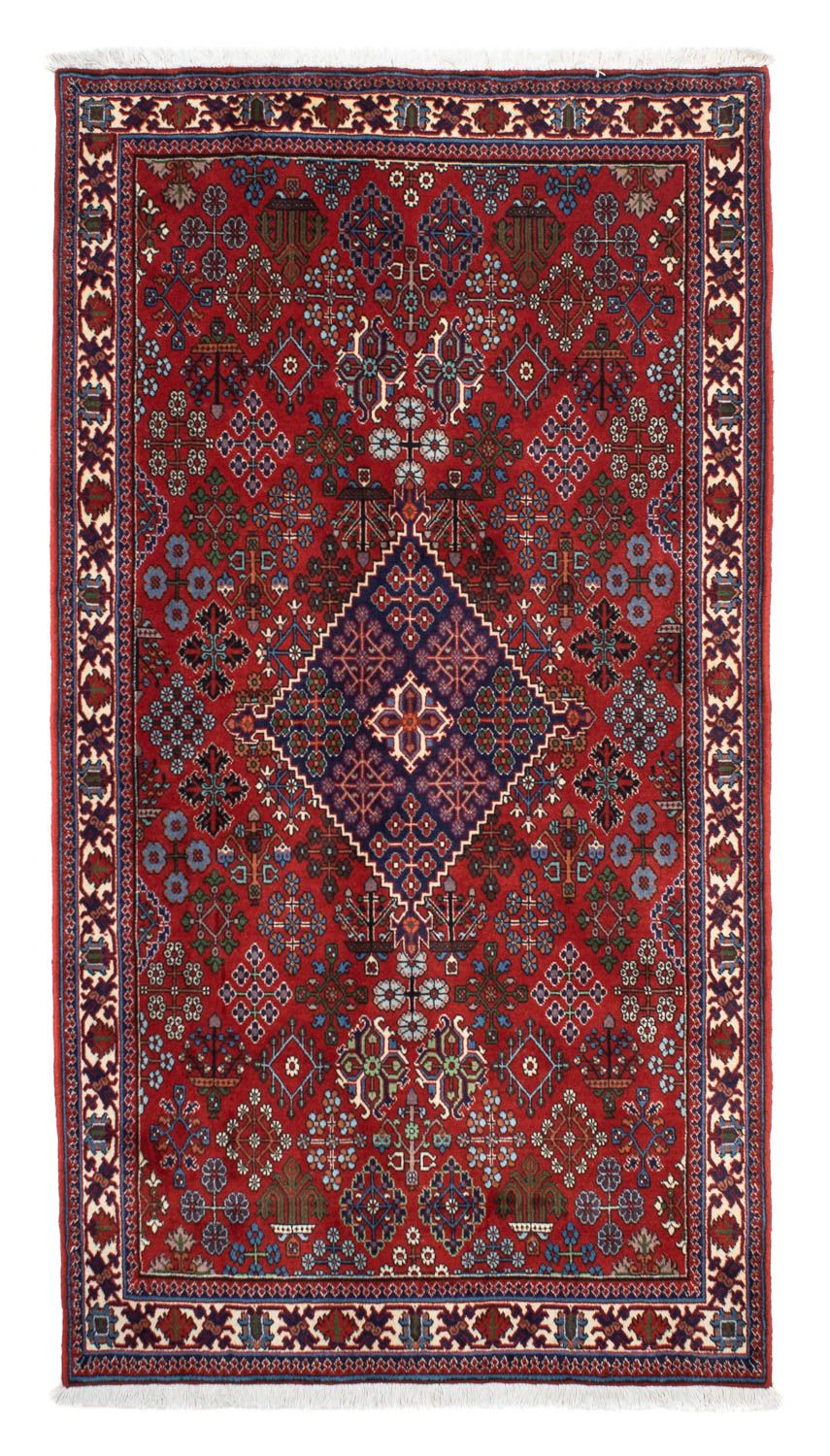
Meymeh rugs come from a small village in Isfahan Province and are appreciated for their detailed floral medallions in small to medium sizes.
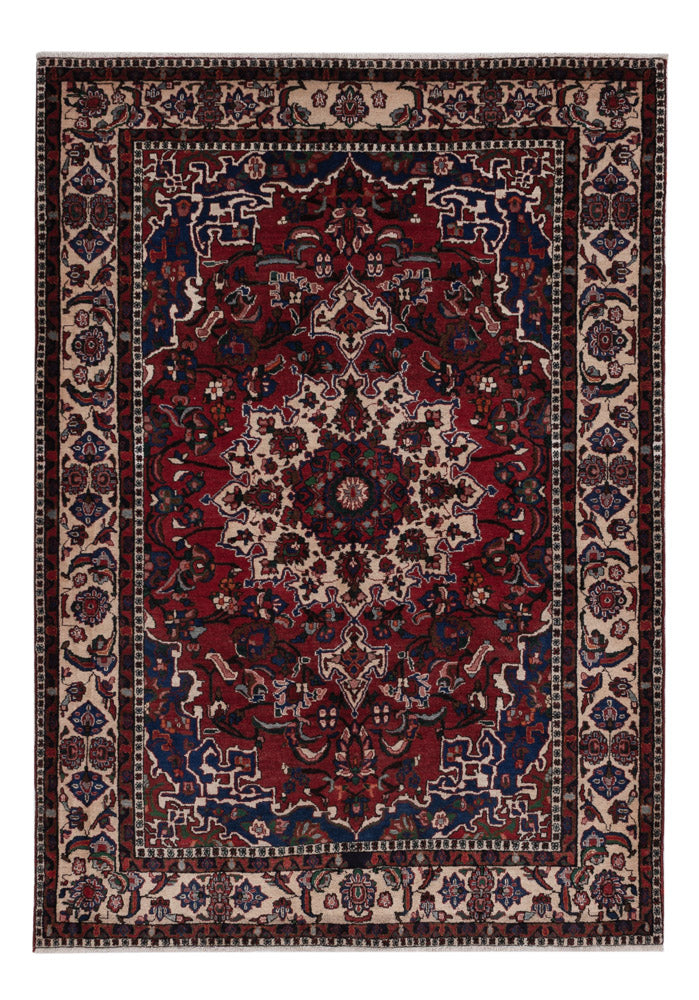
Najafabad rugs come from the Isfahan area and offer Isfahan-style floral compositions at more accessible quality grades.
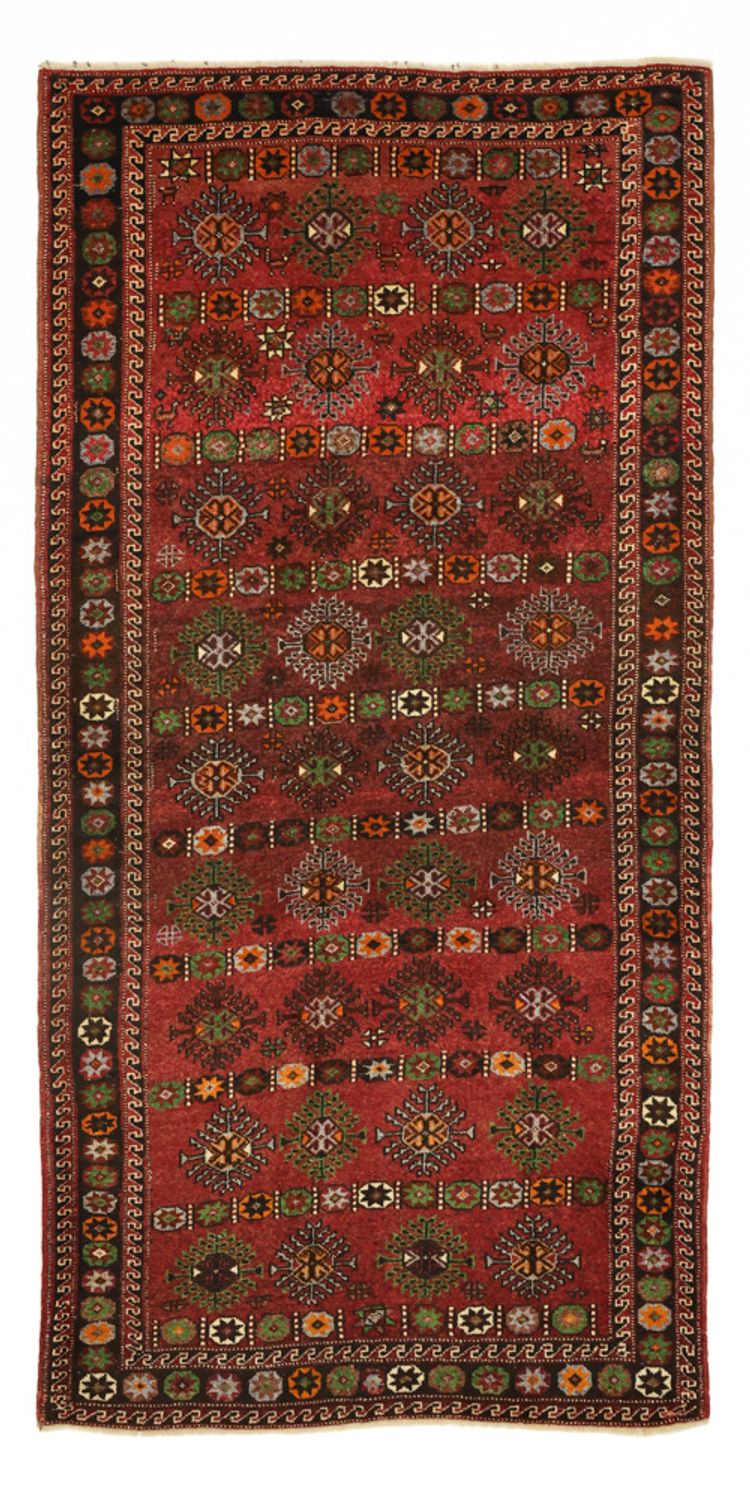
Karaja rugs come from the Arasbaran forests of East Azerbaijan and show simple geometric medallions in long runner formats.
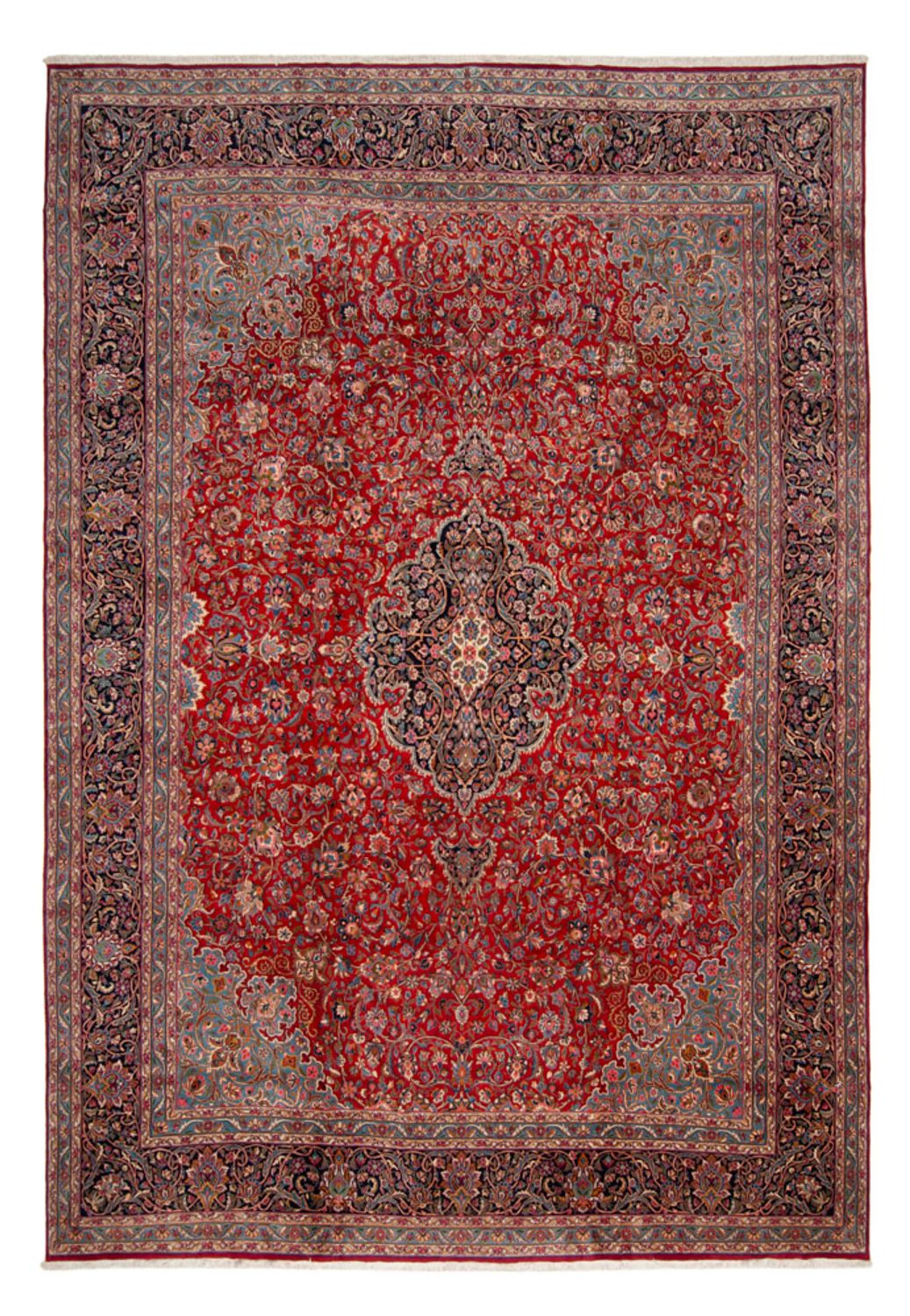
Rafsanjan rugs come from the Kerman pistachio town and show floral compositions related to Kerman pieces but in coarser knotting.
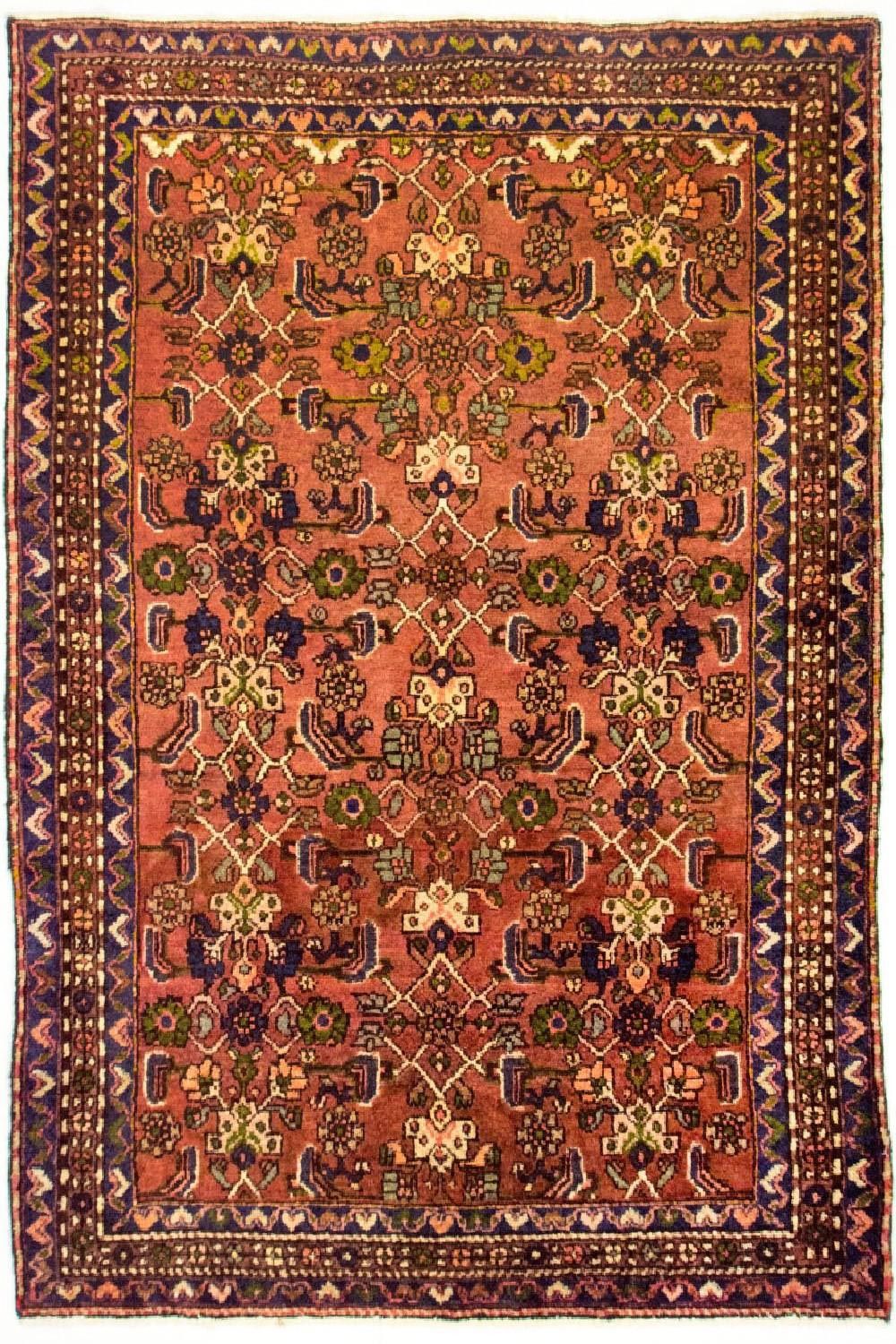
Rudbar rugs come from the Manjil area in Gilan Province and combine simple geometric motifs with the typical Caspian palette.
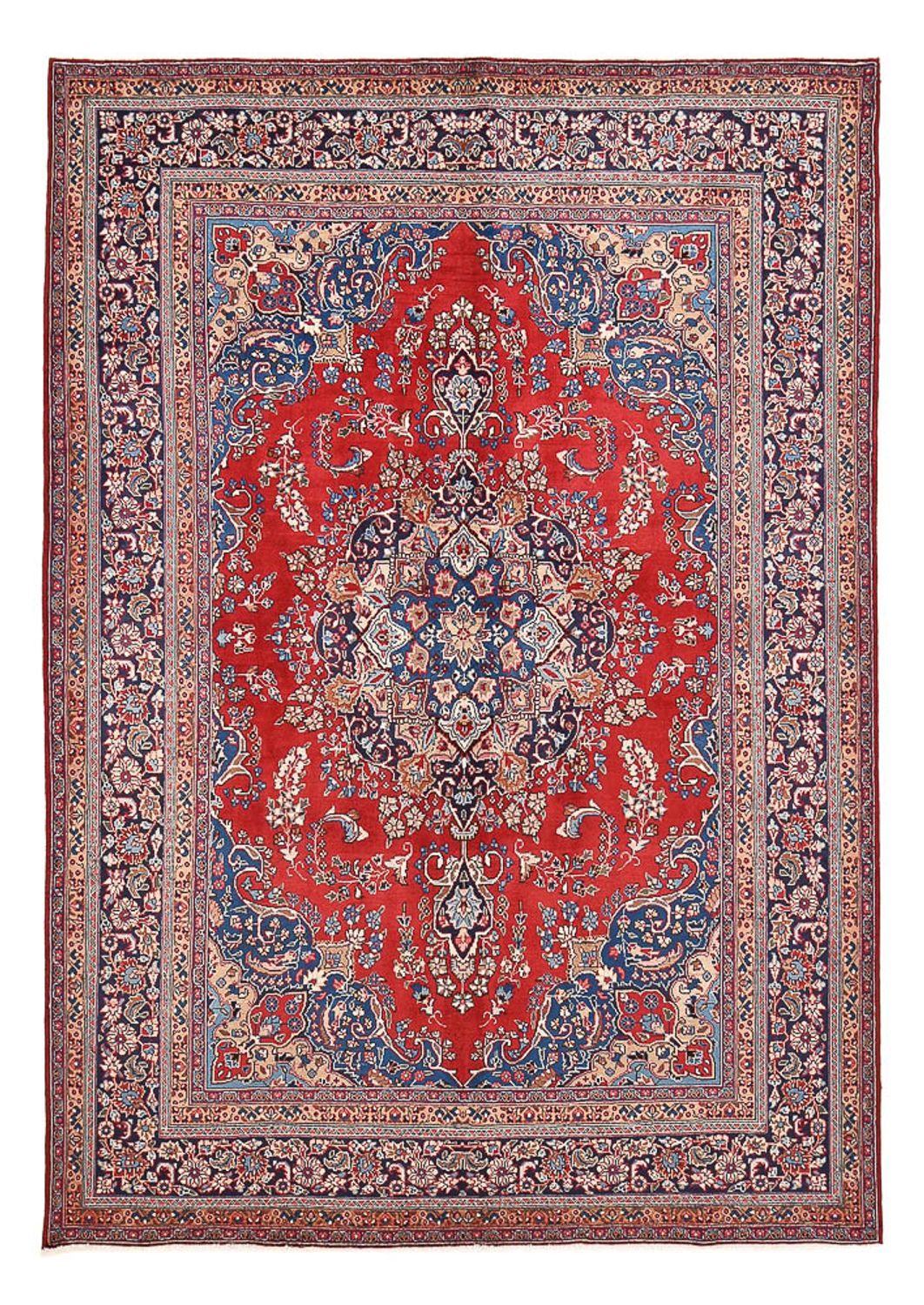
Sabzevar rugs come from Razavi Khorasan and are known for their Mashhad-style floral medallions at more accessible price points.
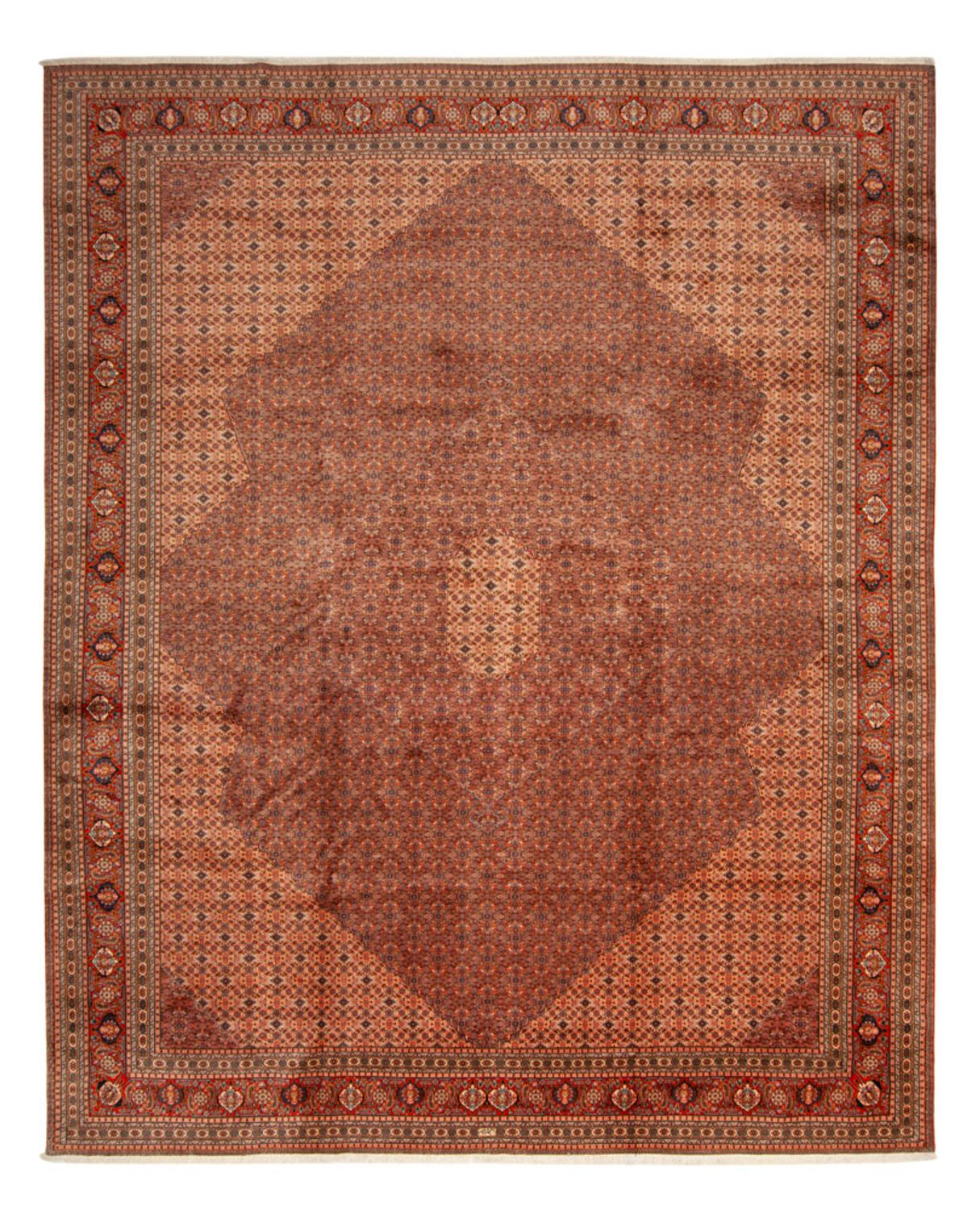
Sarab rugs come from East Azerbaijan and are typical for their long runner formats with camel-colored grounds.
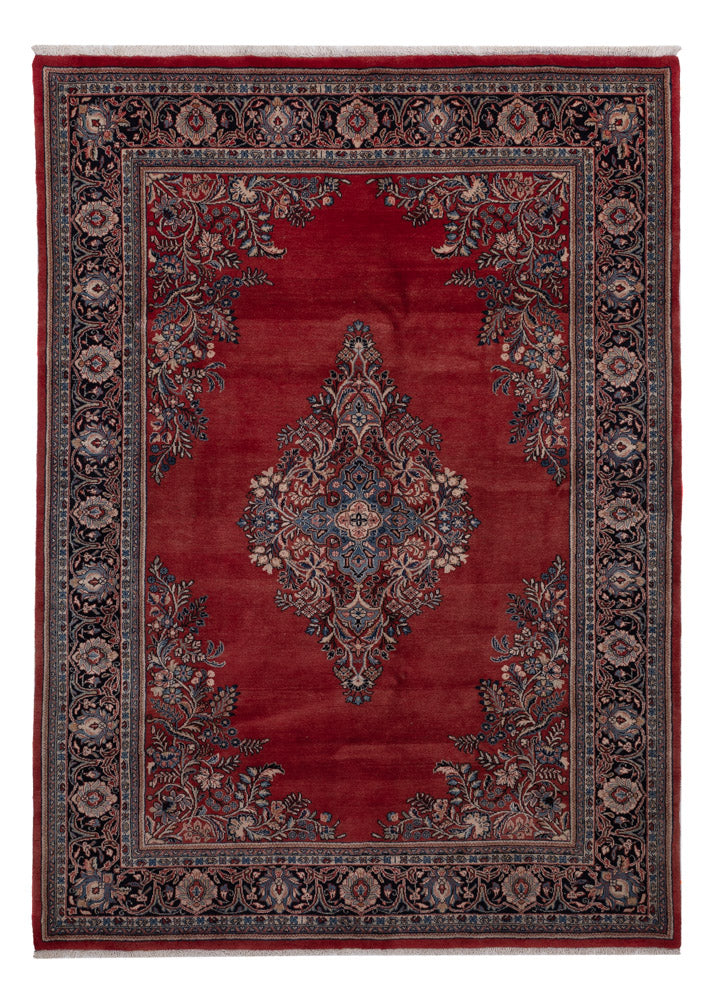
Sarouk rugs come from the Arak area and are classic floral Persian rugs with dense knotting and a deep red ground.
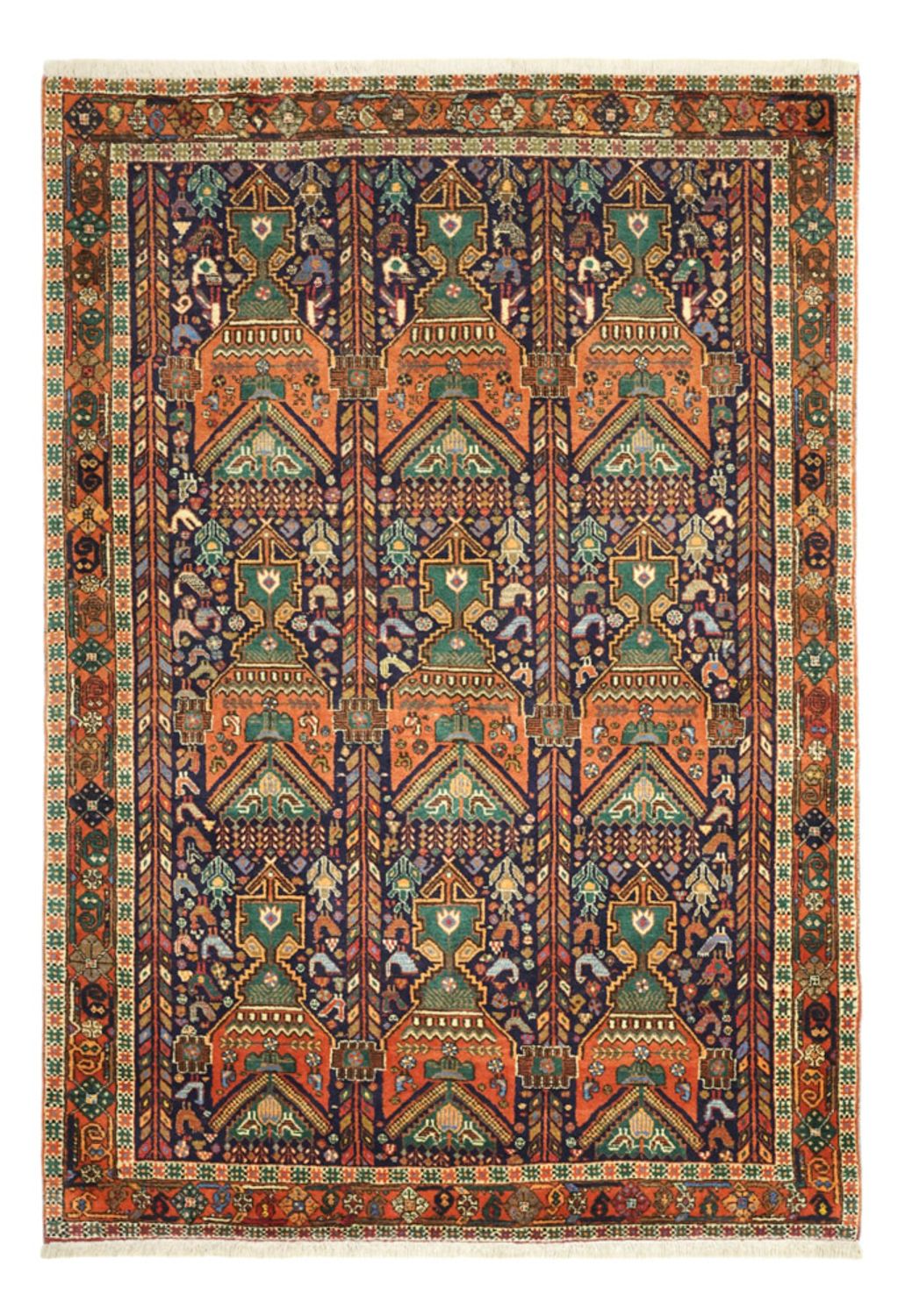
Shahr-e Babak rugs come from the cave village of Meymand area and combine Afshar tribal motifs with fine craftsmanship.
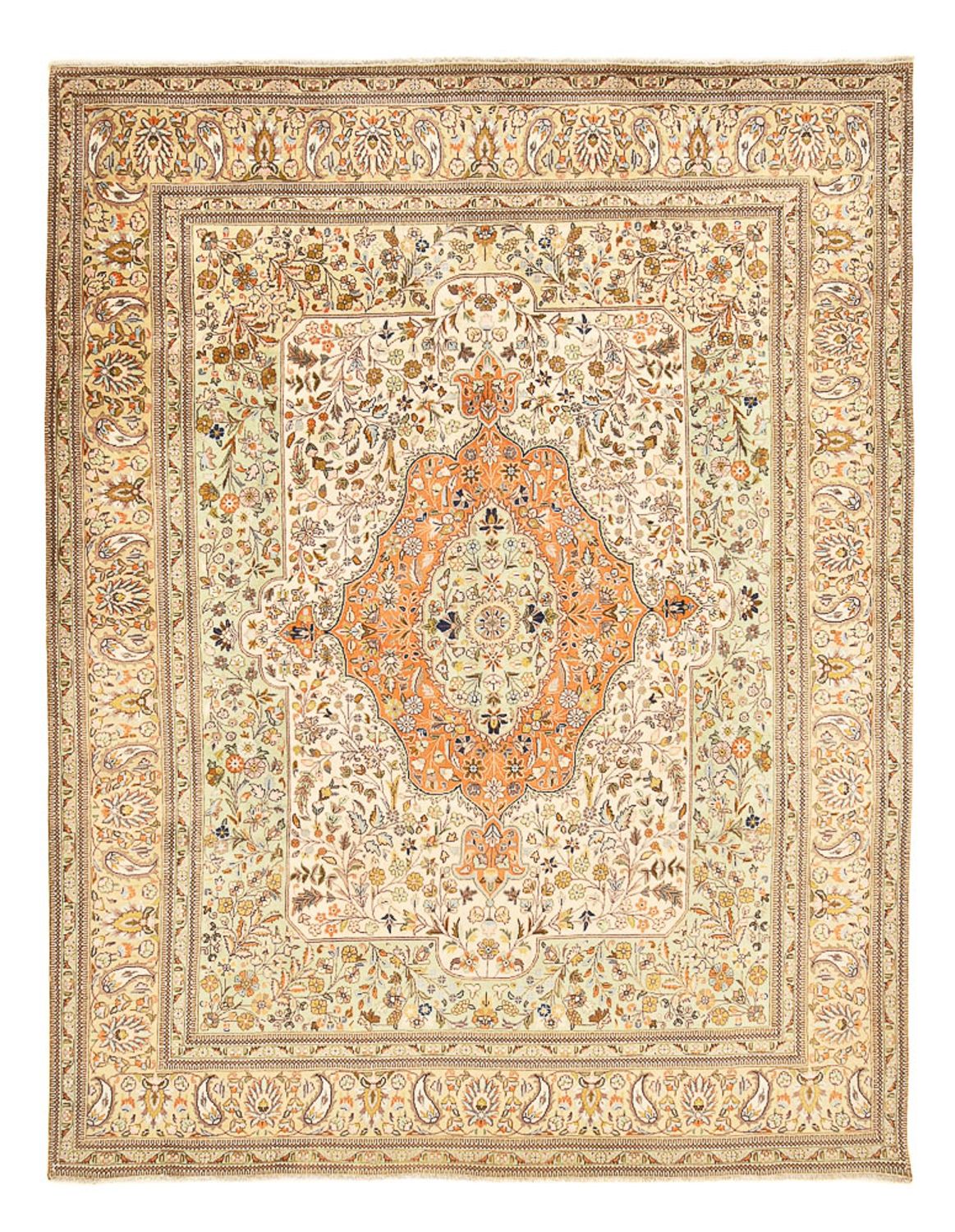
Tabatabai rugs are named after the renowned house in Kashan and represent the highest level of Kashan workshop quality.
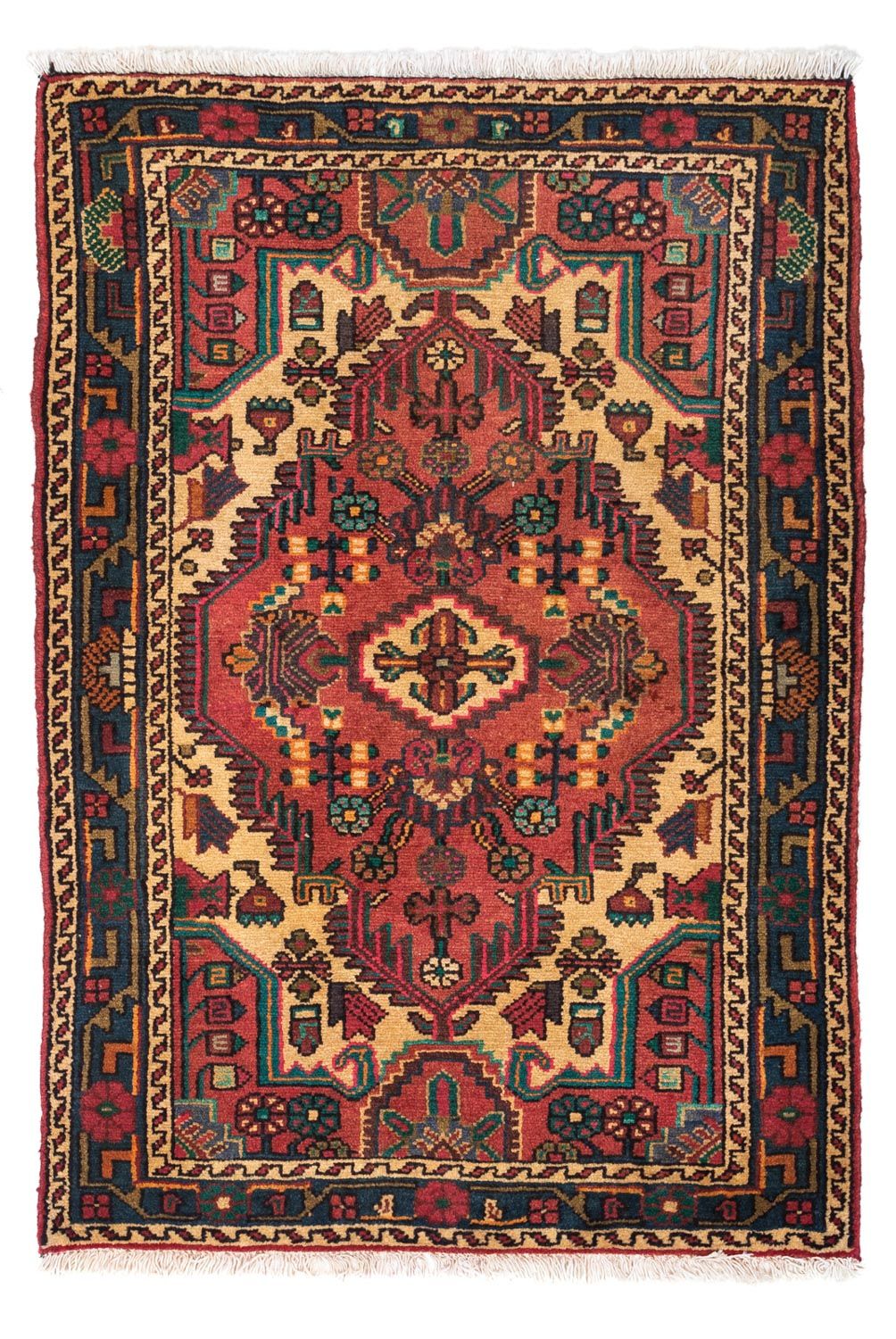
Tuyserkan rugs come from a small town in Hamadan Province and combine Hamadan single-weft weave with classic Herati patterns.
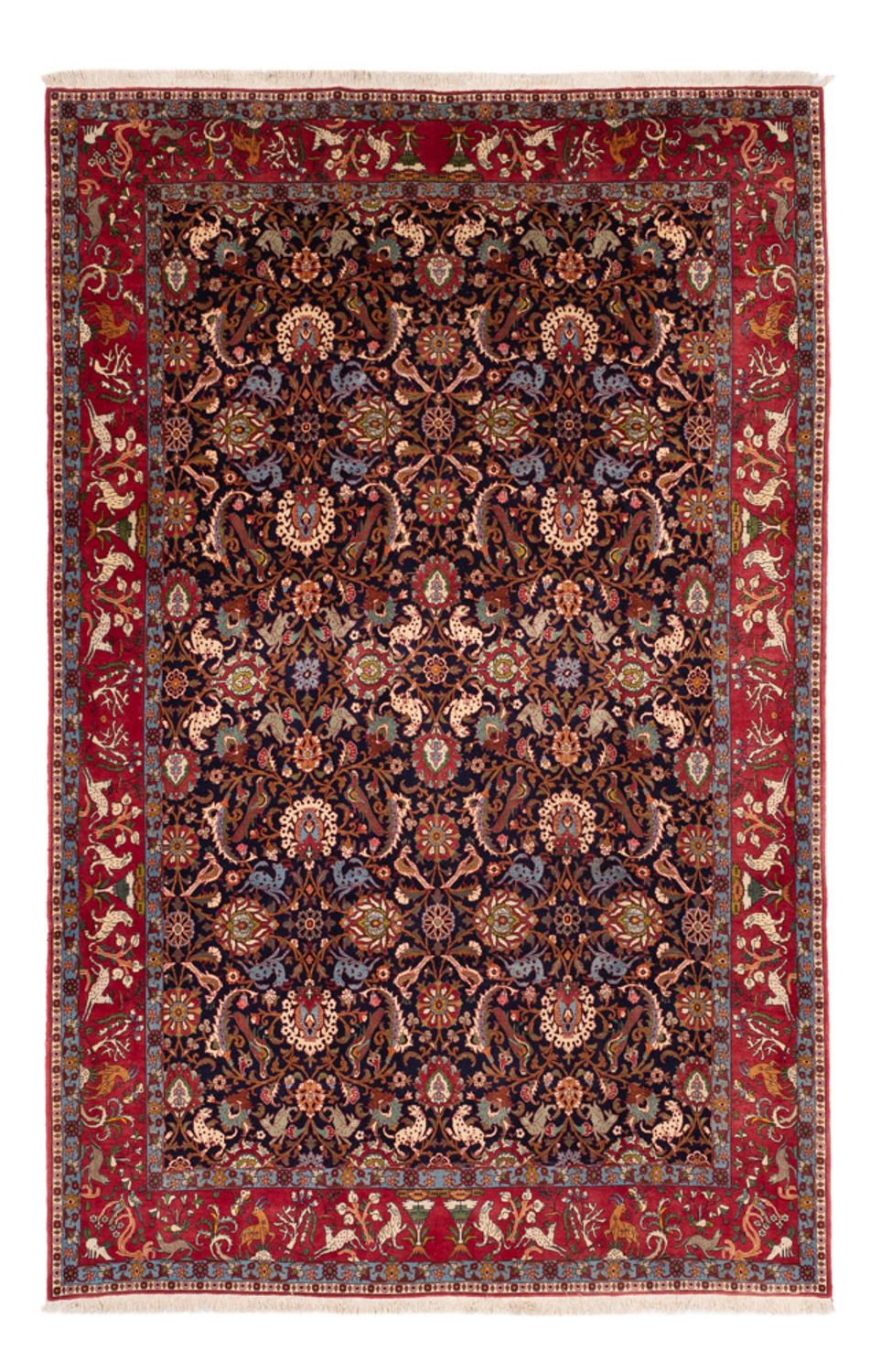
Varamin rugs are produced near Tehran and are appreciated for their fine all-over patterns and balanced colors.
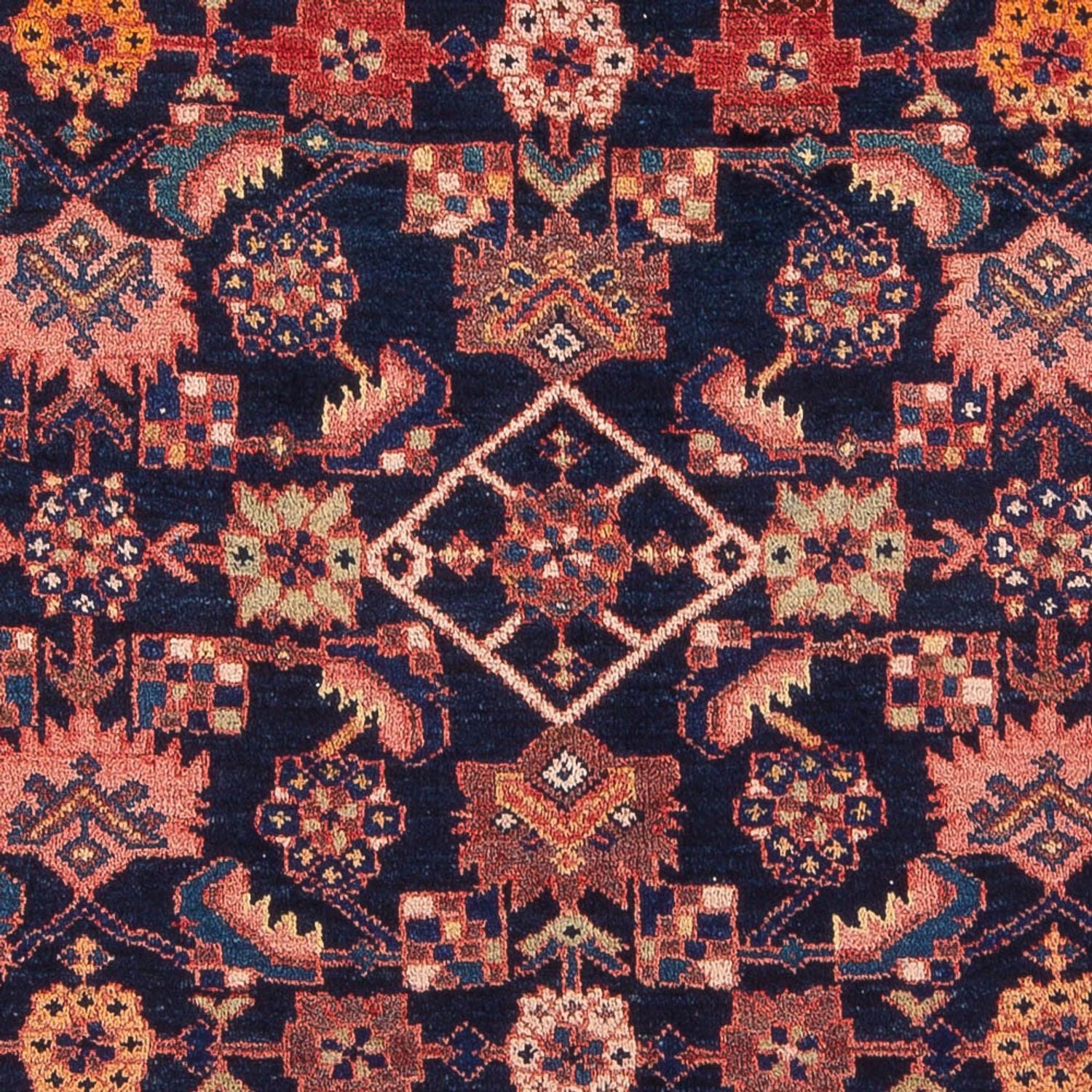
Viss rugs come from the Alvand mountains near Hamadan and combine simple geometric motifs with a robust pile.
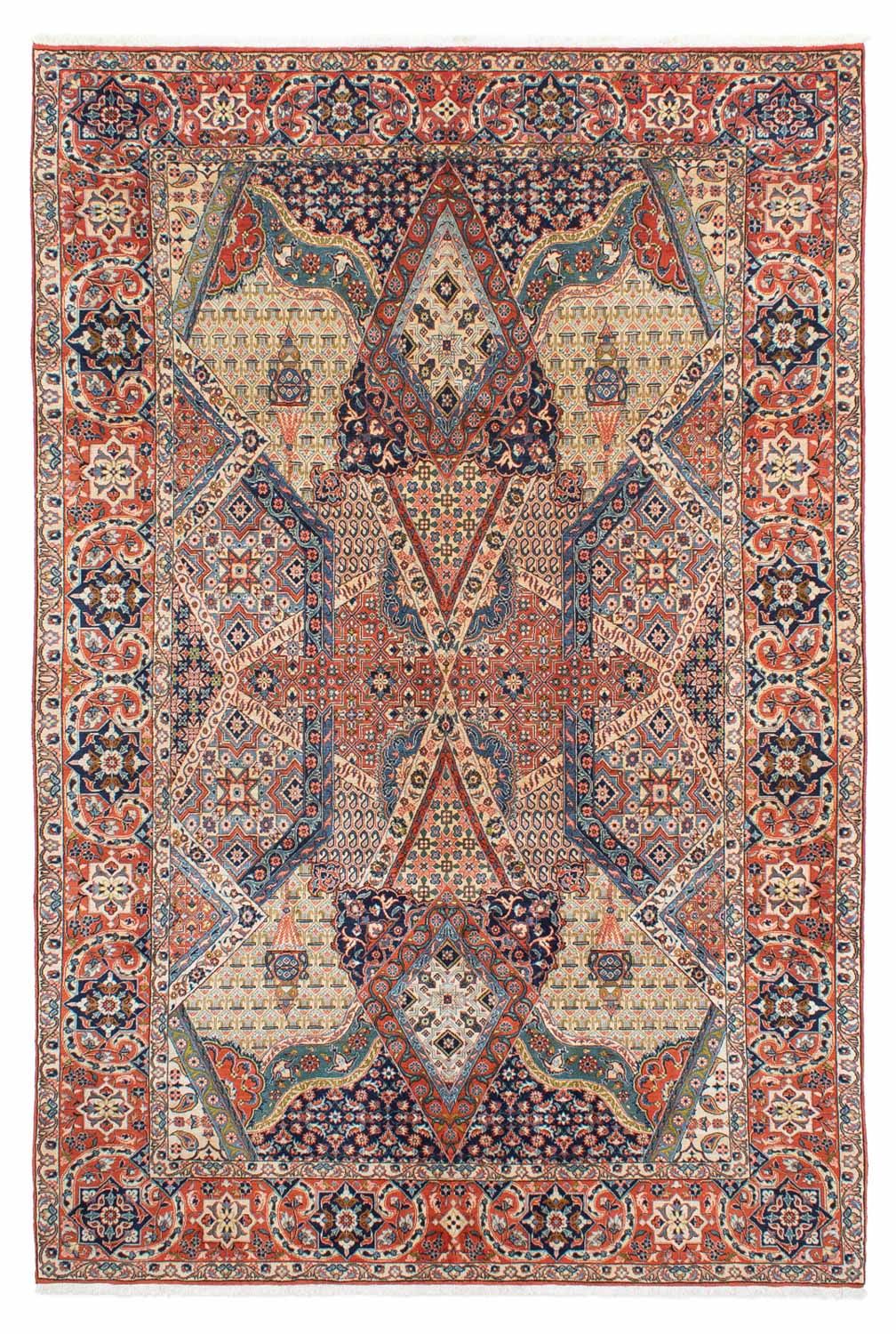
Yazd rugs come from the historic desert city and show floral medallions in the cool ivory-and-blue Yazd palette.
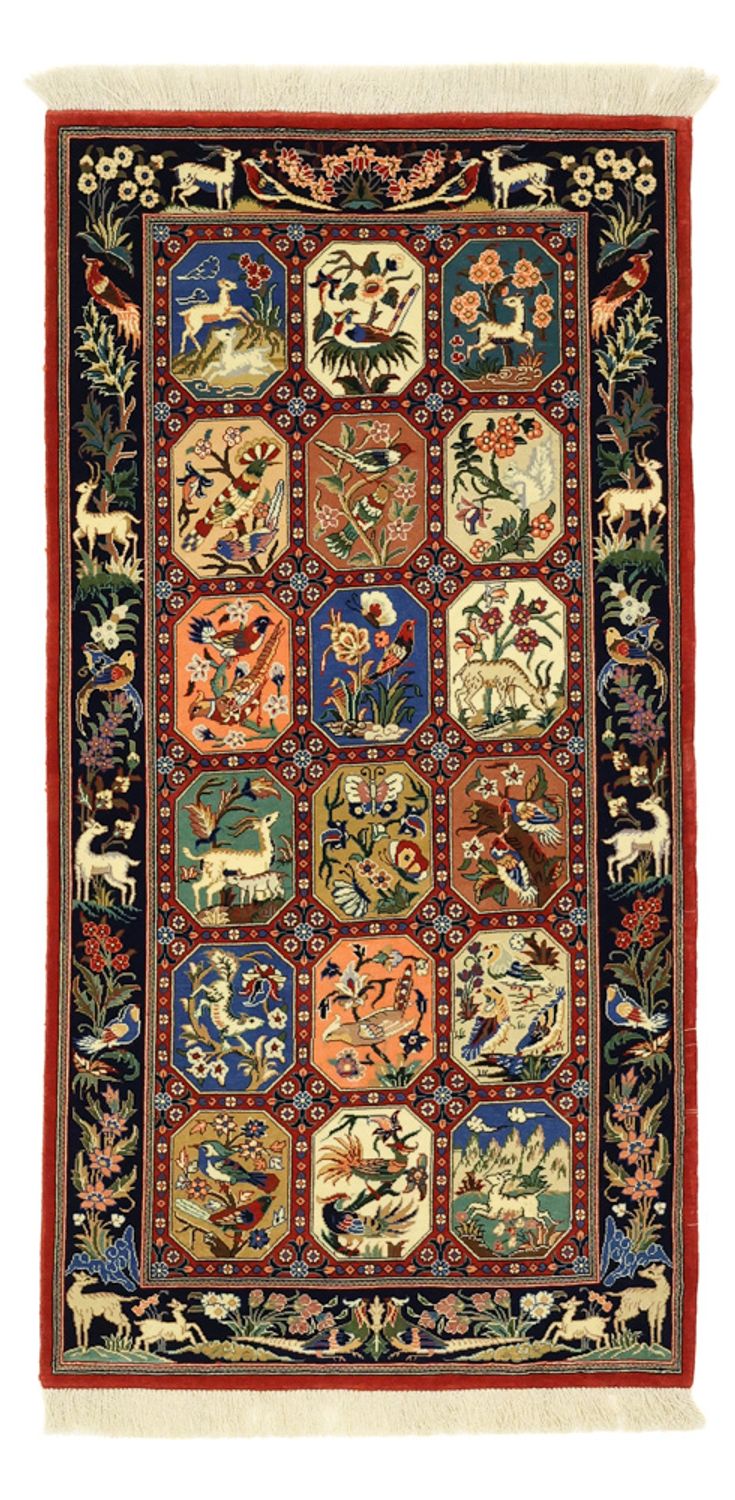
Ilam rugs come from the Zagros highlands of western Iran and combine Kurdish tribal motifs with a robust nomadic character.
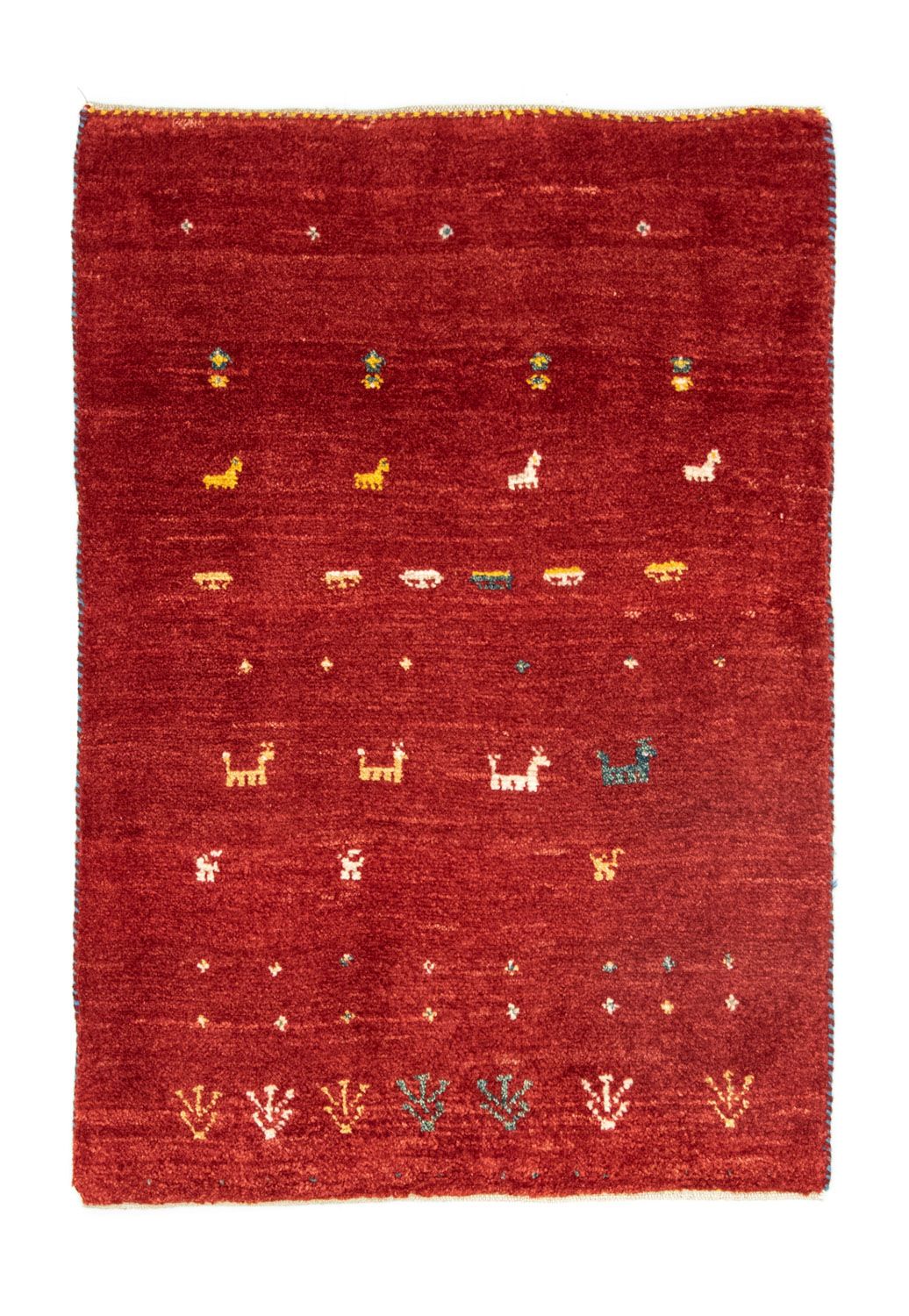
Kashkuli rugs are knotted by a refined Qashqai sub-tribe in Fars and show fine Qashqai medallions in cleaner workshop quality.
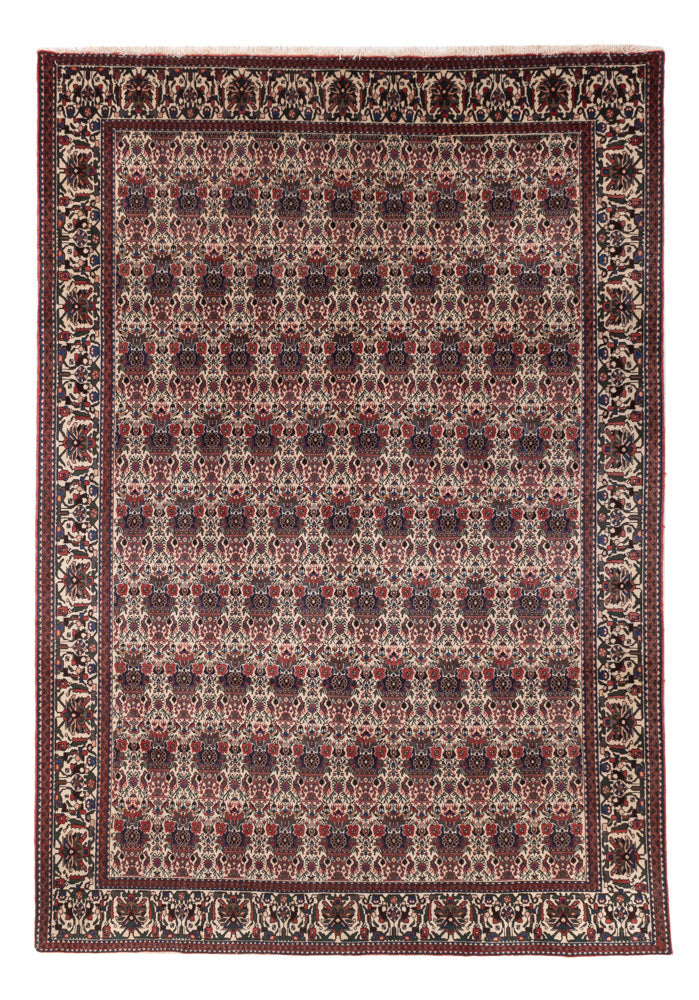
Yalameh rugs are knotted by a Qashqai sub-tribe in Fars and show diamond lattice fields full of nomadic symbols.
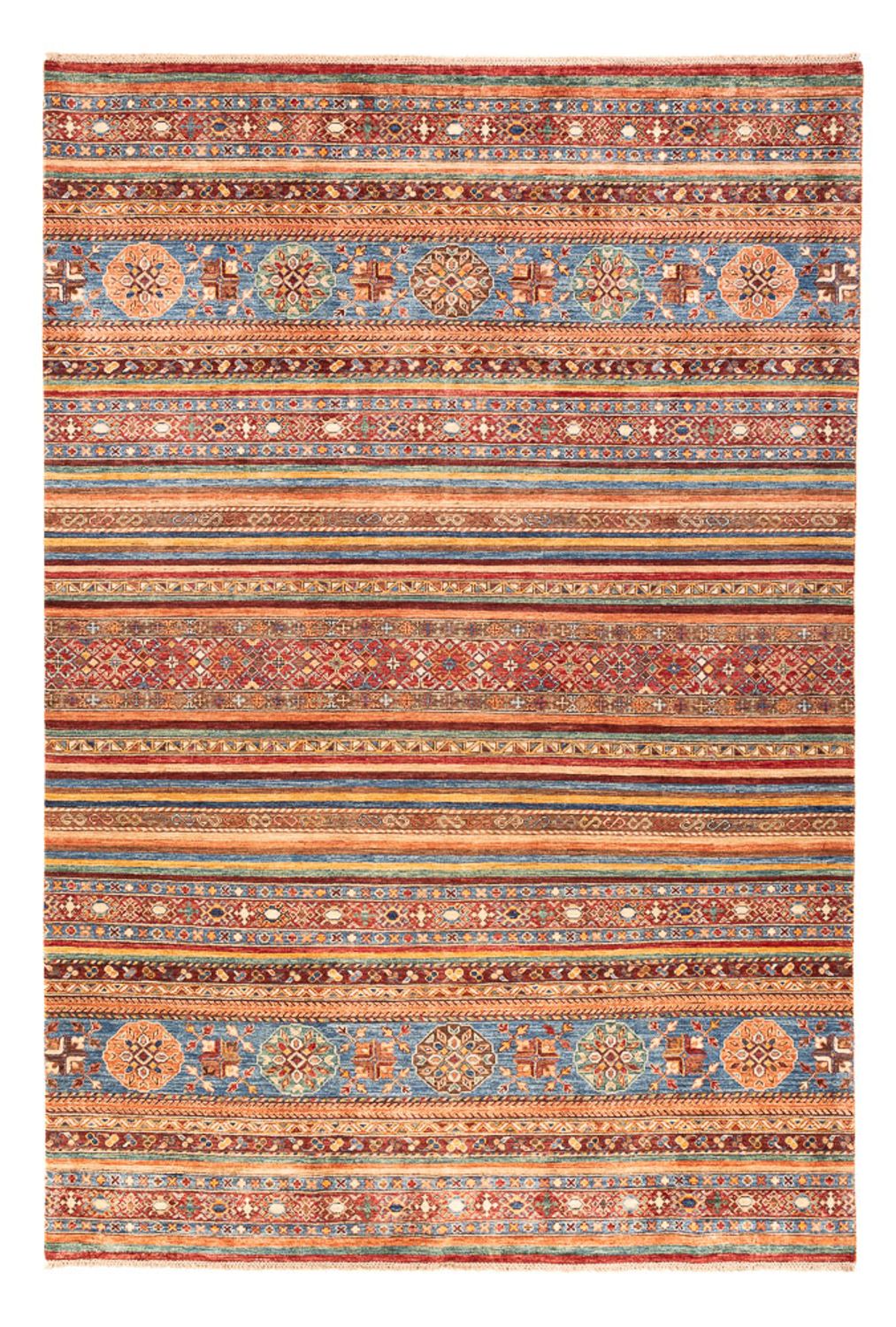
Shal rugs come from the Qazvin region and combine Kurdish tribal motifs with a finer workshop weave.
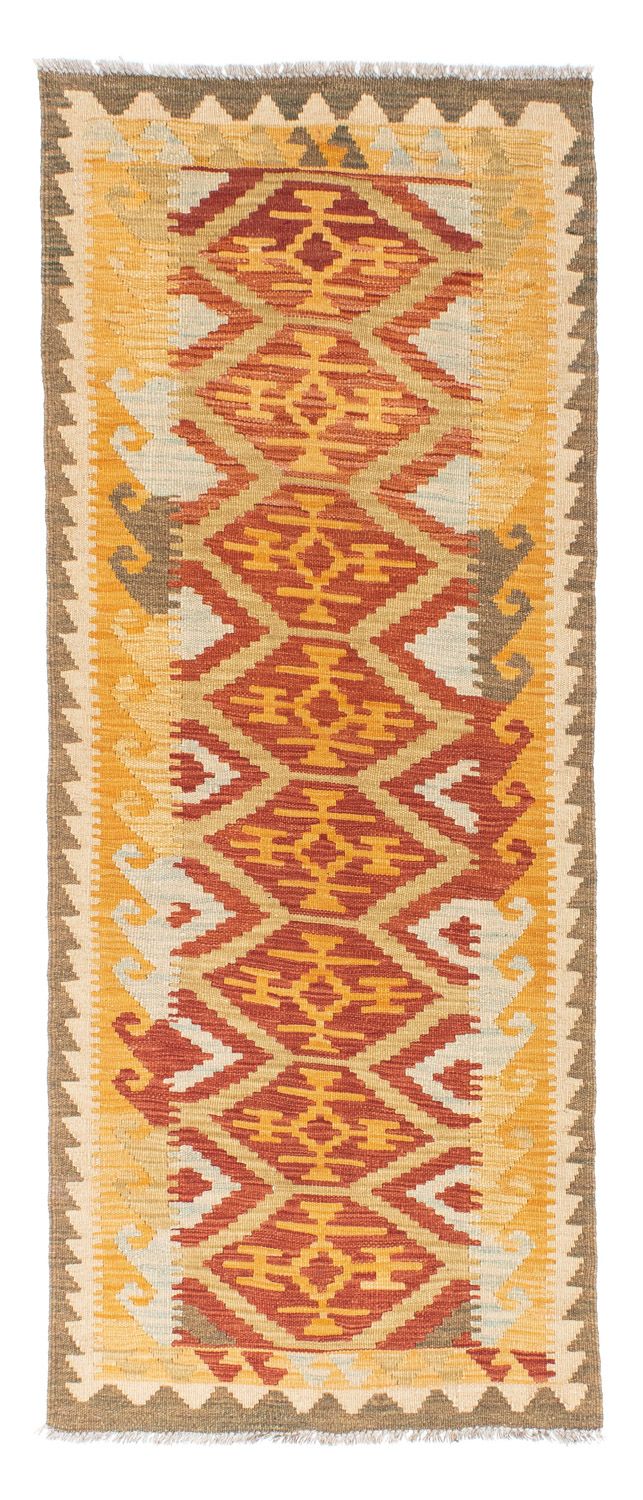
Fars kilims are flat-woven by Qashqai nomads in southern Iran and show vivid tribal motifs in a graphic style.
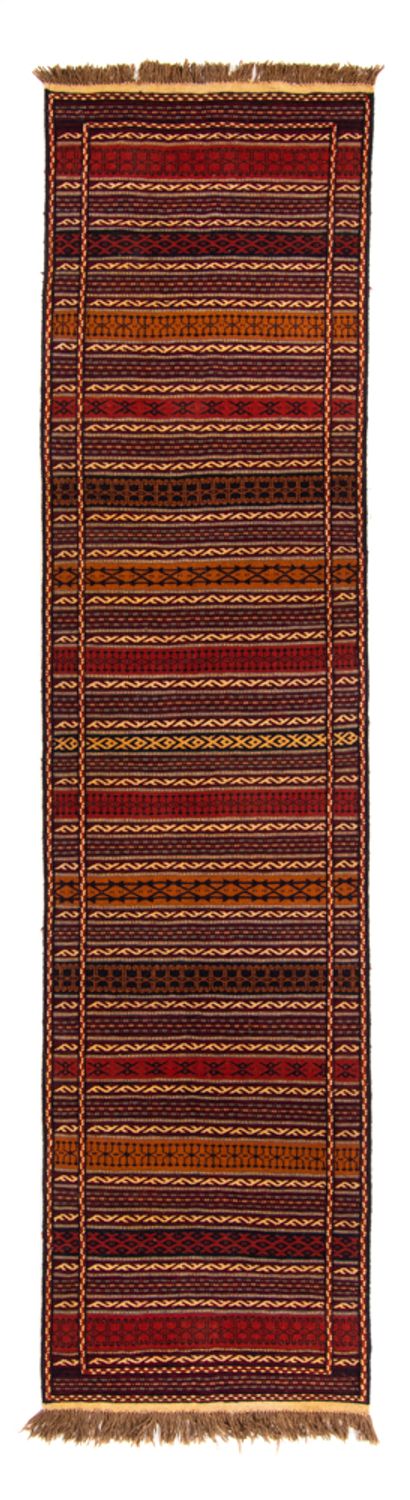
Senneh kilims from Iranian Kurdistan are among the finest flat-woven rugs, exceptionally thin and finely worked.
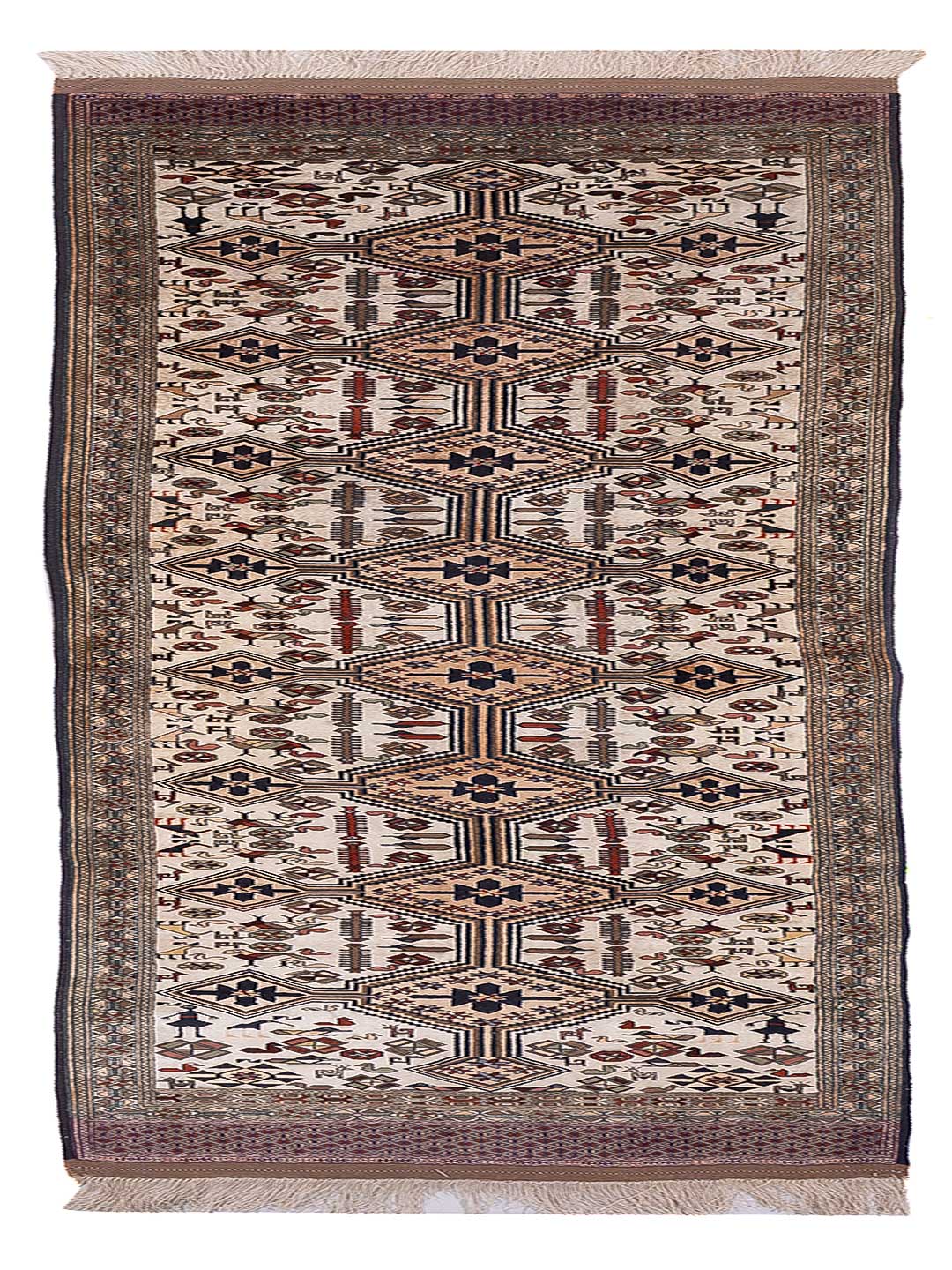
Silk kilims are flat-woven from pure silk and are among the most refined flat weaves, luminous and finely detailed.
The kilim is the pile-free woven rug of the Orient, reversible and lightweight. Overview of the main styles from Persia, Afghanistan, Anatolia and the Caucasus.
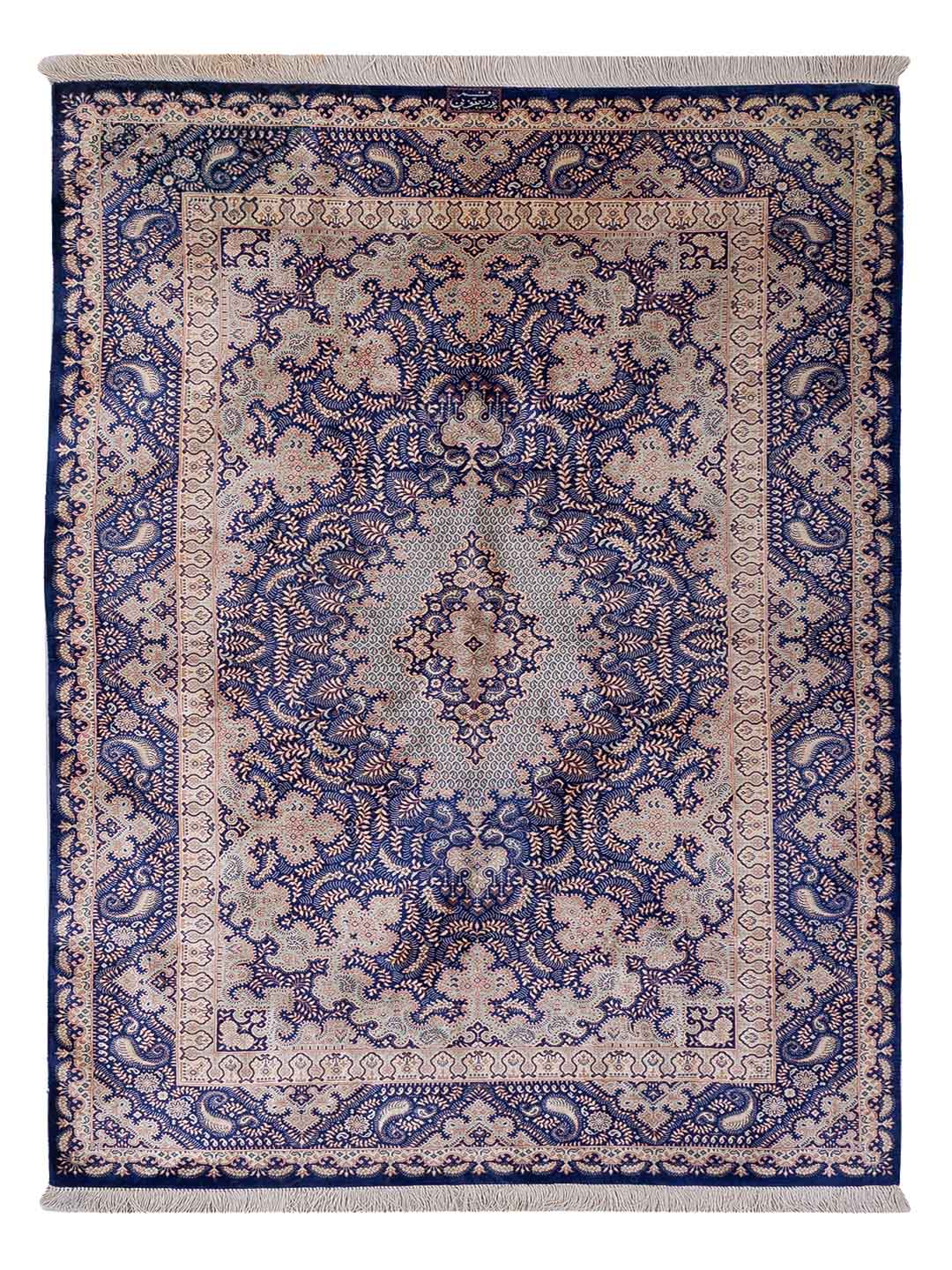
Qom silk rugs are knotted from pure silk in the holy city of Qom and rank among the world’s finest hand-knotted carpets.
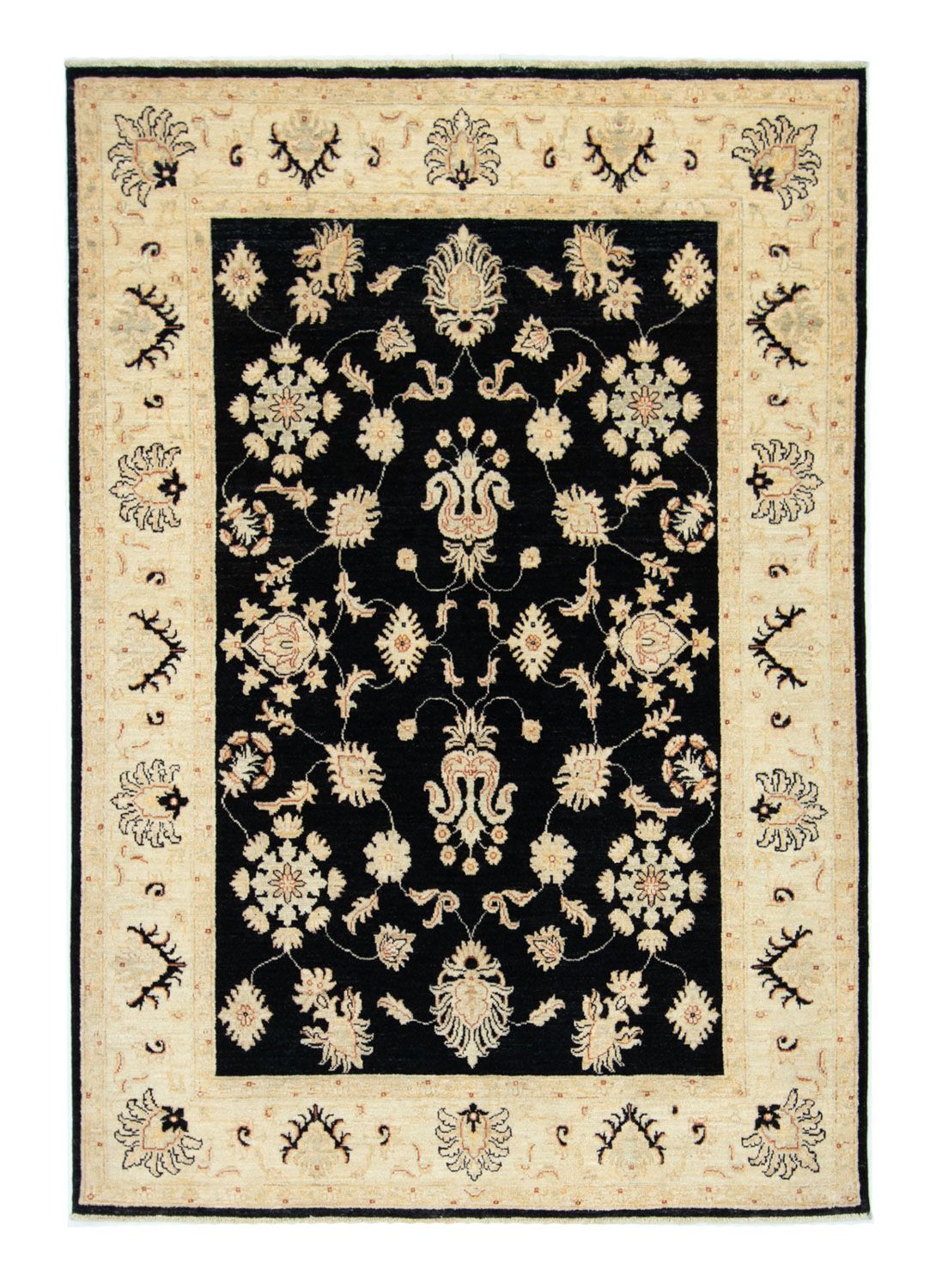
Named after the Swiss trading house Ziegler & Co., Ziegler rugs blend oriental patterns with a Western sense of color and rank among the most popular oriental rugs.
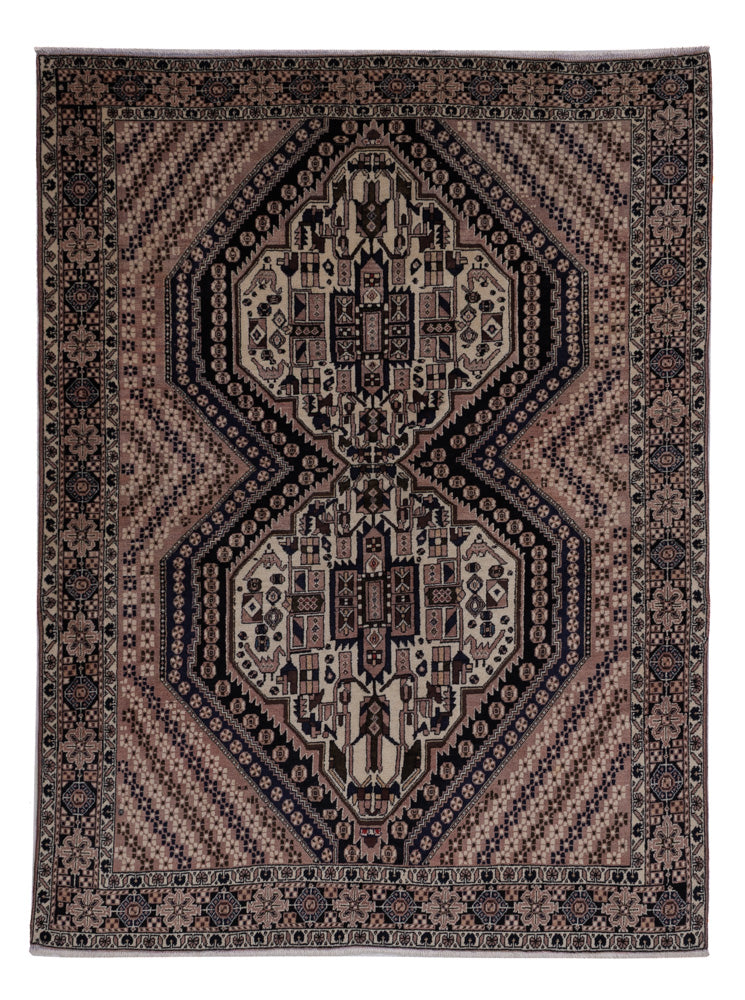
Afshar Sirjan rugs are knotted by Afshar tribes around Sirjan and combine nomadic motifs with refined craftsmanship.
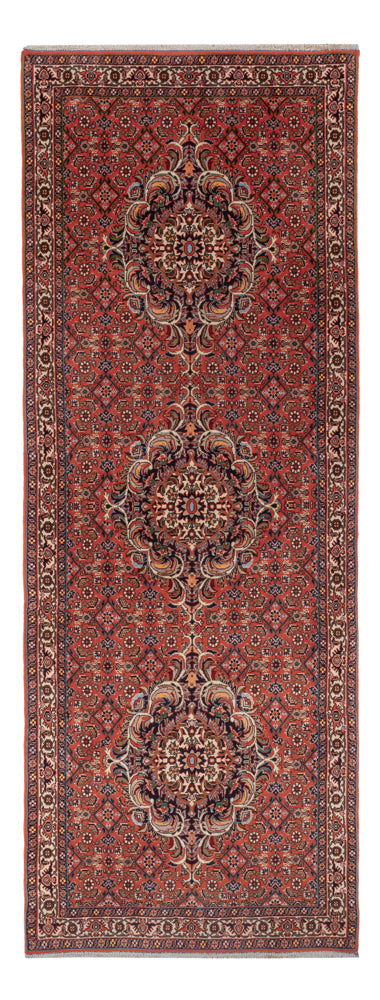
Bijar Bukan rugs come from the Kurdish town of Bukan in West Azerbaijan Province and combine the famous Bijar density with finer detail work.
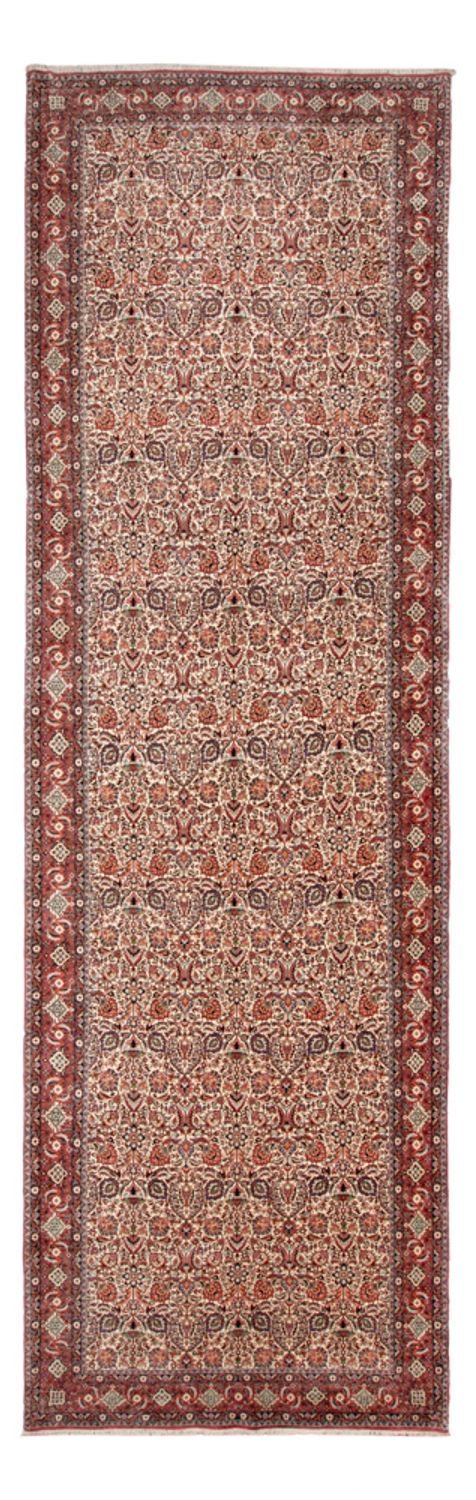
Bijar Takab rugs come from the Takab region and stand out with their bold colors and dense Bijar-style weave.
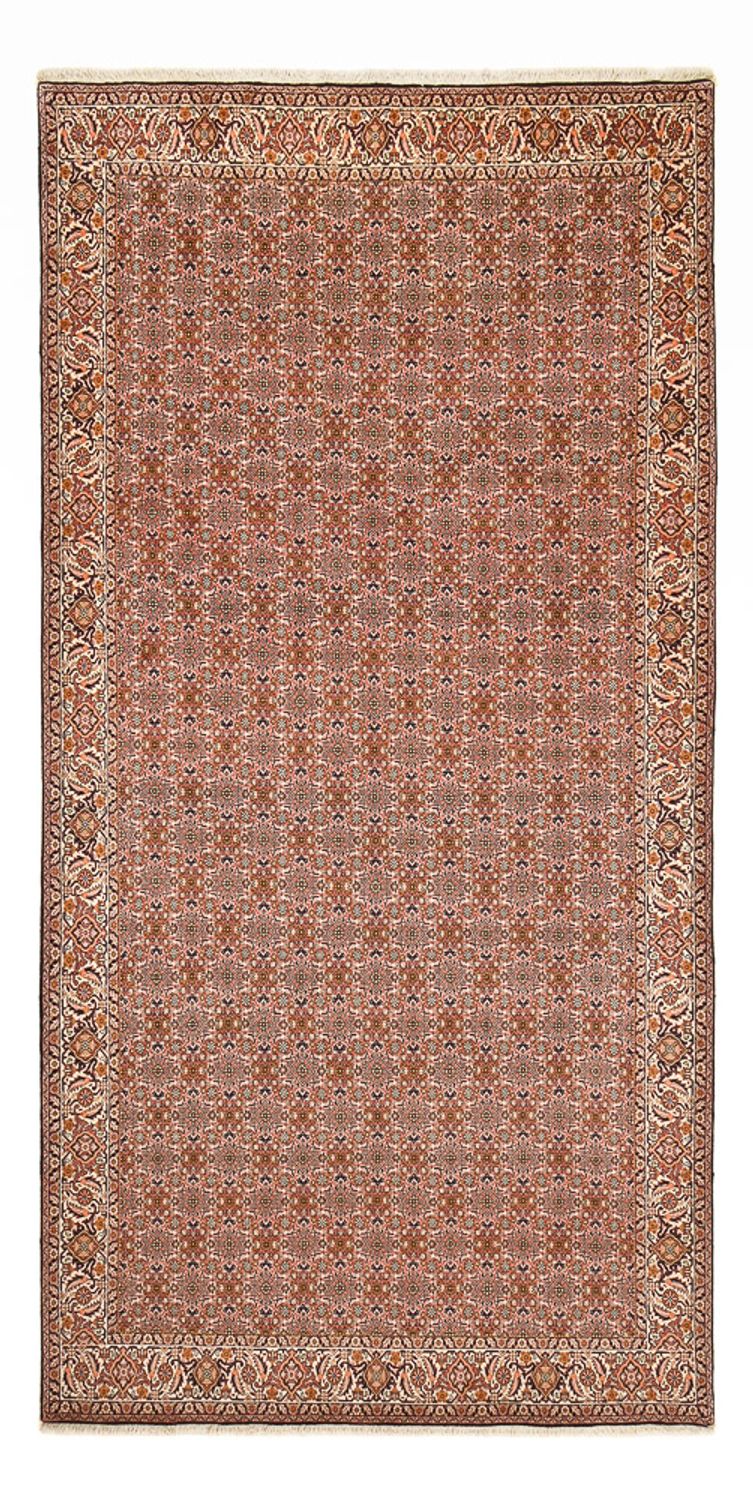
Bijar Zanjan rugs come from Zanjan Province and combine the classic Bijar density with Zanjan workshop traditions.