Rug Wiki
The reference encyclopedia for oriental rugs, styles, origins, production, and buying advice.
96 styles · 11 regions · 32 deep-dive articles
Discover rug styles
Selected styles from our encyclopedia.
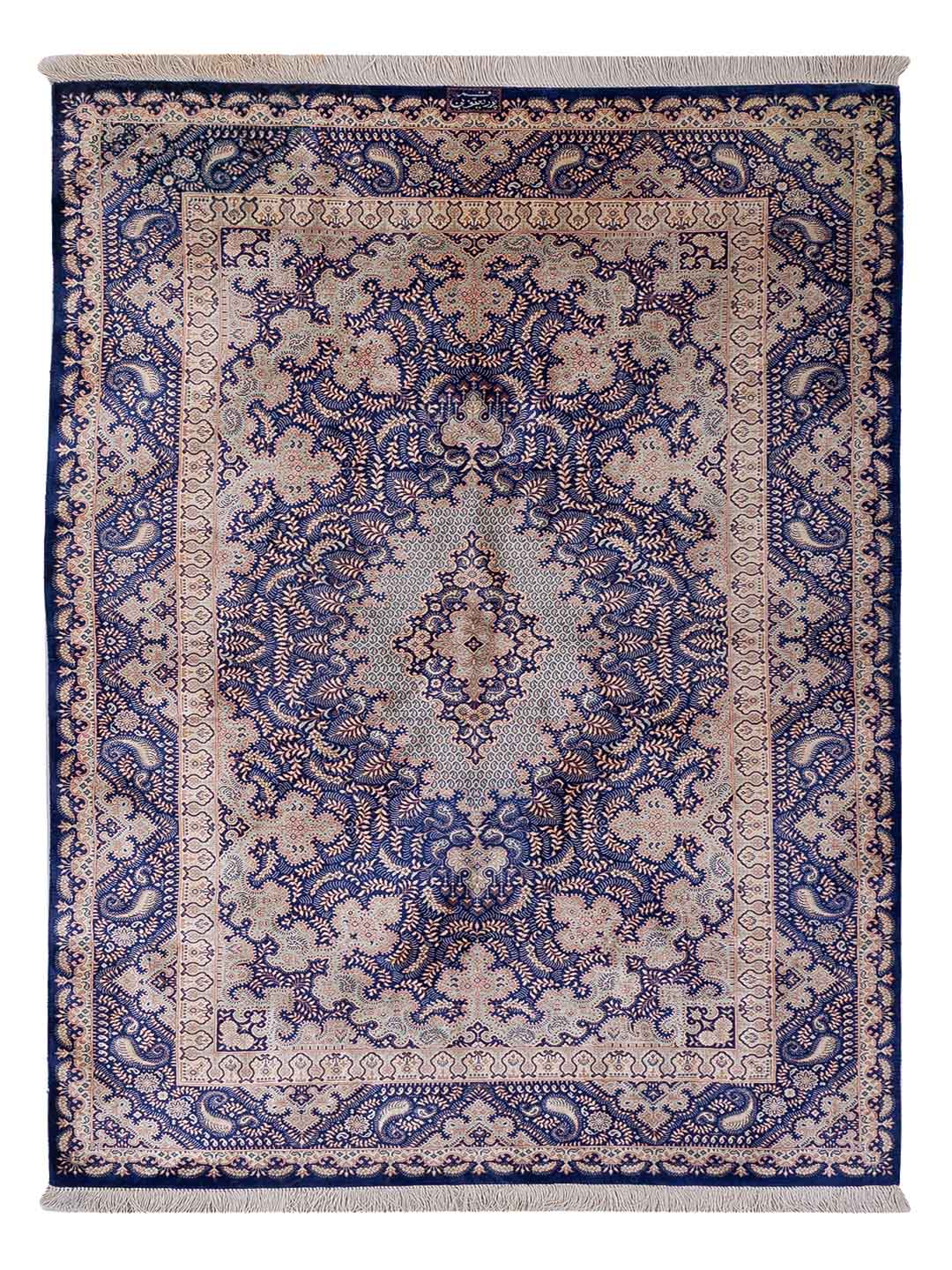
Qom Silk
Qom silk rugs are knotted from pure silk in the holy city of Qom and rank among the world’s finest hand-knotted carpets.
- Knots
- 600,000 – 1,200.000+ knots/m²
- Material
- Silk on silk
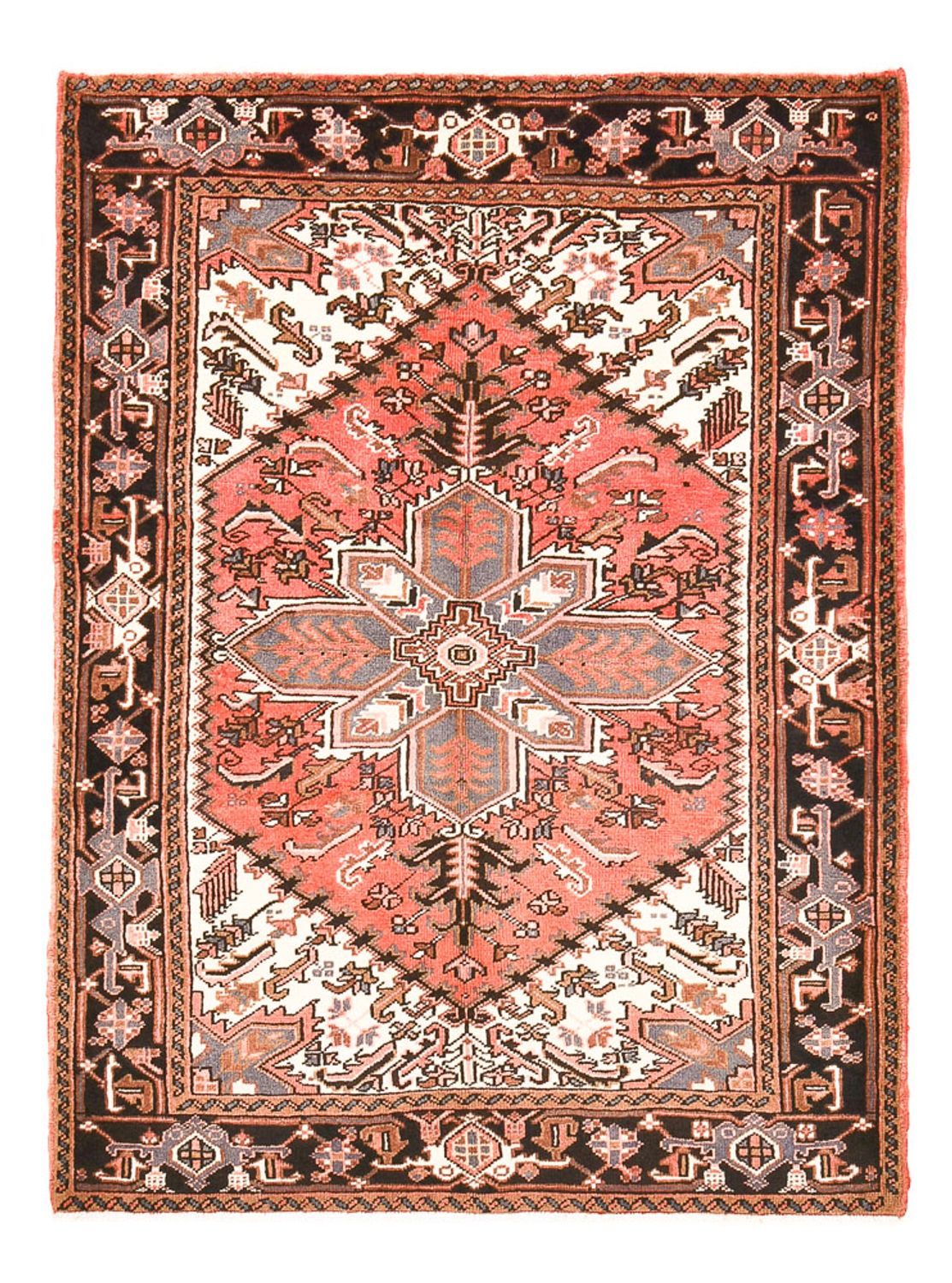
Garawan
Garawan rugs come from a village in the Heris region and are slightly coarser than the well-known Heriz pieces.
- Knots
- 60,000 – 140,000 knots/m²
- Material
- Wool on cotton
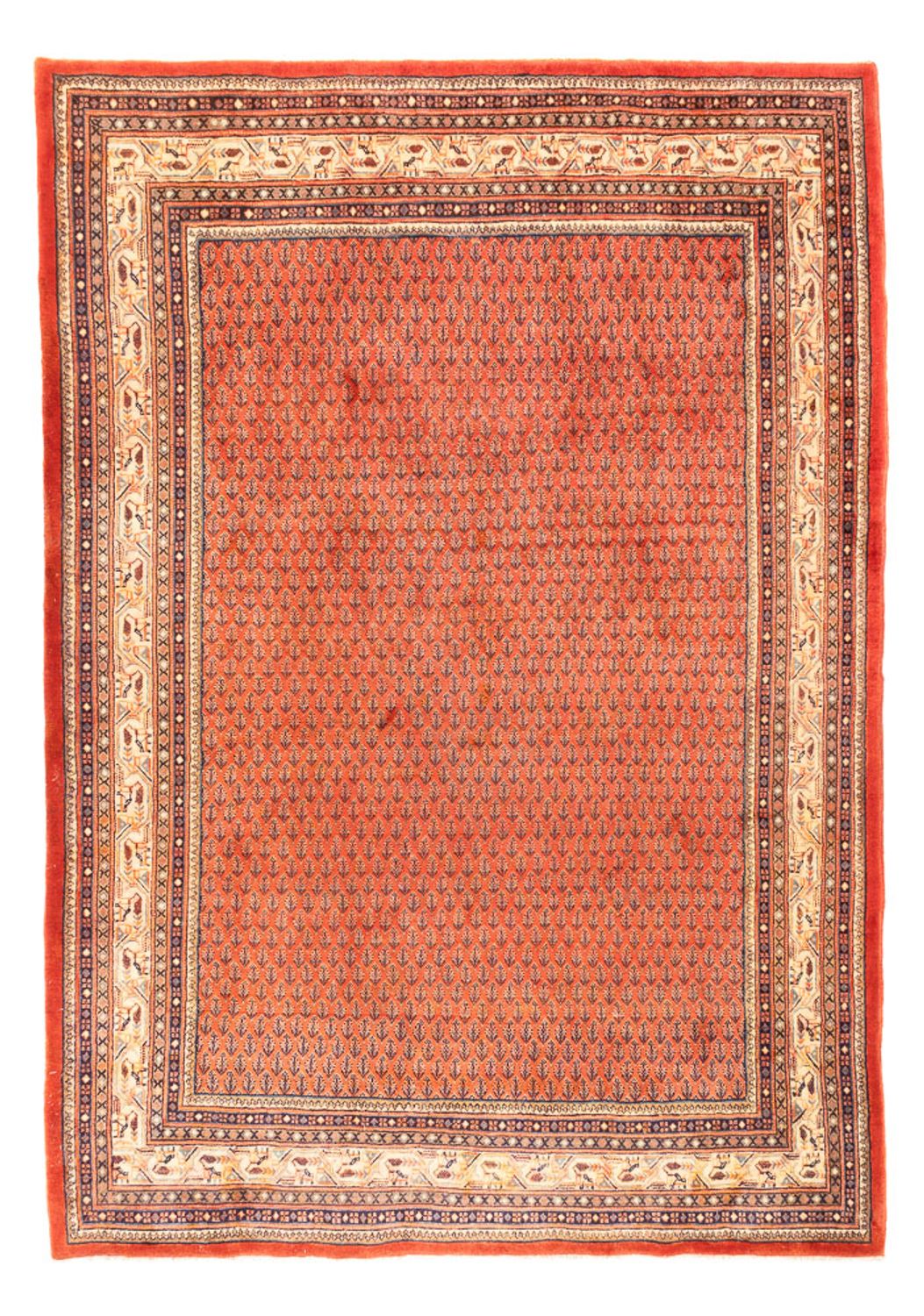
Mir
Mir rugs from the Malayer region show the classic boteh all-over pattern in fine quality and great size variety.
- Knots
- 120,000 – 300,000 knots/m²
- Material
- Wool on cotton
Explore topics
Choose a topic to learn more about oriental rugs.
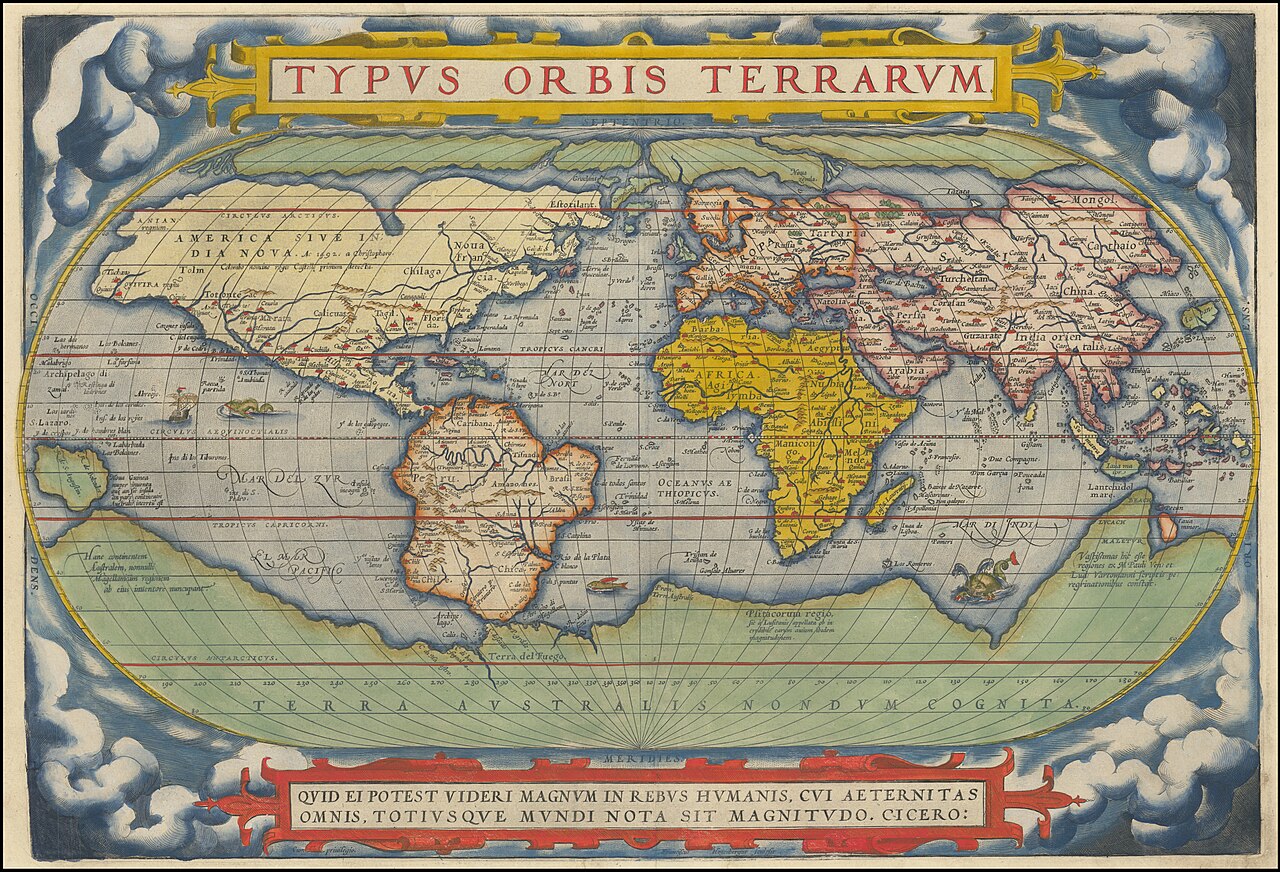
Origins
Rugs by region of origin
Rug types
Styles and knotting techniques
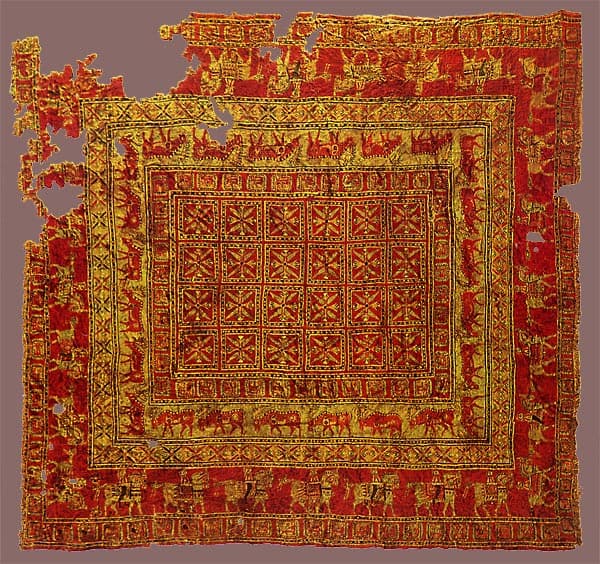
History
The story of rug-making
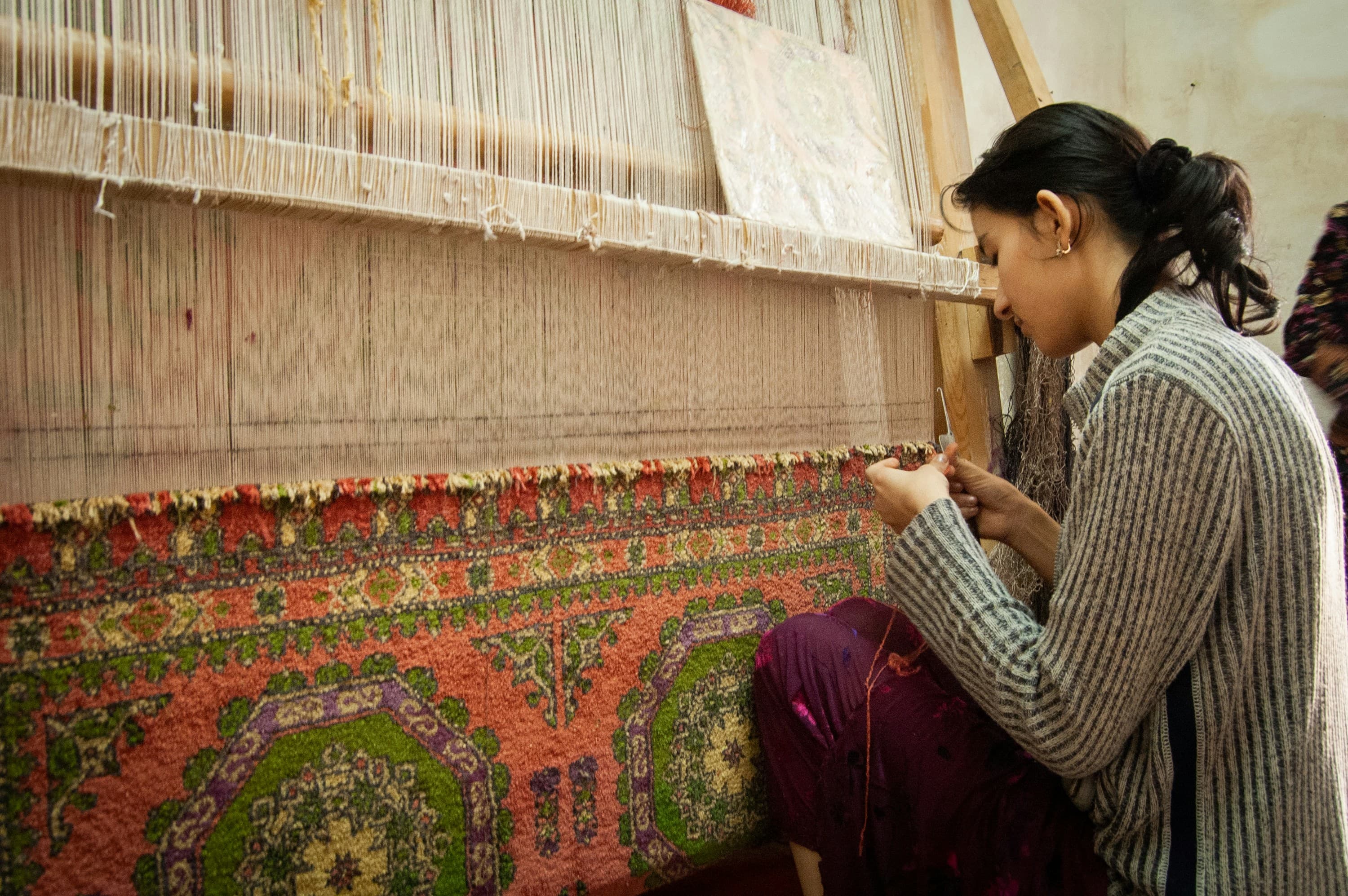
Production
From raw material to finished rug
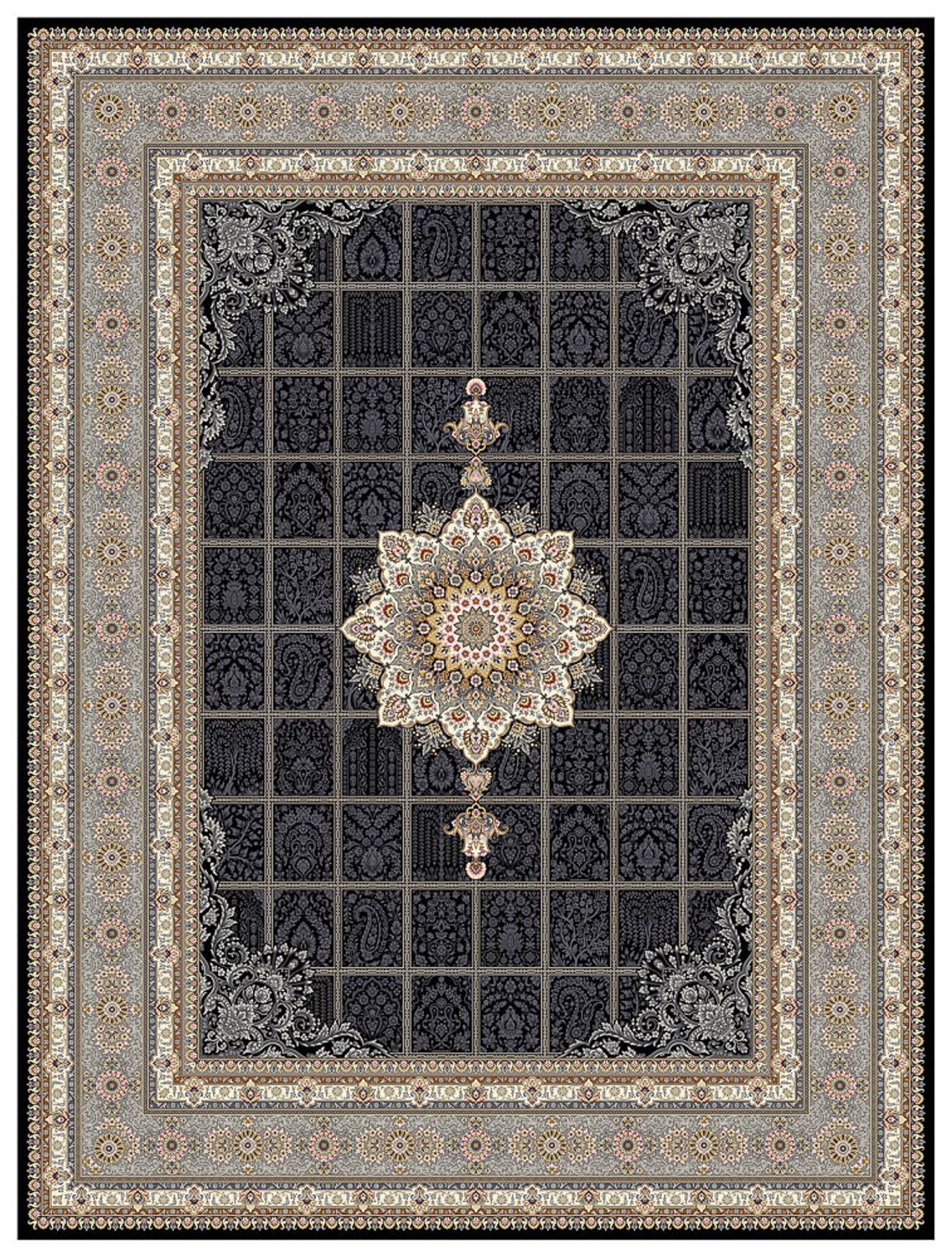
Woven rugs
Machine-woven rugs explained
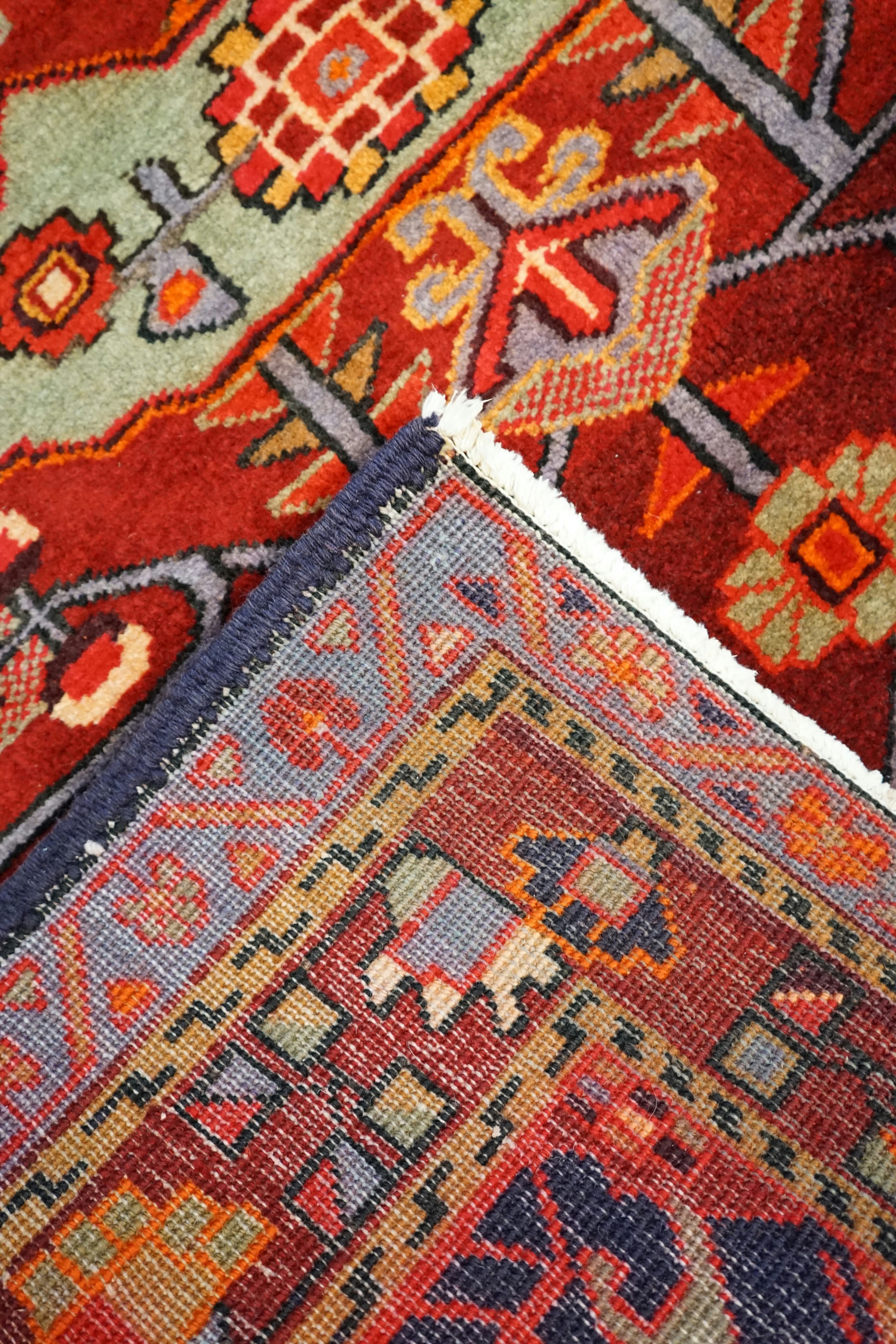
Identifying oriental rugs
Authenticity markers at a glance
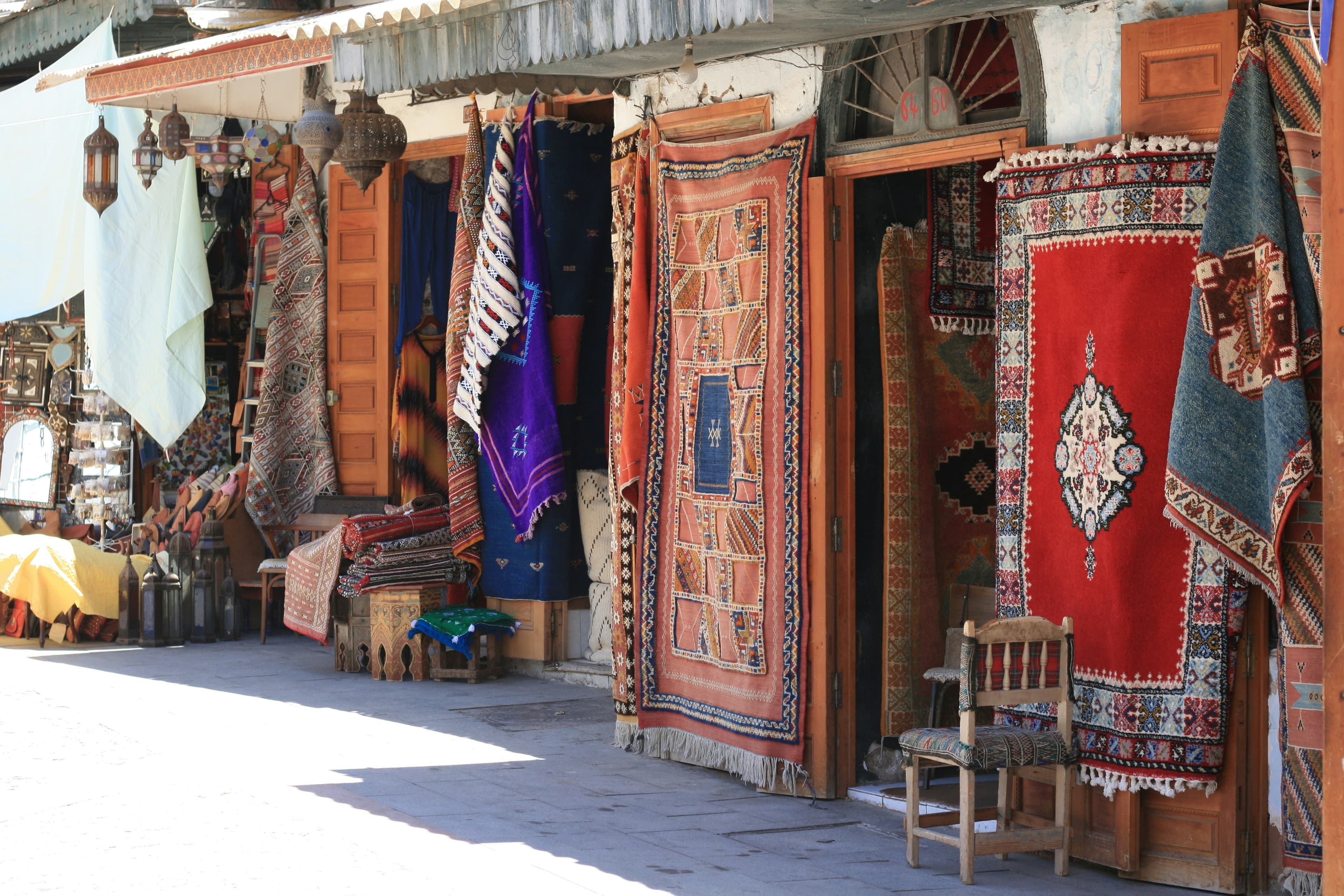
Buying guide
Tips for buying a rug
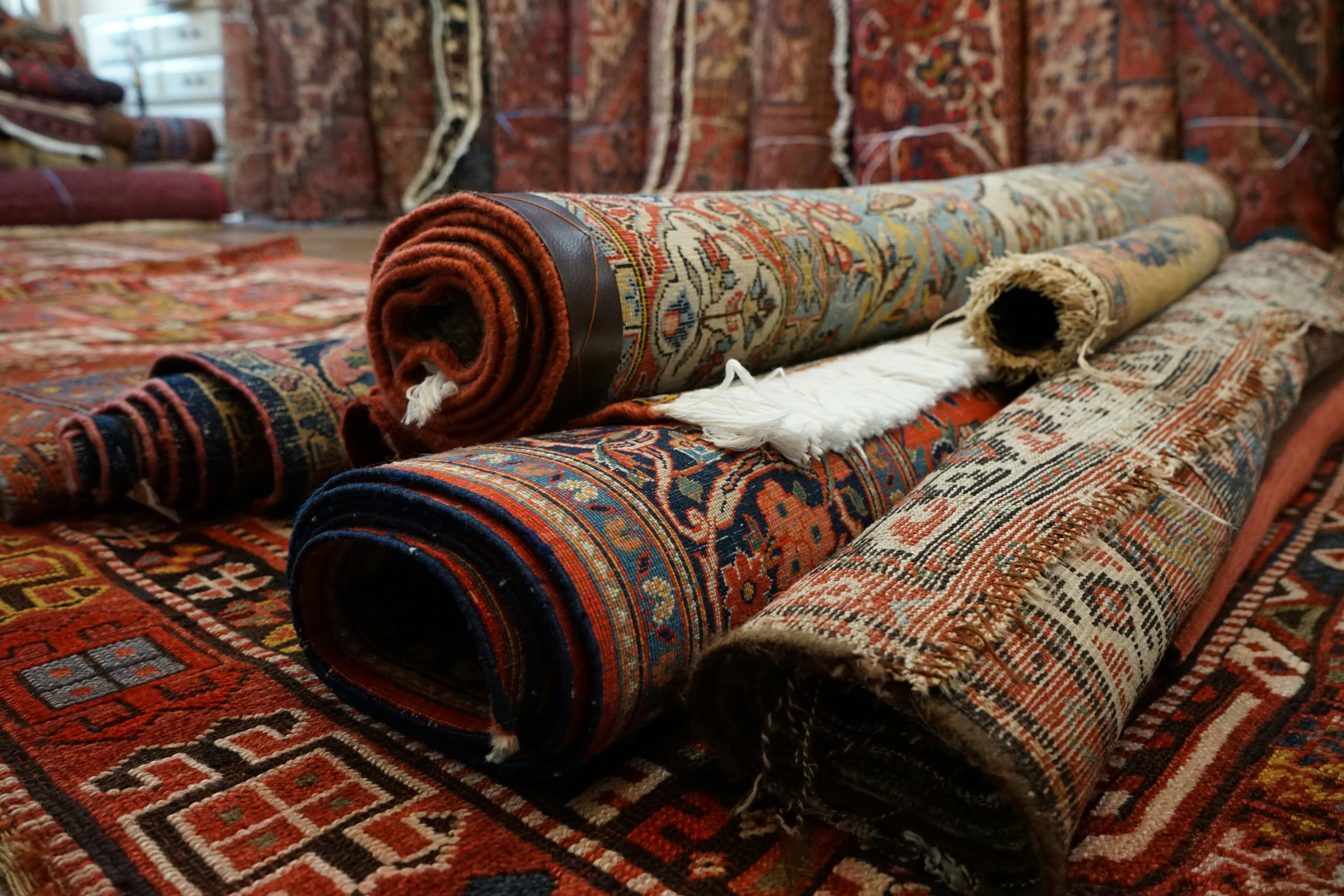
Care
Cleaning and maintenance
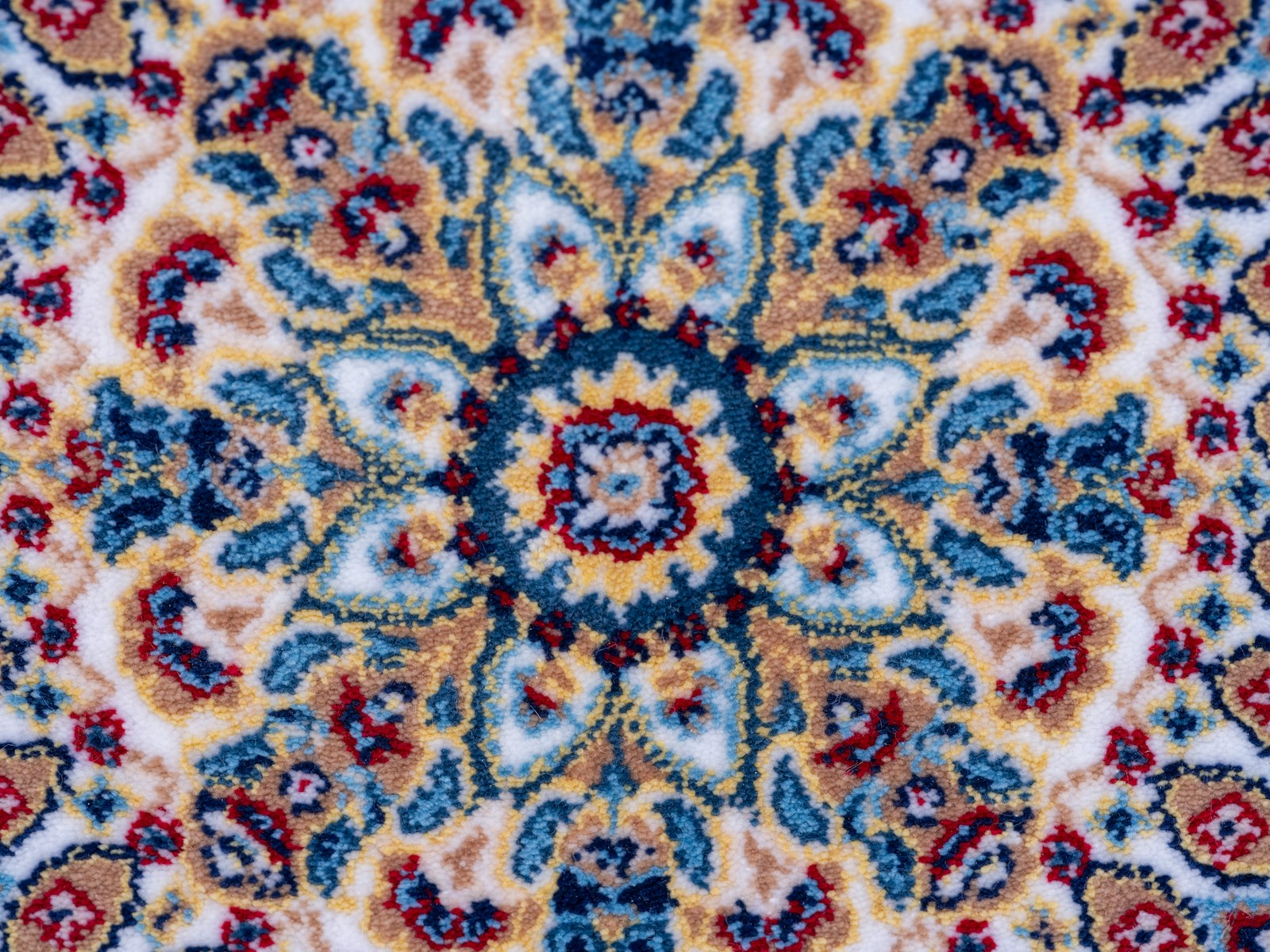
Symbols & patterns
What the ornaments mean
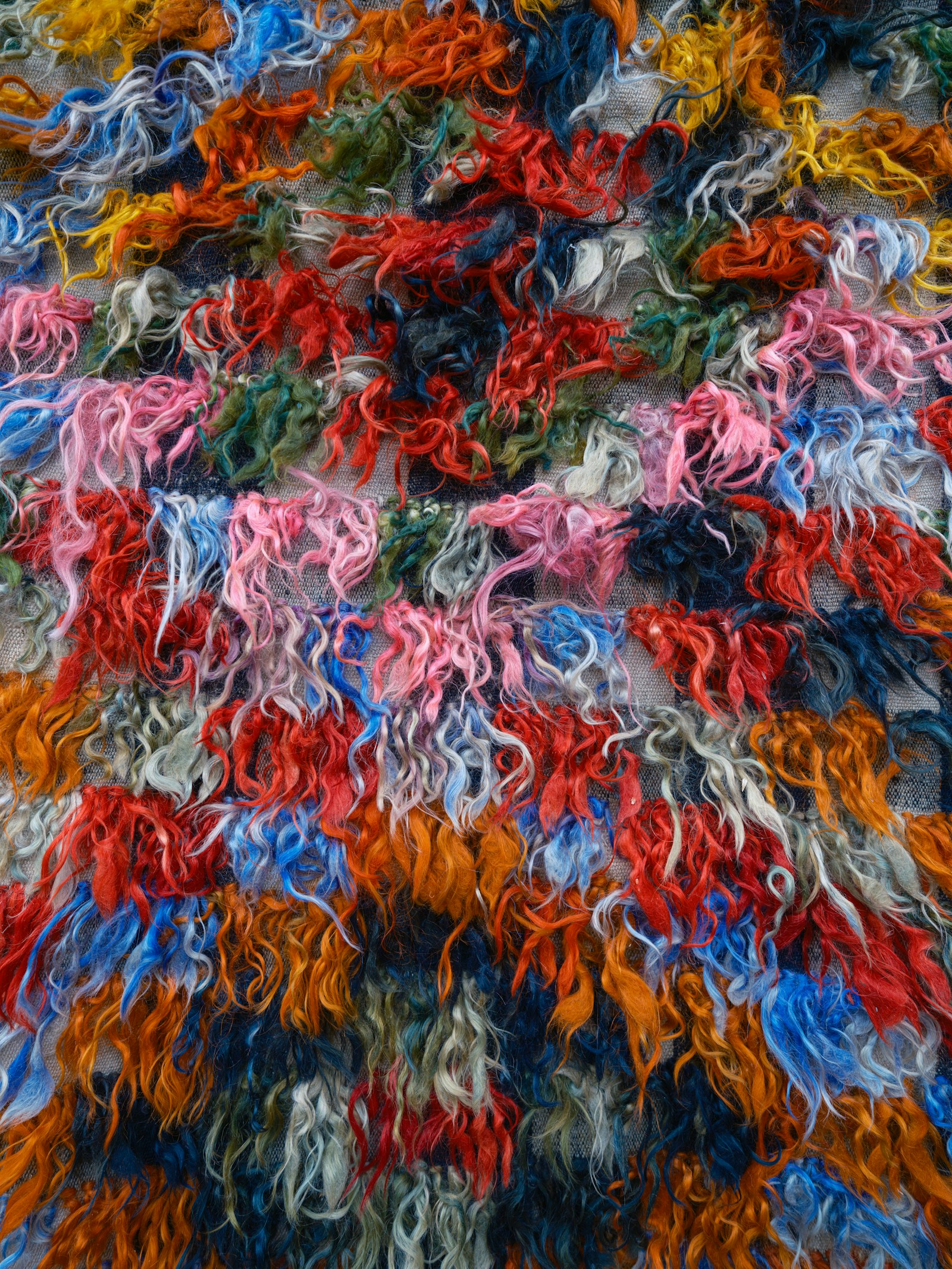
Materials
Wool, silk, cotton, jute, and synthetic fibers at a glance
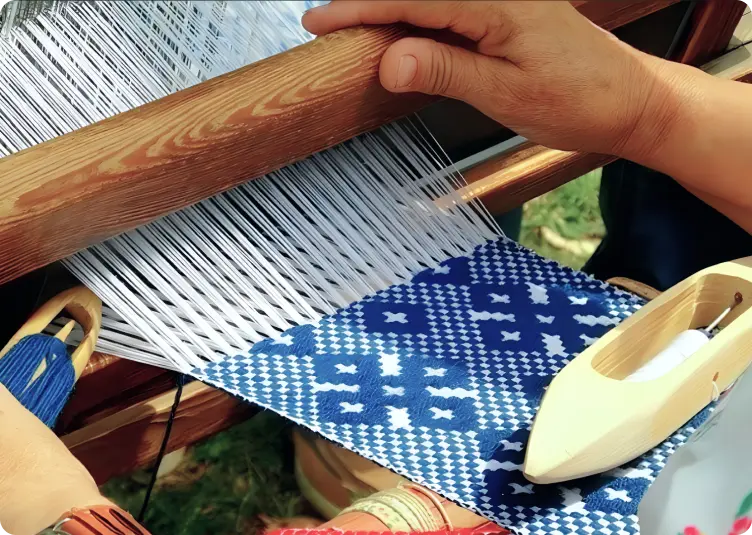
Get started
From beginner to connoisseur in seven lessons
Glossary
Technical terms explained
Go deeper
Three subject areas to keep reading after the style pages.

Value & quality
Knot density, materials, natural dyes, age. What explains a rug’s price.

Hamburg Speicherstadt
How the carpet trade works inside the World Heritage warehouses, from buying in Persia to the Hamburg floor.
Symbols & patterns
Boteh, tree of life, medallion, protective motifs. What the ornaments mean.
Editor’s picks
Six articles we’re recommending right now, across all topic areas.
 Nain
Nain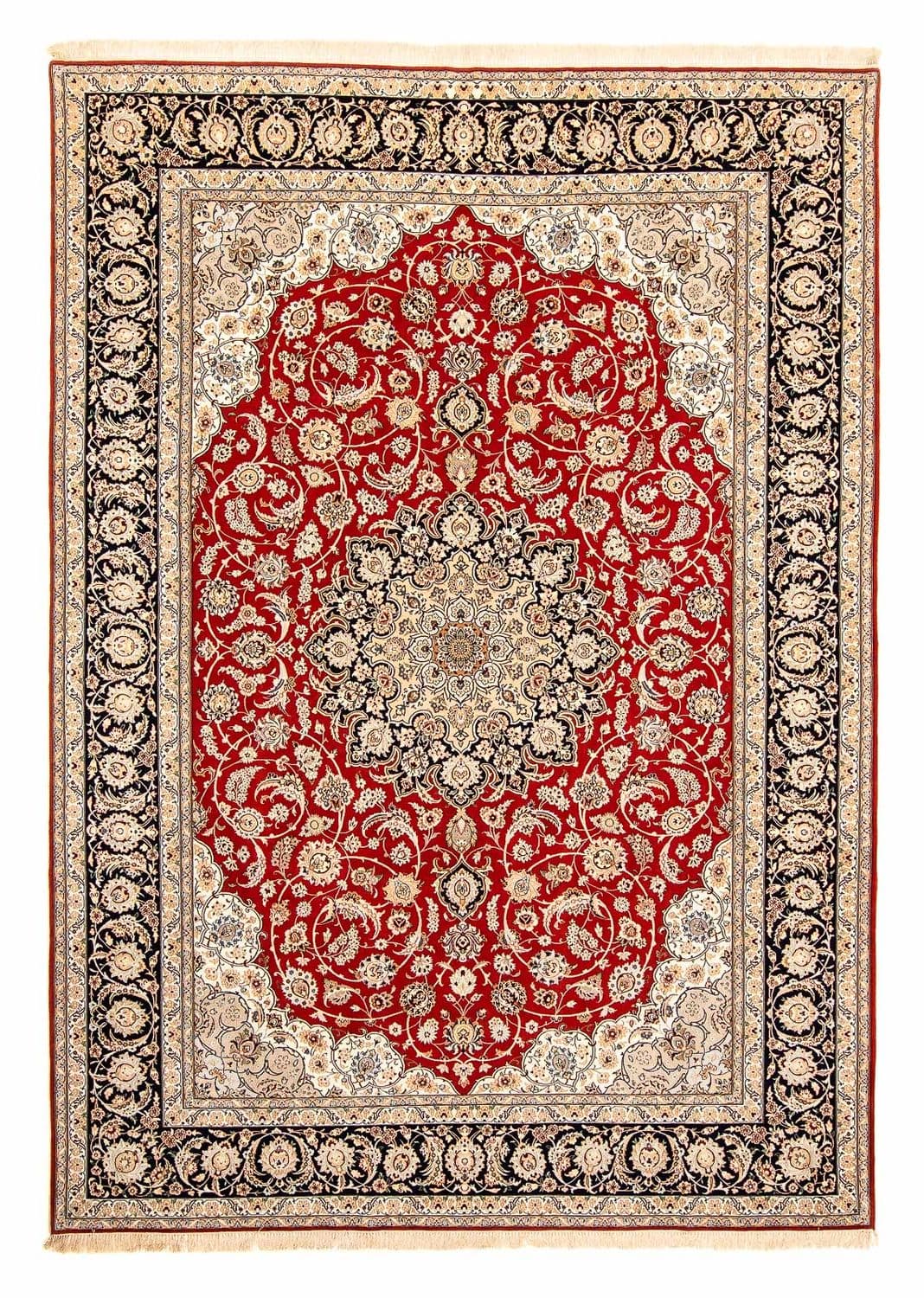 Isfahan
Comparisons
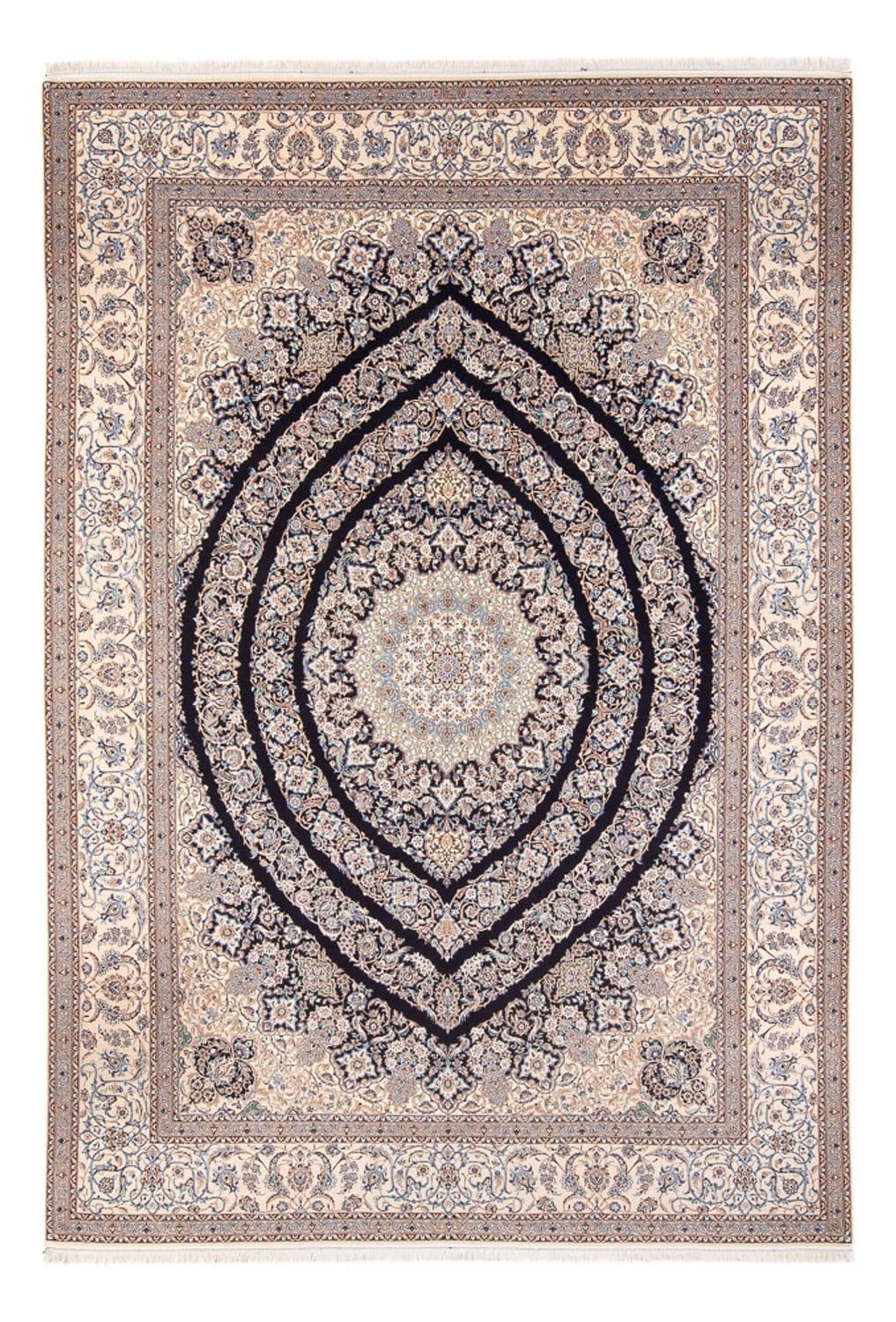
Nain vs. Isfahan
What separates Nain and Isfahan rugs in style and quality. Knot density, dyeing, design language, and price as a decision aid.
Value & quality
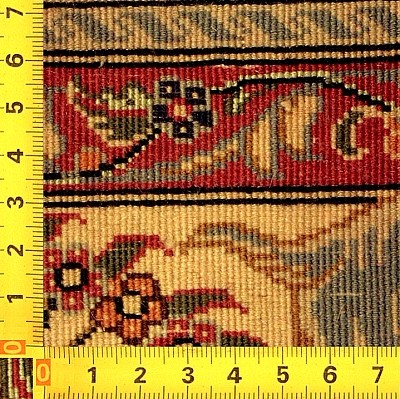
Knot density explained
What knot density measures, how to count knots per square inch or per square meter on a hand-knotted rug, and which values are typical for Persian, Turkish, and Caucasian pieces at each price tier.

Identify
Is my rug genuine?
Seven simple tests to check at home whether your oriental rug is truly hand-knotted. Back, fringe, knot, water and smell tests explained.

Symbols & patterns
Boteh explained
The boteh motif in oriental rugs, its Persian origin, regional variations, and the relationship to the Western paisley pattern.
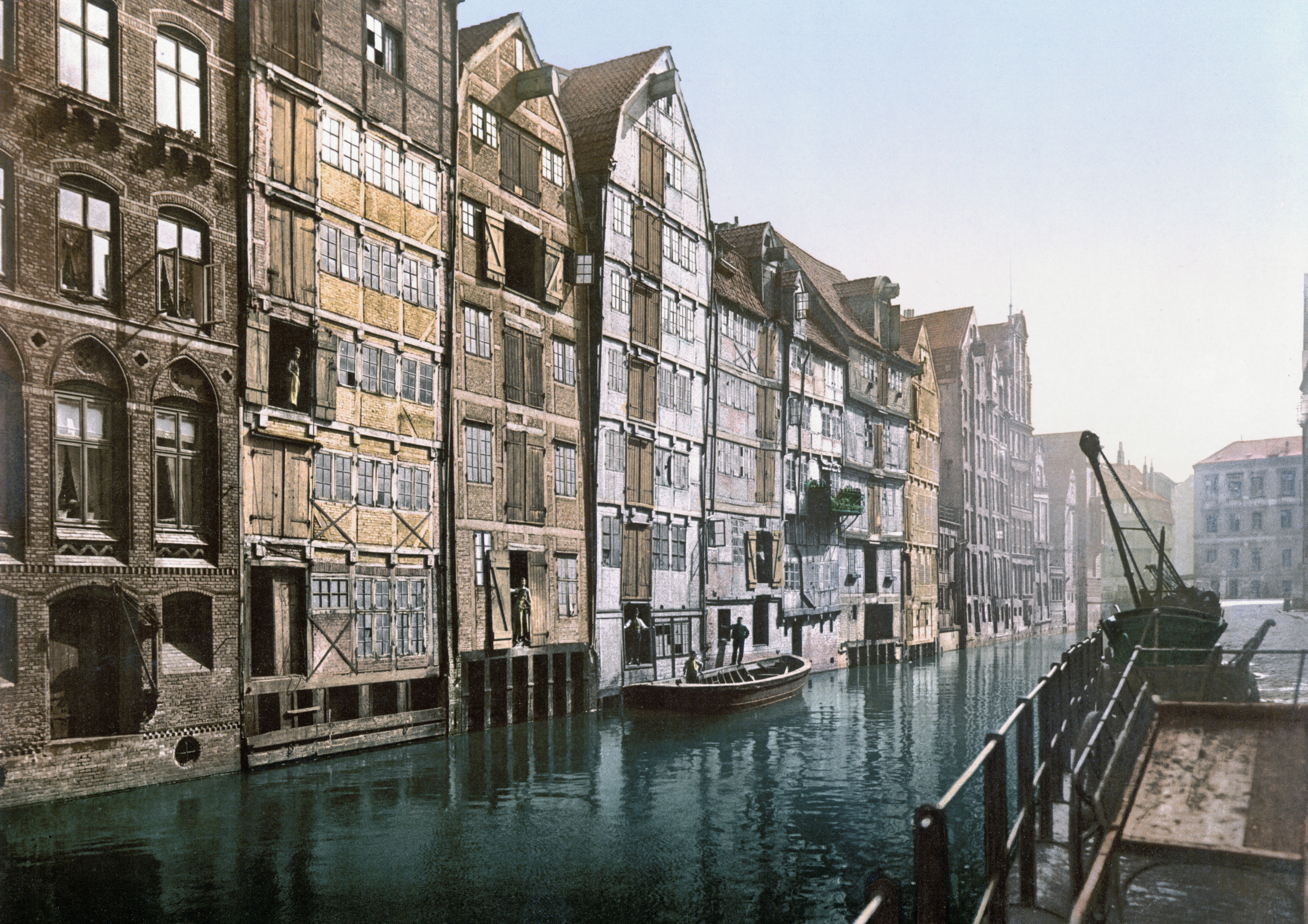
Hamburg Speicherstadt
History of the Hamburg rug trade
How Hamburg became the center for oriental rugs in Central Europe in the 19th century, from the first imports through the Speicherstadt to the great trading houses.
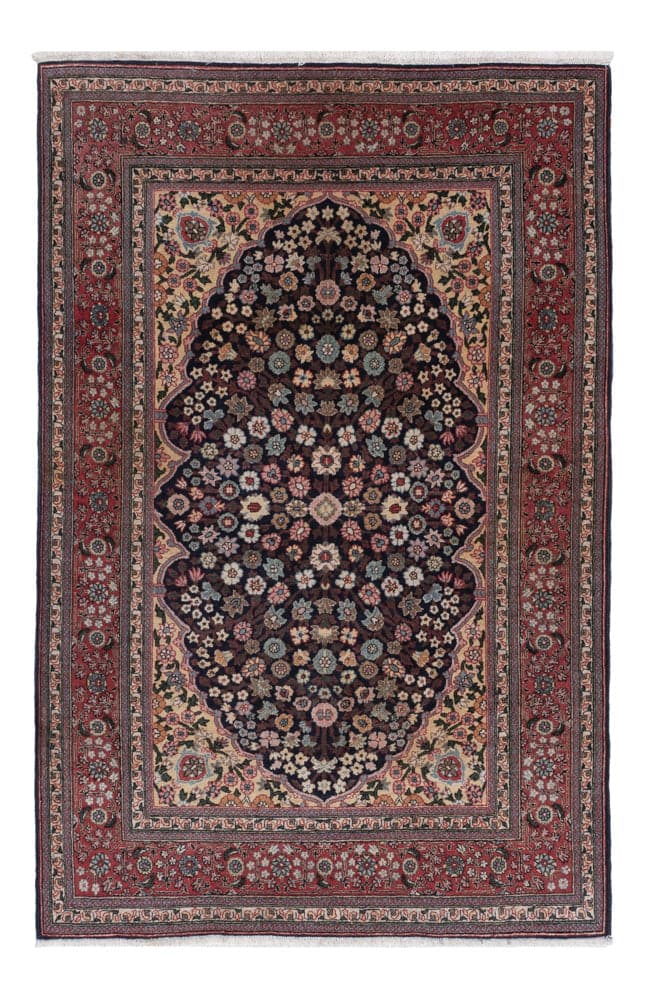 Silk
Silk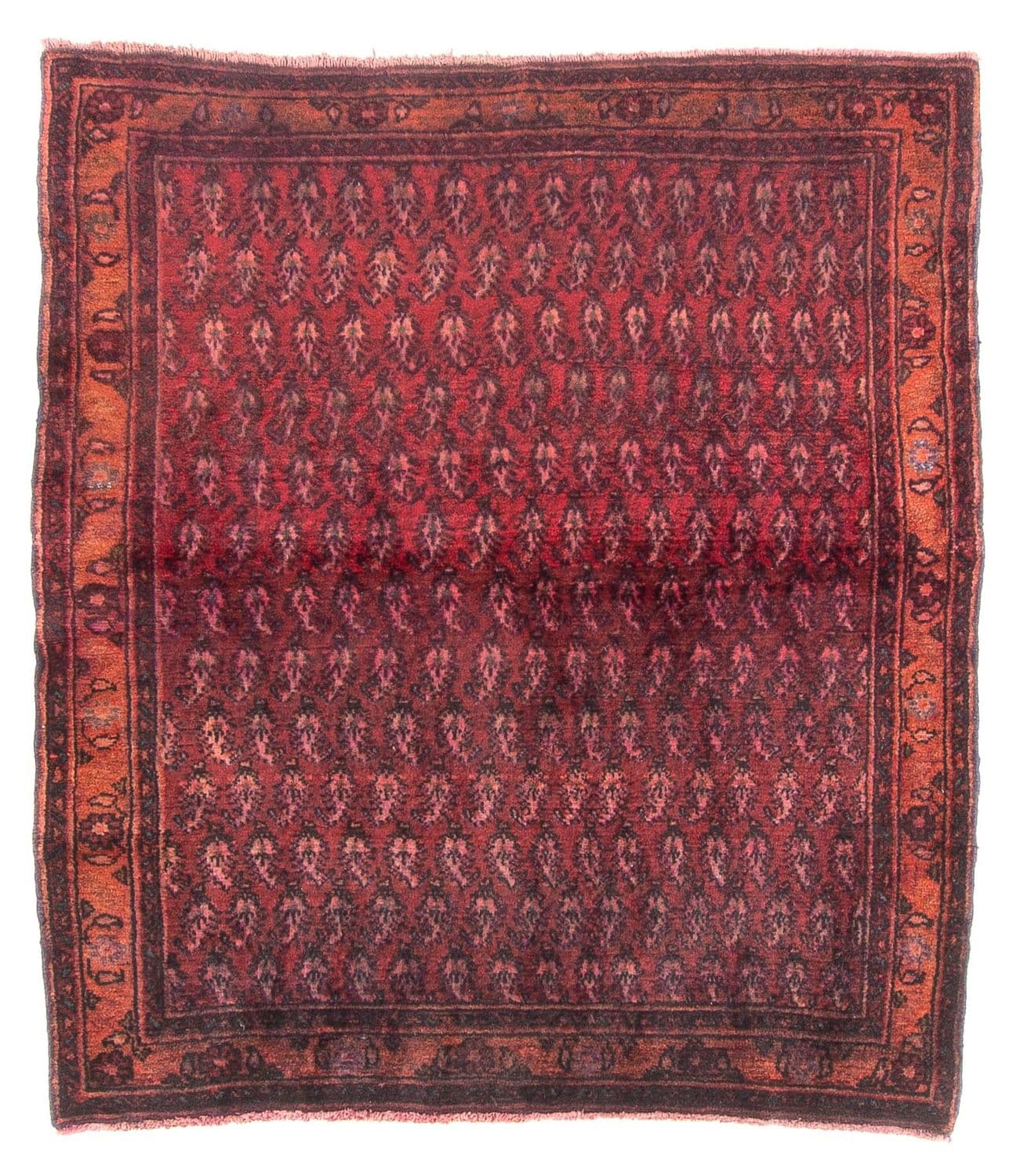 Wool
WoolComparisons
Silk vs. wool
Sheen, durability, care, and price compared head-on. Seven criteria help you choose between silk and wool rugs, plus where each fiber fits at home.
Topic areas at a glance
Five areas hold the editorial side of the encyclopedia.

Comparisons
9 articles
Value & quality
7 articles
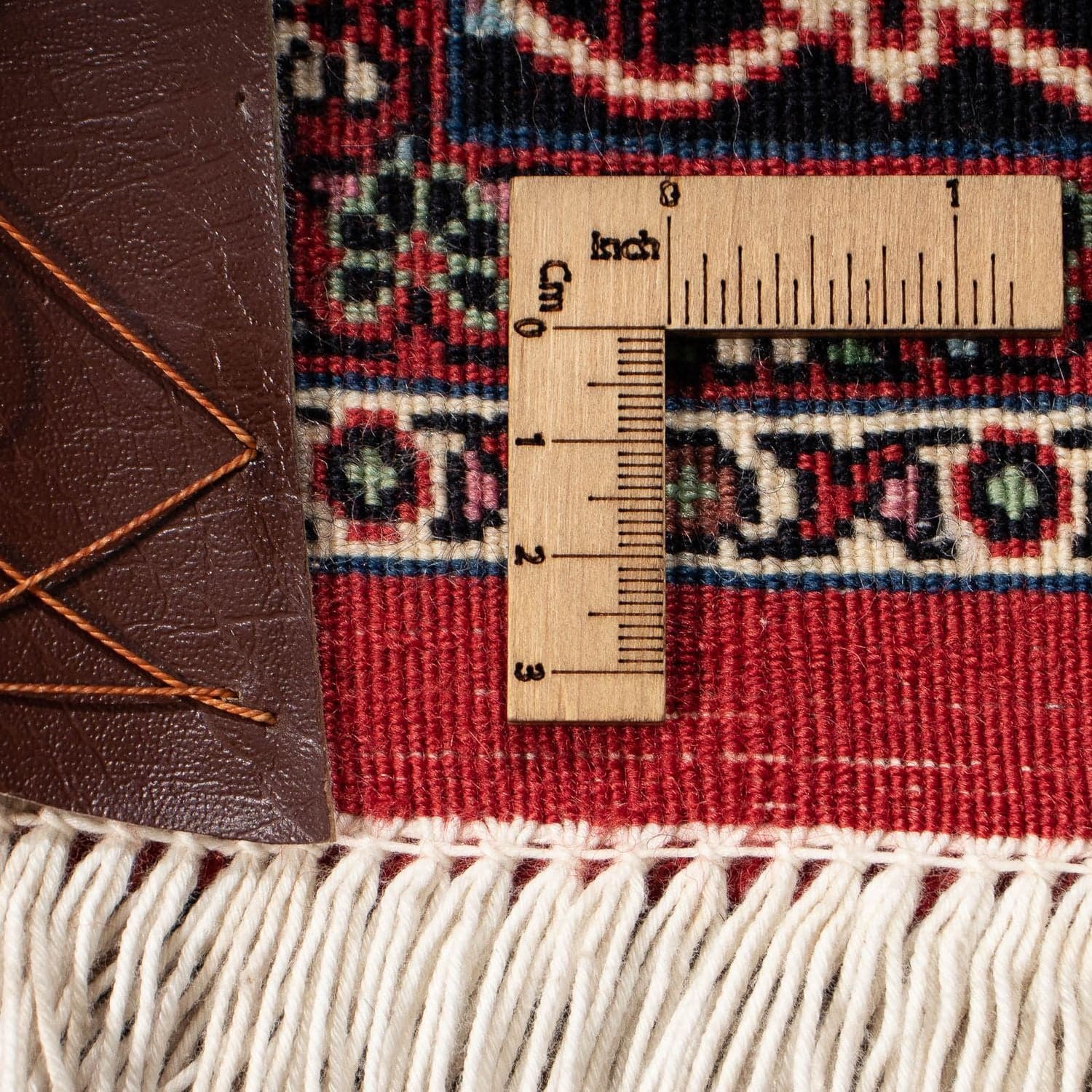
Identify
8 articles
Hamburg Speicherstadt
4 articles
Symbols & patterns
4 articles
Interactive tools
More than an encyclopedia, these tools help you understand, compare, and choose.
7-step introduction
From first term to buying decision, structured in seven short lessons.
Style quiz
Five questions about color, pattern, and mood, get three matching styles.
Style comparison
Up to four styles side by side, knot density, material, and origin at a glance.
Verify authenticity
Eight checks to distinguish real hand-knotting from machine-made rugs.
What the Rug Wiki is
The Rug Wiki is a free online encyclopedia of oriental rugs, from Tabriz to Nepal rugs, from knotting to care. We combine editorial style profiles with interactive tools: a seven-part beginner's guide, a style quiz, side-by-side comparison of up to four styles, and a glossary of every technical term. All content is hand-researched, regularly updated, and illustrated with real knotting examples from the Morgenland Rugs catalog.
Read moreShow less
Origin and knotting regions
Oriental rugs come from a belt that stretches from Morocco through Turkey to Nepal and China. Across some 6,000 kilometers as the crow flies, dozens of tribes, cities and manufactories have knotted their own visual language over the centuries. The overview of origin regions brings eleven knotting countries together on an interactive map.
At its core sits Persia: over twenty distinct styles in itself, from the fine manufactory in Isfahan to the nomadic Gabbeh from the Zagros Mountains. Turkey has been knotting since the 13th century, most famously in Hereke, Kayseri and Ushak. The Caucasus produced the geometric mountain rugs from Armenia, Azerbaijan and Dagestan into the early 20th century. Afghanistan stands for deep-red Turkmen patterns and Khal Mohammadi, Morocco for the minimalist Berber rugs of the Beni Ouarain. At the eastern end, Nepal, India and China carry the tradition forward with designer pieces and collector items. Anyone who knows the province or tribe can place every rug in its homeland.
Rug styles and rug types
The Fibel offers over ninety style portraits in two sortings. Alphabetical seekers will find everything under All rug styles. Those looking by character, whether fine and representative, robust and nomadic, or modern in interpretation, will find the classification under Rug types.
The finest Persian city productions are Tabriz, Isfahan and Nain. Here knot densities of 500,000 to over one million knots per square meter come together, knotted on cork wool with silk accents, in patterns that outlast several generations of a workshop. The counterpart is the nomadic styles: Gabbeh with its high, soft pile from the Zagros Mountains, Bidjar as the most robust of all Persians, Kelim as a pile-less flat weave with its own visual language. Between these poles stand the hybrid styles. Ziegler combines oriental patterns with Western-muted color, Berber rugs from the Atlas reduce the pattern to natural-dyed diamonds. The classic umbrella terms lead to Persian rugs and nomadic rugs, exclusive pieces to silk rugs and antique and semi-antique.
Quality, material and craft
Four criteria decide the quality of an oriental rug: knot density, material, dye and workmanship. What knot density really means and how the LA grades of the Nain classes differ is explained in the detailed essays of the value overview.
With material, it comes down to the interplay. The material overview classifies the main fibers. Virgin wool carries most styles, silk gives fine accents their characteristic depth, cotton is almost always found in warp and weft because it does not stretch. The knotting technique itself is covered in the production section, step by step under knotting, and the individual knot types such as the Senneh and Ghiordes knots in their own essay. Age and authenticity can be read clearly from the colors. How that works is shown in recognizing natural dyes, and whether natural dyes actually justify the price is settled in the comparison natural dyes versus chemical dyes. Anyone who values verifiable origin will find the most important standards under seals and certification and in the direct comparison hand-knotted versus machine-made.
History, symbols and meaning
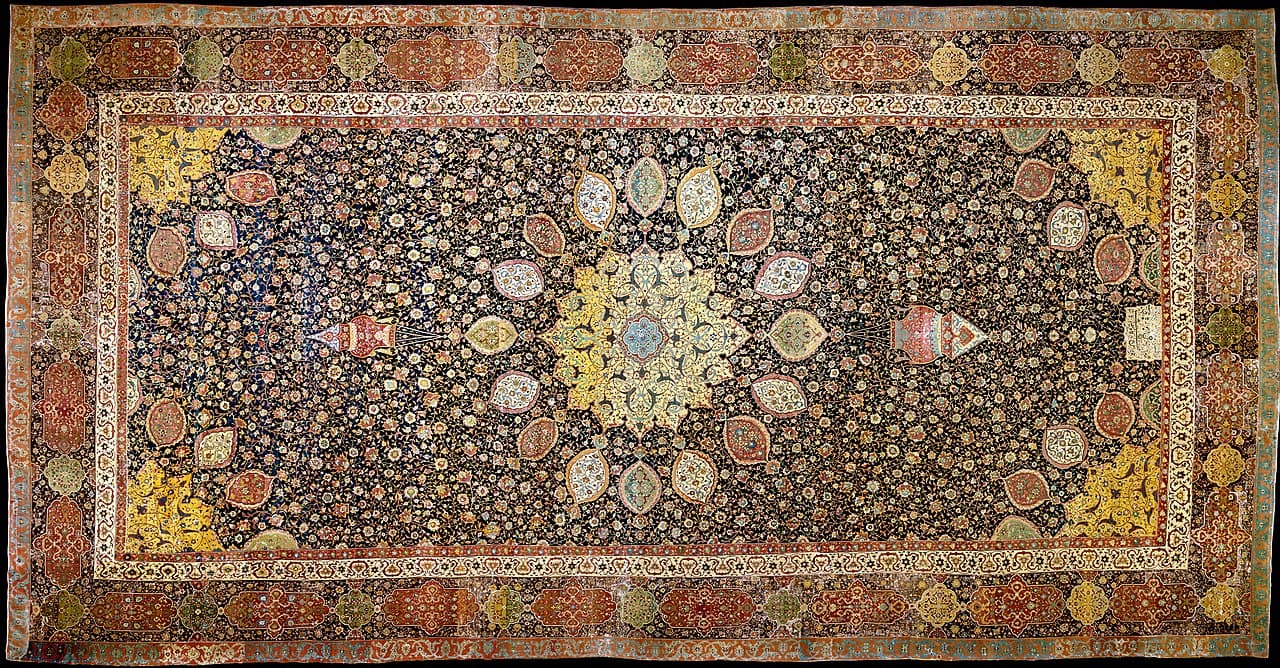
The art of knotting is more than 2,500 years old. The oldest evidence comes from the Pazyryk rug from the Altai Mountains, dated to the fifth century BC, today in the Hermitage in Saint Petersburg. The history of knotting leads from there through Achaemenid Persia and the Safavid manufactories to the workshops of the present.
Every pattern carries its own meaning. The tree of life as the oldest symbol connects earth and heaven. The boteh motif, which became the paisley pattern in the West, stands for fertility and life. The medallion orders the entire composition toward the center, the protective symbols ward off the evil eye in the nomadic tradition. The full visual world sits under symbols and patterns. Behind the great manufactories stand family names that became brands in their own cities: Seirafian from Isfahan, Habibian from Nain, Haji Jalili from Tabriz, Mohtesham from Kashan. These and fourteen further records are gathered in the master knotters section. The color theory too follows its own tradition: madder red from the root, indigo from the plant, black from iron salt and walnut shells.
Buying, value and care
Anyone wanting to buy an oriental rug starts with the buying guide. There, the most important decisions, from format and material to dealer check, are structured clearly. The question why genuine rugs are expensive is answered in the essay of the same name with concrete figures from knot count, labor hours and material use. The value overview bundles seven further texts on knot density, natural dyes, lifespan and vintage as an investment. The special case of antique pieces is covered by recognizing valuable Persian rugs.
Care preserves value. The care overview covers everything from regular vacuuming to special cases. Three dedicated guides address the most common damage scenarios: removing red wine stains, removing coffee stains from the rug and the proper cleaning of wool rugs. Inherited pieces without provenance can often be dated. The guide how old is my rug provides the method. How an oriental rug finds its way from the workshops of Iran, Pakistan and Morocco into German living rooms is described first-hand by the Speicherstadt Hamburg theme.
Tools and overview
Three interactive tools support the selection. The style quiz suggests three matching styles after five questions on color, pattern and mood. The style comparison places up to four styles side by side with all relevant facts. Anyone who already knows the opening question can find prepared direct comparisons, for example silk versus wool, Nain versus Isfahan or Persian rug versus oriental rug.
The glossary explains over fifty technical terms in alphabetical form, from Abrash to Ziegler knot. The seven-part beginner guide leads from the term oriental rug to quality assessment. Those who have a specific rug in front of them and want to classify it start with the recognition overview. Eight diagnostic articles on authenticity, age, silk, Abrash and signatures are gathered here. Machine-woven pieces and their differences from hand-knotting are covered in the dedicated section woven rugs.