Vintage vs. new
Antique rugs with fifty or a hundred years of patina are their own genre. Newly knotted classics from active workshops are another. Both have their place. This page shows the most important differences and when each choice makes sense.
Vintage and new compared directly
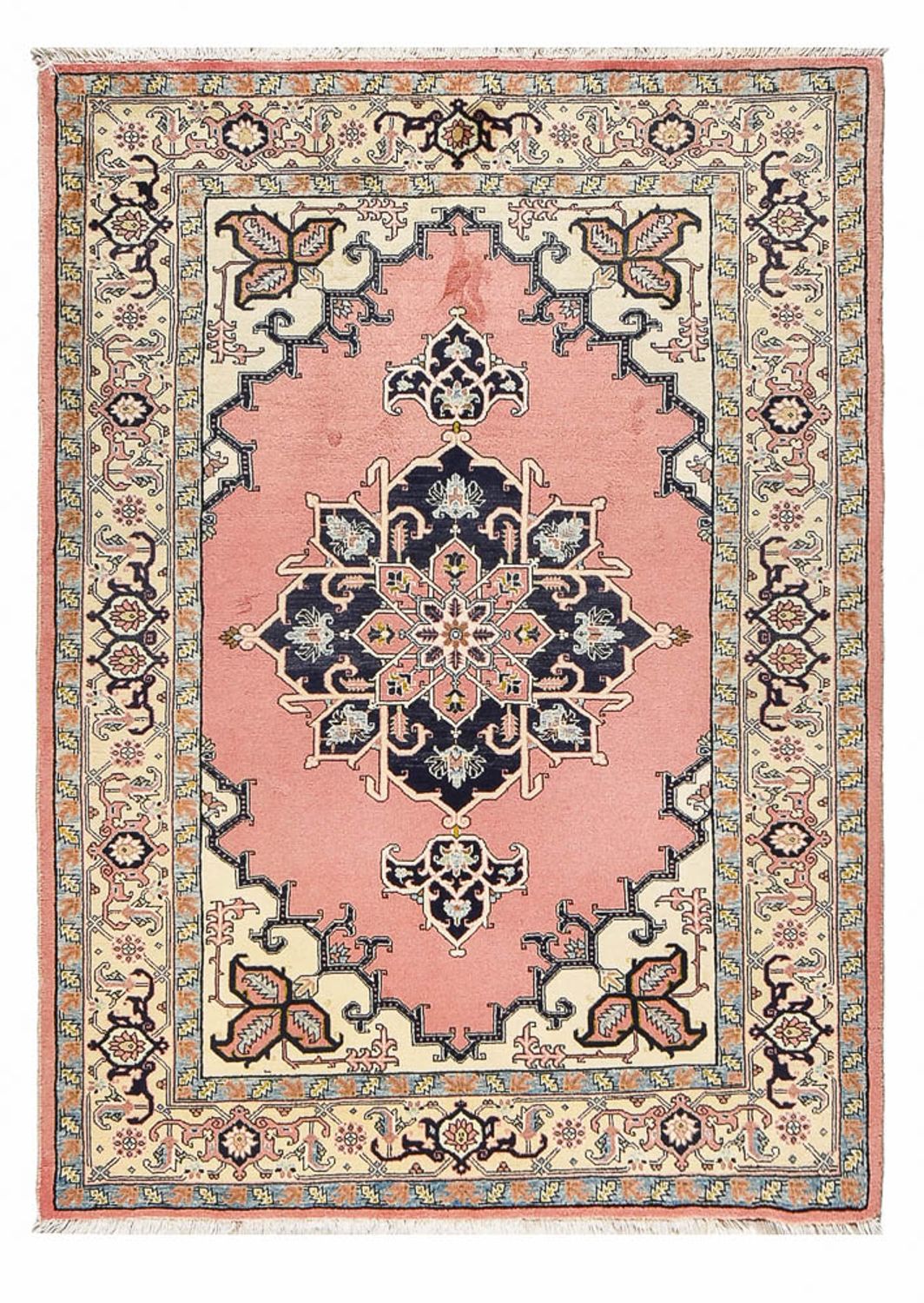
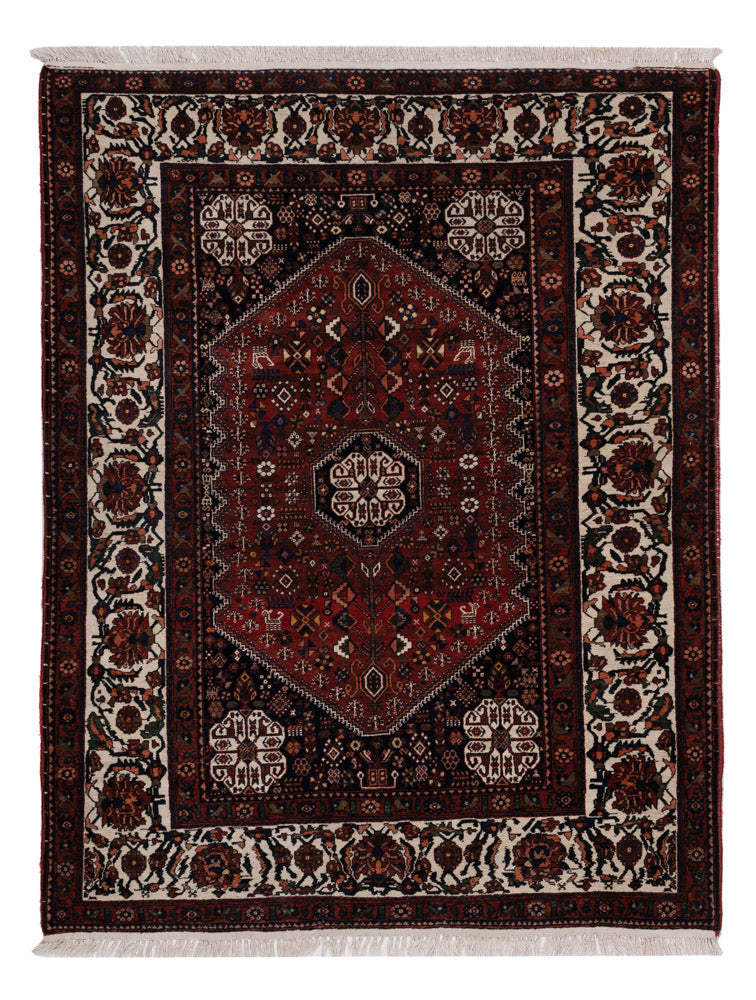
Seven criteria in which antique and newly knotted rugs typically differ.
| Criterion | Vintage / Antique | New |
|---|---|---|
| Age | 30–150+ years, often with documented history | 0–10 years, fresh from an active workshop |
| Look | soft patina, abrash color shift, light wear marks | clear colors, sharp contours, even pile height |
| Value development | stable to rising, active collector market | drops at first, gains again with ageing |
| Remaining lifespan | 30–80 more years with good care | 60–150 years ahead |
| Authenticity | almost always natural dyes, old knotting tradition | natural dyes possible, often modern color alternatives |
| Availability | limited, individual pieces with no follow-up | produced in series, similar pieces available |
| Price level | 200–4,000 euros per m², top pieces well above that | 200–3,000 euros per m² depending on workshop |
#What does vintage mean for a rug?
Vintage is a stretchy term. In the furniture trade it usually starts at 25 or 30 years, in the rug trade the threshold is fuzzier. Most dealers call a piece vintage from 30 years onwards, the category semi-antique begins at 50 years, and the rug counts as antique from 100 years onwards.
In practice the precise year boundaries matter less than condition. A 60-year-old Bidjar that has been well kept can look better today than a 30-year-old piece with sun damage. In conversation with a serious dealer, condition counts more than the label.
Important: vintage and old are not the same as valuable. There are 80-year-old machine-made rugs worth nothing, and 40-year-old hand-knotted pieces that have risen significantly in value. Material and knotting quality decide, not the year of birth alone.
#Why does patina count as a quality marker?
The typical patina of old rugs comes from light, gentle rubbing, and natural ageing of the dyes. A madder red that originally glowed brightly grows deeper and softer over the decades, almost plum-colored. An indigo blue loses its cool sharpness and warms up.
This color shift cannot be reproduced. Workshops try to imitate it with chemical washes, which usually shows on closer inspection: the patina looks too even, the transition between deep color areas and brighter spots is missing. Real patina is always slightly uneven.
New rugs have the opposite advantage of clear composition. Colors are bold, contours sharp, the pattern in its full original character. Anyone using a rug as the main element of a room and wanting a powerful look is often happier with a new piece than with a heavily patinated antique.
#How do vintage and new compare in value?
Antique hand-knotted rugs have an active collector market. Sotheby's and Christie's regularly auction pieces from the 18th and 19th centuries, with prices between several thousand and several hundred thousand euros. Even less spectacular pieces from the 1920s through the 1950s reliably hold their value, provided they are in good condition.
New rugs lose value at purchase, much like a car. After 30 or 40 years the value stabilises, after 60 or 70 it starts to rise again, provided the piece has been well treated.
For buyers with an investment intent, the answer is clear. Buy a well-documented antique piece or a new top piece from a respected workshop (Nain, Isfahan, Qum). Mediocre new rugs will age mediocrely.
#What should you look for when choosing?
Anyone buying their first hand-knotted rug without experience of the material is often better off with a new piece. The substance is guaranteed intact, no restoration work needed, no risk of hidden damage. Availability is also better, because workshops can supply similar pieces if the first does not fit.
Anyone with experience of oriental rugs, or deliberately seeking a one-off piece with history, is in the right place in the vintage segment. Here condition counts more than style, and buying from a specialist is important, because improper restorations or hidden damage can dent the value heavily.
For families with children or pets, new pieces with high knot density are recommended, because they have the most substance for the years ahead. Antique pieces belong in representative rooms, where wear and tear stays slow.
Keep reading
Identifying oriental rugs
The key markers to distinguish a genuine hand-knotted oriental rug from imitations.
ReadBuying guide
Quality, size, price: what to look for when buying an oriental rug.
ReadHand-knotted vs. machine-made
How a hand-knotted oriental rug differs from a machine-made rug. Eight criteria, a comparison table, a clear buying recommendation.
Read