Rug knowledge from the Speicherstadt
Red brick, hoists swinging out over the canals (Fleete), and behind them stacks of rugs, some older than the warehouses themselves. From 1888 onwards, Hamburg's Speicherstadt was the main hub for oriental rugs in Central Europe. The rugs that lay on floors in Berlin, Vienna, Paris, and London came from here. This collection tells how that worked, and why the Speicherstadt still shapes what you see in German living rooms today.
#What links the Speicherstadt to the rug trade?
Photo: Wikimedia Commons
The Speicherstadt was built between 1883 and 1927, on the rubble of the Kehrwieder and Wandrahm residential quarters. Back then, 16,000 to 24,000 people had to leave so that Hamburg could lay out a free port. What rose after the demolition was no longer a residential district, but one continuous functional structure of red brick on oak piles, designed for tea, tobacco, spices, coffee, cocoa, and rugs.
UNESCO declared the complex a World Heritage Site in 2015, together with the neighbouring Kontorhausviertel. What it protects is architecture. What interests us is the function: Hamburg was, and still is, one of the few centers in Europe where oriental rugs were imported, washed, sorted, repaired, and brought into the trade on a large scale.
Morgenland Teppiche has been working in exactly this tradition for decades, with a showroom and warehouse in one of the historic buildings.
Topics from the Speicherstadt
Four threads of Hamburg's rug-trade history, each as its own deep-dive article.
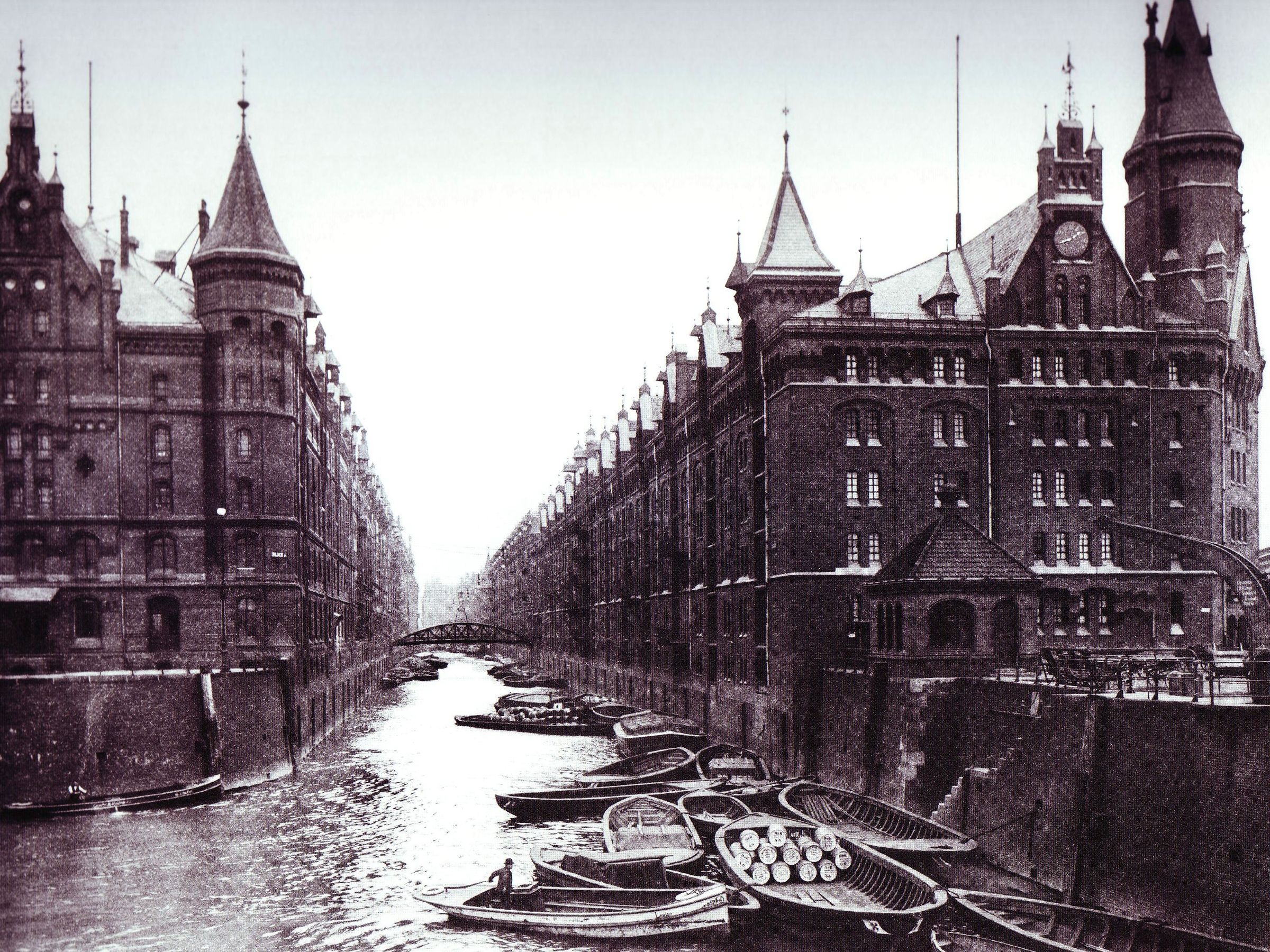
History of the Hamburg rug trade
From tea to rugs. How Hamburg became a hub for oriental rugs in the 19th century, and which trading houses laid the groundwork.
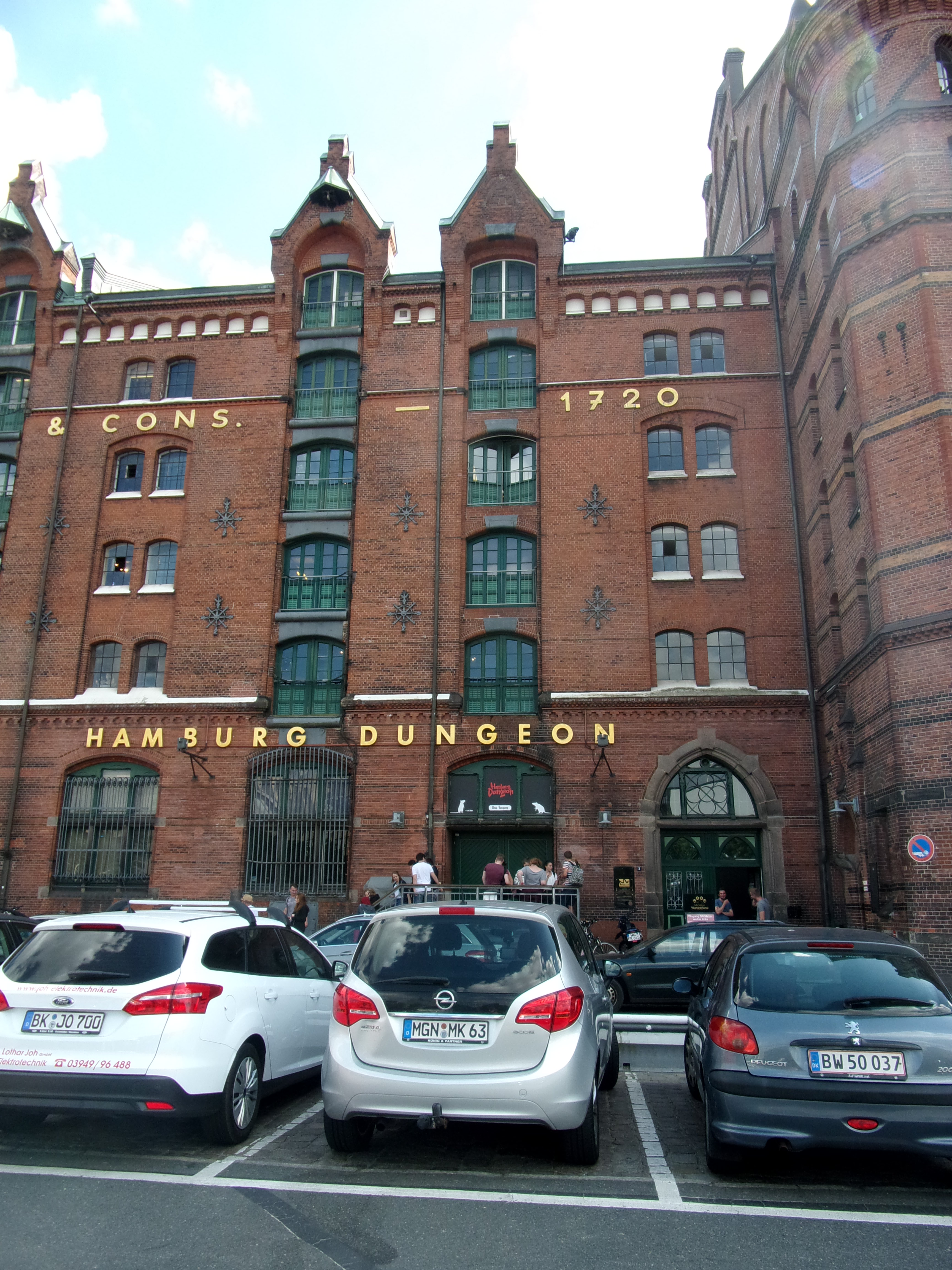
Rug warehouses in the Speicherstadt
Climate, ceilings, hoists, canals (Fleete). Why the red brick warehouses have worked perfectly for oriental rugs since 1888.
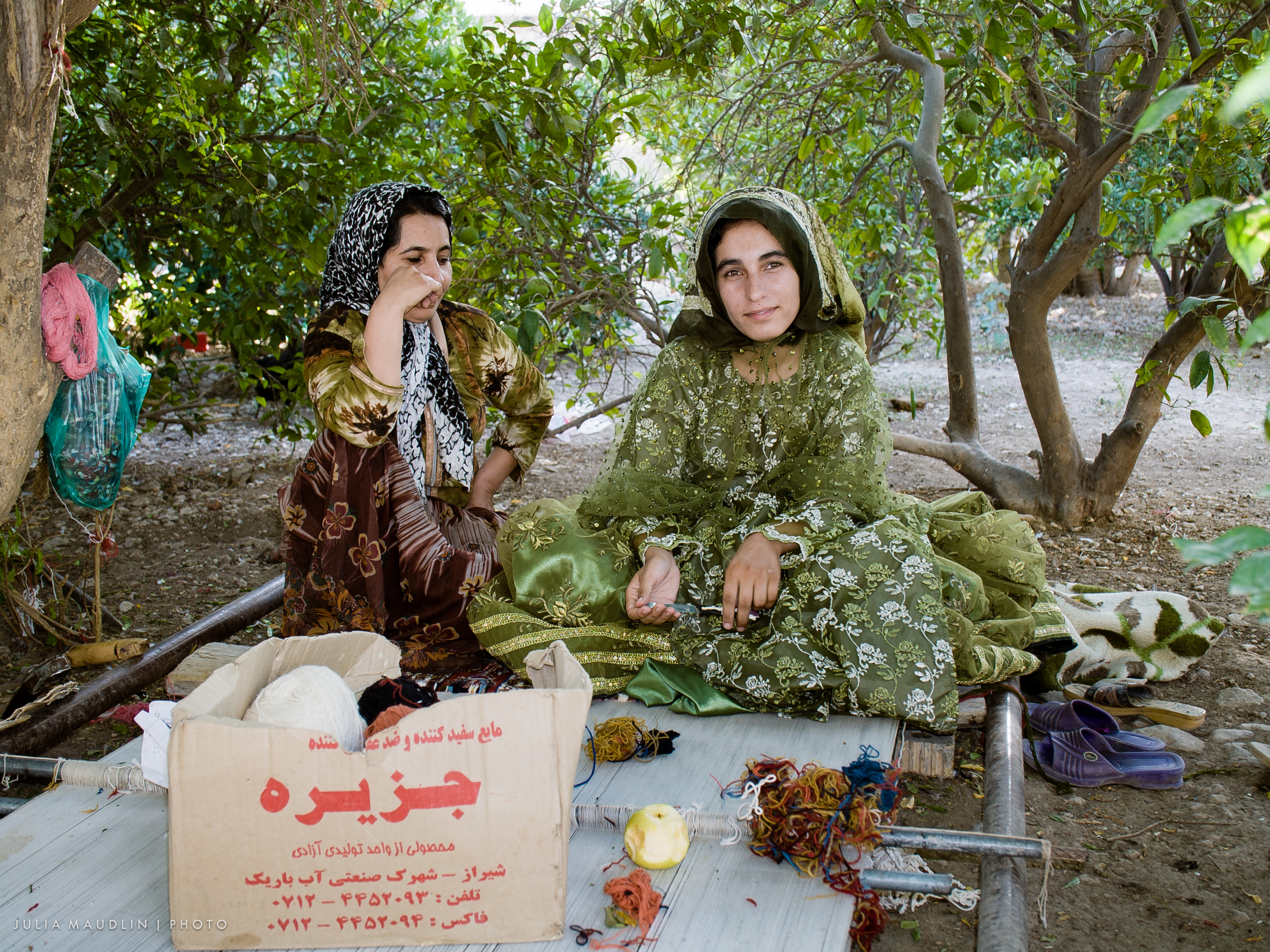
A rug's journey to Germany
Six stations, three countries, six to twenty-four months. The typical journey of a Persian rug from the loom to a Hamburg showroom.
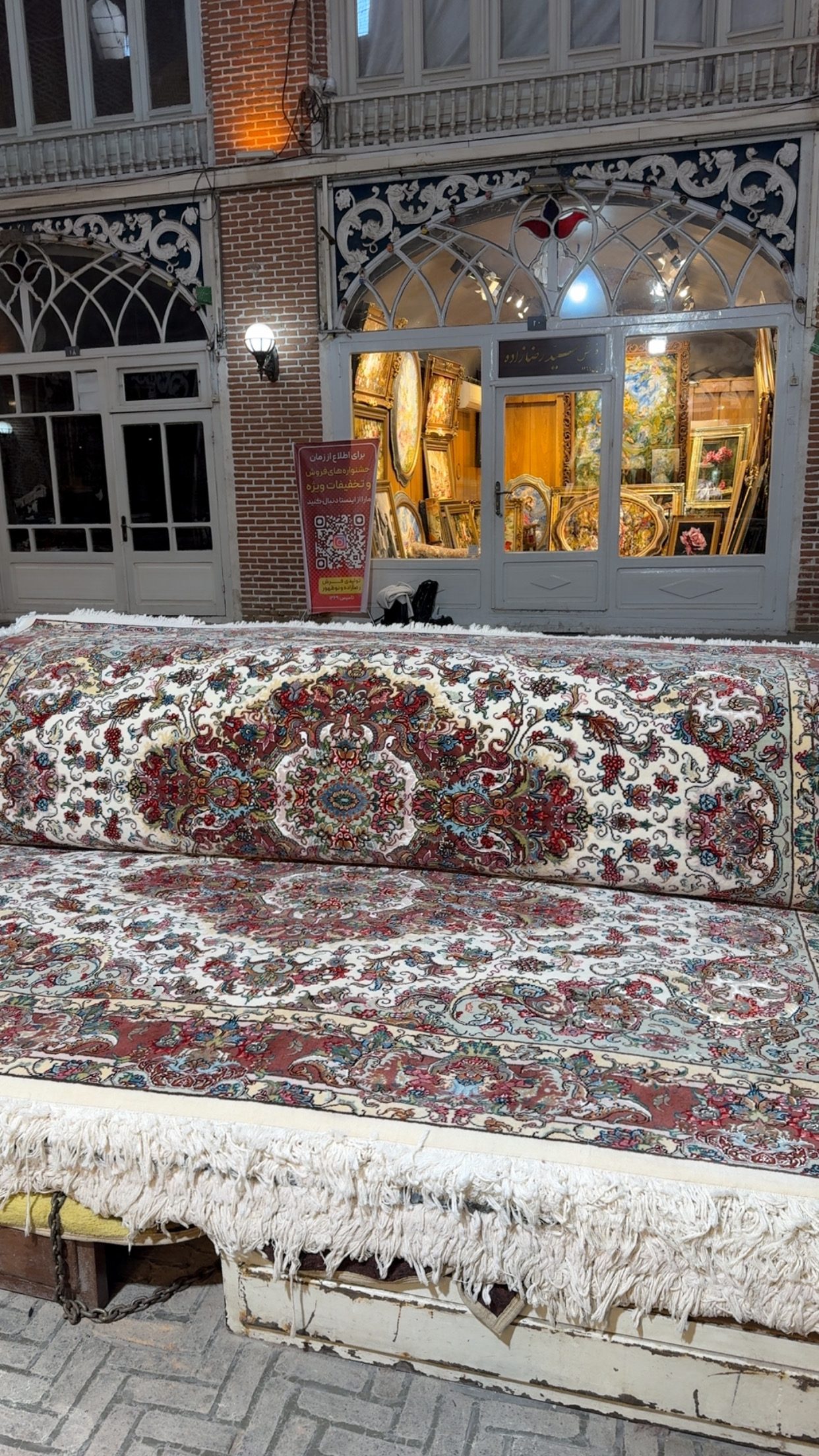
How dealers buy
What Hamburg rug dealers actually do in Persia, [Turkey](/tuerkei), and [India](/indien) to inspect, evaluate, and purchase merchandise.
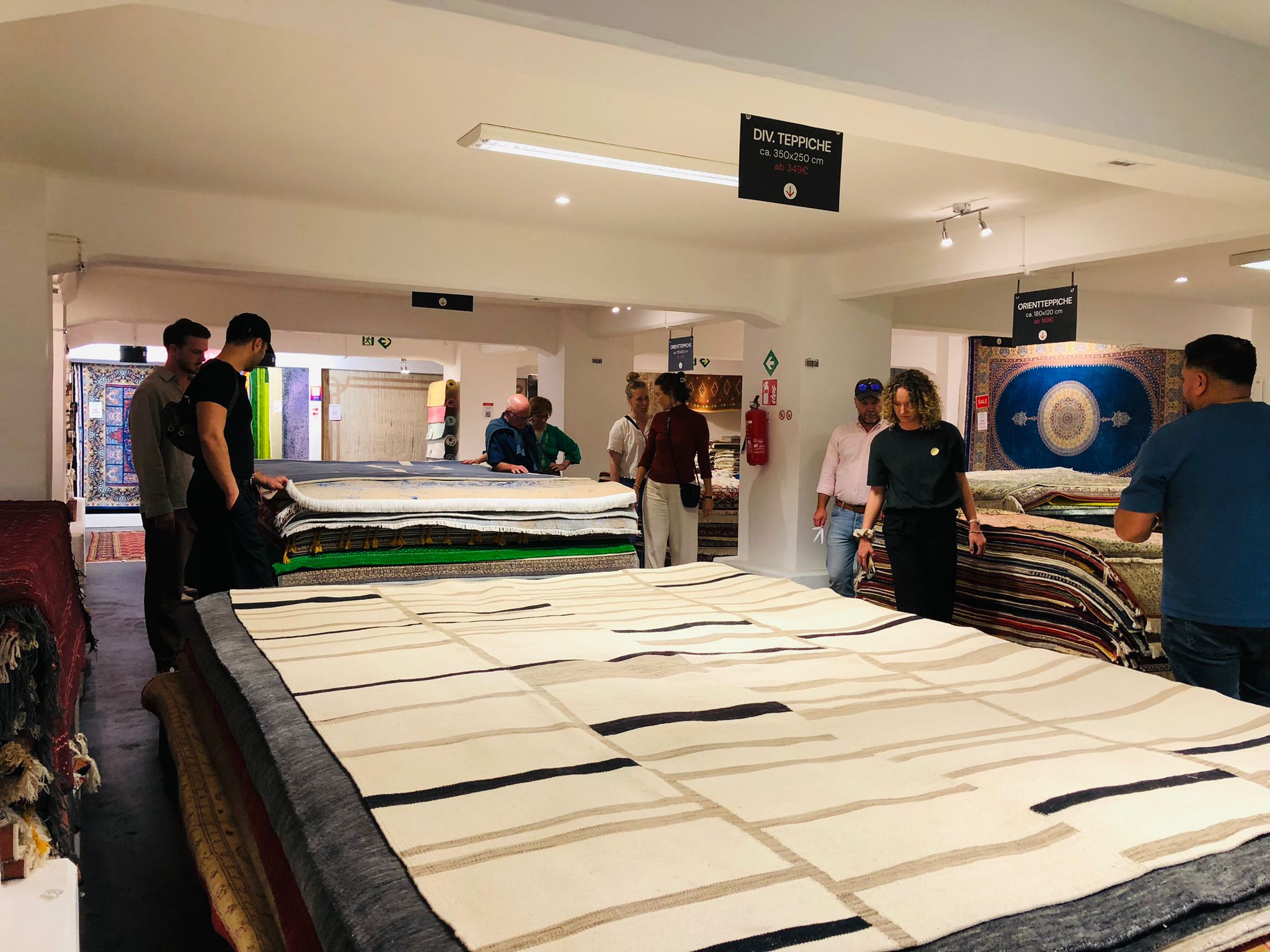
Morgenland showroom in the Speicherstadt
Our showroom sits at Brook 9 in 20457 Hamburg, in one of the historic warehouses. The hoist above the entrance still works and lifts rugs into the storage floor above, just as it did a hundred years ago.
Keep reading
History of the Hamburg rug trade
How tea and spice warehouses became oriental rug warehouses, and why the Speicherstadt still shapes what lies on German floors today.
ReadOrigins of the first rugs
From the nomads of Central Asia to the Pazyryk rug, more than 2,500 years of knotting history.
ReadMaster weavers
The women and men behind the best-known rugs, historical and contemporary workshops.
Read