Production methods
Knotting, weaving, tufting, machine production, patchwork. Five methods determine how rugs are made today. Each has its own price range, its own lifespan, and a clear identifying mark on the back. This page sets the methods alongside each other and links to the detailed pages of each.
#Why does the manufacturing method decide the value?
Two rugs can be made from identical wool, with the same pattern and the same size, and differ in value by a factor of twenty. The difference almost always sits in the method. A hand-knotted rug can last generations, be repaired, and rise in value. A machine-tufted rug from the same materials lasts five to fifteen years, cannot be repaired, and loses value year on year. Anyone who buys a rug buys the method as clearly as the material.
Methods in detail
Dedicated deep-dive pages for each production method, its history, and how to identify it.
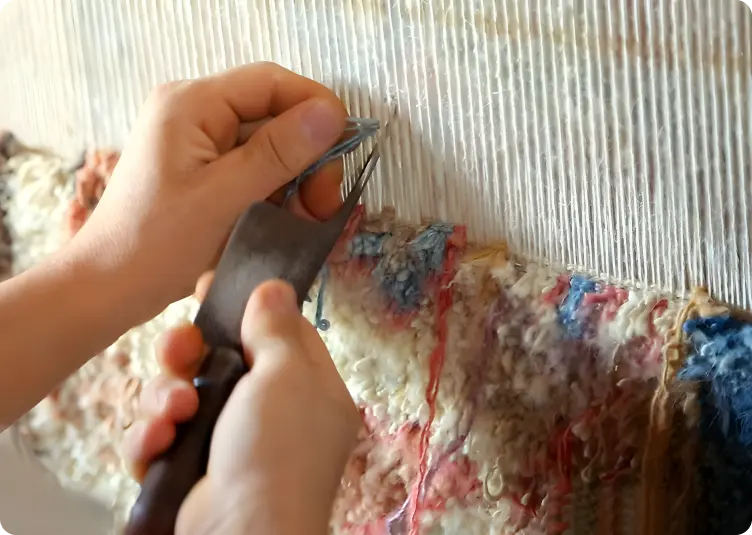
Knotting
Hand-knotted, knot by knot. Material, dyeing, knot types, and the full process.
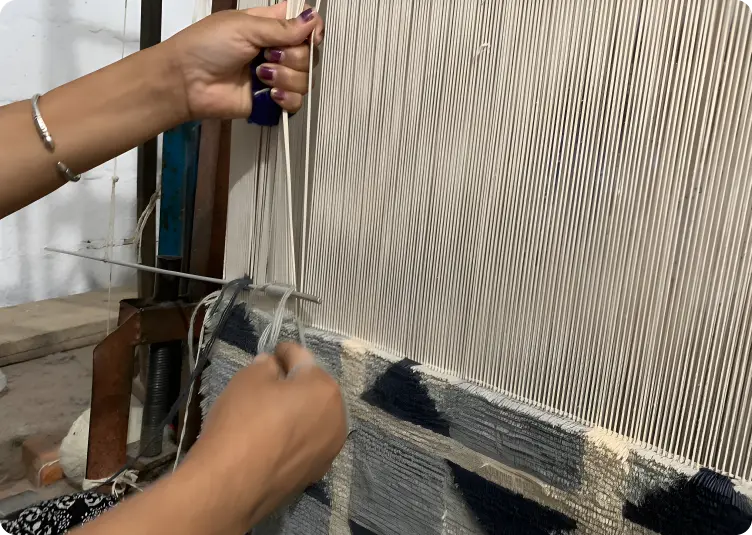
Weaving
Kilim, sumak, and machine processes like Wilton and Axminster.
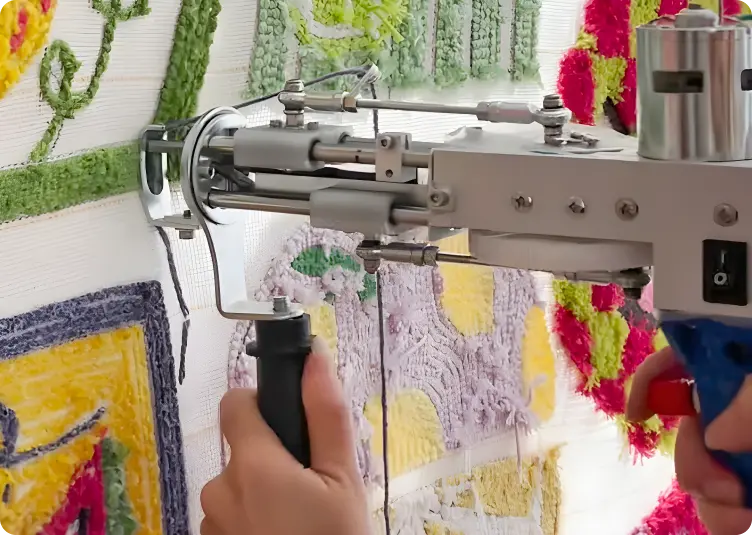
Tufting
Hand-tufted and machine-tufted, latex backing, and what it means.
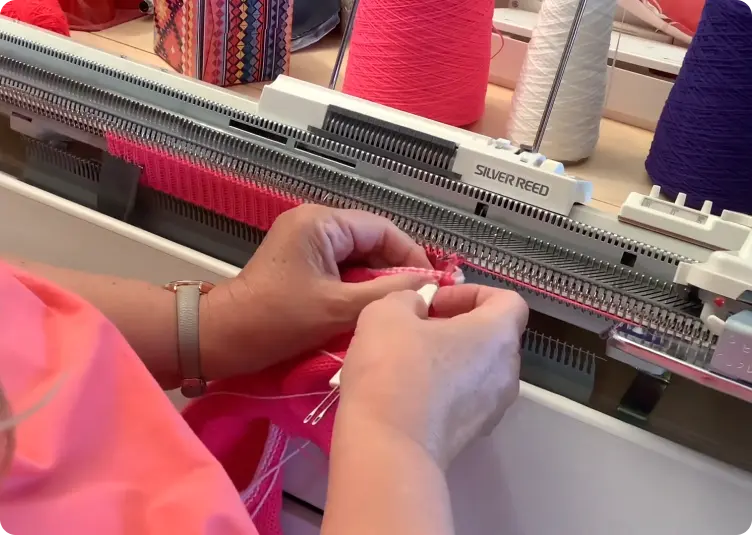
Machine-made
Wilton, Axminster, power loom, and modern tufting machines.
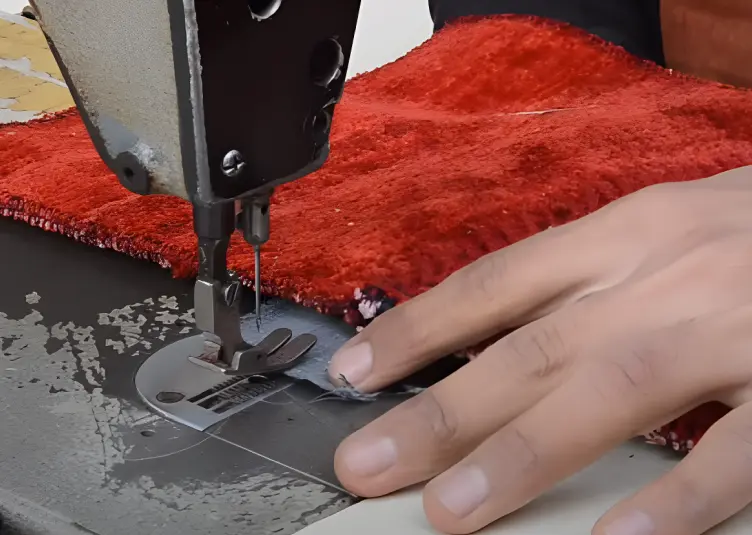
Patchwork
Old oriental rugs become a new piece with its own visual language.
How do the five methods differ?
Most clearly in lifespan: hand-knotted 60 to over 100 years, hand-woven 20 to 50, patchwork 15 to 40, hand-tufted 15 to 30, machine-made 5 to 25. The price range follows roughly the same order, and the table shows how to recognize each method.
| Method | Lifespan | Price range | Identifiable by |
|---|---|---|---|
| Hand-knotted | 60 to 100+ years | high to very high | individual knots visible, pattern clear on the back |
| Hand-woven | 20 to 50 years | medium | reversible, no pile |
| Hand-tufted | 15 to 30 years | medium | latex back, backing fabric |
| Machine-tufted | 5 to 15 years | low | latex, perfectly even |
| Machine-woven | 10 to 25 years | low to medium | perfectly even, machine-made selvedge |
| Patchwork | 15 to 40 years | medium | seam pattern, recycled wool material |
#How do you identify the manufacturing method?
The back tells you nearly everything. Turn the rug over. A hand-knotted rug shows each individual knot as a tiny colored dot, the pattern stays clear from the back, and small irregularities are visible. A hand-woven rug has no pile and shows the pattern on both sides exactly the same. A tufted rug gives itself away through the latex layer or the glued-on backing fabric. No knots are visible there. A machine-made rug is perfectly even in structure, often with a machine-made selvedge along the long sides. A patchwork rug shows rectangular or square patches joined by stitching or embroidered strips.
Keep reading
Materials for oriental rugs
Wool, silk, cotton, jute, and synthetic fibers. What sets each apart, what it suits, and how it feels.
ReadIdentifying oriental rugs
The key markers to distinguish a genuine hand-knotted oriental rug from imitations.
ReadMaster weavers
The women and men behind the best-known rugs, historical and contemporary workshops.
Read