

Care and cleaning
A well-cared-for oriental rug retains its beauty for decades and can increase in value. Here are the most important care tips.
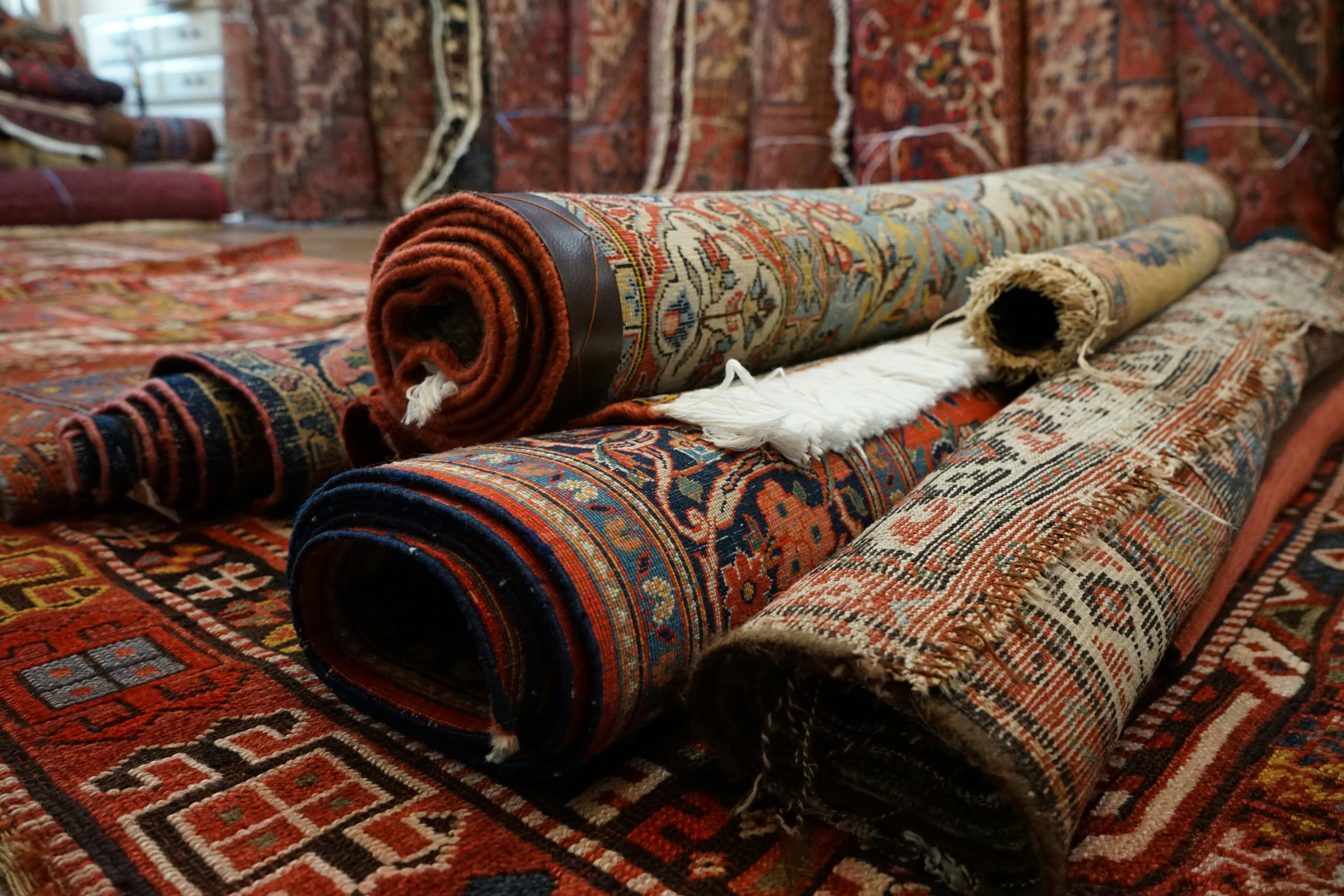
#Routine care

Photo: Morgenland Teppiche
Vacuum your oriental rug once or twice a week — always in the direction of the pile, never against it. Use a smooth attachment without a rotating brush, which can damage the fibers. Rotate the rug 180° every six months so it wears evenly and sunlight does not bleach the colors on one side. Direct sunlight should generally be avoided; curtains or UV-protective films help preserve the colors for decades.
#Stain removal
Act immediately on stains: blot spilled liquid with an absorbent cloth — never rub, as this presses the stain deeper into the fibers. Cold water with a drop of mild wool detergent works for most stains. Red wine can be neutralized with sparkling water; wax can be removed with blotting paper and a low-heat iron. For stubborn stains or delicate silk rugs, consult a specialist rug cleaner.
#Professional cleaning
A professional wet cleaning is recommended every three to five years. Specialist rug cleaners wash the rug in running water using gentle, pH-neutral detergents. Make sure the cleaner has experience with hand-knotted oriental rugs — standard carpet cleaning with high-pressure machines can loosen knots and damage colors. After washing, the rug is dried flat and then brushed to lift the pile.
#Moth protection
Wool rugs are vulnerable to clothes moths, which lay their eggs in dark, undisturbed areas — for example, under heavy furniture or in folds. Regular vacuuming — including the back of the rug and under furniture — is the best protection. Lavender sachets or cedarwood rings act as natural deterrents. If you spot signs of damage (bald patches, fine dust), have the rug professionally treated and do not store it until the infestation is fully eliminated.
#Storage
When not in use, roll the rug up in the direction of the pile — never fold it, as creases can break the warp threads. Wrap it in acid-free paper or a clean cotton cloth; plastic film traps moisture and encourages mould. Store the rug in a cool, dry place and check it every few months for moth infestation or moisture damage.
#Repair and restoration

Photo: Morgenland Teppiche
Minor damage such as loose fringes or slightly torn edges should be repaired promptly before it spreads. A loose thread can be carefully pushed back with a blunt needle. For larger repairs — such as holes, missing rows of knots, or heavily worn areas — consult an experienced rug restorer. For antique pieces, professional restoration can significantly increase the value.