//
The pinnacle of oriental carpets, hand-knotted in Iran with centuries-old tradition and unmatched variety.
Photo: Morgenland Rugs
Persian rugs are hand-knotted rugs from Iran, formerly Persia, and rank among the most recognized oriental rugs in the world. They are classified by their region or knotting center of origin, such as Nain, Tabriz, Isfahan, Qom, Kerman, Heriz, Bijar and Sarouk. Patterns, colors, materials, knot density and value differ significantly from one region to the next.
A Persian rug is therefore not a single type but a large family of regional knotting traditions. Some centers stand for the finest manufactory work with over a million knots per square meter, others for robust village and tribal goods with bold geometric patterns. This page explains the most important types, their quality markers, the differences between regions, and what to look for when buying.
Every Persian rug is an oriental rug, but not every oriental rug is a Persian rug. Persian rugs come exclusively from Iran. Oriental rug is the umbrella term for hand-knotted rugs from the various knotting regions of the Orient, including alongside Iran also Turkey, the Caucasus, Afghanistan, Pakistan, India and Central Asia.
In the trade, the label "authentic Persian rug" generally refers to a hand-knotted rug from Iran. Machine-made rugs with a Persian pattern are not Persian rugs but reproductions of the design. The full comparison is covered on the page Persian rug vs. oriental rug.
Persian knotting reaches back over two and a half millennia. Even the Pazyryk rug, the oldest surviving example of its kind, shows fifth-century BC motifs that point to the Persian court arts. The craft reached its high point under the Safavids in the 16th and 17th centuries, when the royal workshops of Isfahan, Kashan and Tabriz produced the famous medallion and hunting rugs.
Via the Silk Road, Persian rugs reached Europe, where they appear on Renaissance paintings as a marker of status. In 1935 Persia became the modern state of Iran, but the knotting tradition continued. To this day, cities such as Tabriz, Qom, Isfahan, Kashan, Shiraz, Kerman and Mashhad are quality terms in their own right. More on the development of the craft is in History of knotting.
The name of a Persian rug almost always points to its place of origin. Each region has developed its own repertoire of patterns, colors and knotting techniques over generations. The overview below places the most important centers.
| Region / style | Known for | Typical features |
|---|---|---|
| Nain | fine knotting | light colors, blue and beige, silk inlays |
| Isfahan | master quality | fine floral patterns, kork wool, silk |
| Tabriz | variety | medallion, floral and geometric designs |
| Qom | silk | very fine silk rugs, highest density |
| Heriz | robustness | large geometric medallions |
| Bijar | density | very firm, heavy pile |
| Sarouk | floral elegance | dense floral patterns, deep red |
| Kerman | rich detail | soft palette, floral pictorial rugs |
| Hamadan | village goods | robust everyday rugs, geometric |
The finest city productions come from Isfahan, Nain and Qom. Robust, everyday-ready qualities come from Heriz, Hamadan and Bijar. Tabriz sits between them, covering the whole spectrum from coarse utility rug to collector grade. All registered styles can be found in the styles overview.
The foundation of a Persian rug is usually made of cotton, and on finer pieces of silk. The pile is knotted into this foundation, traditionally from virgin wool, at top quality from kork wool, the particularly soft wool from the necks of young sheep. Pure silk rugs from Qom or Isfahan are among the most valuable knotted works there are.
Characteristic is the asymmetric Persian knot, also called the Senneh knot. It allows a finer pattern resolution than the symmetric Turkish knot and is the reason for the high level of detail in Persian designs. The individual techniques are covered in Knot types, the full process in Production.
Knot density is one of the most important quality markers. In Persian rugs it ranges from around 100,000 knots per square meter for coarse village rugs to over 1,000,000 knots for fine silk pieces from Qom or Isfahan. The finer the knotting, the more precise the pattern and the higher the labor input. What the number actually says is explained in the article Knot density explained.
In some regions, fineness is given in its own units. Tabriz counts in Raj, Nain in La grades. The La grades indicate how many warp threads form a single knot: 9 La counts as fine, 6 La as very fine, 4 La as collector grade.
An authentic Persian rug can be recognized by several features that together give a reliable picture:
A certificate of authenticity can support these features but does not replace personal inspection. The complete guide is in Recognize an oriental rug and Is my rug authentic?.
The value of a Persian rug is determined by knot density, material quality, age, rarity of the pattern, condition and place of origin. Silk rugs and pieces from renowned knotting centers fetch the highest prices. Why hand-knotted rugs command their prices at all is explained in Why authentic rugs are expensive.
Before buying, it is worth reading Identifying valuable Persian rugs and the general buying guide. Anyone torn between several styles can compare them directly in the style comparison.
Persian rugs work as a representative center point of a room. Large pieces anchor a seating arrangement in the living room, narrow formats serve as runners in hallways or as accents in bedrooms and home offices. When placing the rug, light conditions matter, since intense sunlight can fade the precious natural dyes over the years. With modern furniture they create an appealing contrast, in classical interiors a Persian underlines the traditional line.
Persian rugs last for generations with the right care. Regular vacuuming in the pile direction, occasional professional cleaning and protection from direct sun preserve color and substance. Stains should be treated immediately. The complete routines are in the care overview.
Authentic Persian rugs come from Iran, are hand-knotted and show the pattern clearly as a mirror image on the back. The fringes are part of the foundation, small irregularities and the natural color shift Abrash document the handwork. A certificate of authenticity supports these features but does not replace your own inspection.
Persian rugs come from Iran. Oriental rug is the umbrella term for hand-knotted rugs from across the Orient, including Turkey, the Caucasus, Afghanistan and India. Every Persian is an oriental rug, but not the other way around.
Regular vacuuming in the pile direction and occasional professional cleaning preserve quality. Stains should be treated immediately with clean water. Avoid direct sunlight and high humidity.
The rug size should match the room and furniture. As a rule of thumb, either all furniture legs sit on the rug or all of them stand off it. In living rooms, sizes from 200 by 300 cm are standard.
Decisive are knot density, material quality, age, rarity of the pattern, condition and place of origin. Silk rugs and pieces from renowned knotting centers fetch higher prices.
High-quality, well-preserved Persian rugs can hold or increase their value. Particularly rare, old or master-knotted pieces are considered collectible. There is no guarantee of appreciation, however.
The finest Persian rugs come from Qom, Isfahan and Nain. Pure silk rugs from Qom reach the highest knot densities, Isfahan stands for the finest kork wool with silk accents, Nain for its characteristic blue-and-beige palette with 6 or 9 La.
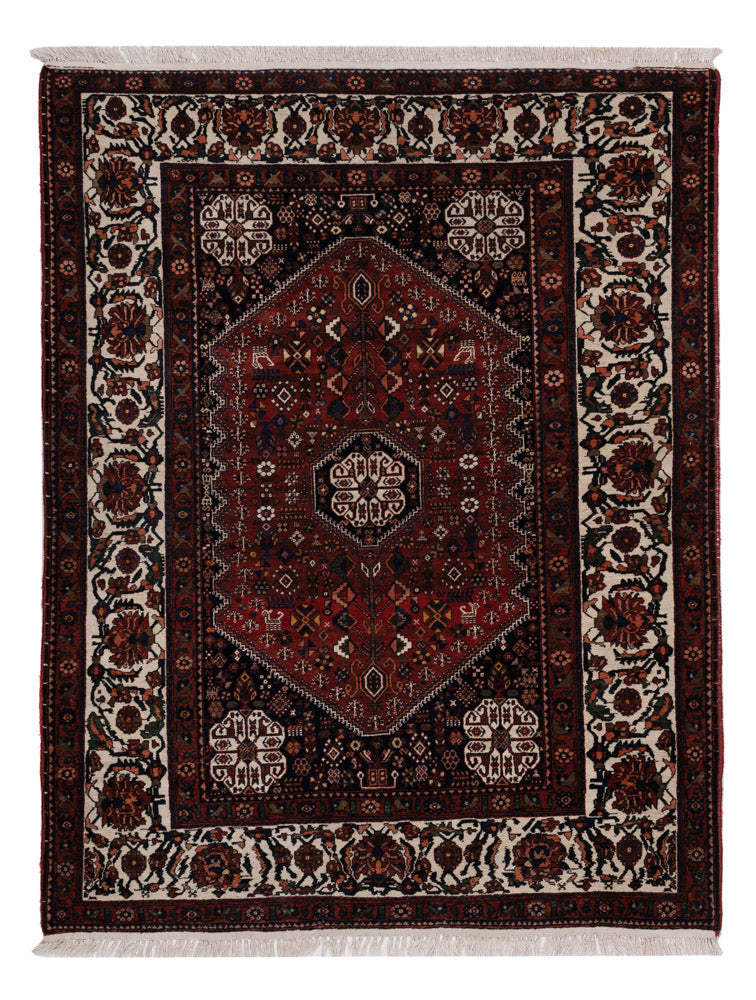
Abadeh rugs come from the eponymous town between Isfahan and Shiraz and stand out with their clean geometric medallions.
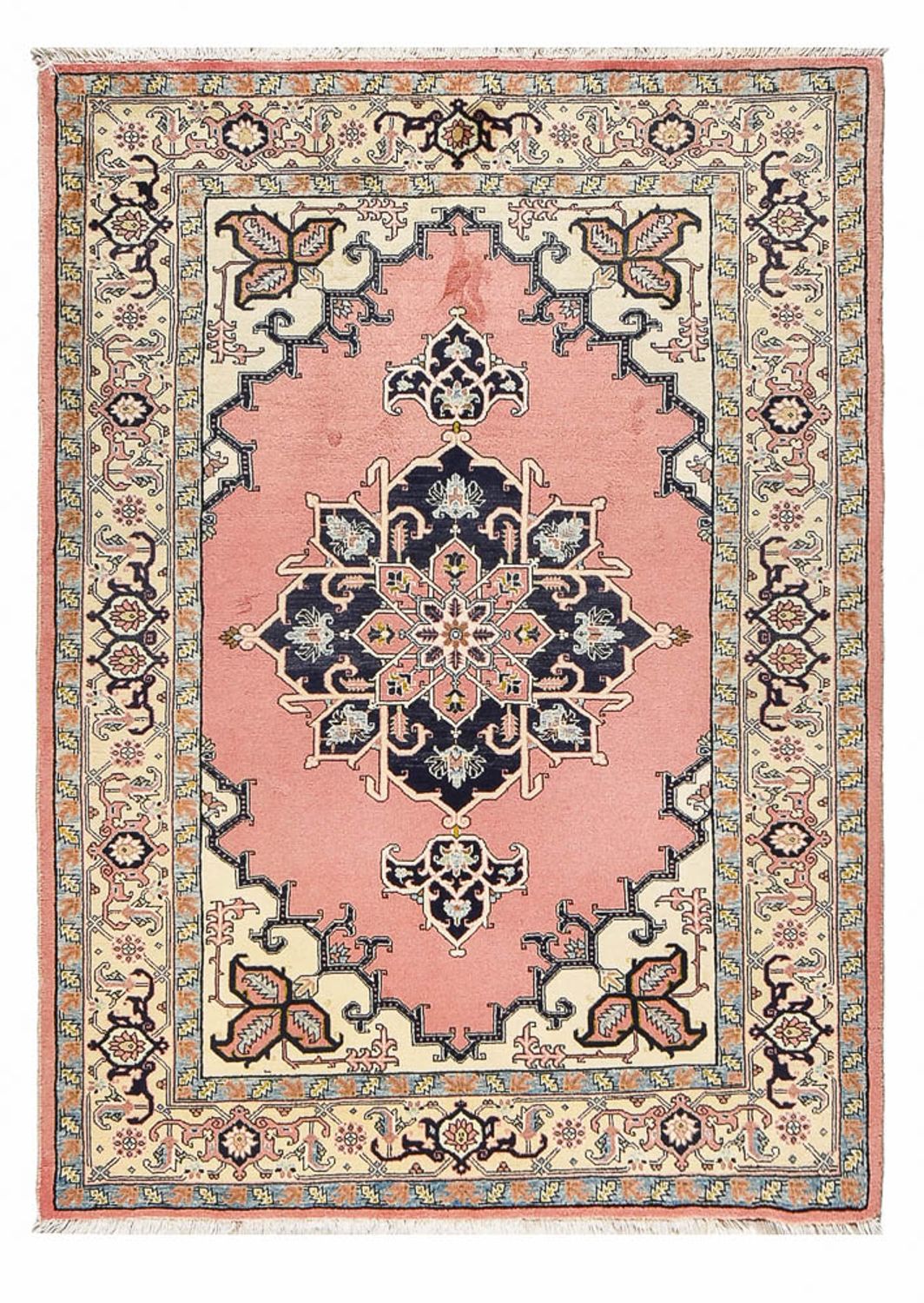
Ardebil rugs come from northwestern Iran and often show geometric patterns with Caucasian influence.
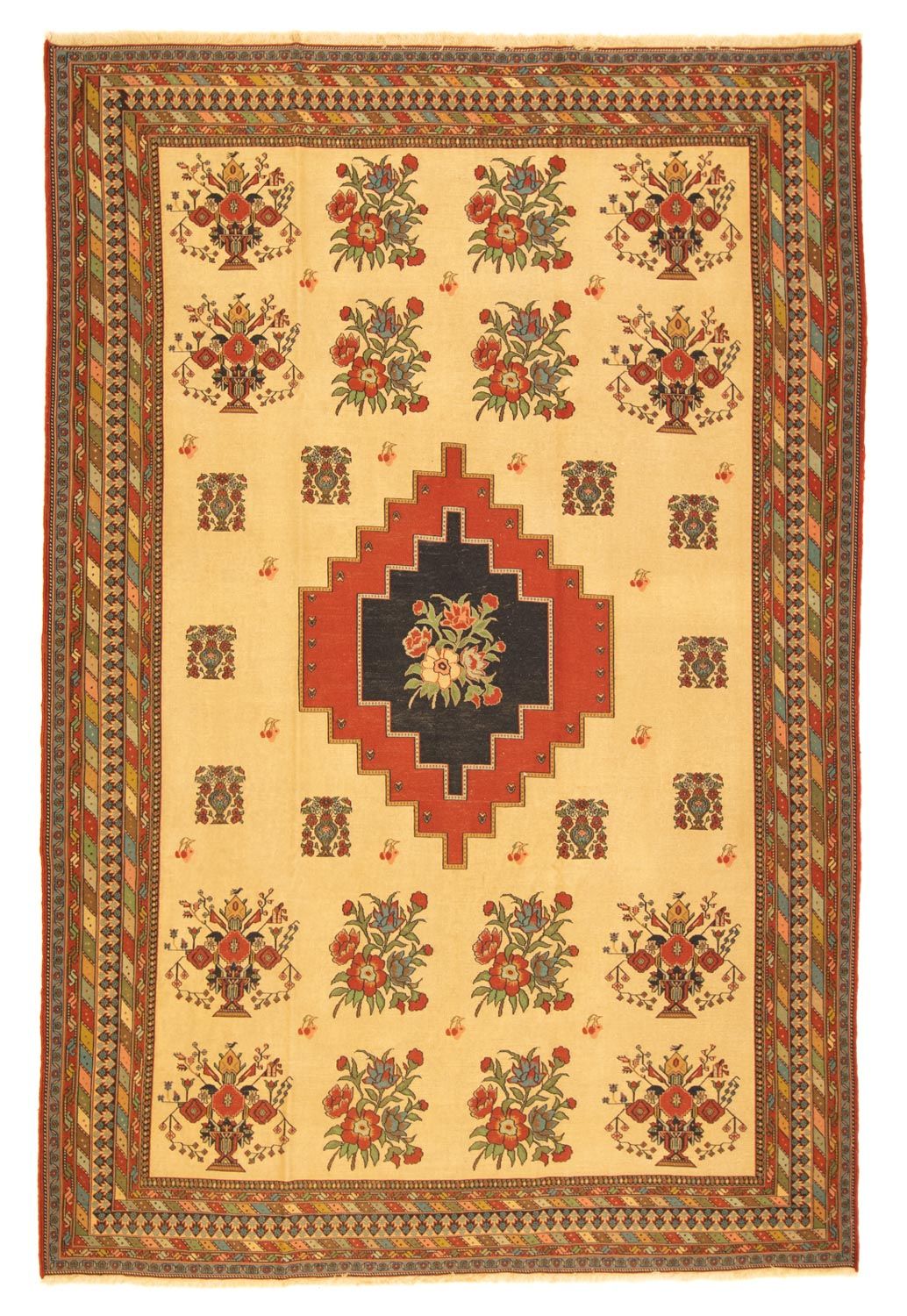
Afshar rugs are knotted by semi-nomadic tribes in southeastern Iran, blending nomadic motifs with refined craftsmanship.
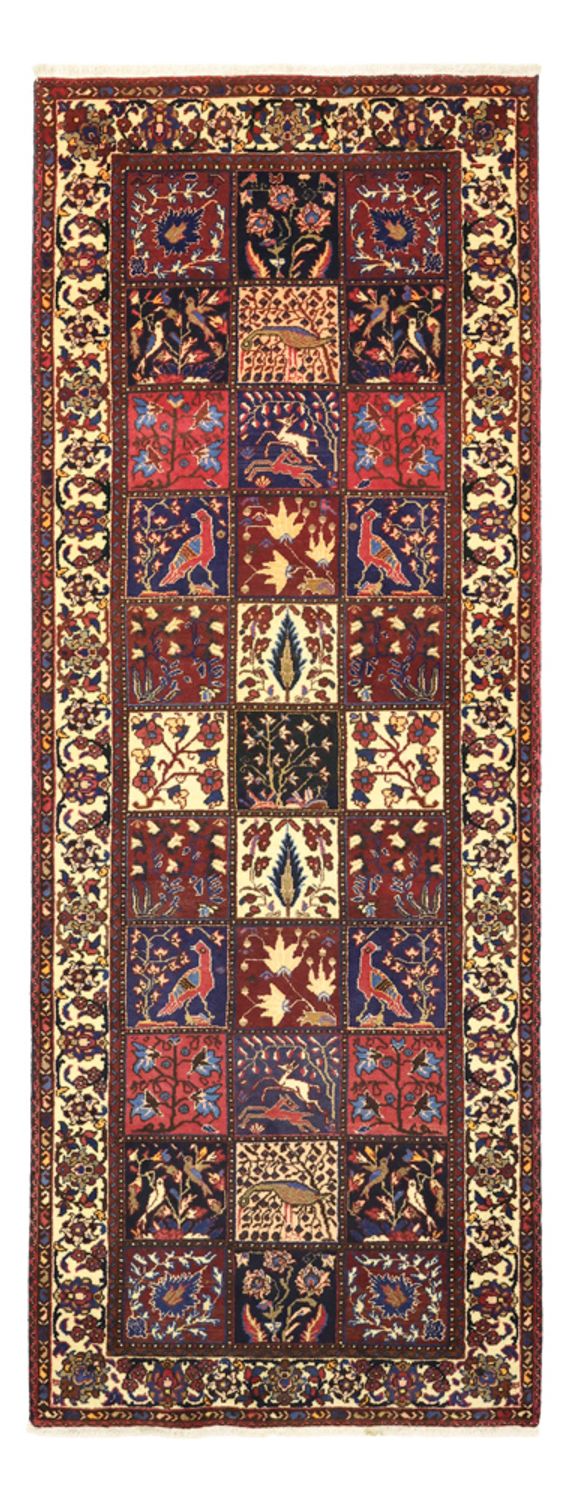
Bakhtiari rugs are knotted by the Bakhtiari tribes in the Zagros mountains and are known for their characteristic garden compartments.
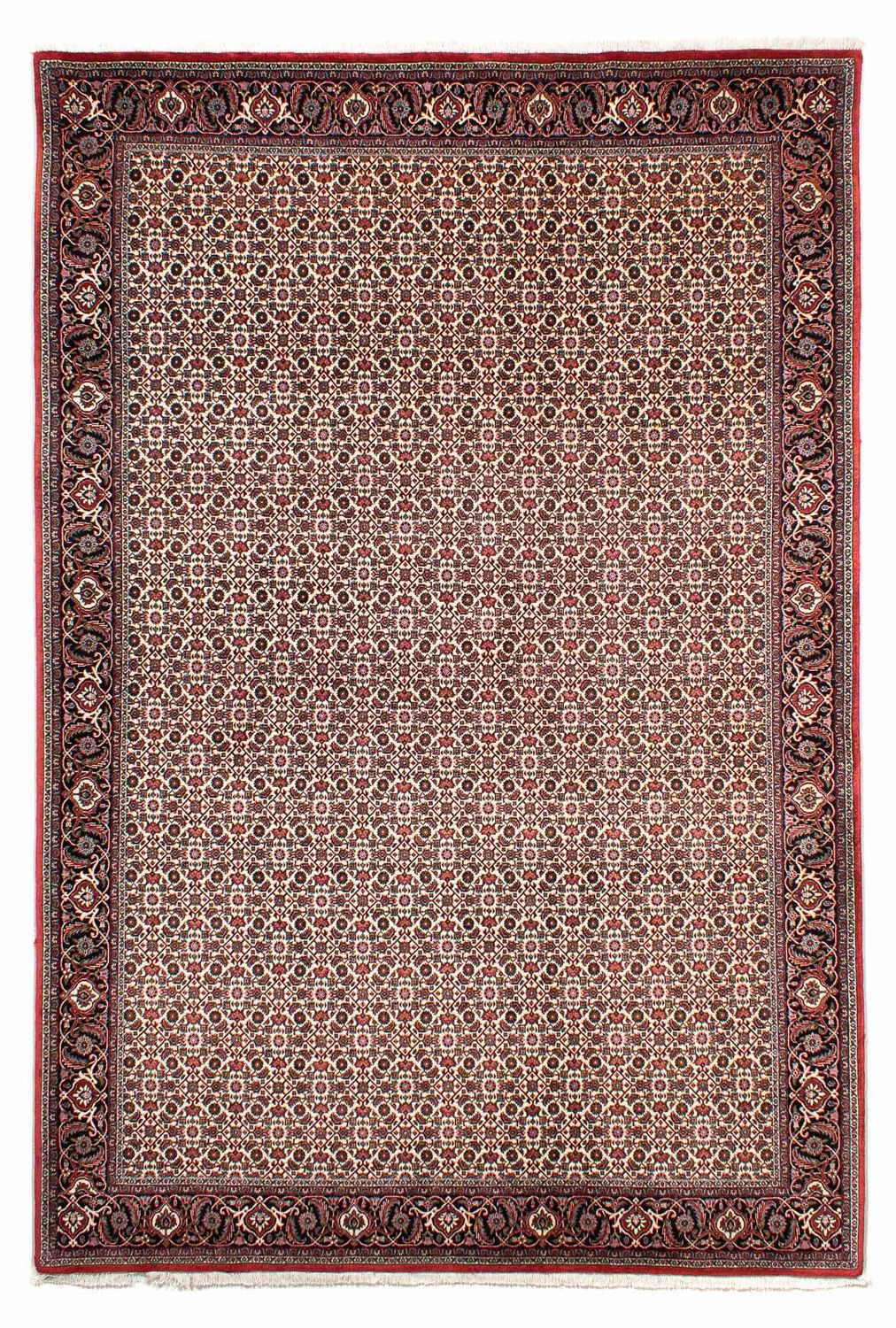
Bijar rugs from Iranian Kurdistan are considered the most durable Persian rugs, densely knotted and exceptionally hard-wearing.
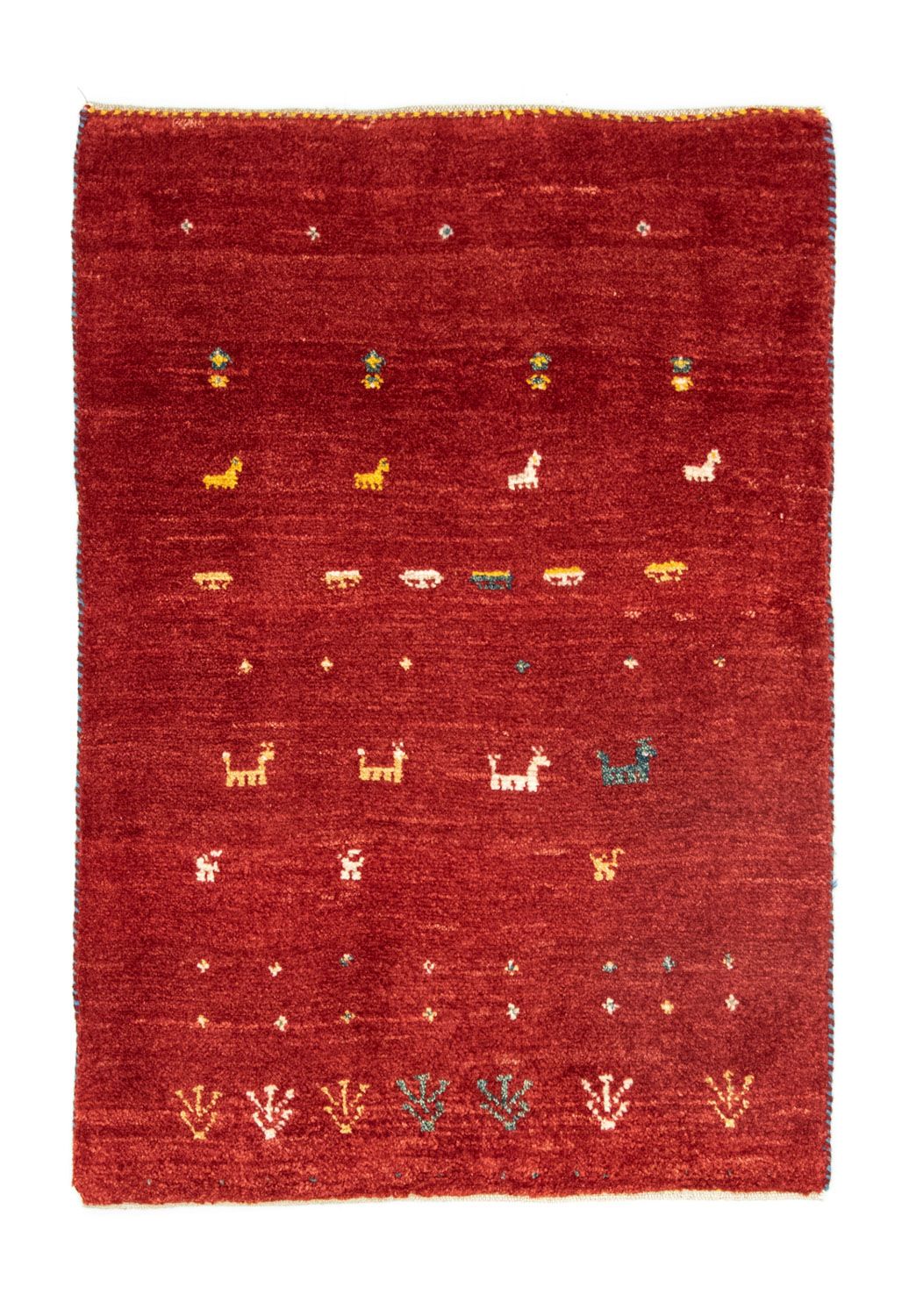
Qashqai rugs are knotted by the eponymous nomadic tribe in Fars Province and stand out with their distinctive medallion style.
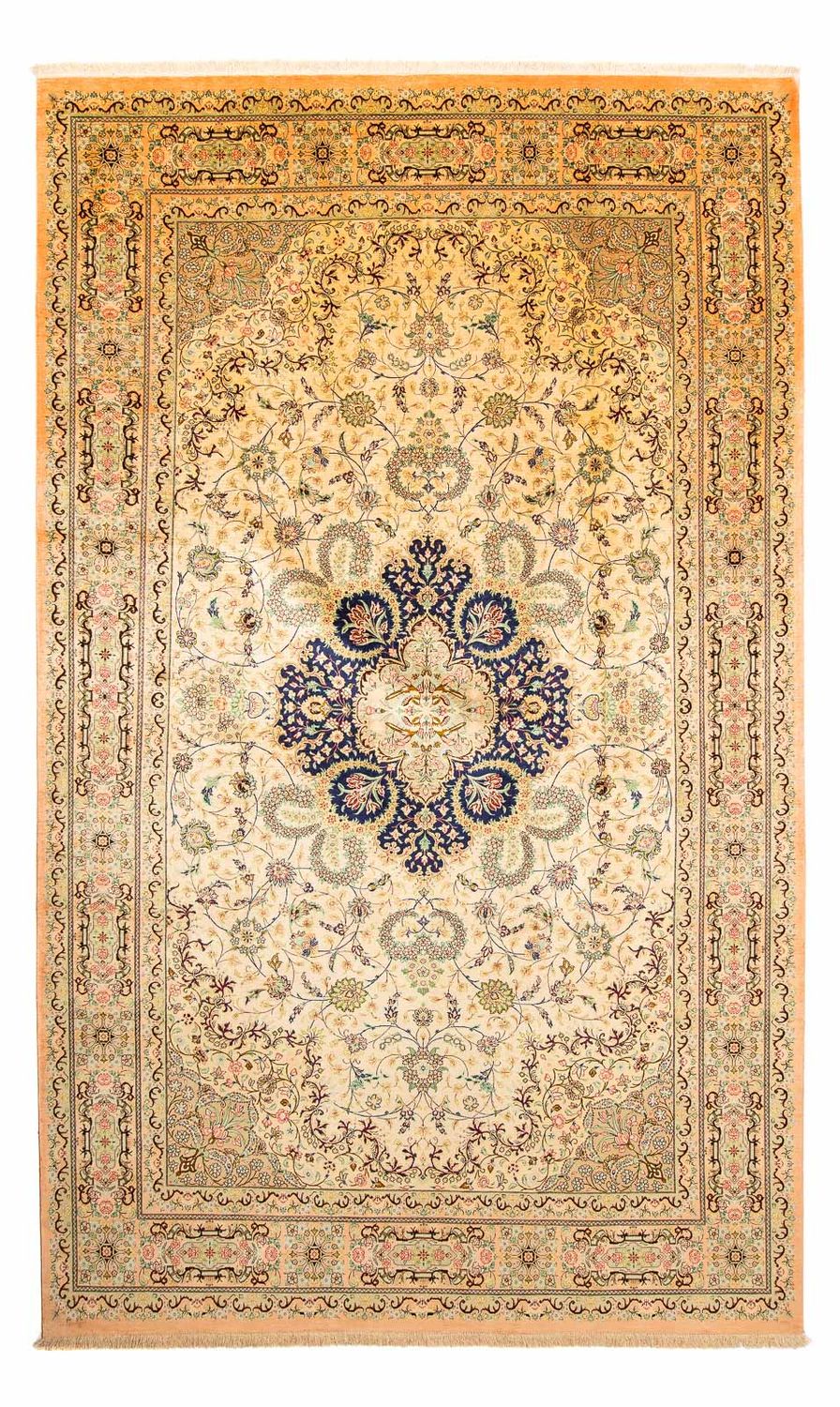
Qom rugs from the holy city are among the finest Persian rugs and are particularly prized in pure-silk versions.
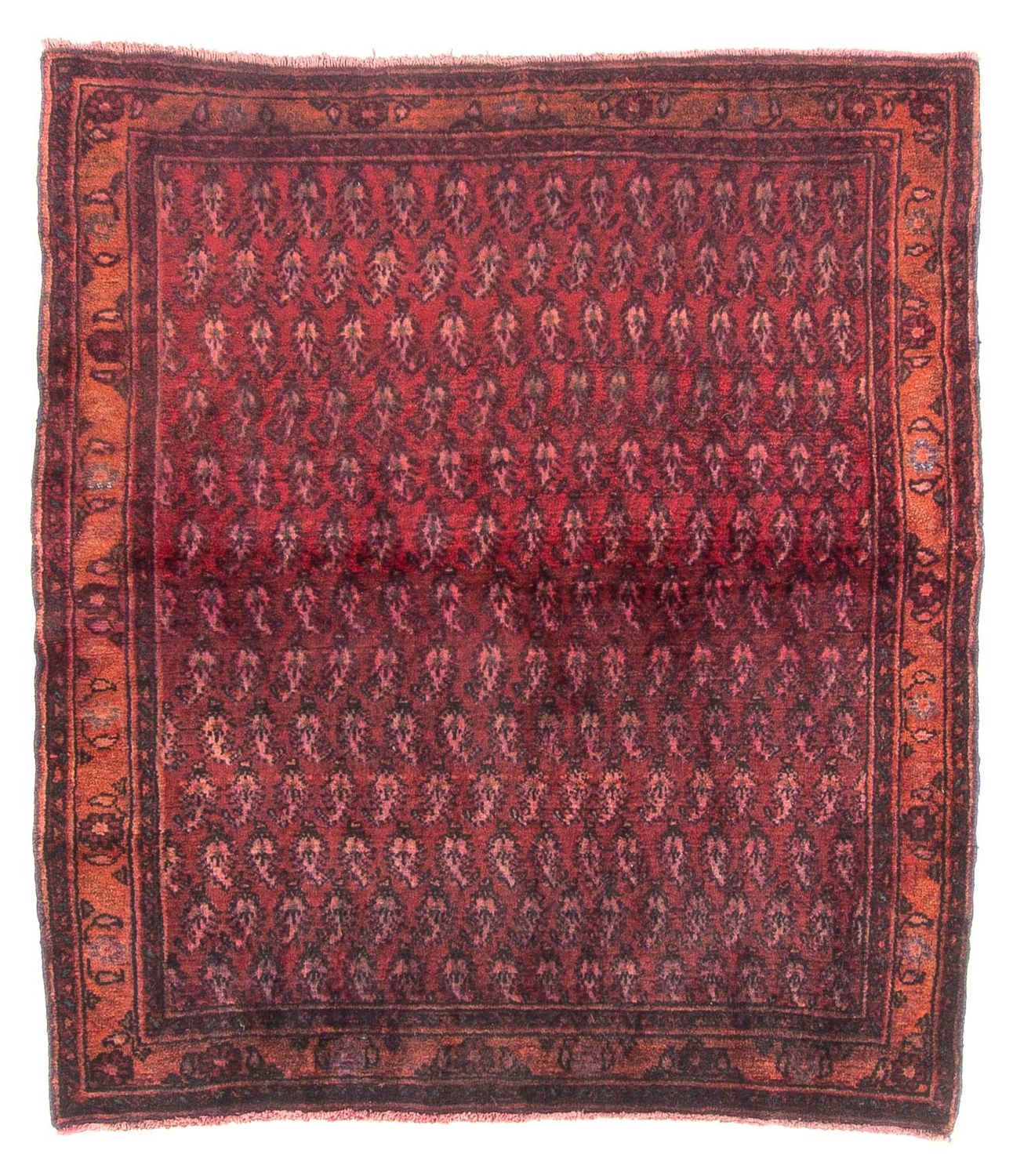
Hamadan rugs come from western Iran and are produced in countless village workshops, robust, affordable, and highly varied.
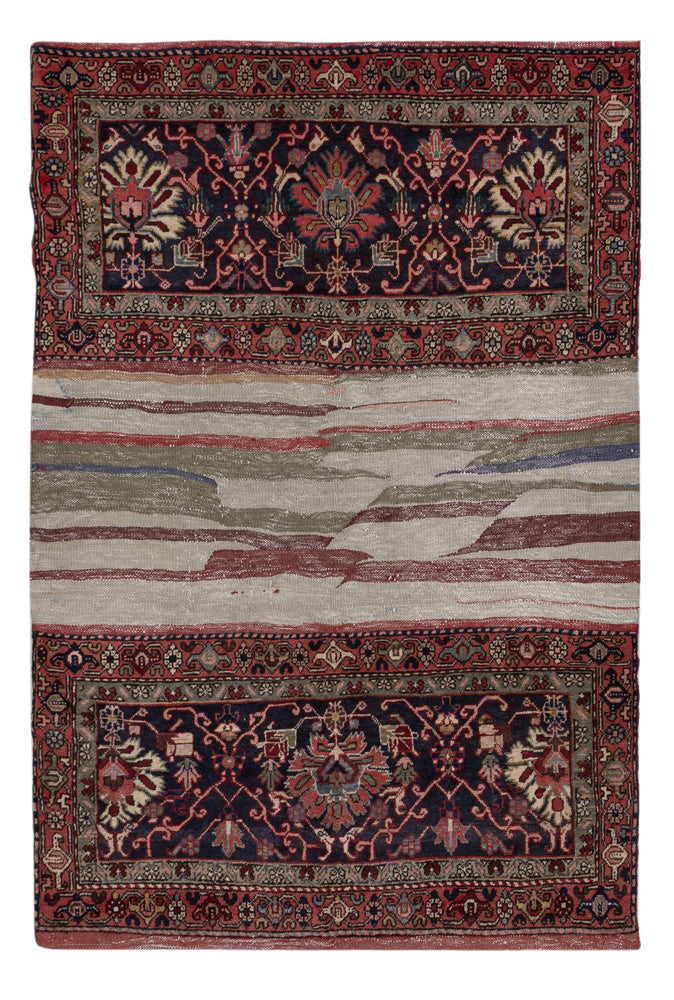
Heriz rugs from northwestern Iran are known for their bold geometric medallions and exceptional durability.
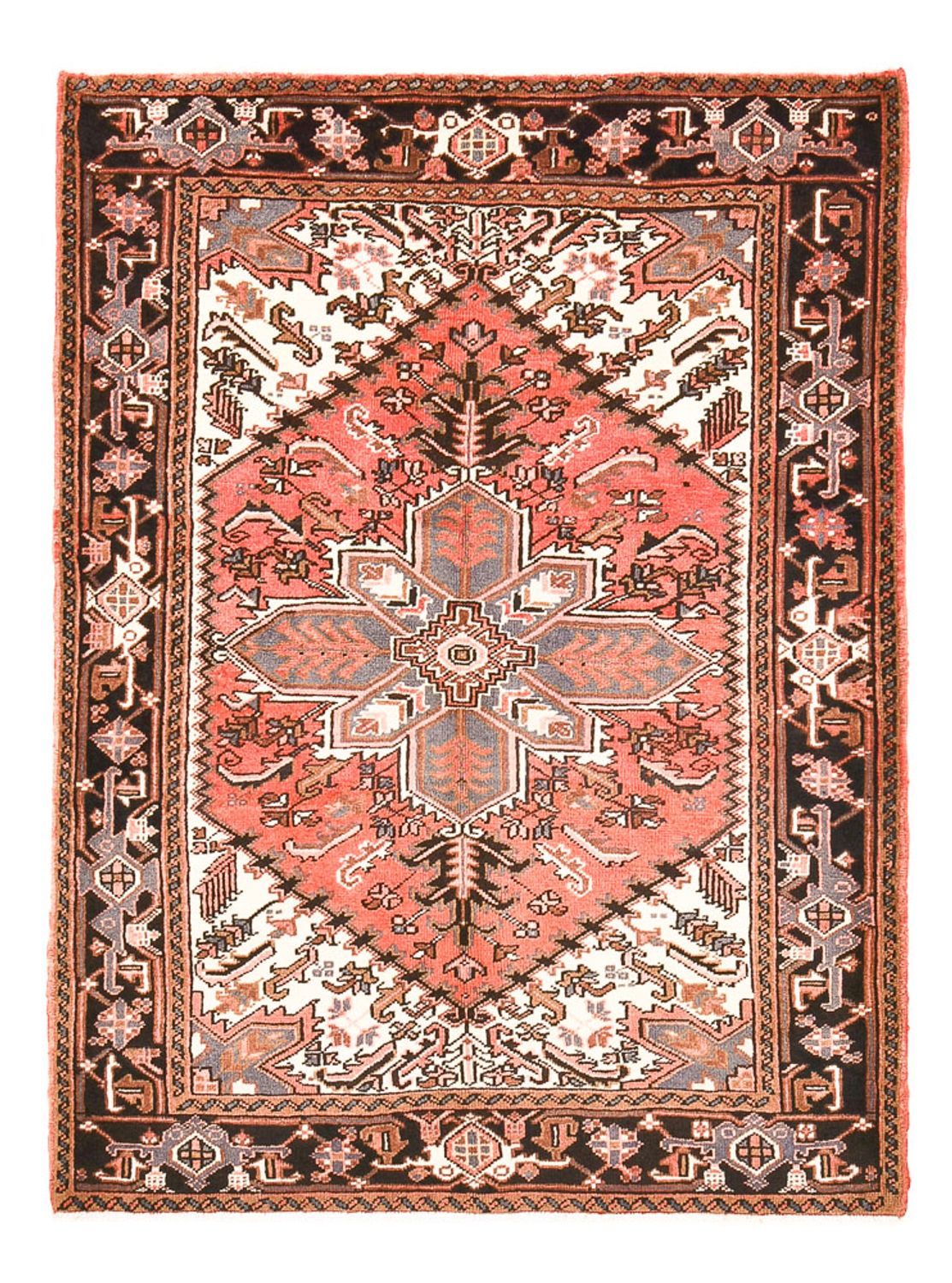
Garawan rugs come from a village in the Heris region and are slightly coarser than the well-known Heriz pieces.
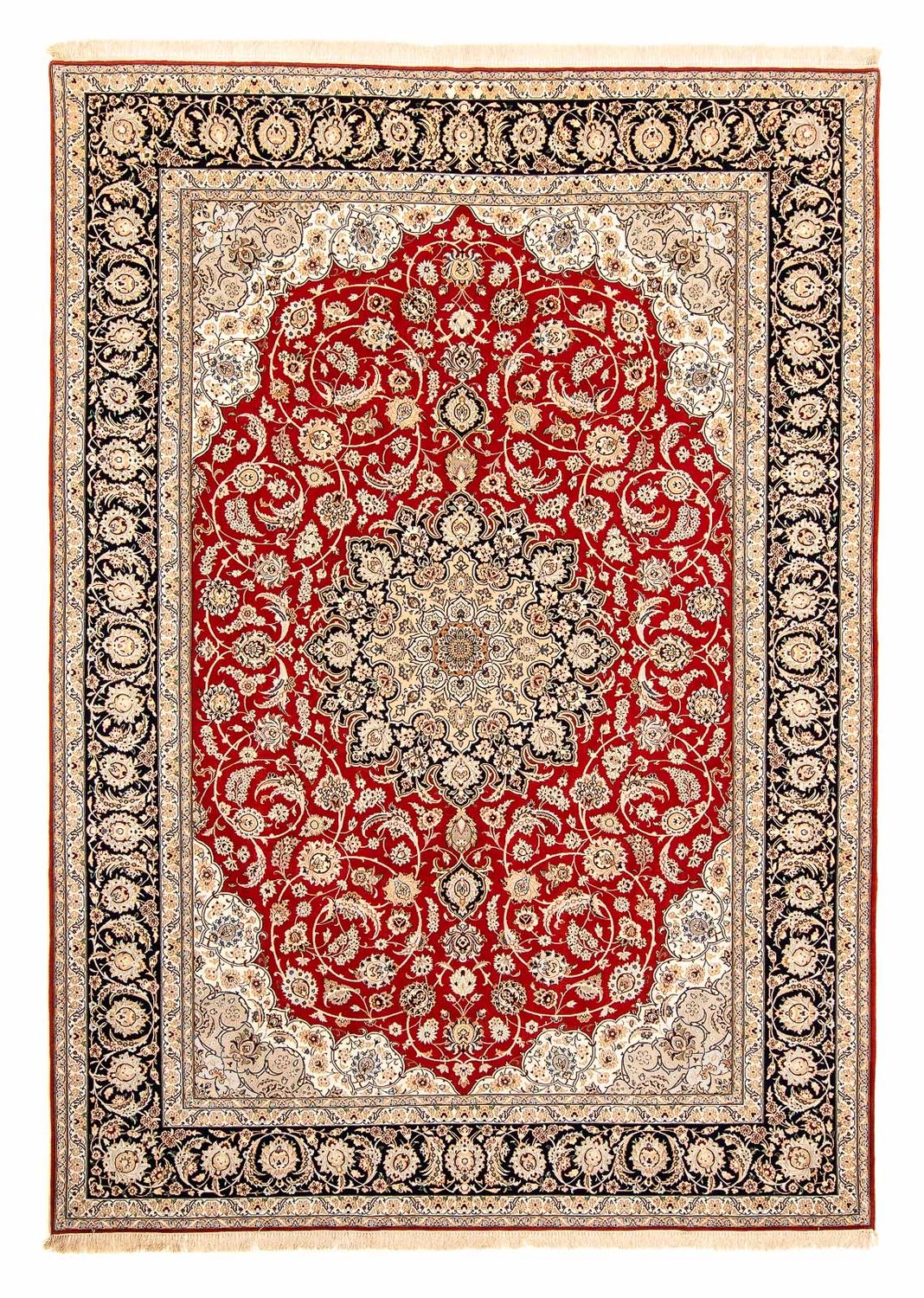
Isfahan rugs from the former Safavid capital are considered the pinnacle of Persian rug knotting, exceptionally fine and elegant.
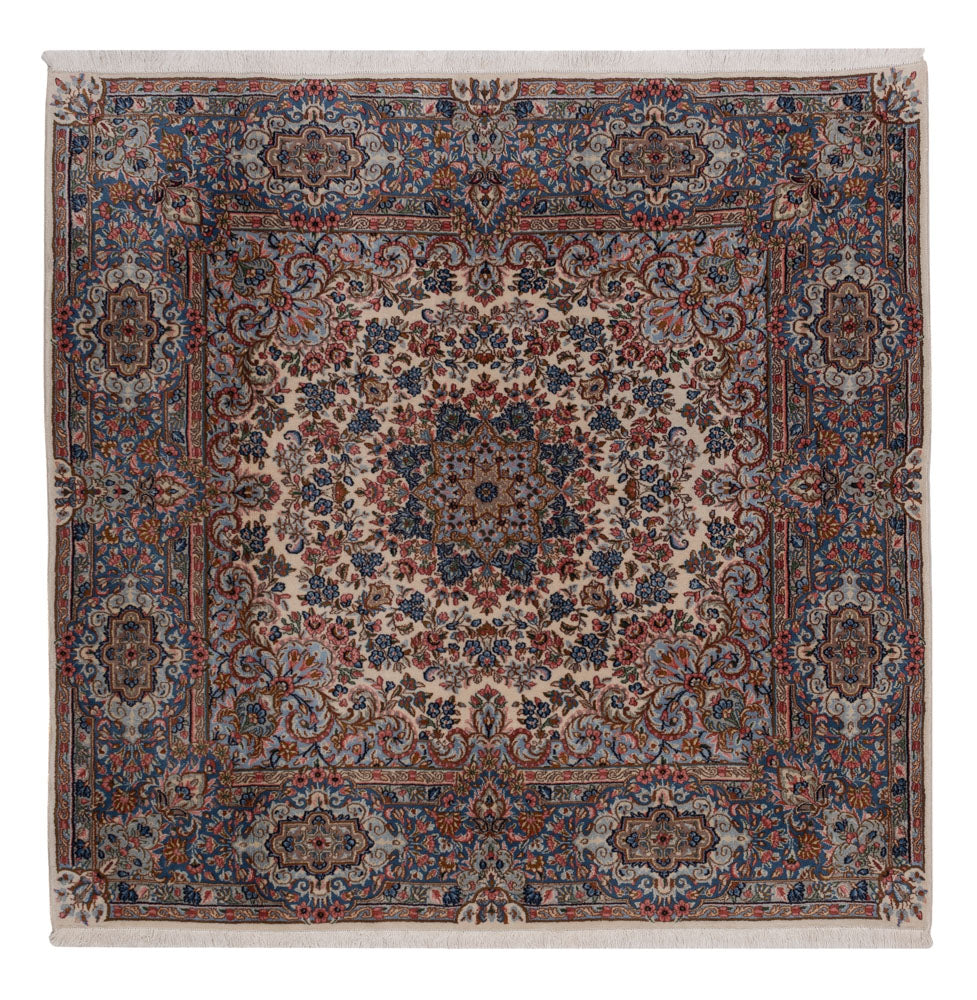
Kerman rugs from southeastern Iran are renowned for their elegant floral designs and refined color palette.
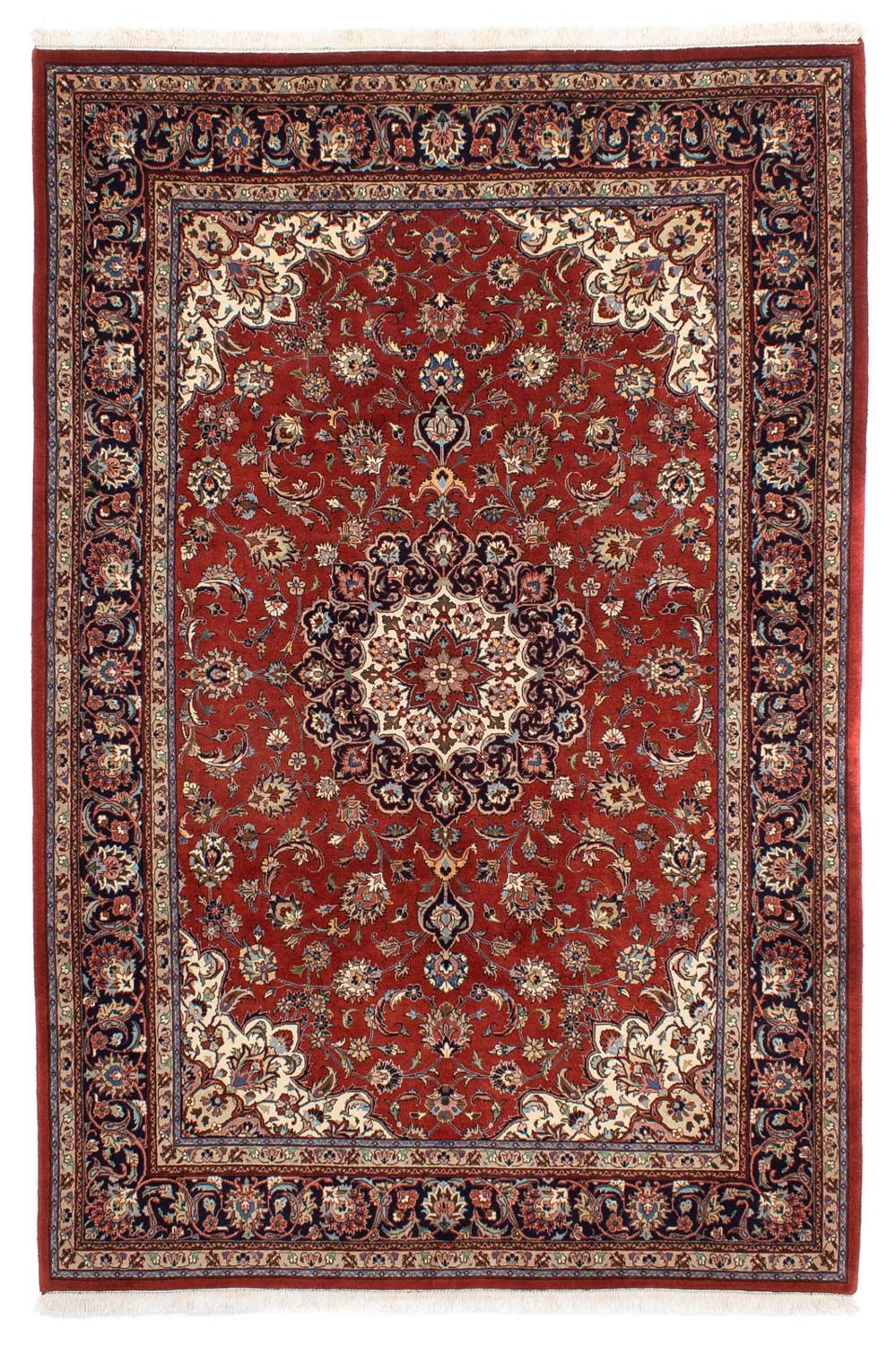
Kashan rugs from central Iran are classic Persian carpets, elegant, finely knotted, and rich in floral patterns.
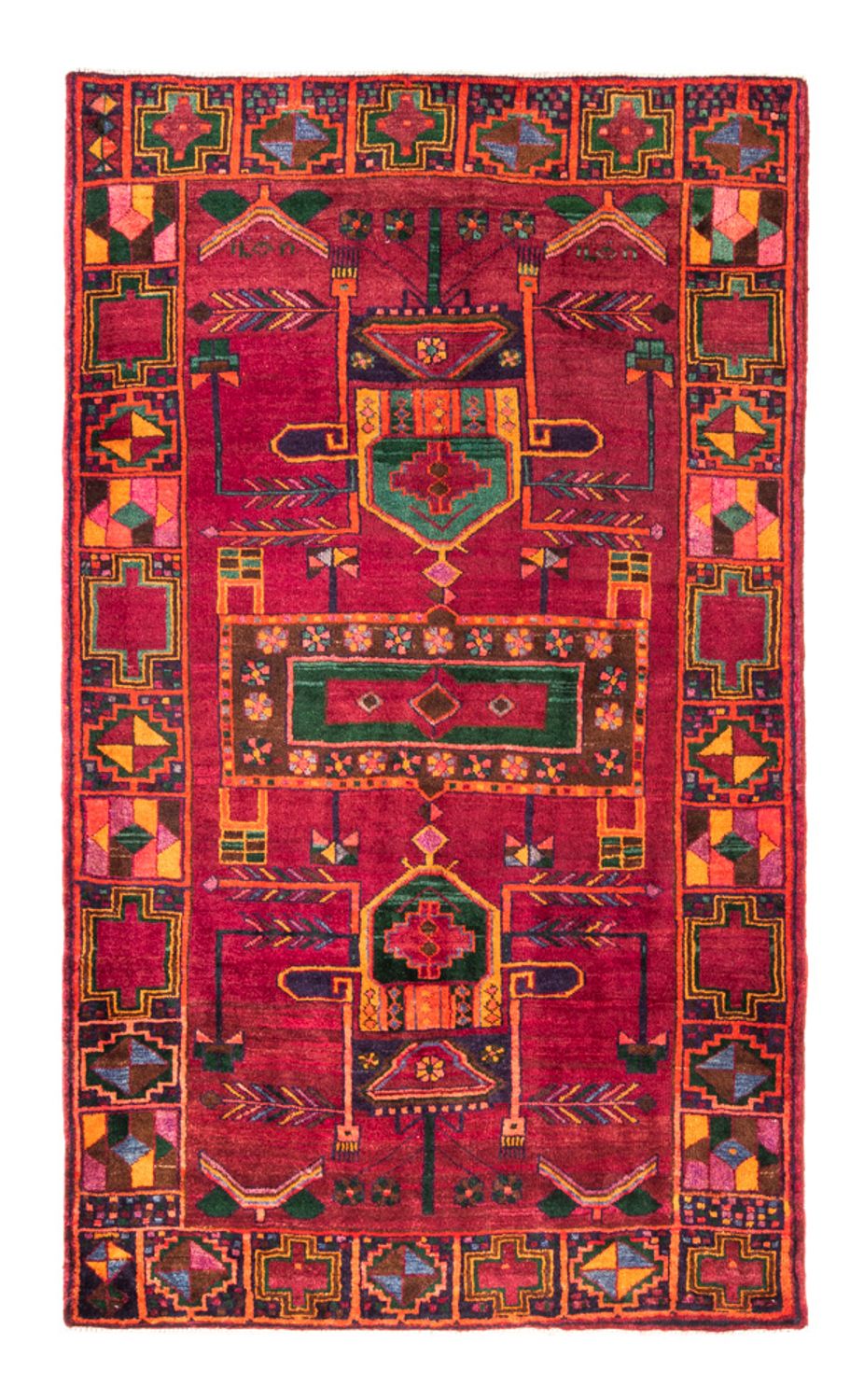
Koliai rugs are knotted by Kurdish tribes in western Iran and combine geometric motifs with a robust pile.
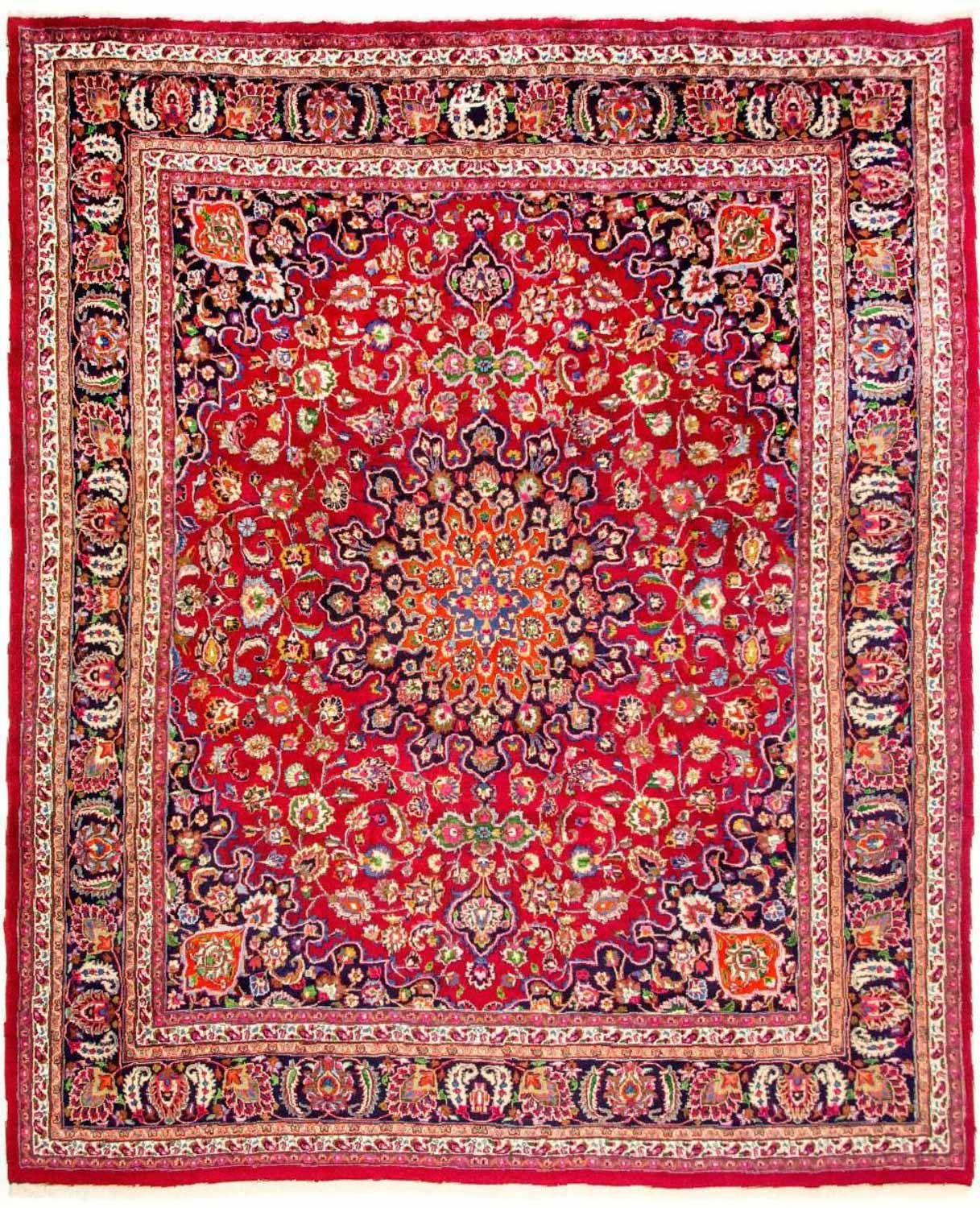
Mashhad rugs from the holy city in northeastern Iran show intricate floral compositions in deep wine-red tones.
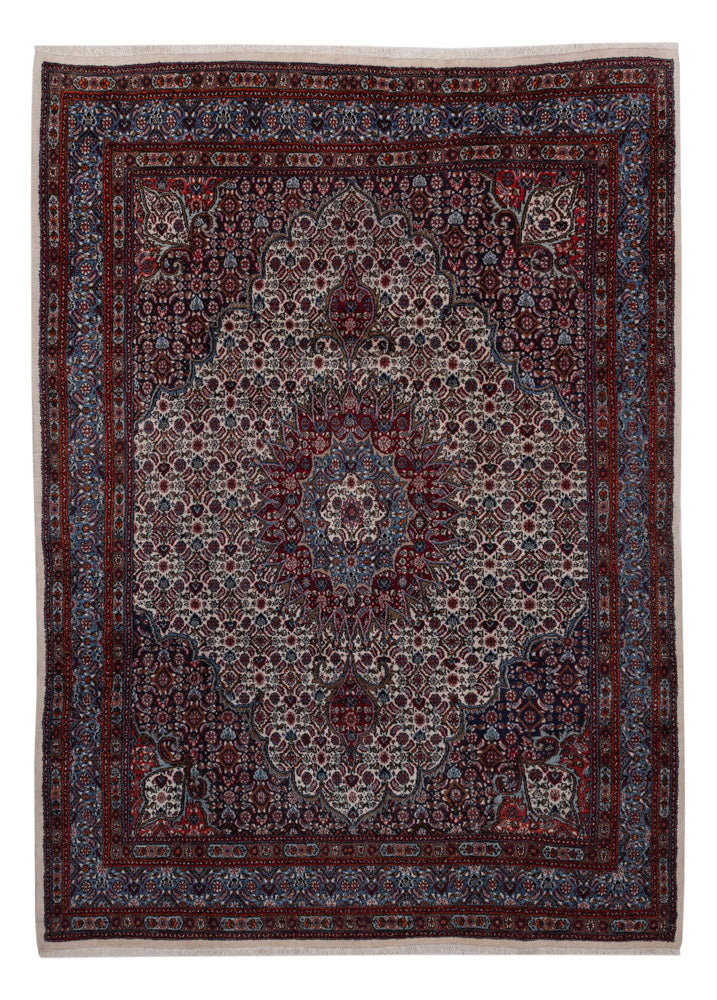
Moud rugs come from southern Khorasan and combine fine knotting with the classic Herati all-over pattern.
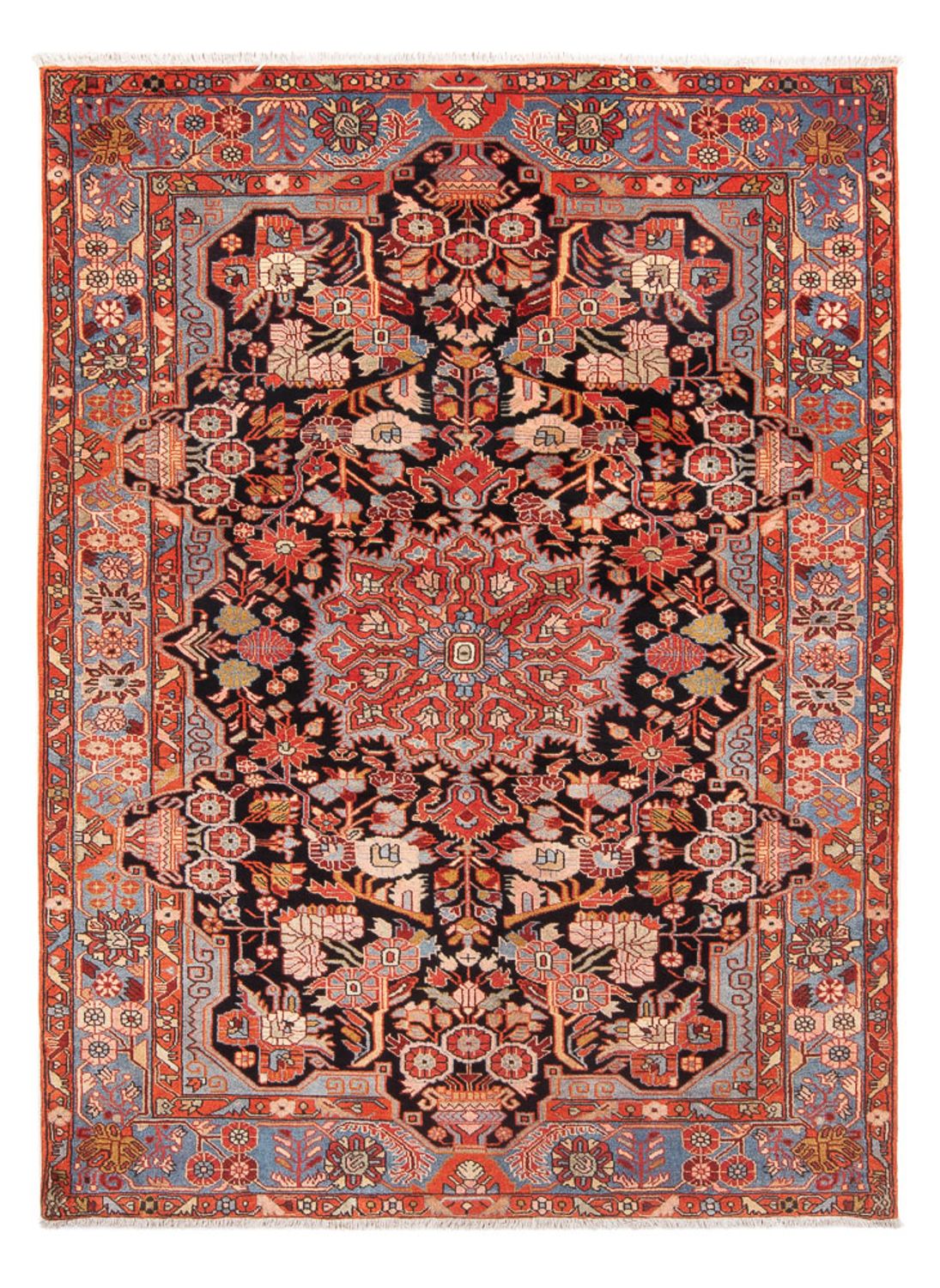
Nahavand rugs come from the Hamadan region and show a more open weave with bold geometric medallions.
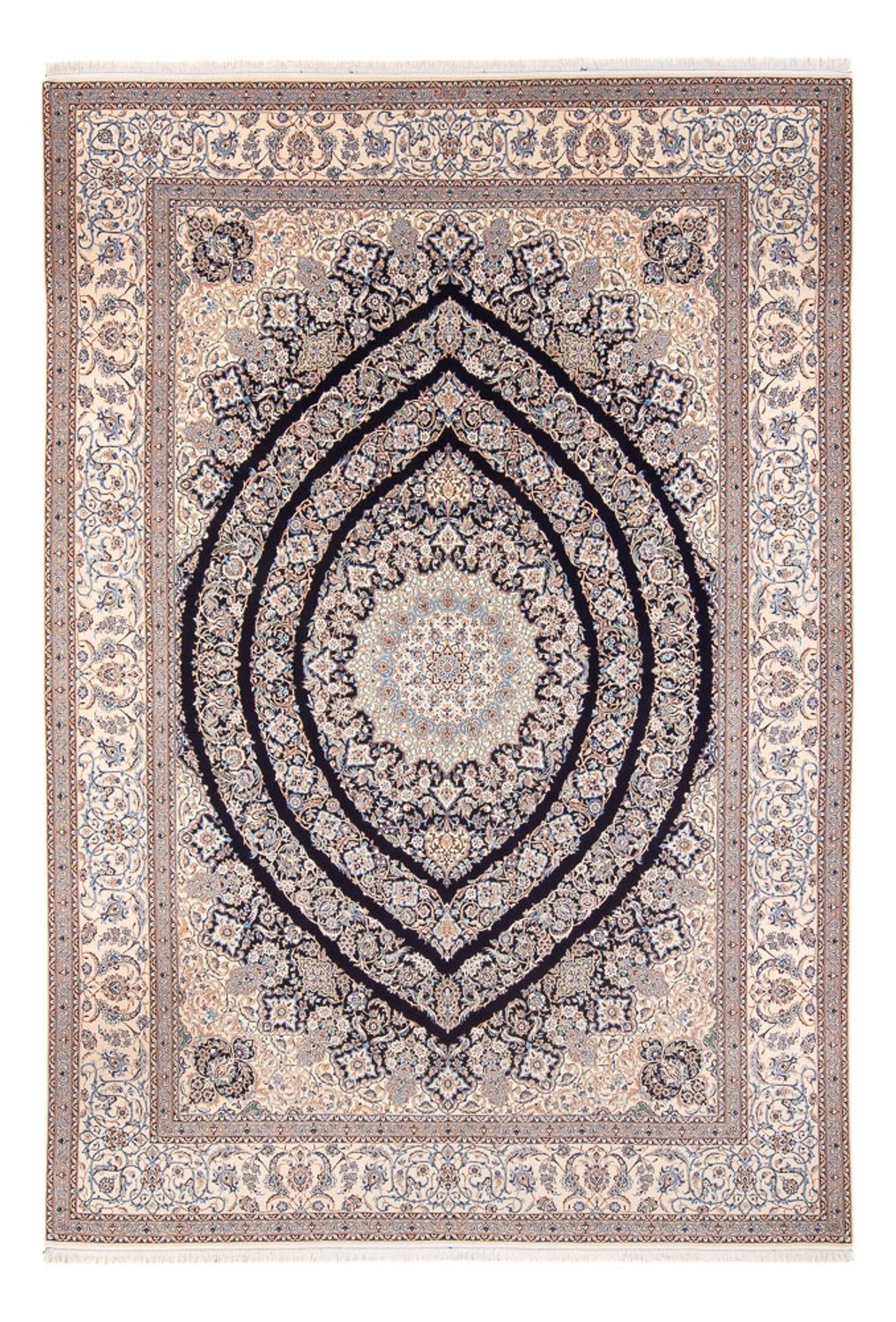
Nain rugs from the desert town between Isfahan and Yazd are exceptionally fine and known for their cool ivory-and-blue palette.
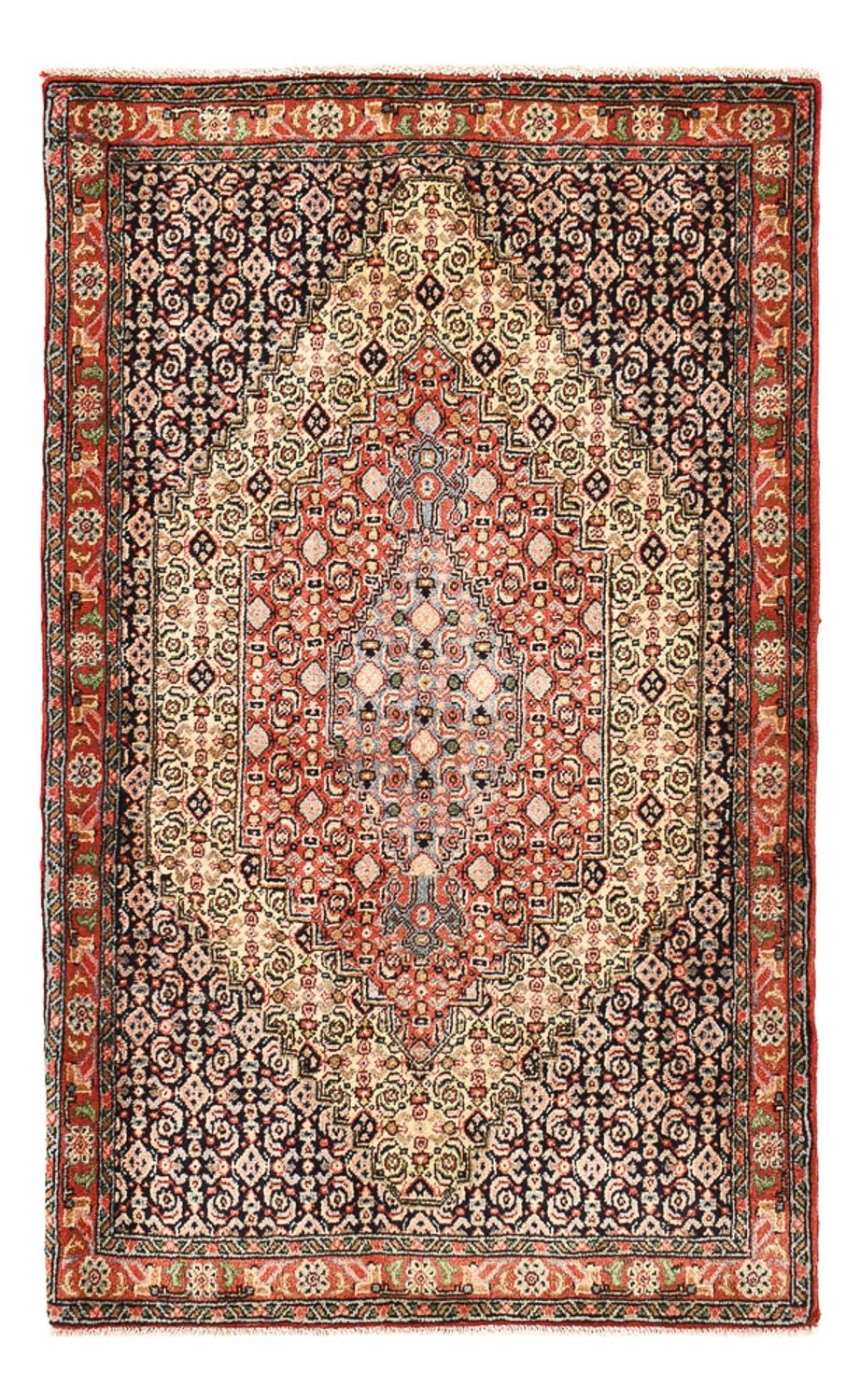
Senneh rugs from Sanandaj in Iranian Kurdistan are some of the finest tribal rugs, known for their thin, almost flat pile.
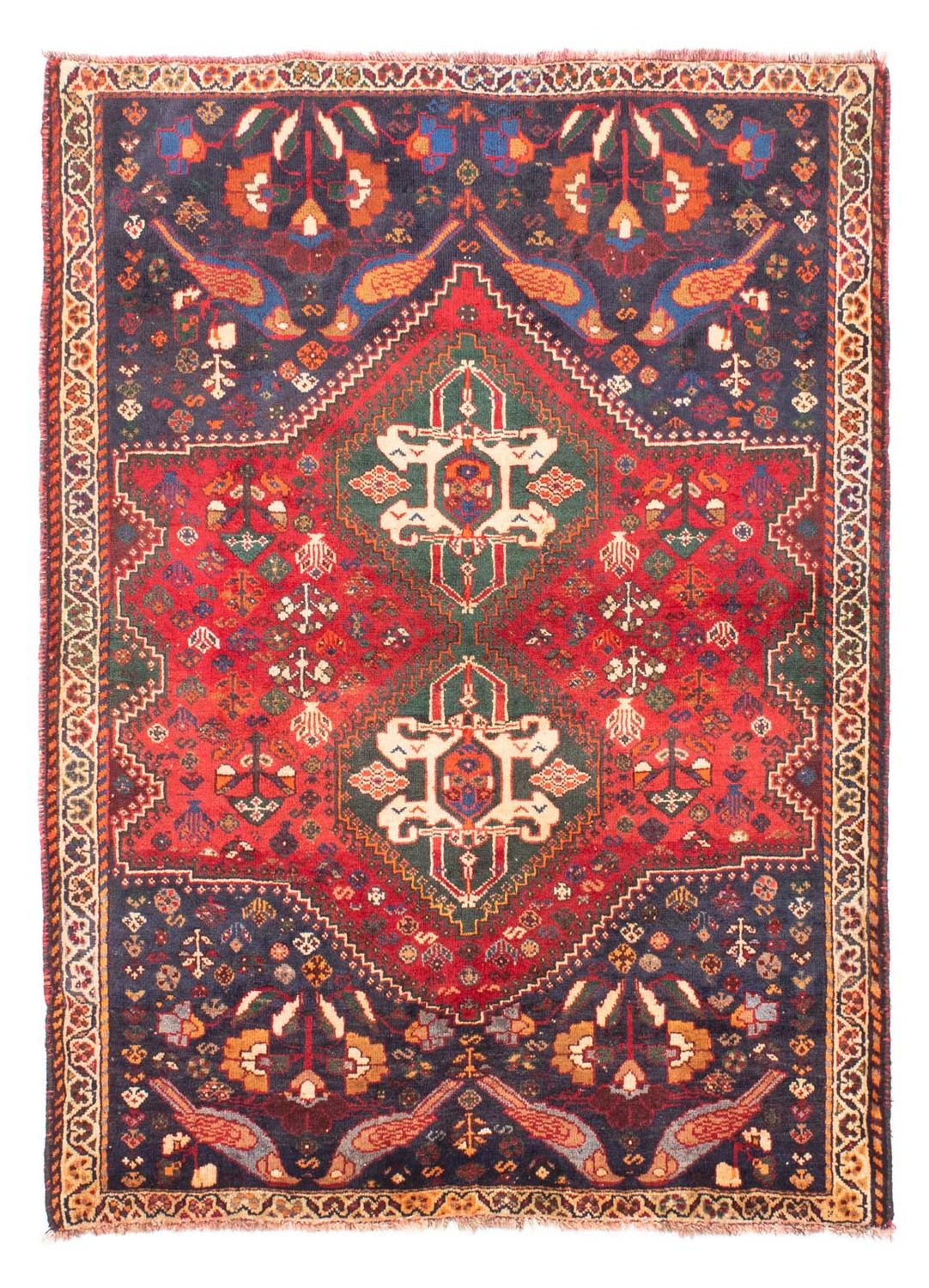
Shiraz rugs are produced in the famous market town of southern Iran by Qashqai and Khamseh tribes, vibrant nomadic pieces.
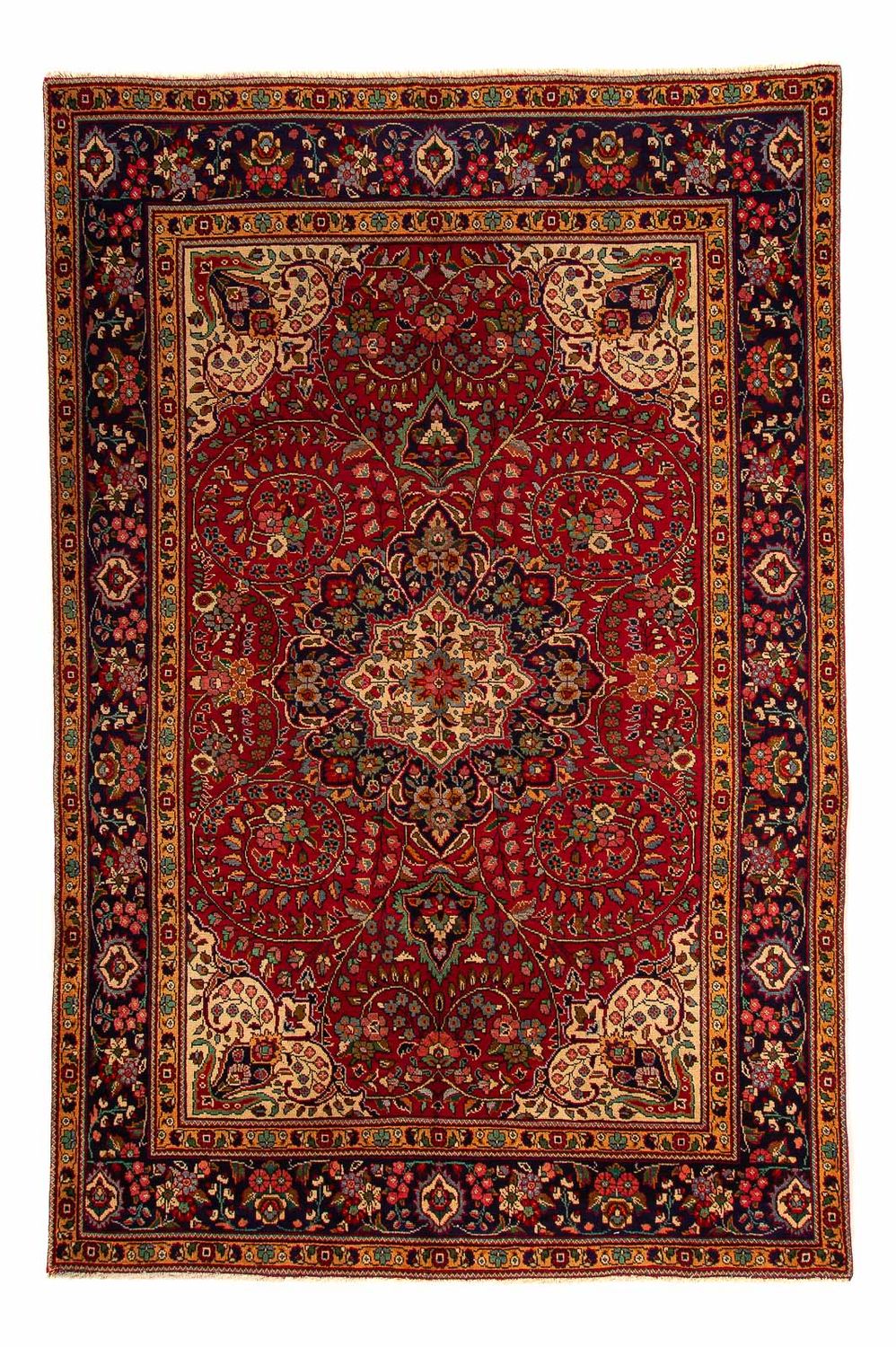
Tabriz rugs are among the most refined Persian carpets, known for their finely knotted designs and remarkable variety of patterns.
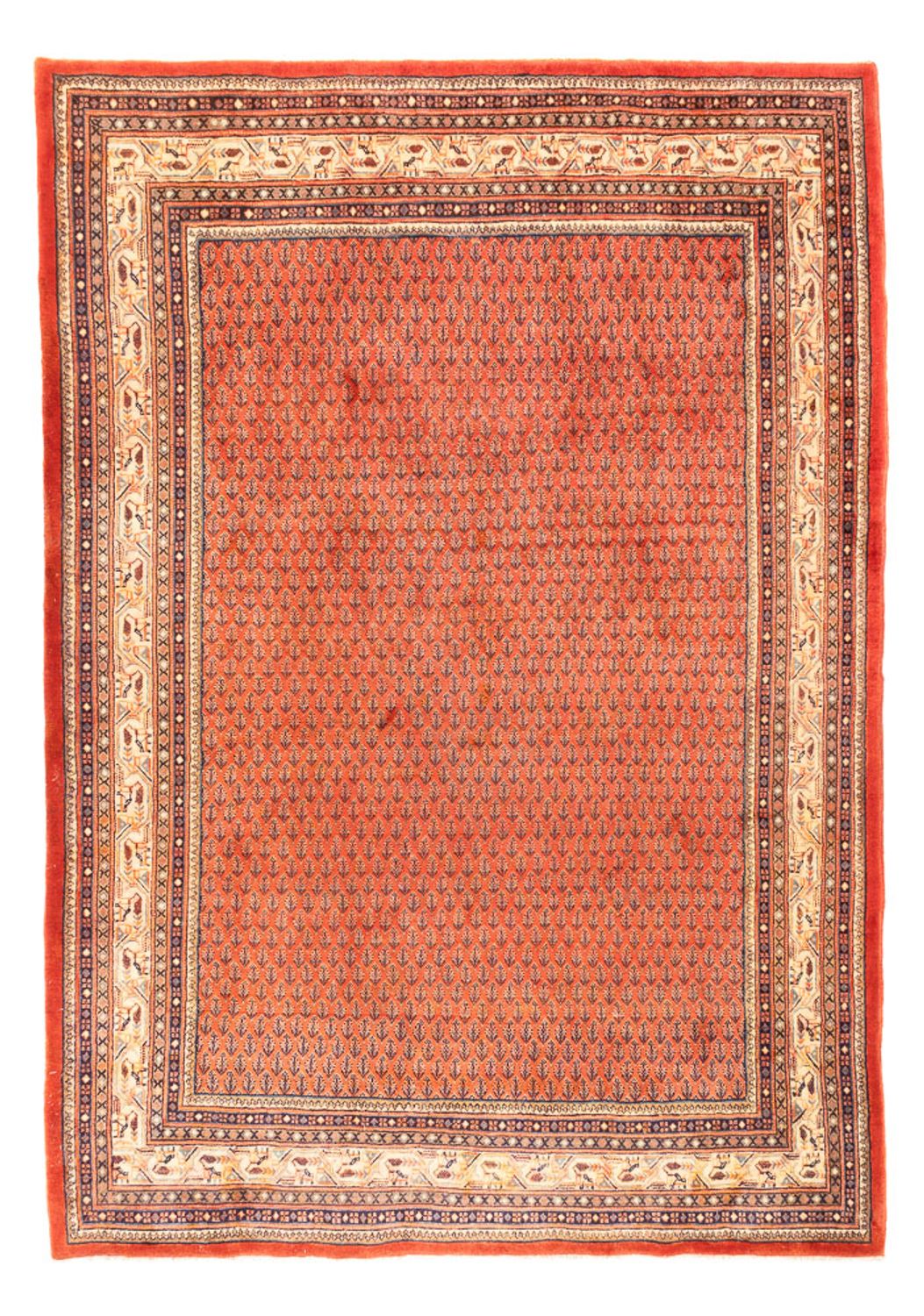
Mir rugs from the Malayer region show the classic boteh all-over pattern in fine quality and great size variety.
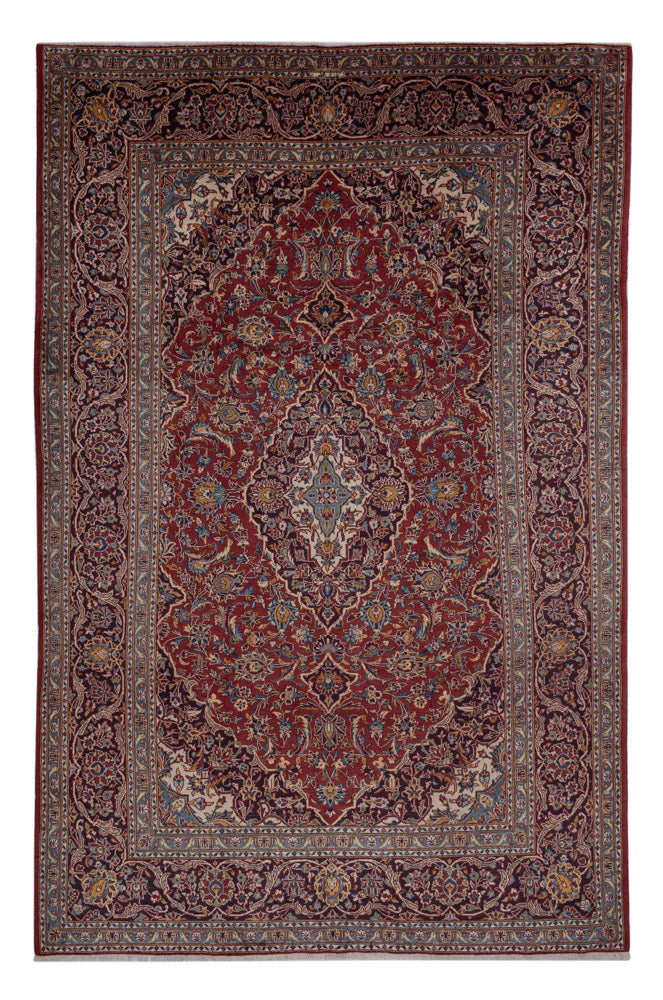
Ardakan rugs come from the desert town of Yazd Province and combine restrained color palettes with subtle medallion designs.
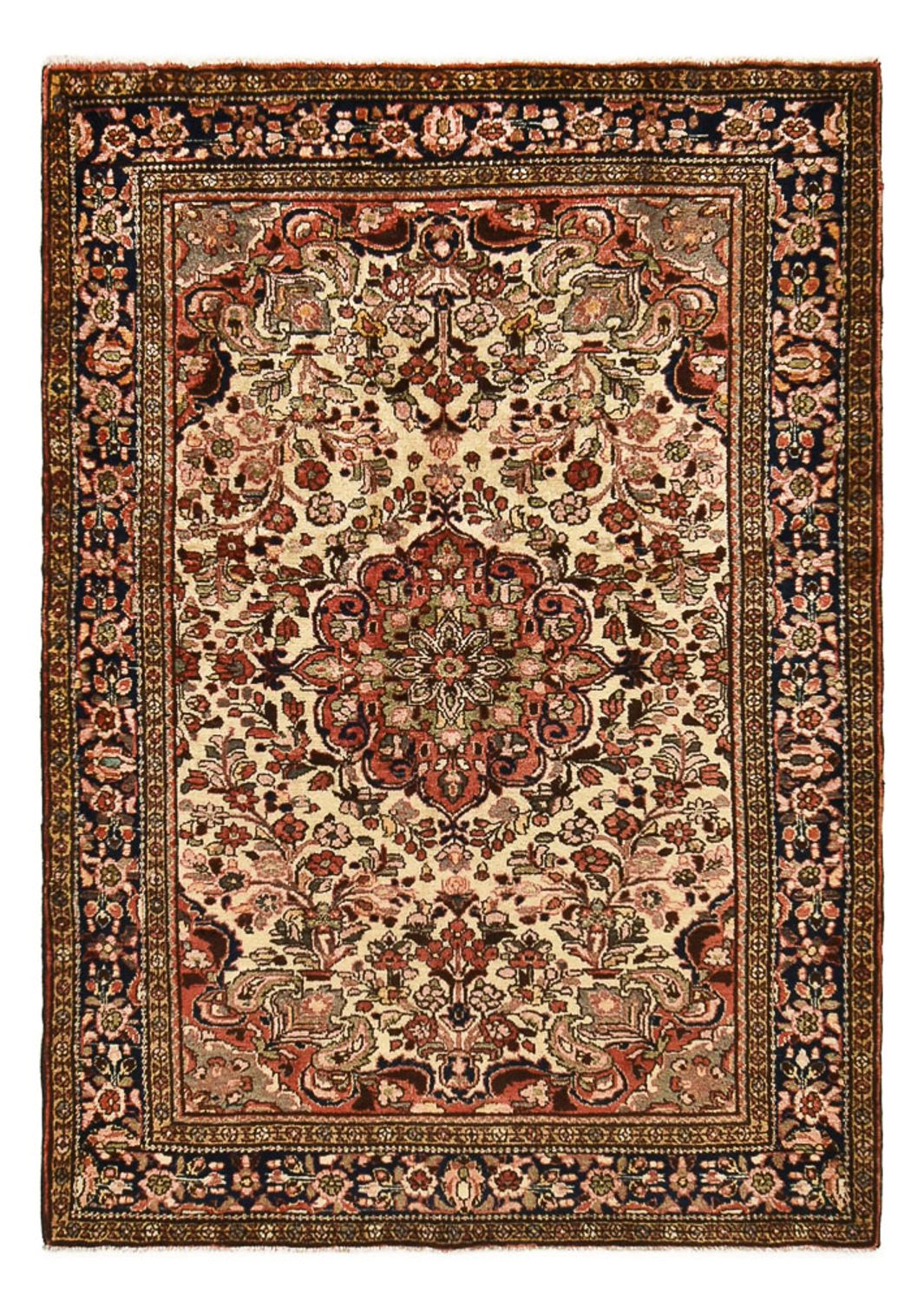
Borchalou rugs come from the Hamadan region and show finely worked floral medallions on an ivory ground.
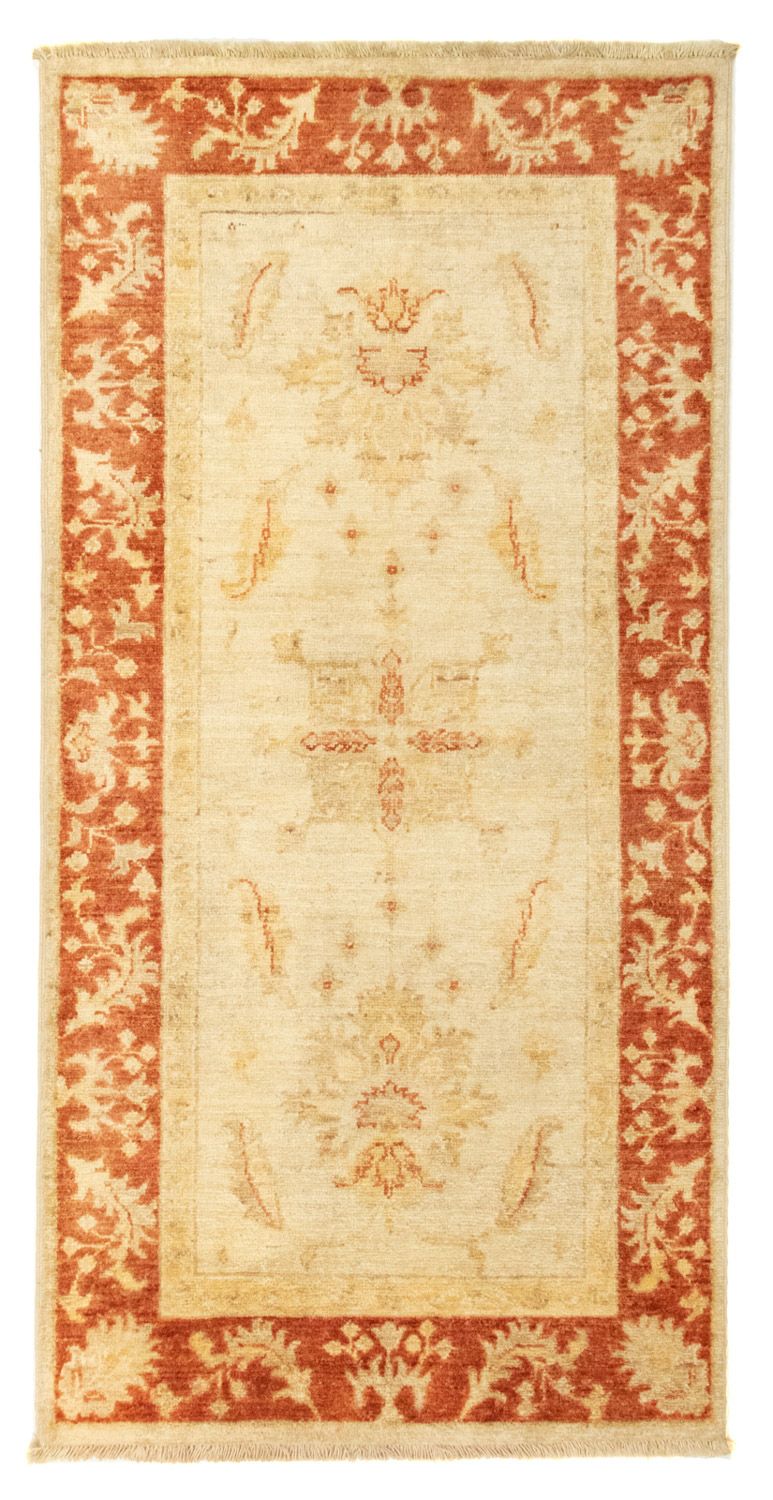
Farahan rugs come from the Arak area of Markazi Province and are sought-after for their classic Herati patterns and harmonious colors.
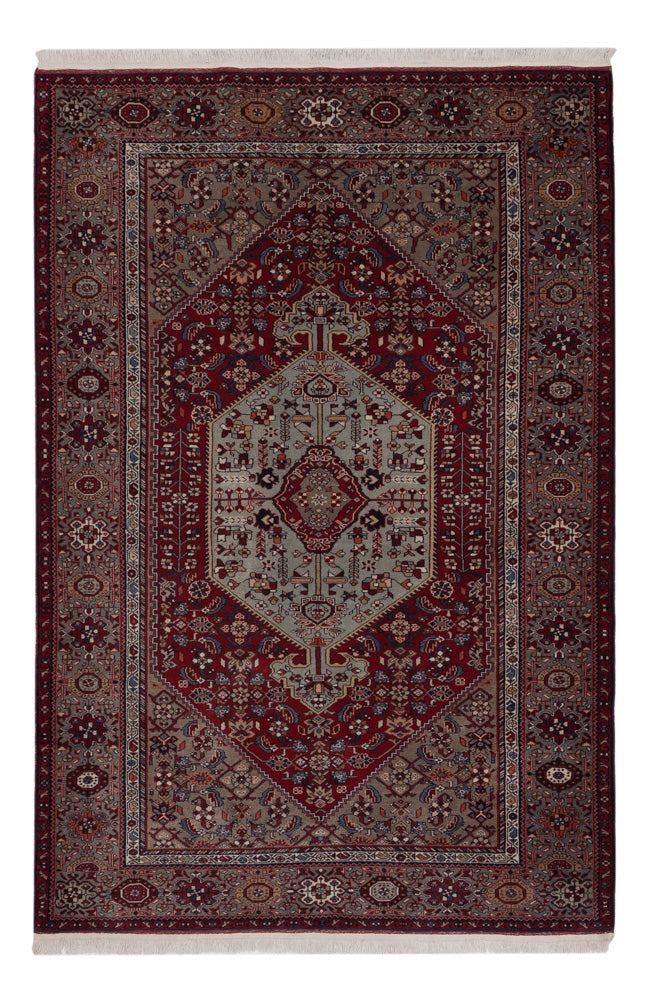
Gholtogh rugs come from a village in Hamadan Province and combine simple geometric motifs with a robust pile.
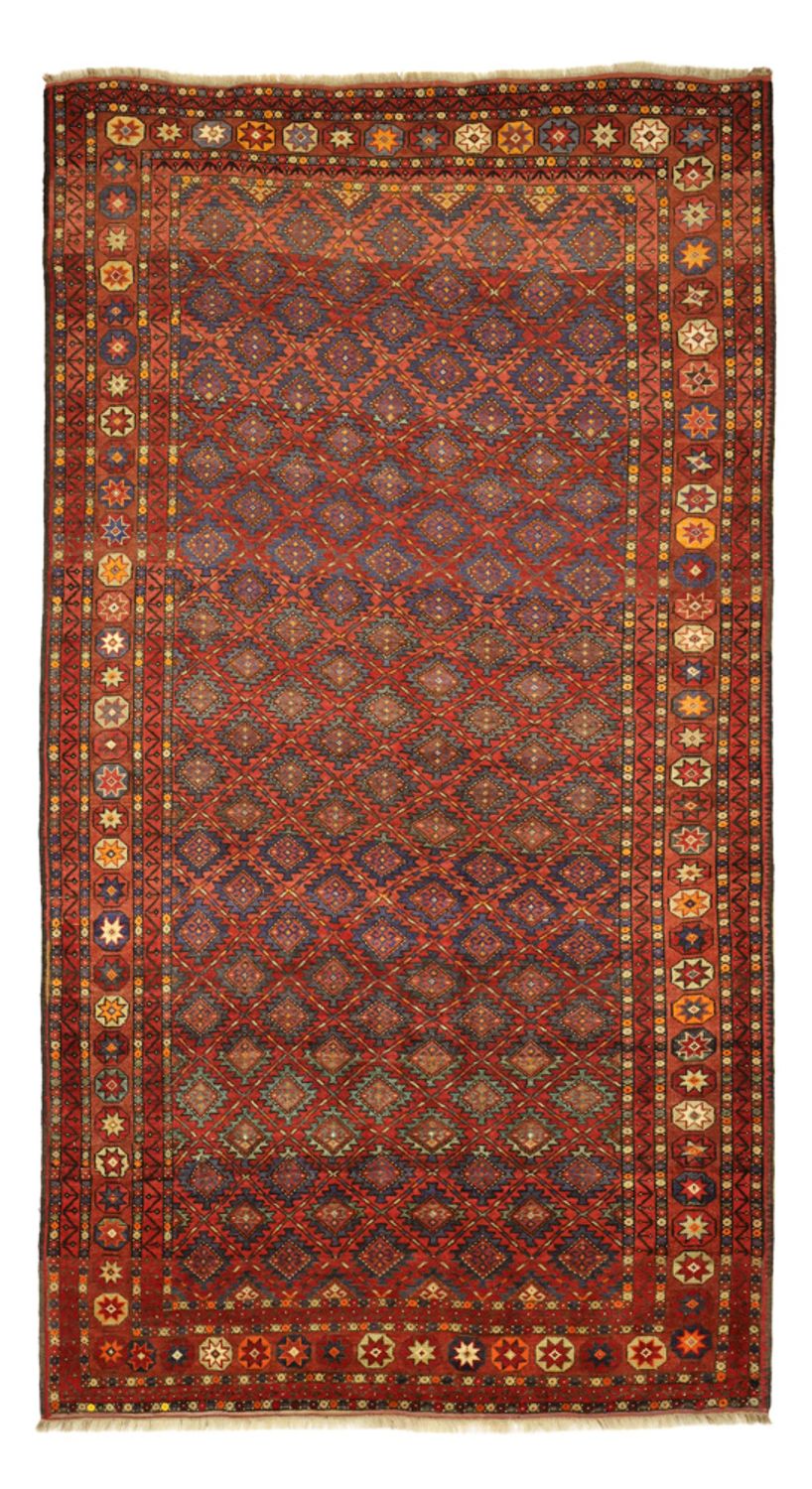
Quchan rugs come from the city of the same name in northern Khorasan and are known for their rich Kurdish tribal patterns.
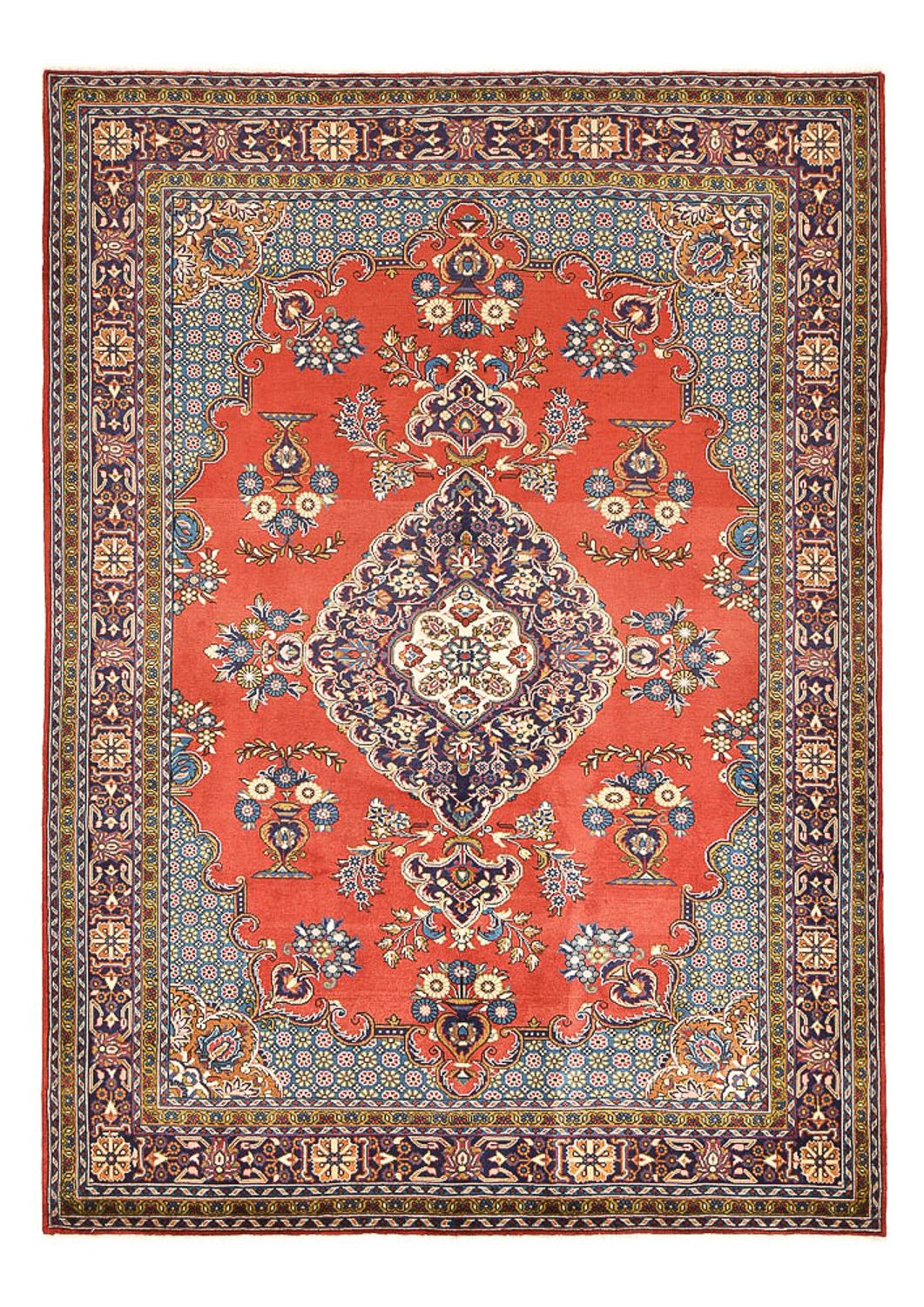
Golpayegan rugs come from the eponymous town in Isfahan Province and resemble Hamadan pieces but with finer knotting.
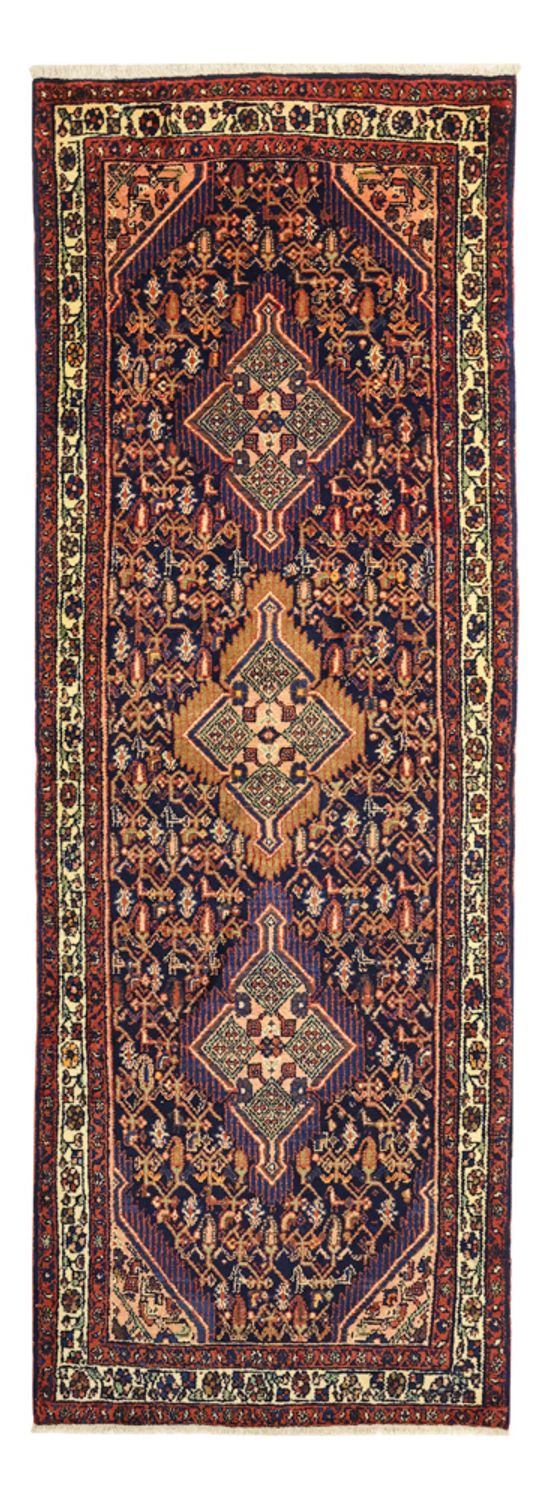
Hosseinabad rugs come from a village in Hamadan Province and show classic Herati patterns in the typical Hamadan single-weft weave.
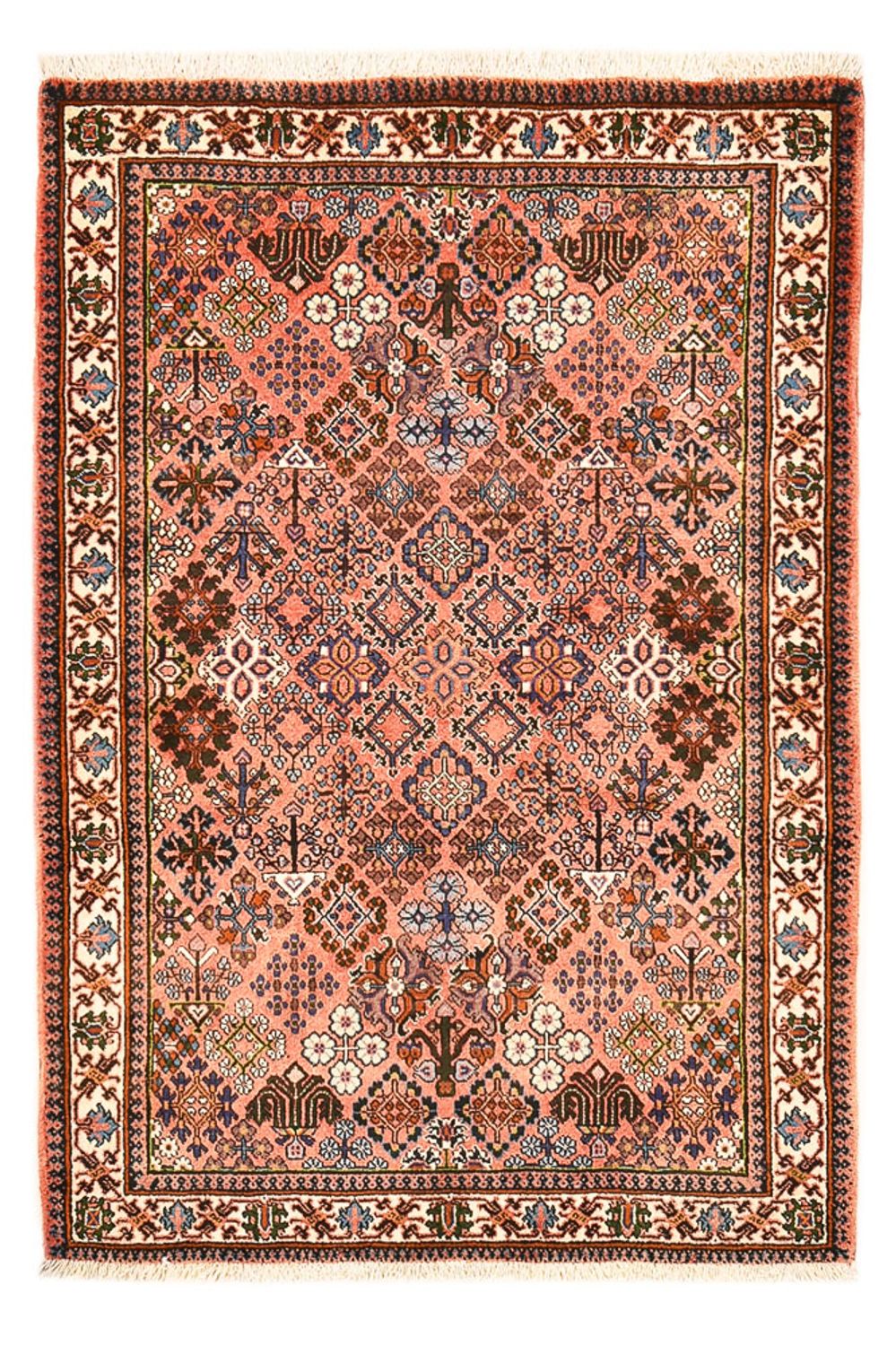
Joshaghan rugs come from a village near Kashan and stand out with their distinctive diamond lattice in finely knotted compartments.
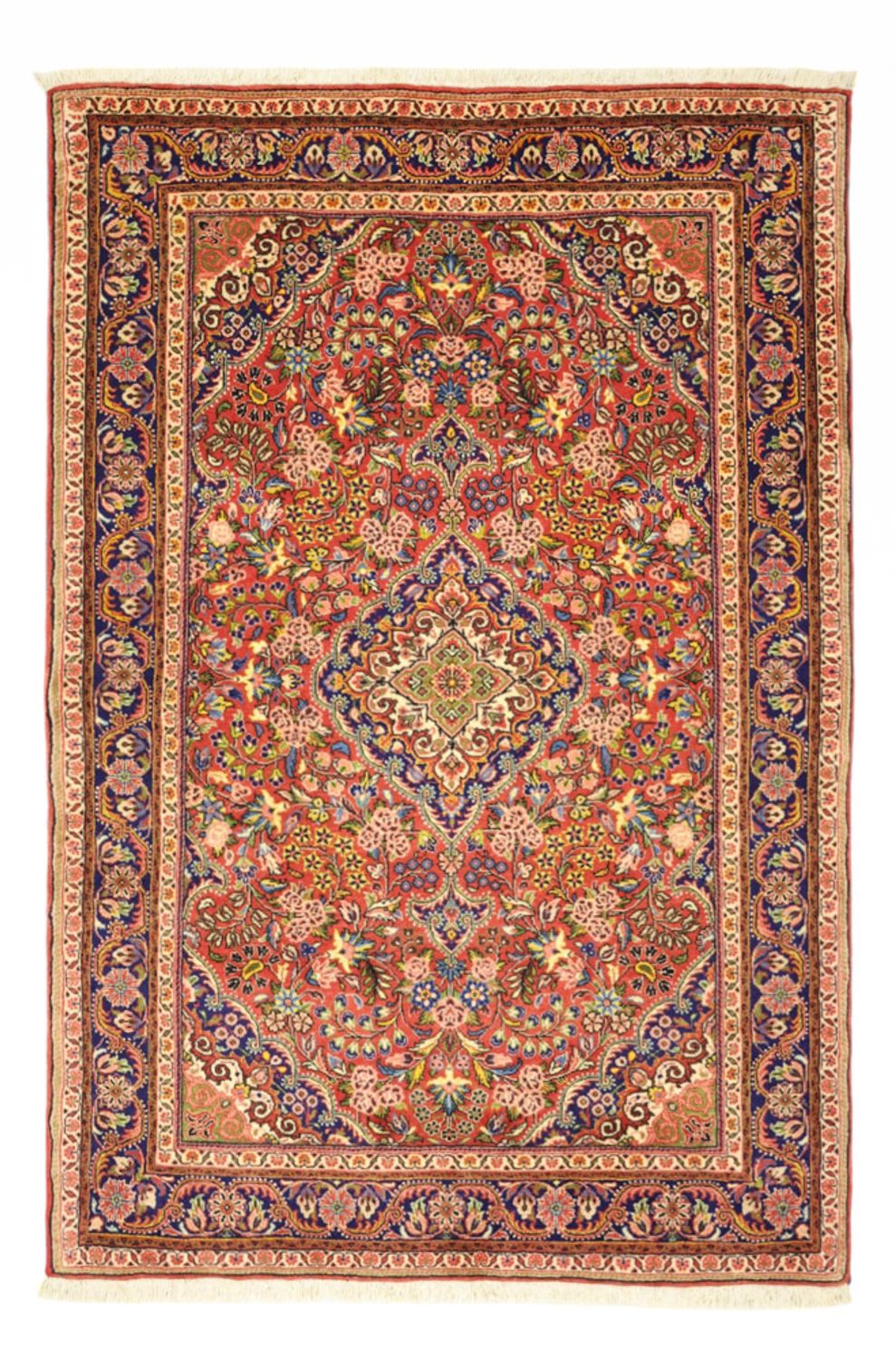
Jozan rugs come from the Malayer district of Hamadan Province and combine classic Sarouk-style medallions with sturdy village quality.
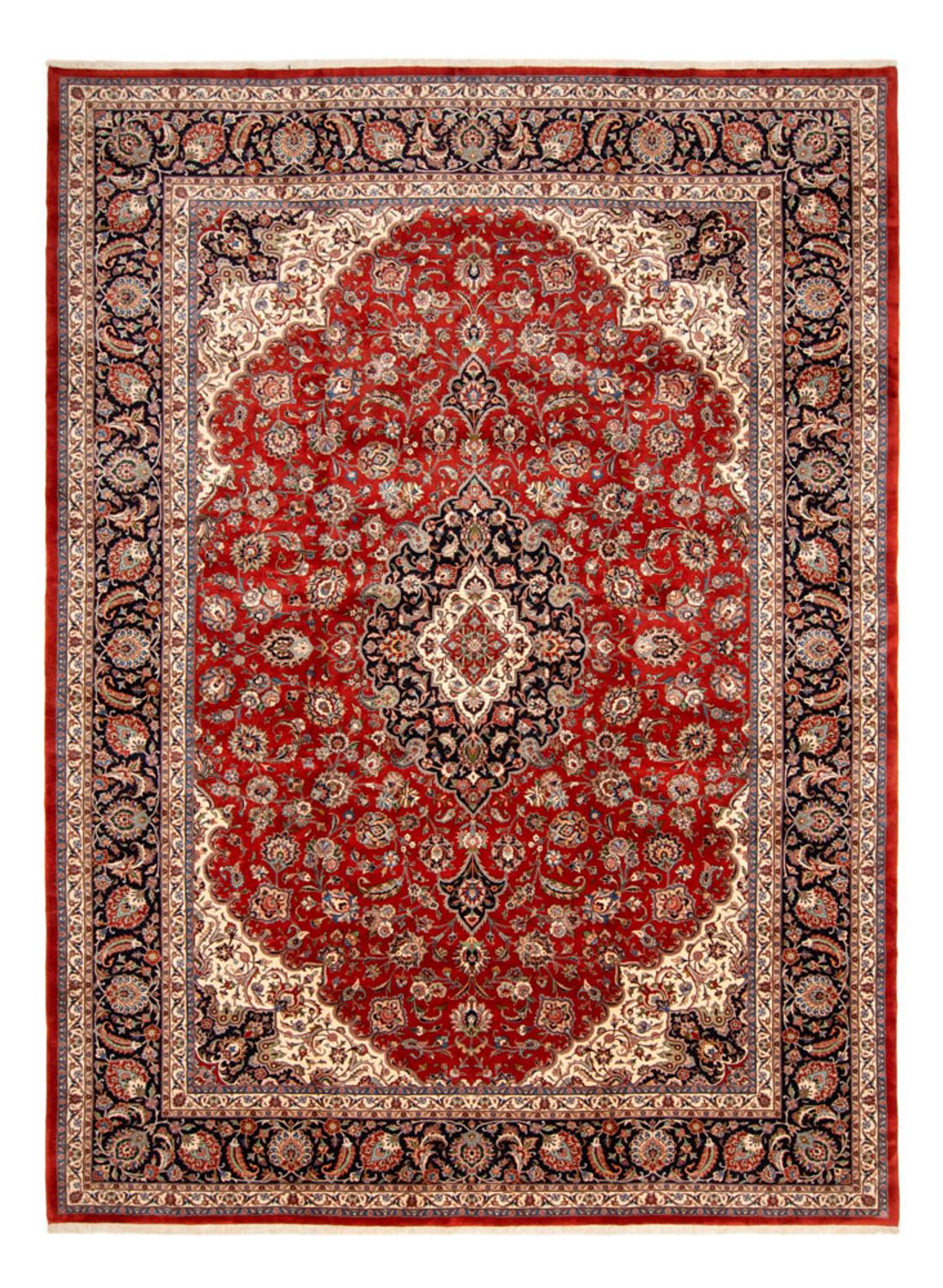
Kashmar rugs come from northeastern Iran and are popular for their floral garden designs and balanced palette.
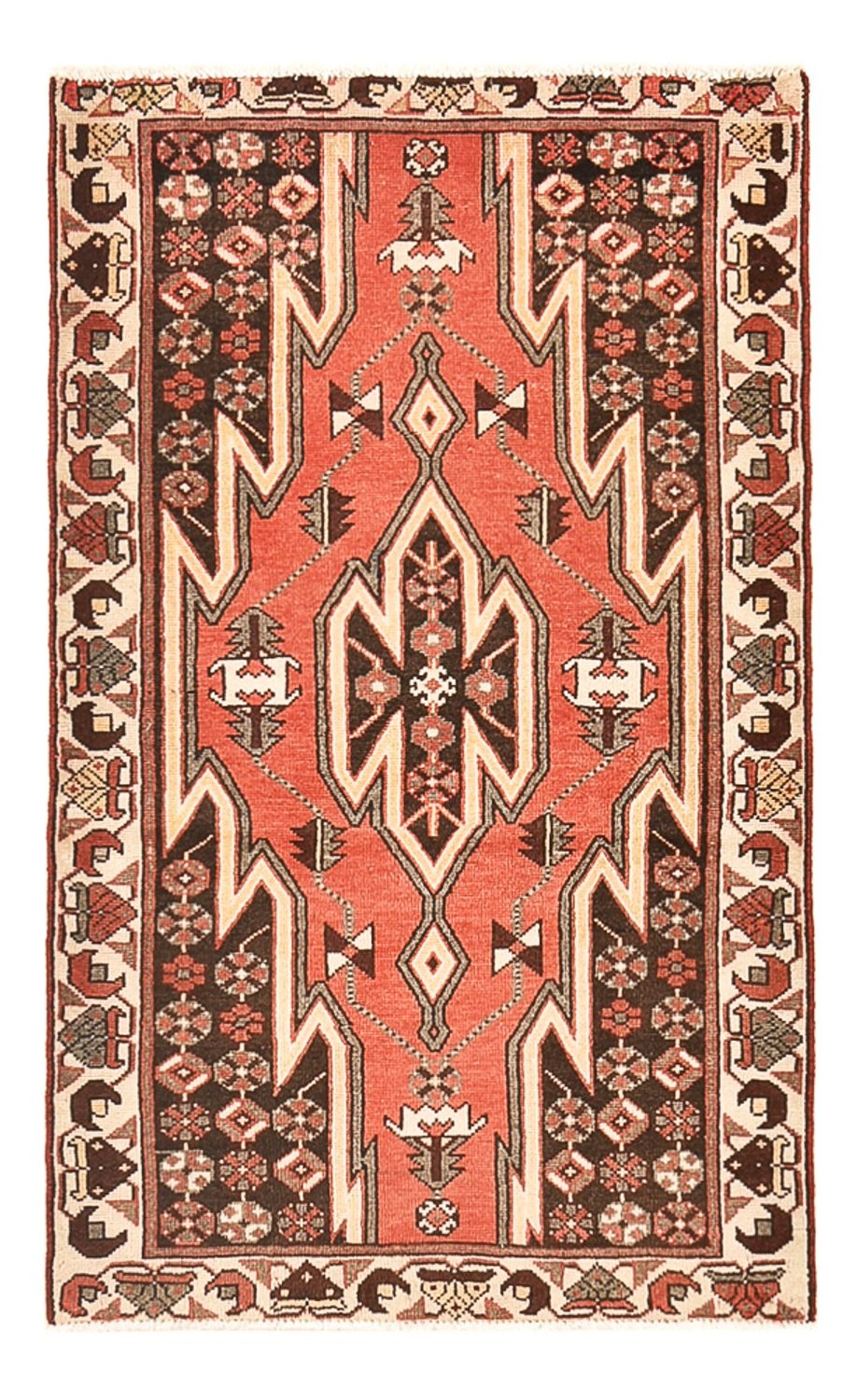
Lilian rugs come from a village in the Markazi province and show classic Sarouk-style floral medallions in compact sizes.
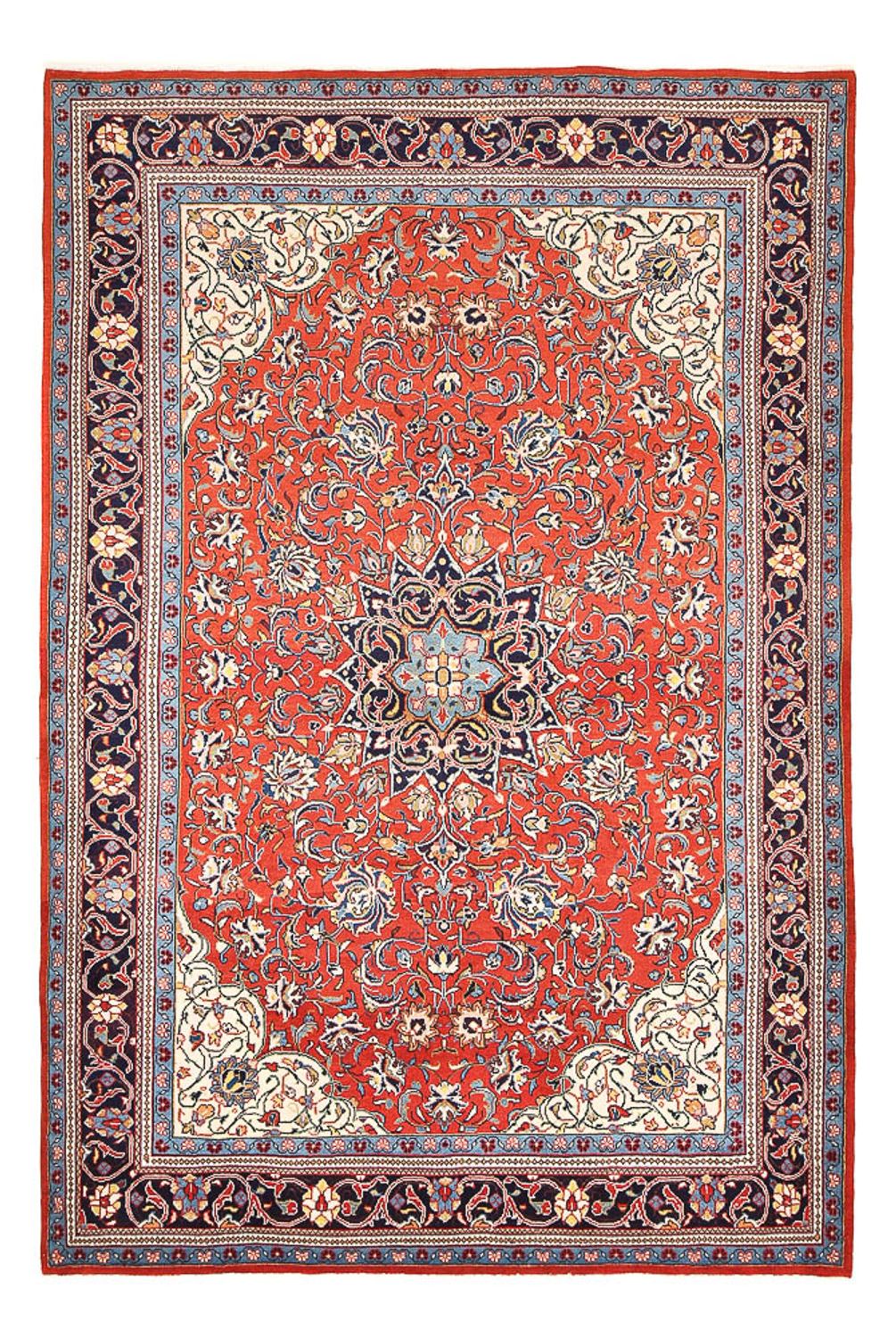
Mahal rugs come from the Arak region (historic Sultanabad) and combine open all-over floral fields with antique appeal.
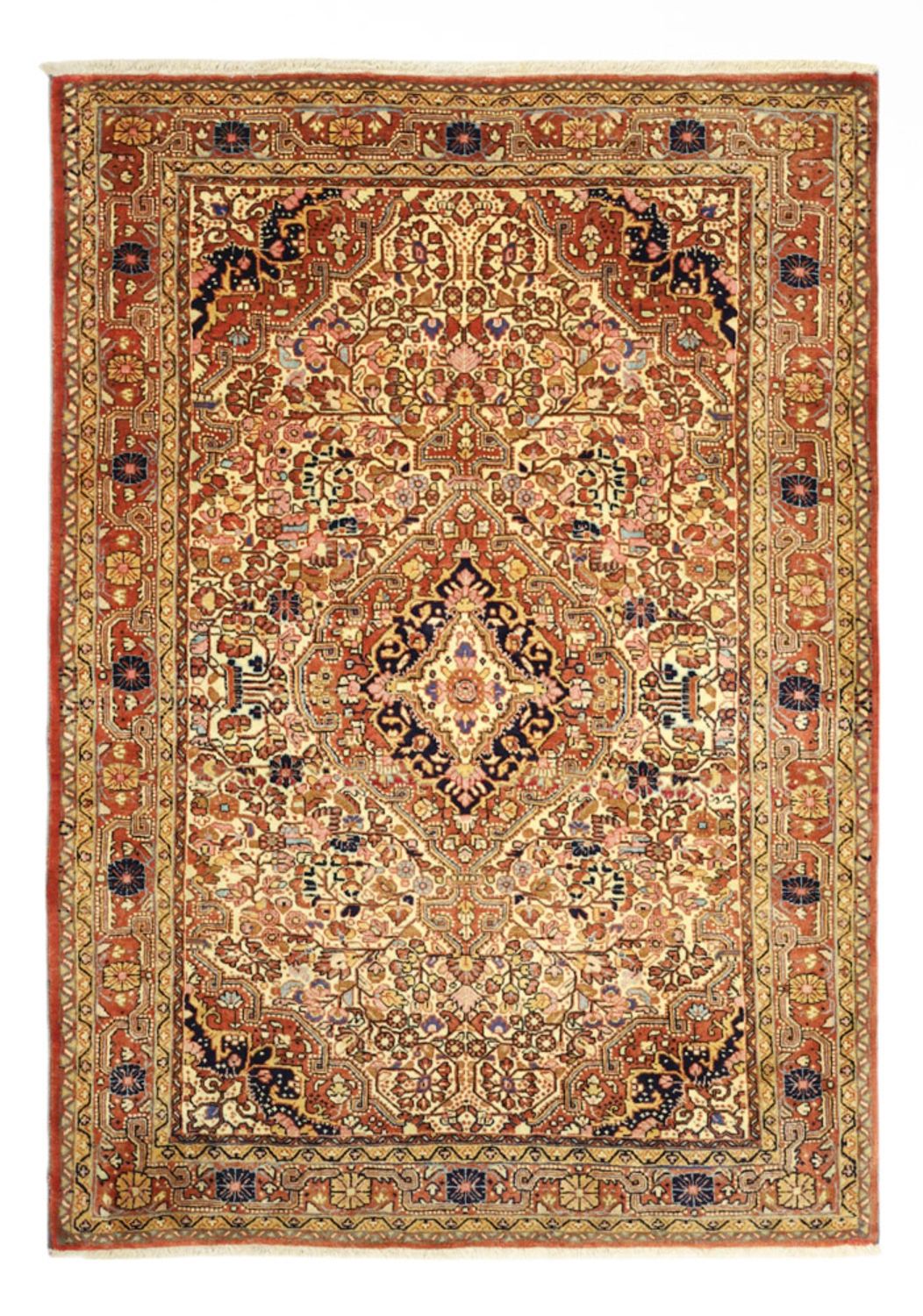
Malayer rugs come from the eponymous town in Hamadan Province and are appreciated for their classic Herati patterns and good value.
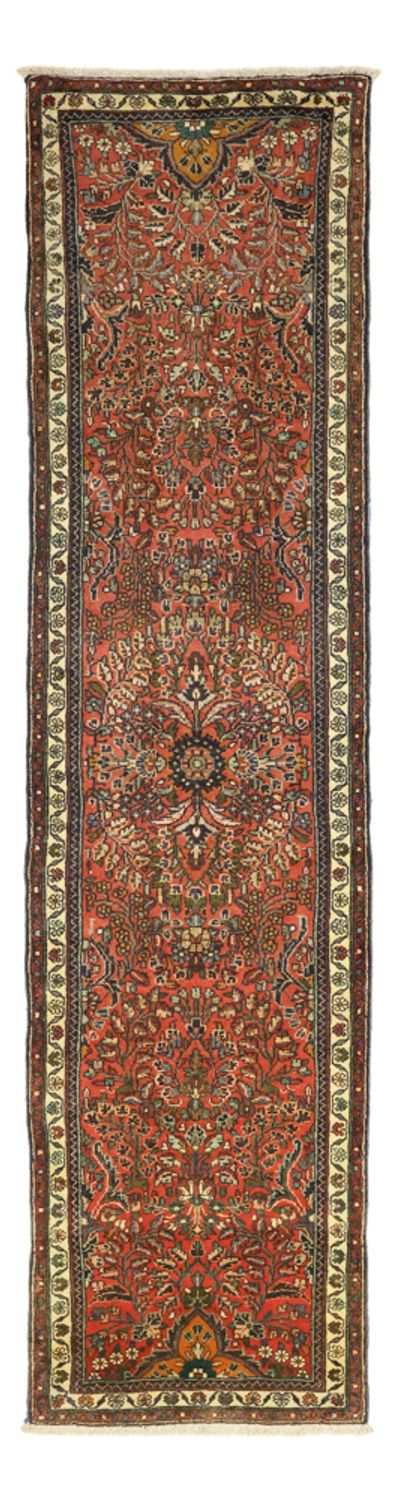
Mehraban rugs come from a village in East Azerbaijan and show robust geometric medallions related to Heriz pieces.
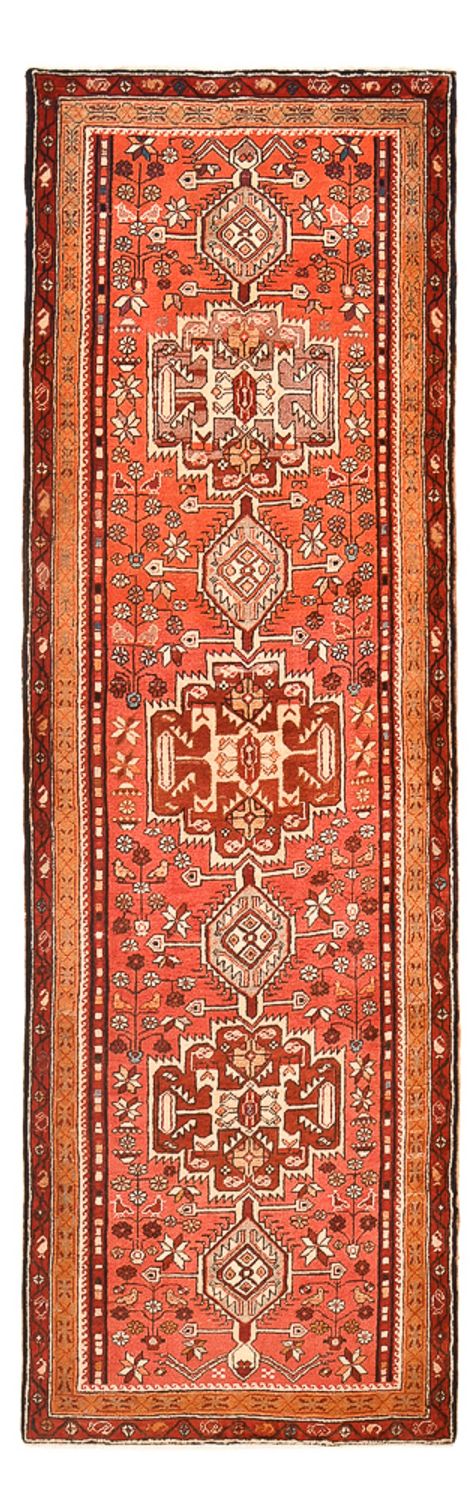
Meshkin rugs from northwestern Iran show bold geometric patterns and the strong red palette typical of the Sabalan region.
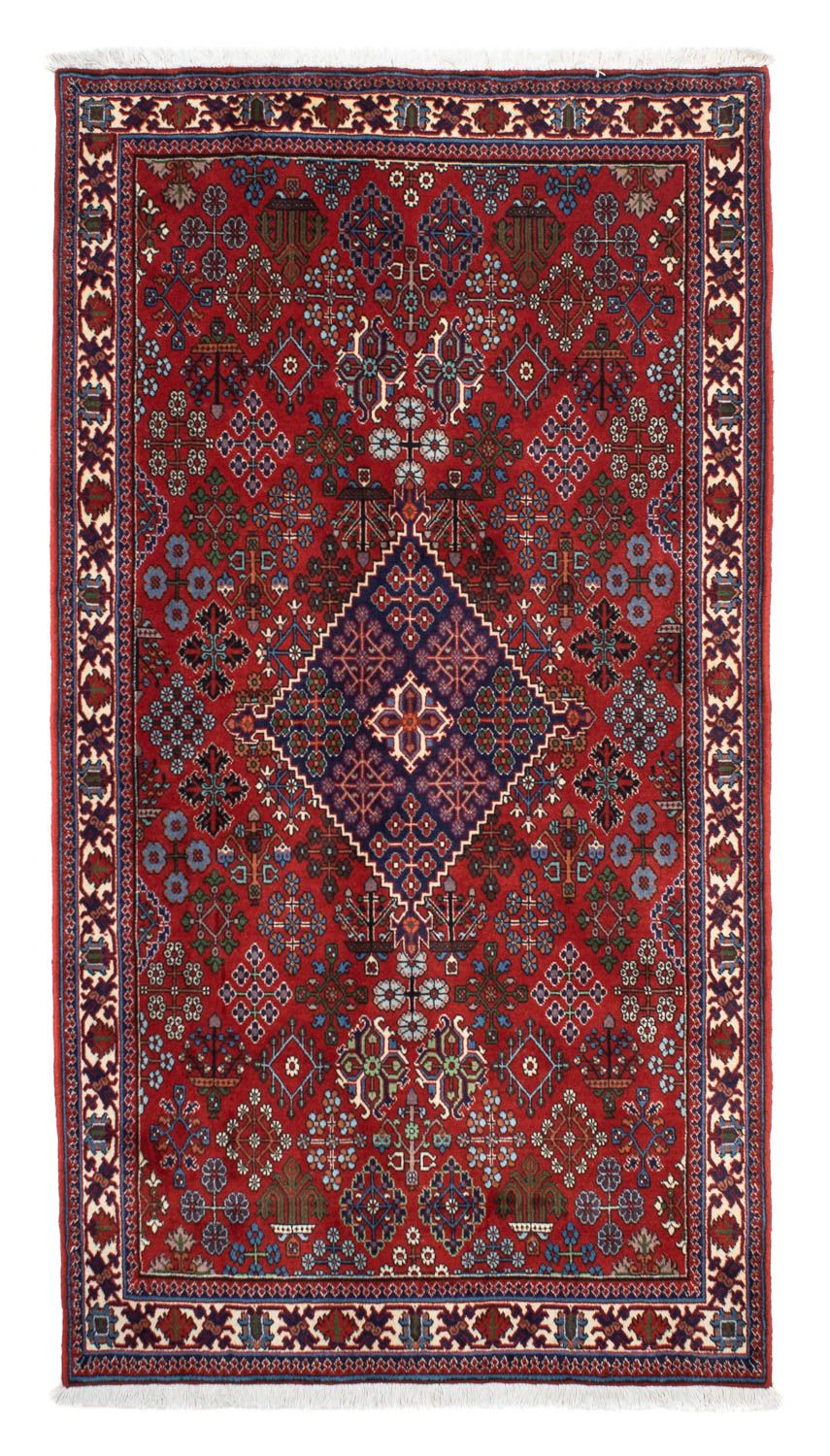
Meymeh rugs come from a small village in Isfahan Province and are appreciated for their detailed floral medallions in small to medium sizes.
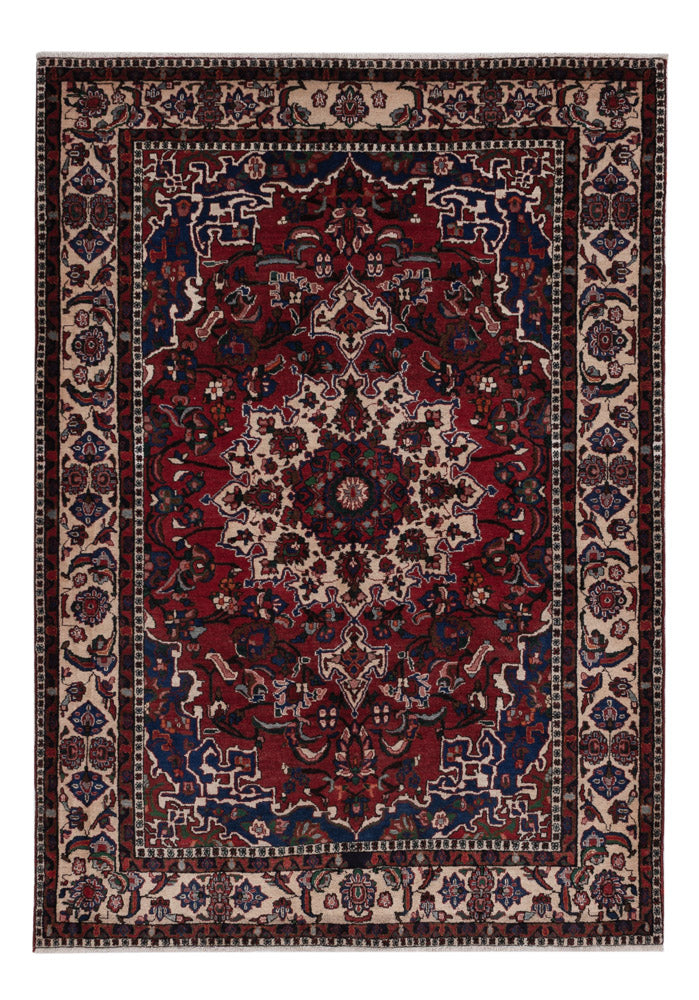
Najafabad rugs come from the Isfahan area and offer Isfahan-style floral compositions at more accessible quality grades.
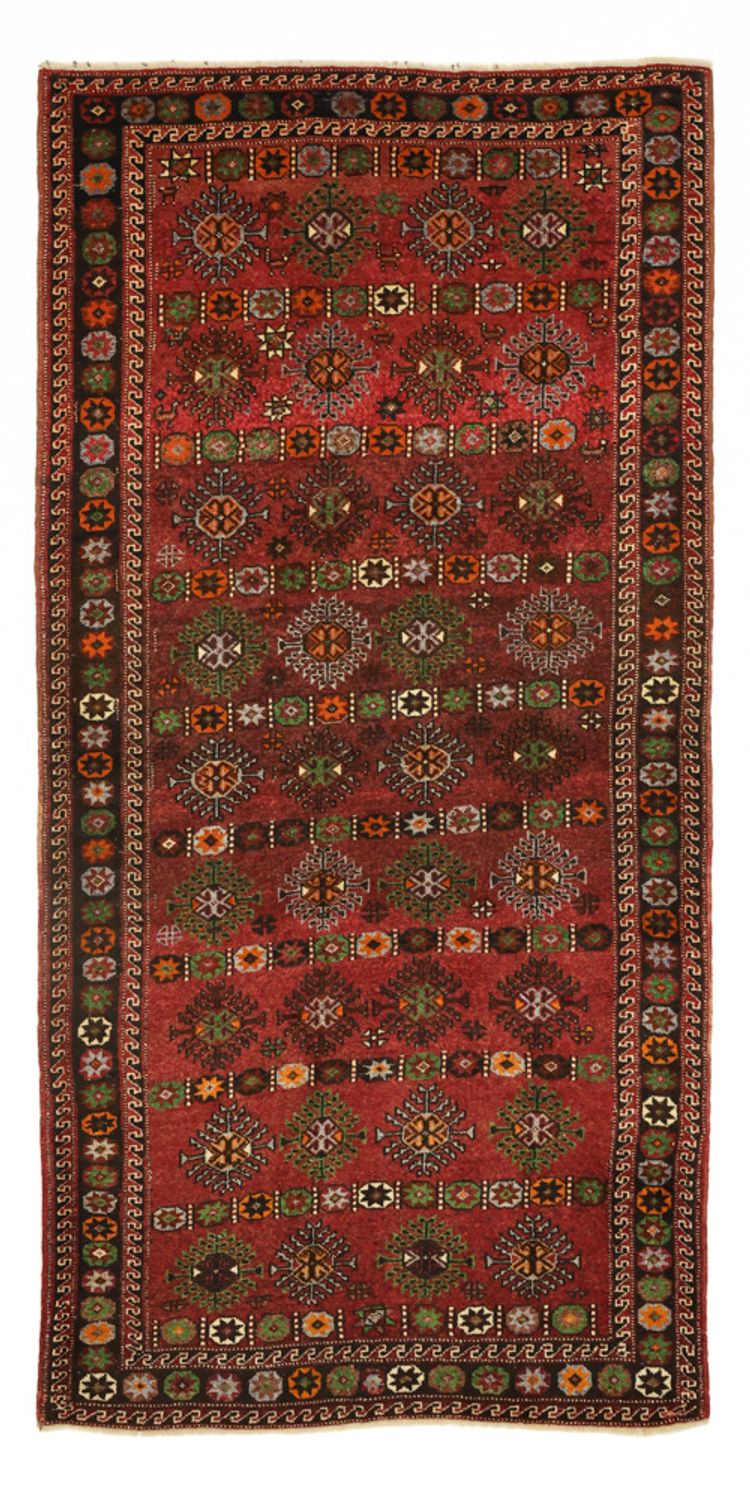
Karaja rugs come from the Arasbaran forests of East Azerbaijan and show simple geometric medallions in long runner formats.
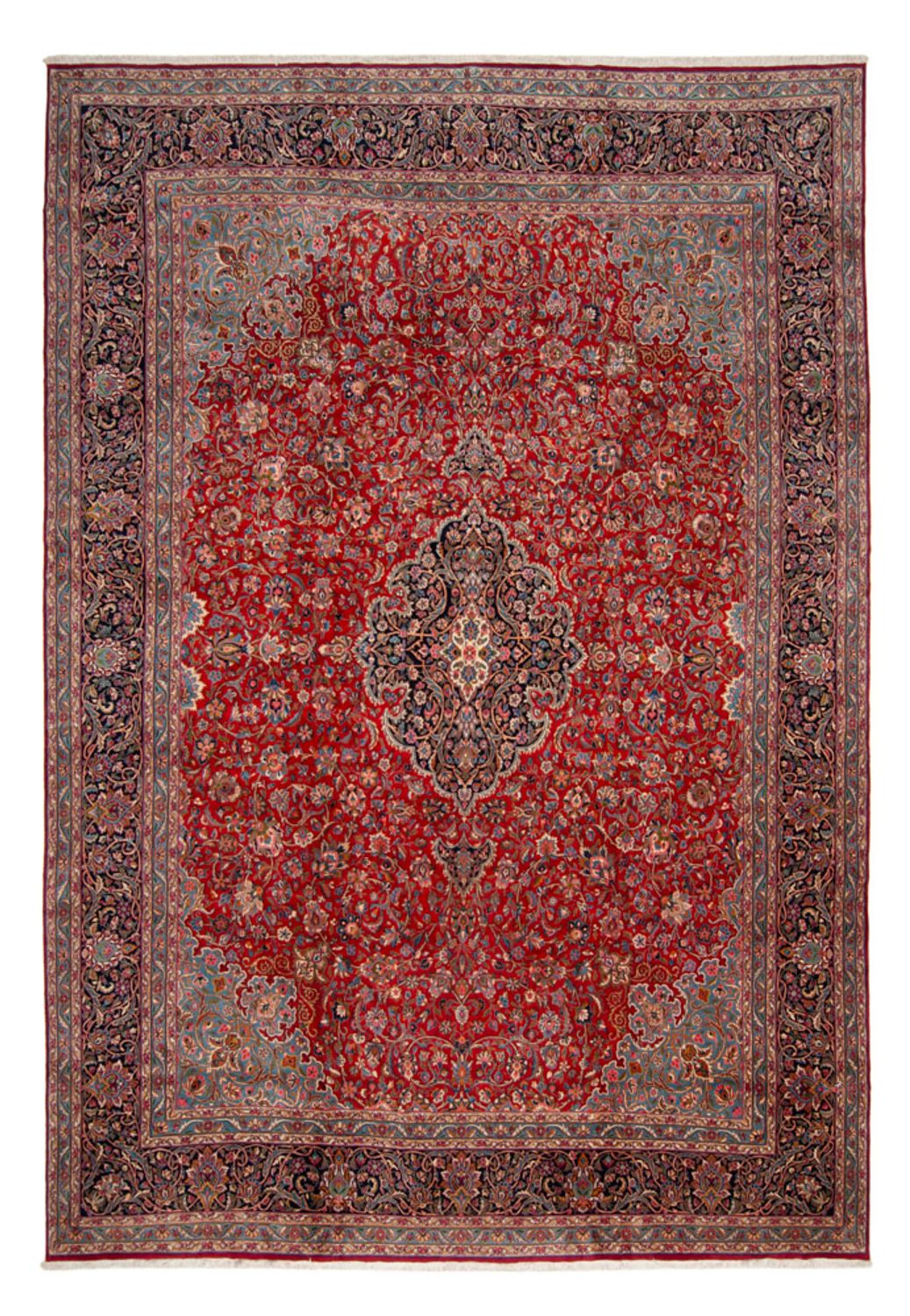
Rafsanjan rugs come from the Kerman pistachio town and show floral compositions related to Kerman pieces but in coarser knotting.
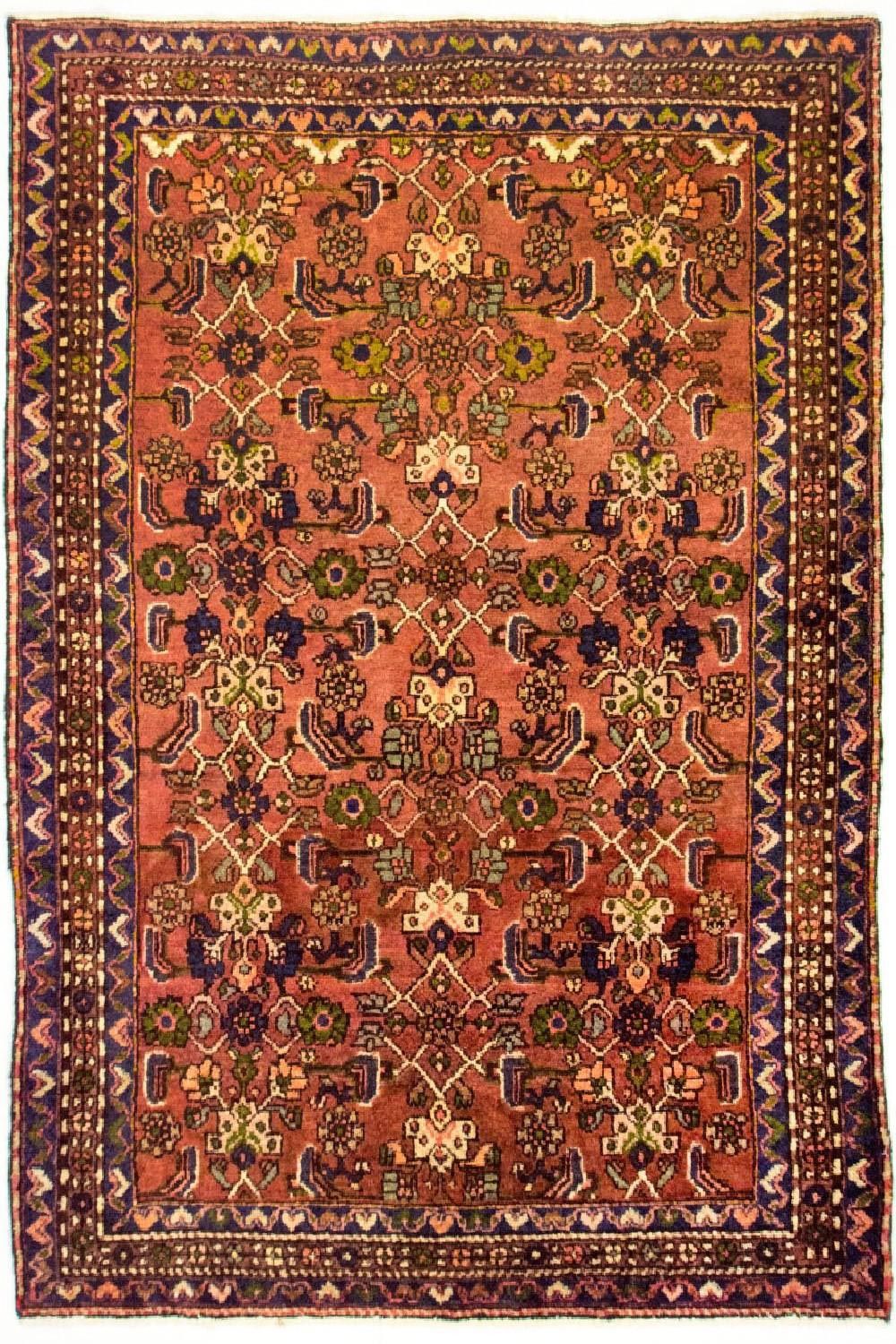
Rudbar rugs come from the Manjil area in Gilan Province and combine simple geometric motifs with the typical Caspian palette.
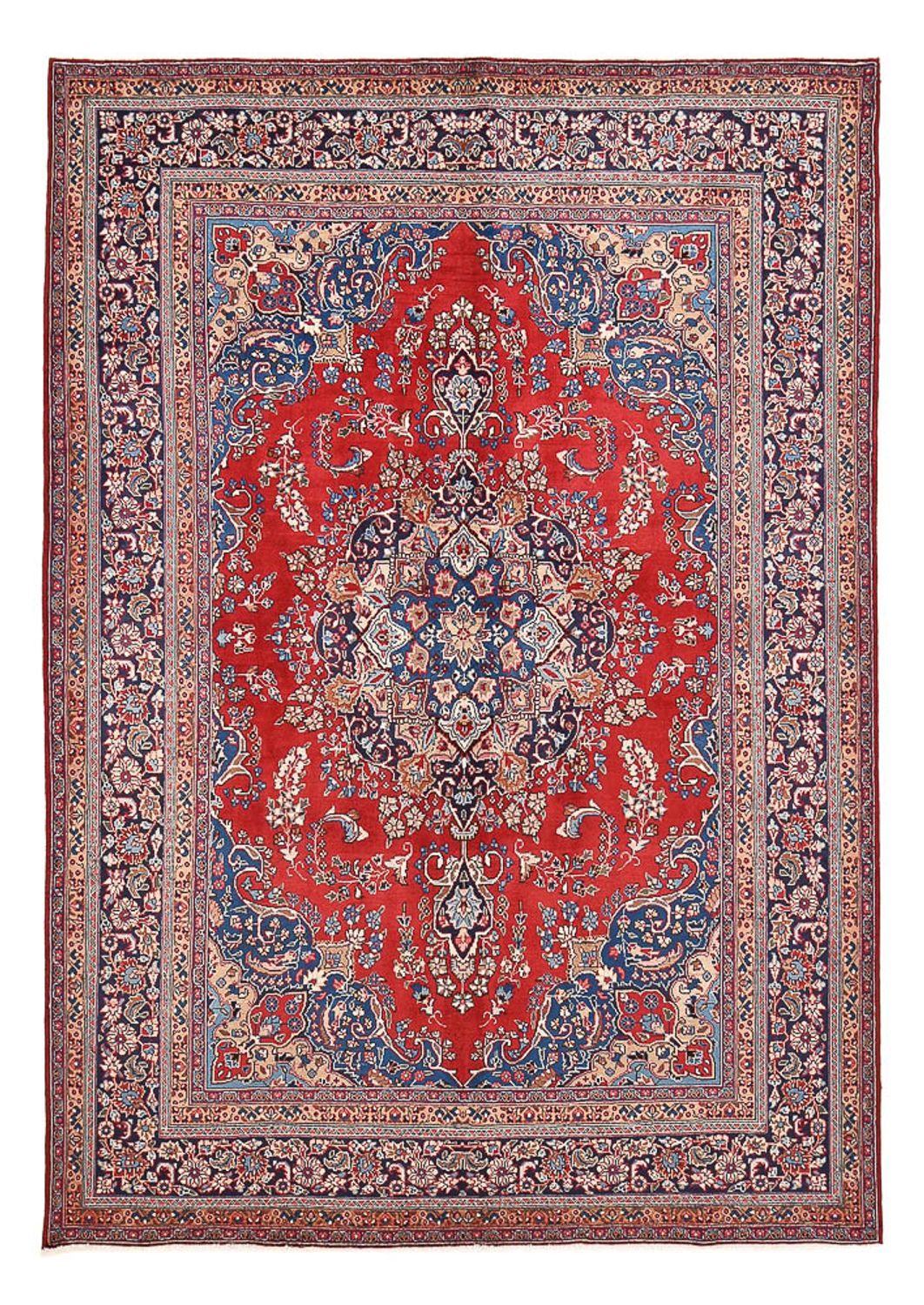
Sabzevar rugs come from Razavi Khorasan and are known for their Mashhad-style floral medallions at more accessible price points.
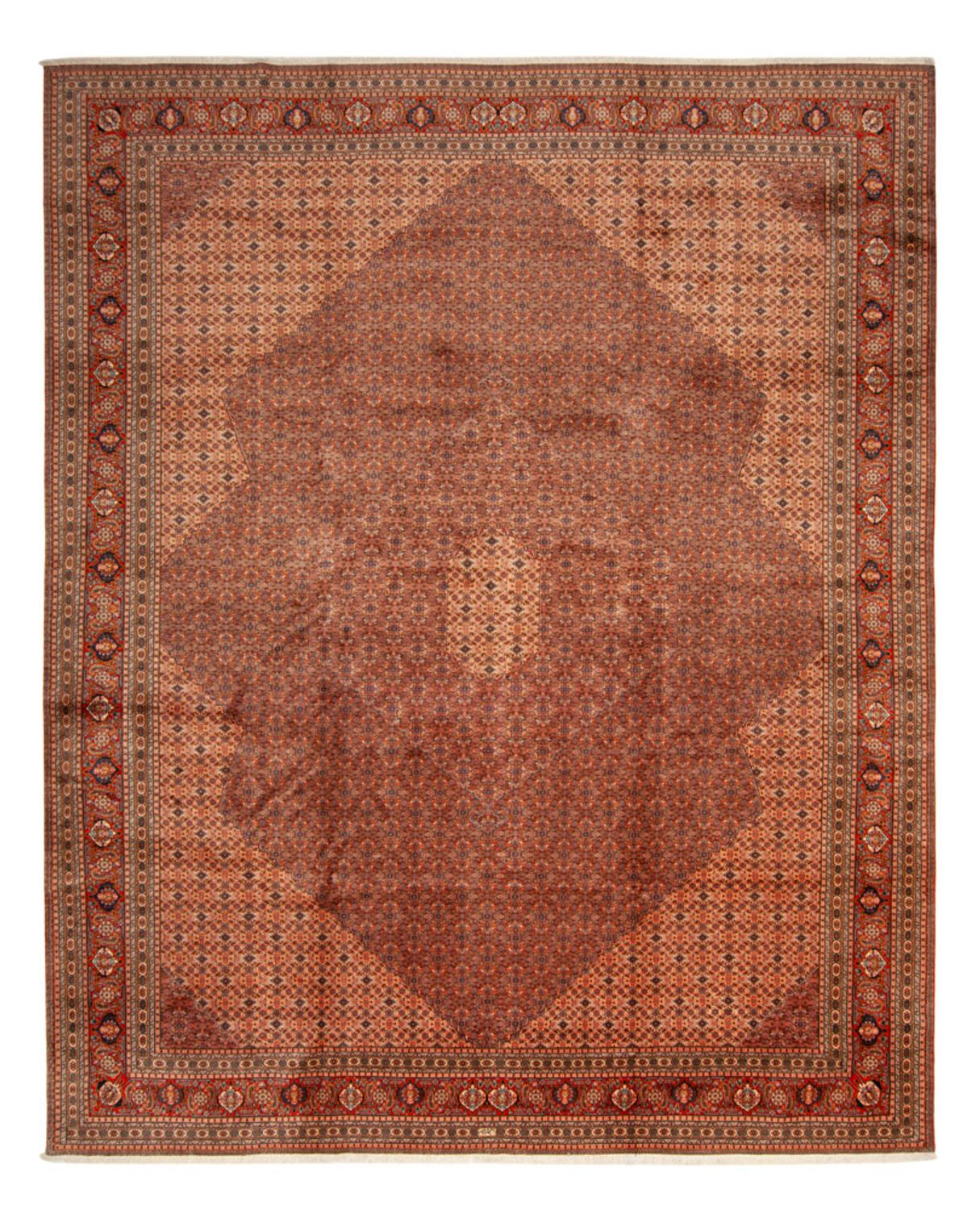
Sarab rugs come from East Azerbaijan and are typical for their long runner formats with camel-colored grounds.
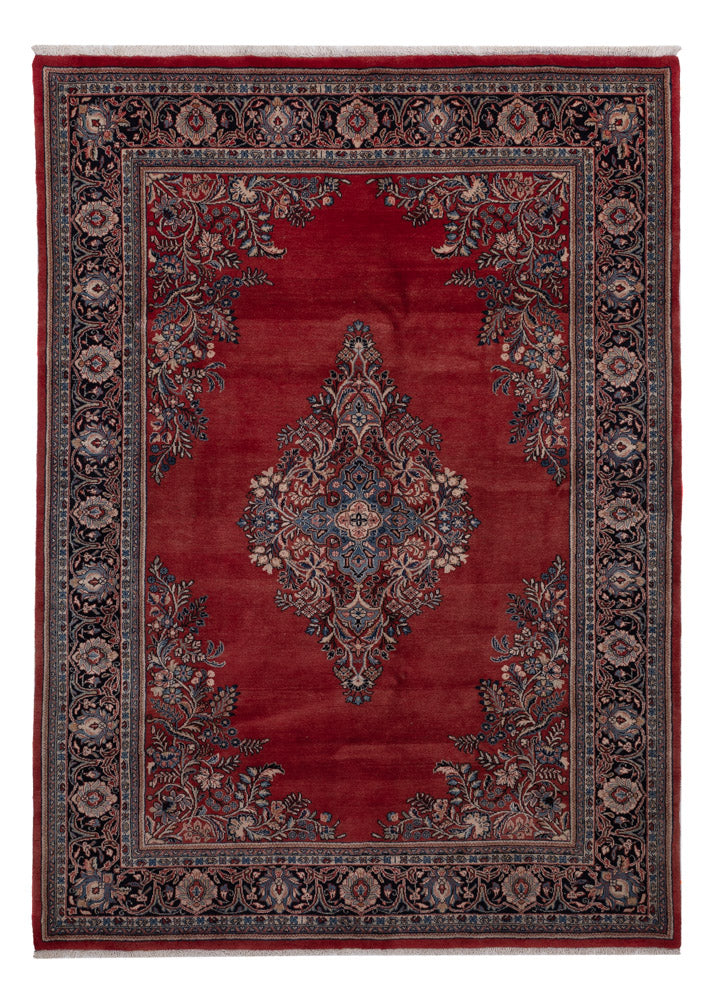
Sarouk rugs come from the Arak area and are classic floral Persian rugs with dense knotting and a deep red ground.
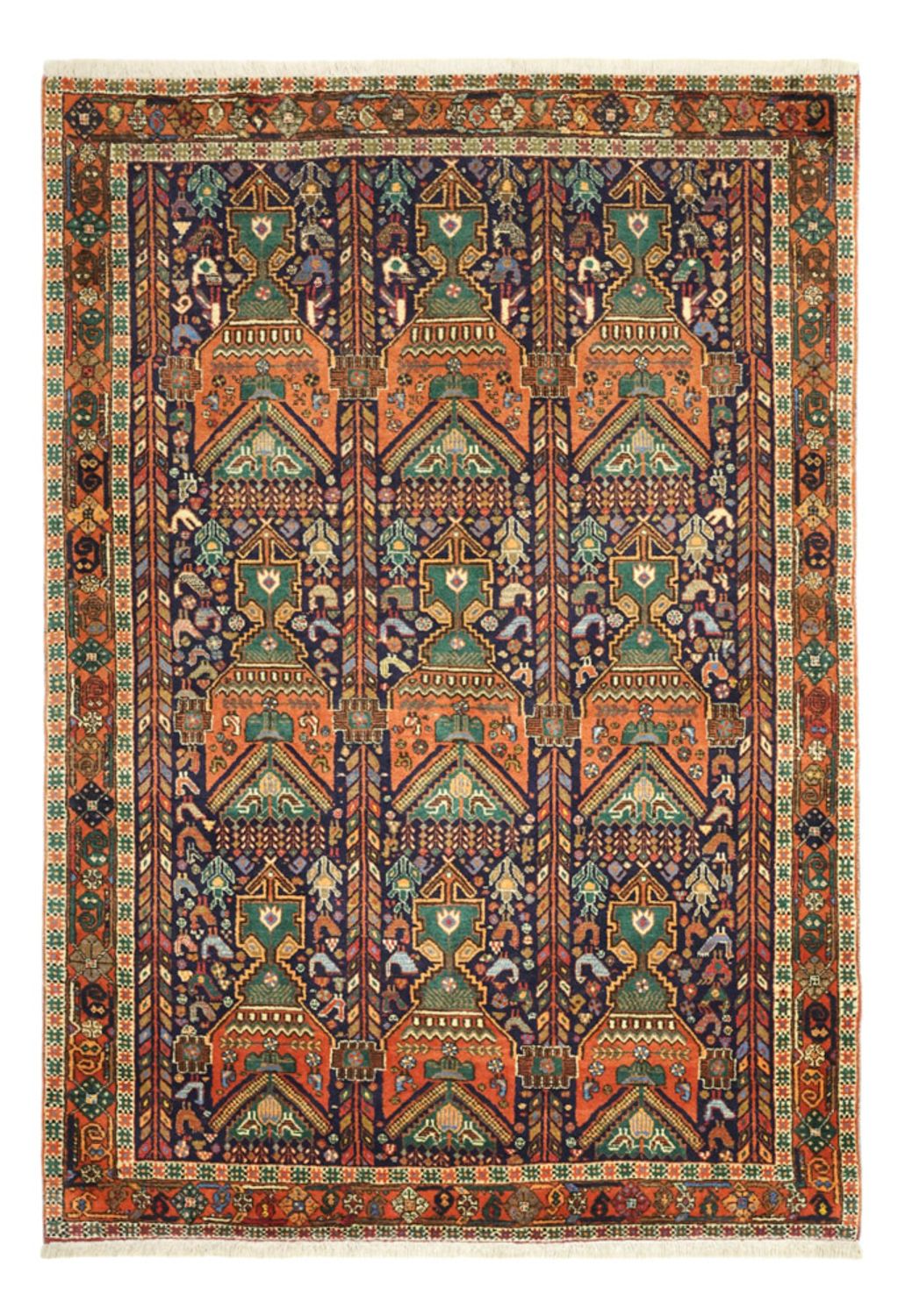
Shahr-e Babak rugs come from the cave village of Meymand area and combine Afshar tribal motifs with fine craftsmanship.
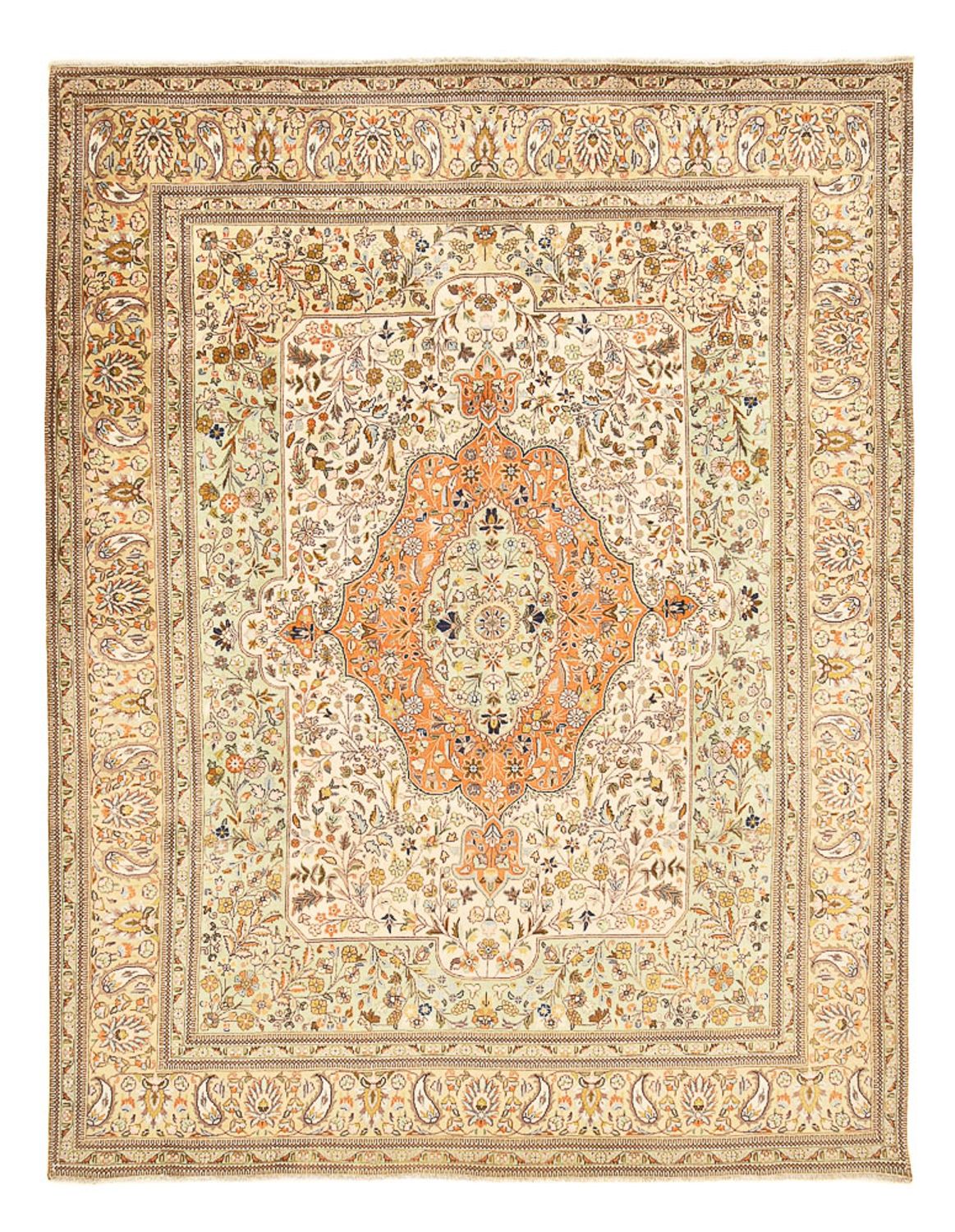
Tabatabai rugs are named after the renowned house in Kashan and represent the highest level of Kashan workshop quality.
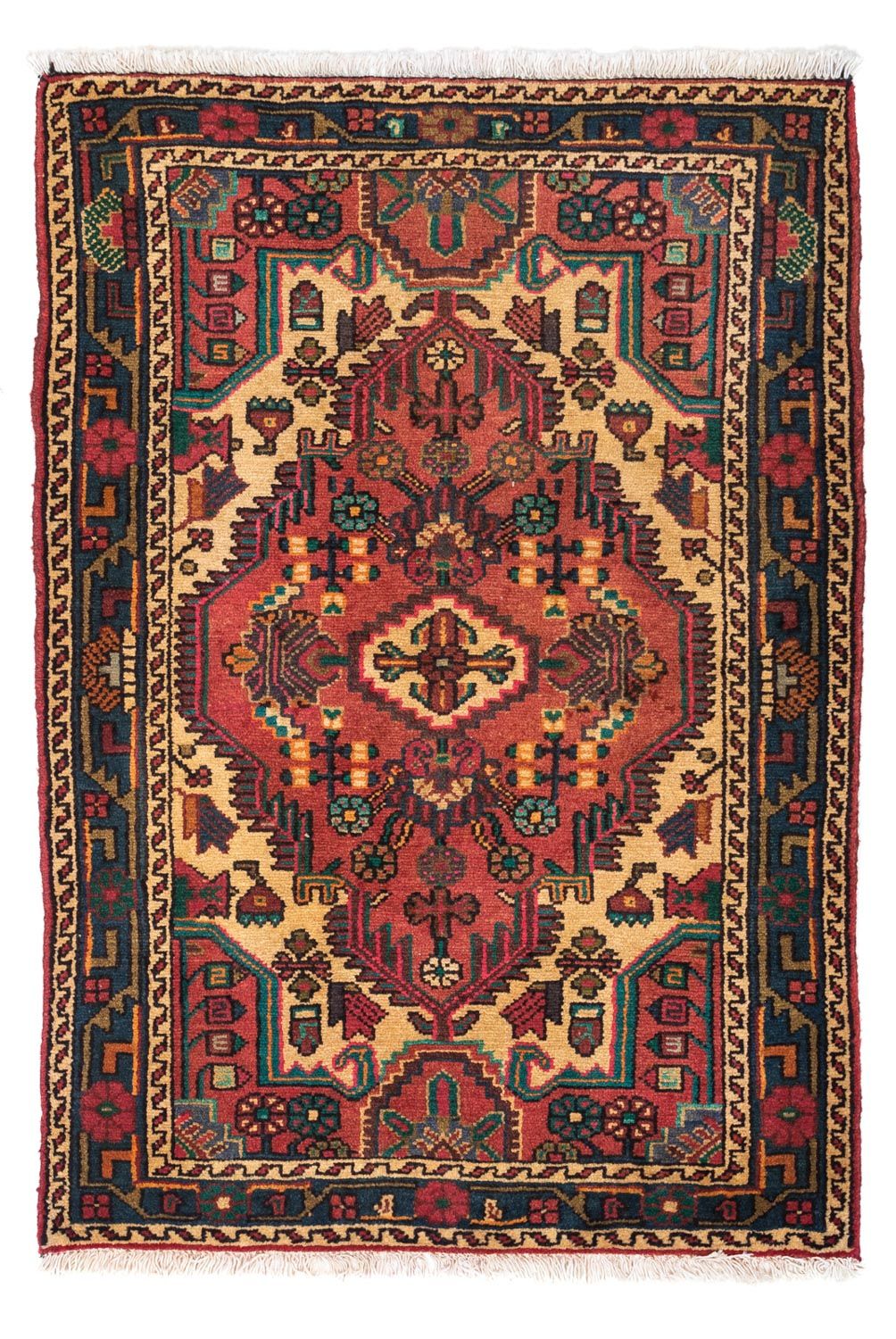
Tuyserkan rugs come from a small town in Hamadan Province and combine Hamadan single-weft weave with classic Herati patterns.
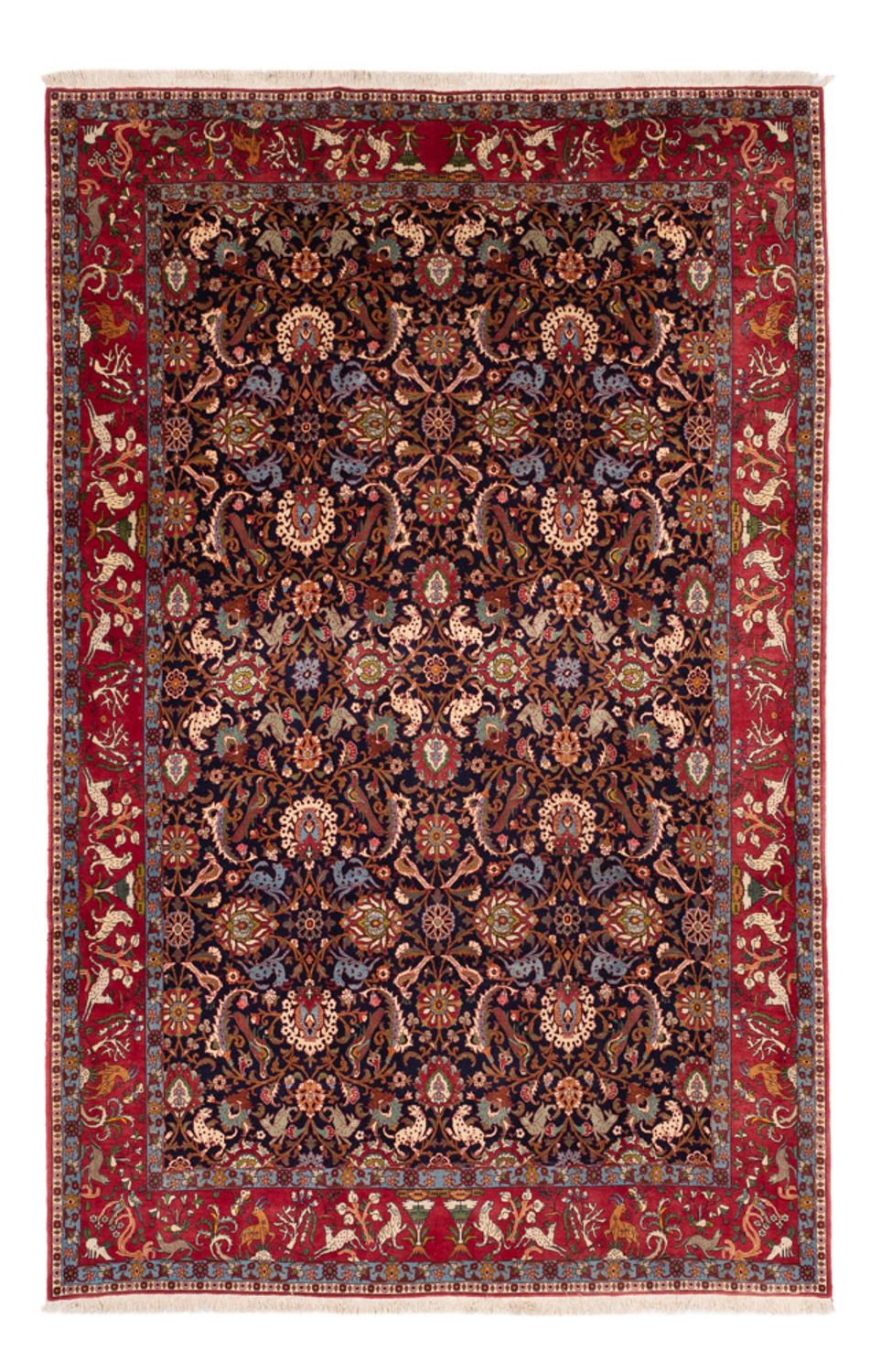
Varamin rugs are produced near Tehran and are appreciated for their fine all-over patterns and balanced colors.
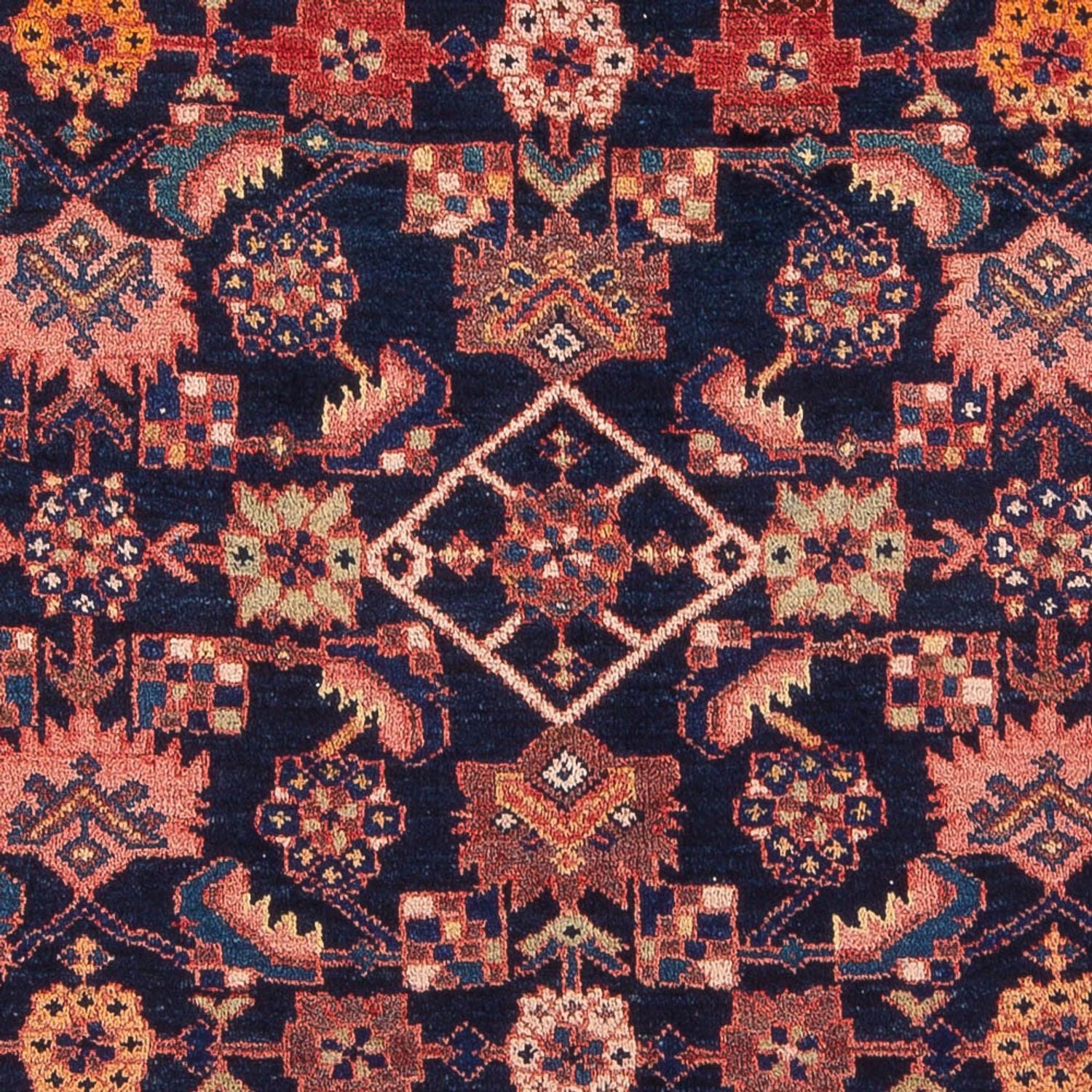
Viss rugs come from the Alvand mountains near Hamadan and combine simple geometric motifs with a robust pile.
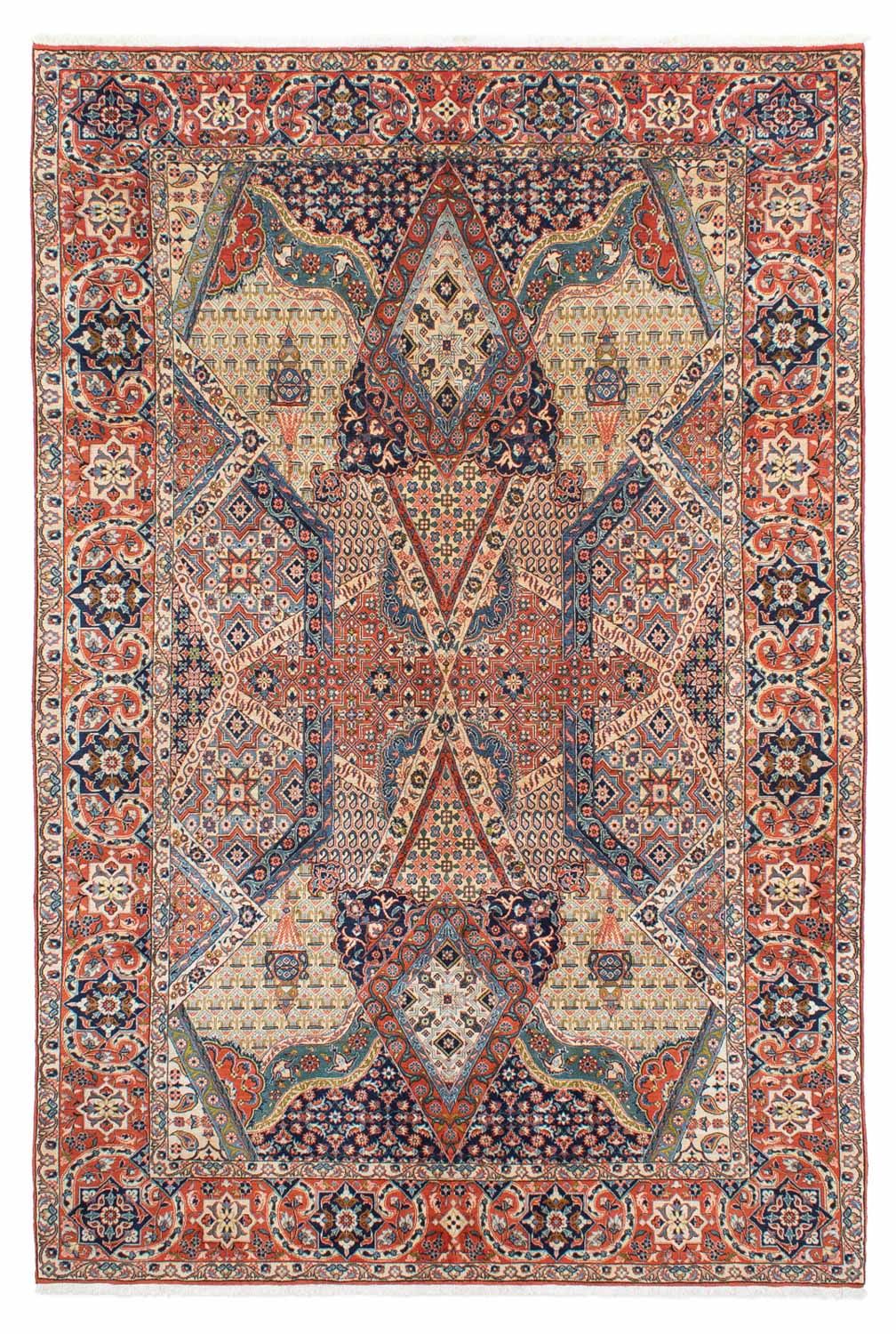
Yazd rugs come from the historic desert city and show floral medallions in the cool ivory-and-blue Yazd palette.
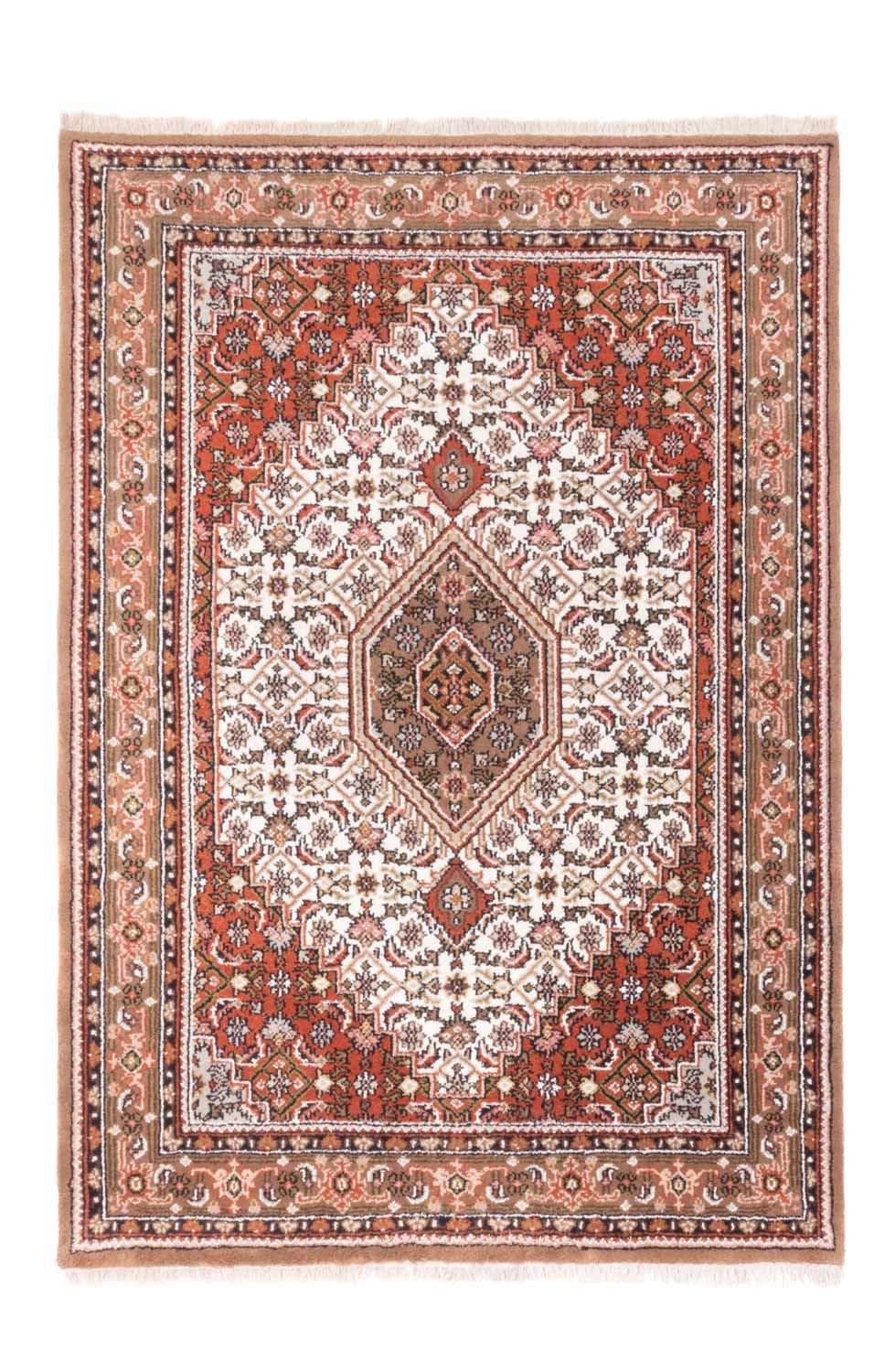
Indo Bijar rugs are produced in India in the style of the original Bijar pieces, densely knotted and very durable.
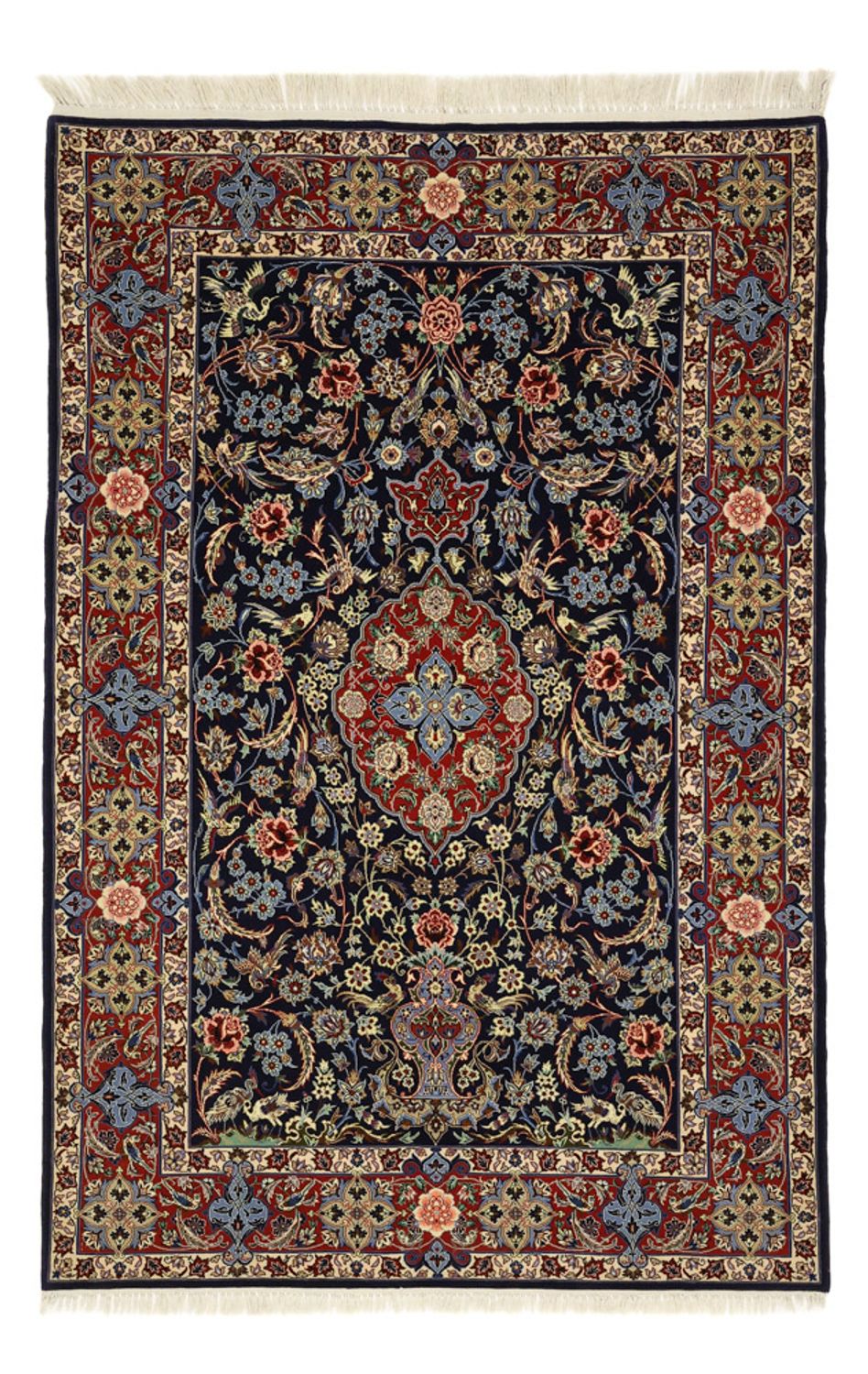
Indo Isfahan rugs are produced in India in the style of the famous Persian Isfahan, fine floral compositions at moderate prices.
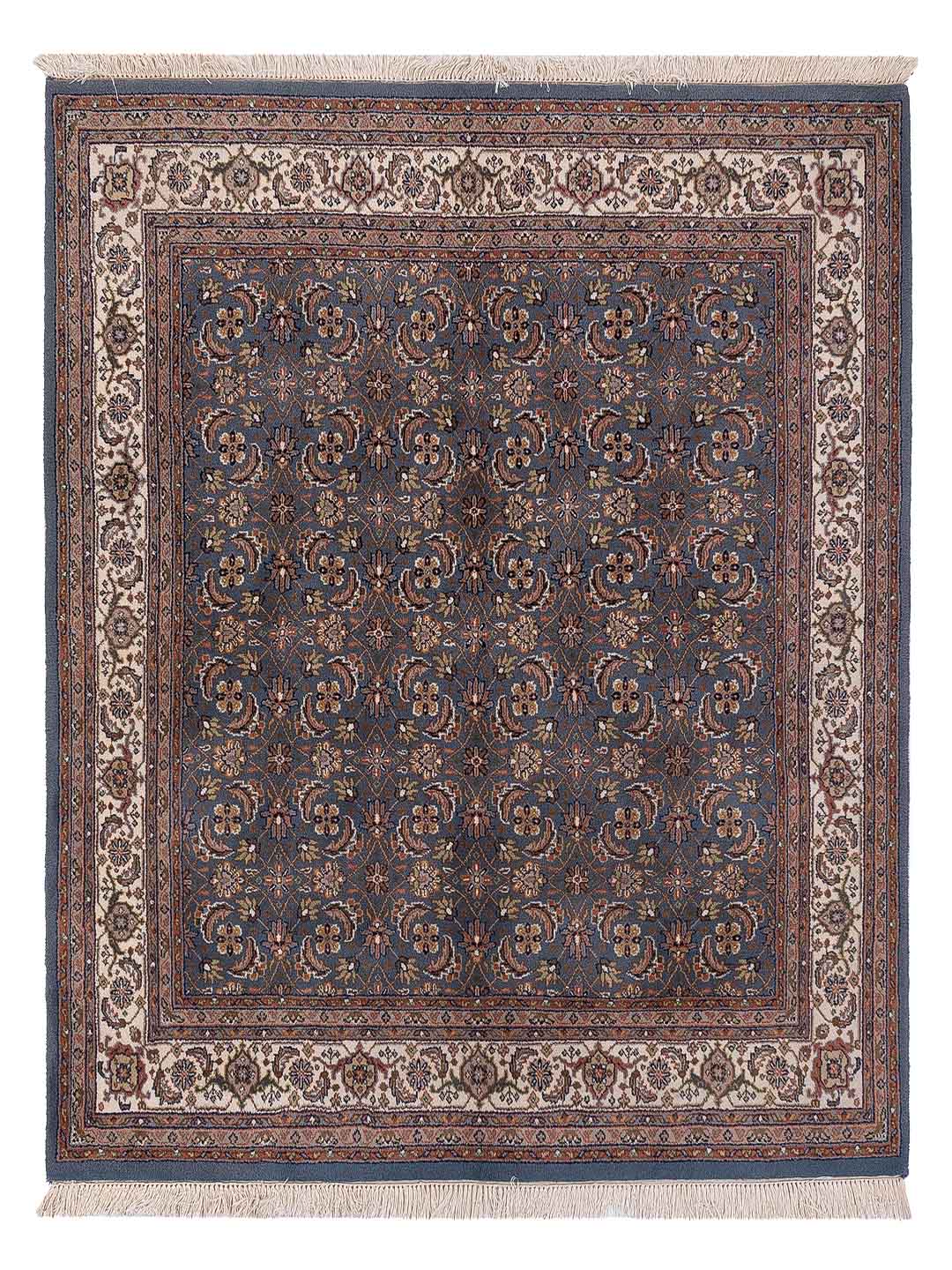
Indo Kashan rugs are produced in India after the classic Kashan model, elegant floral medallions on deep red.
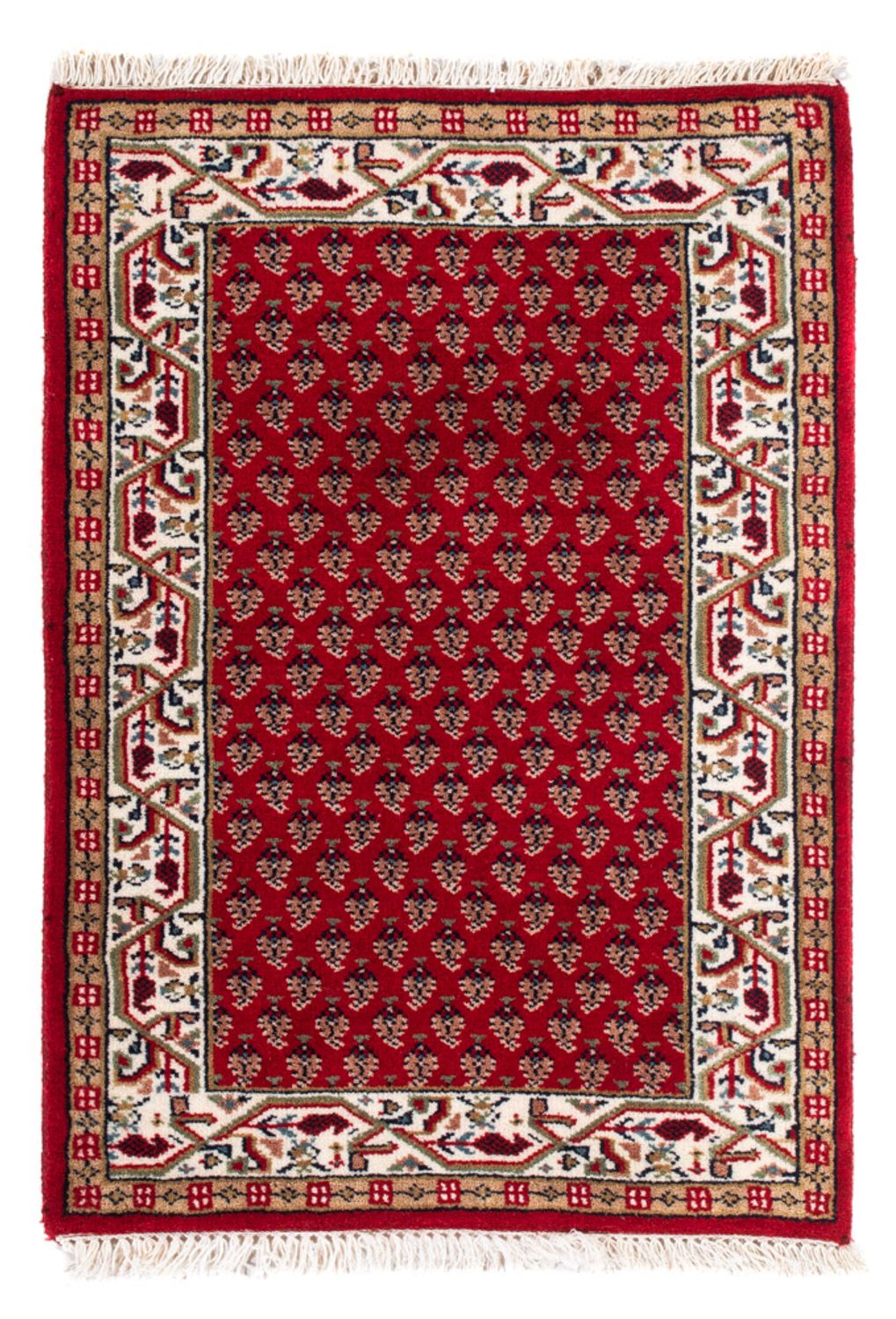
Indo Mir rugs are produced in India and show the classic Mir-e-boteh all-over pattern in great size variety.
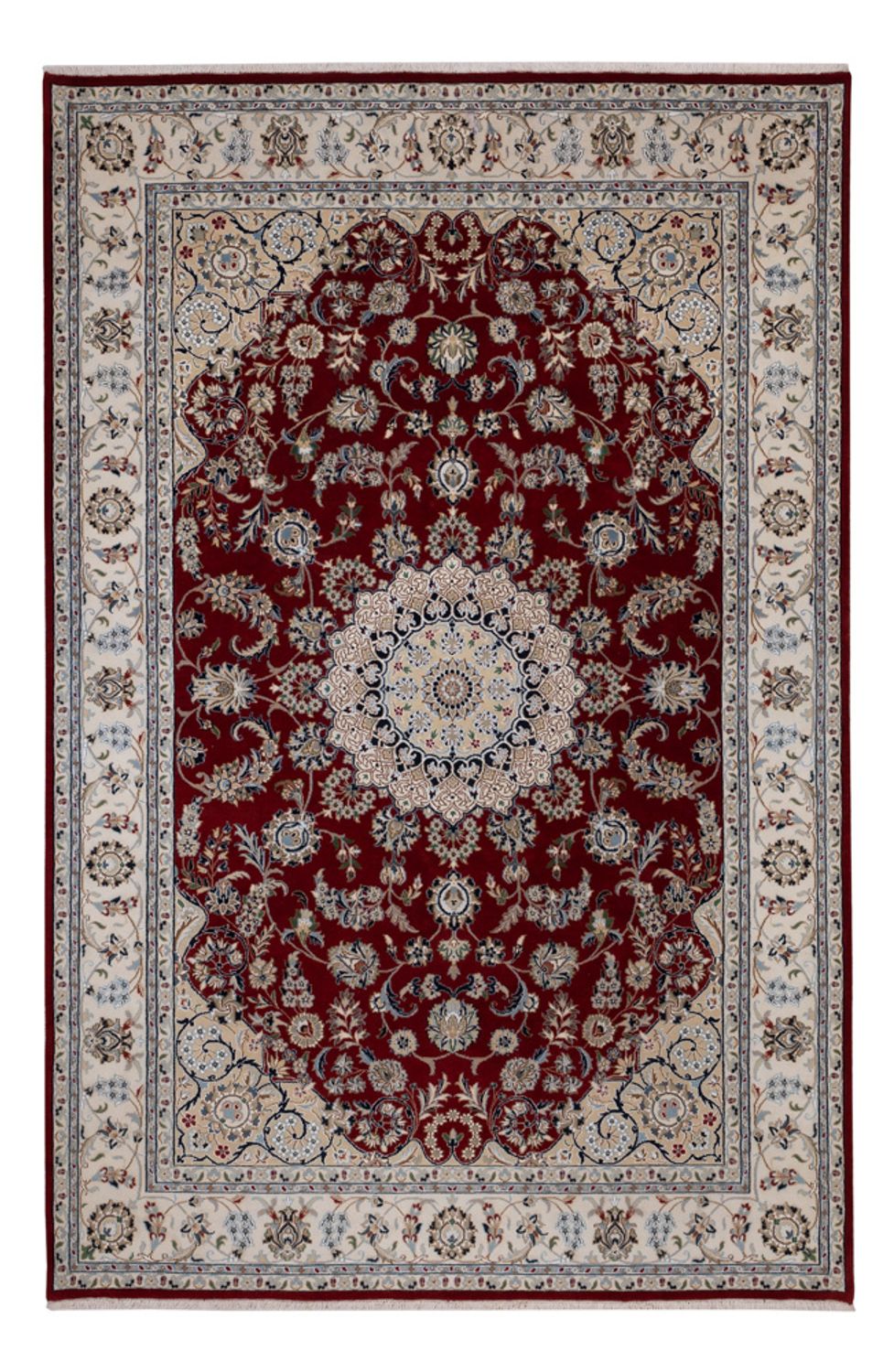
Indo Nain rugs are produced in India in the style of the Persian Nain, the typical ivory-and-blue palette at more accessible prices.
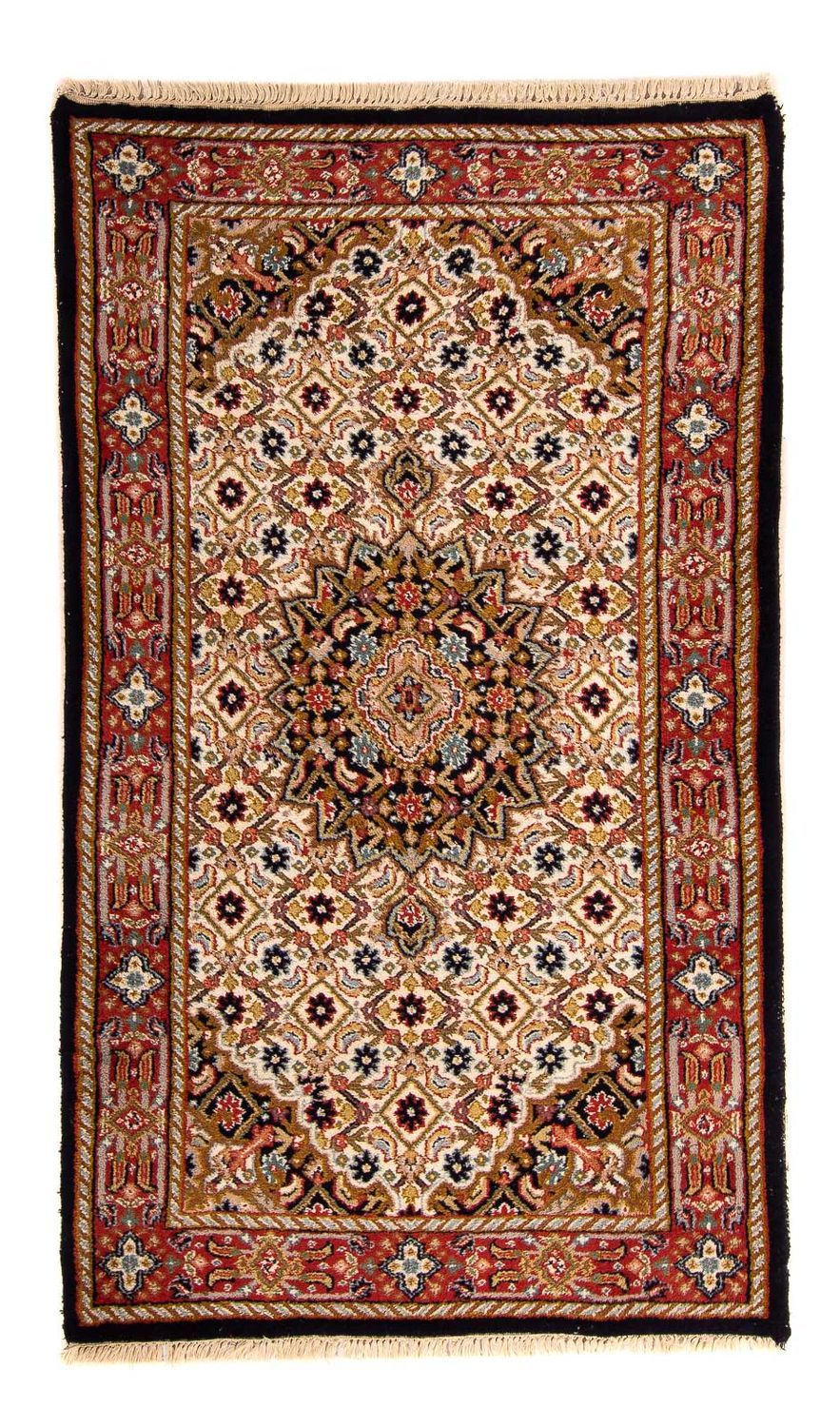
Indo Sarouk rugs are produced in India after the classic Sarouk model, floral medallions on a deep red ground.
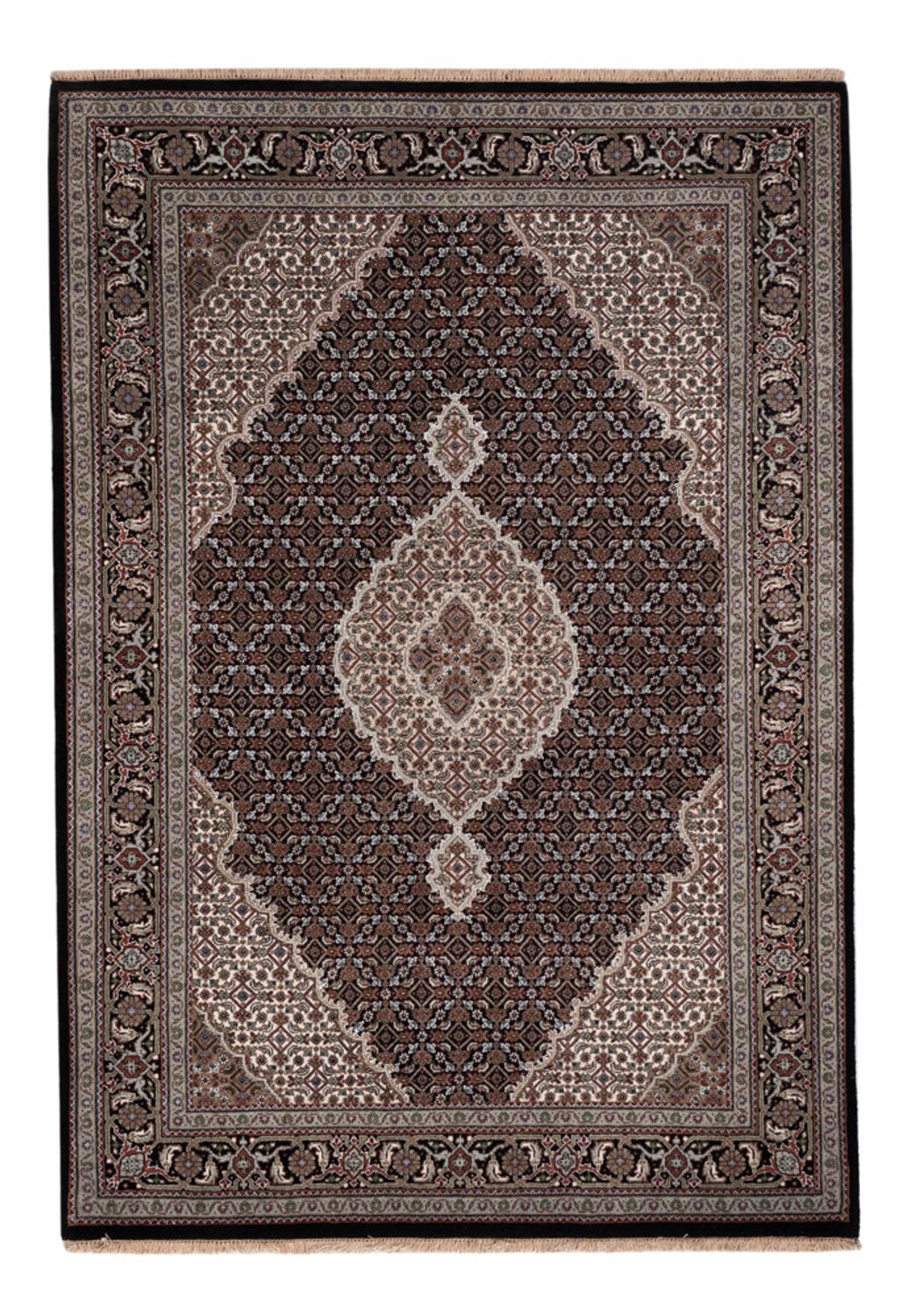
Indo Tabriz rugs are produced in India after the famous Tabriz model, diverse designs and refined craftsmanship.
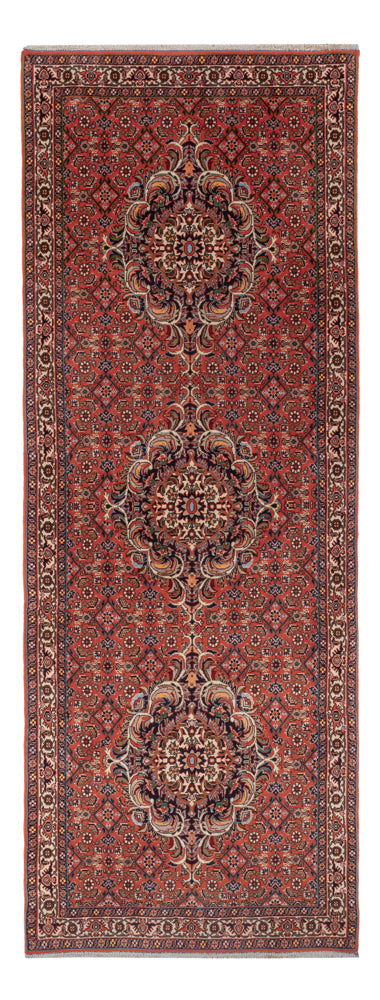
Bijar Bukan rugs come from the Kurdish town of Bukan in West Azerbaijan Province and combine the famous Bijar density with finer detail work.
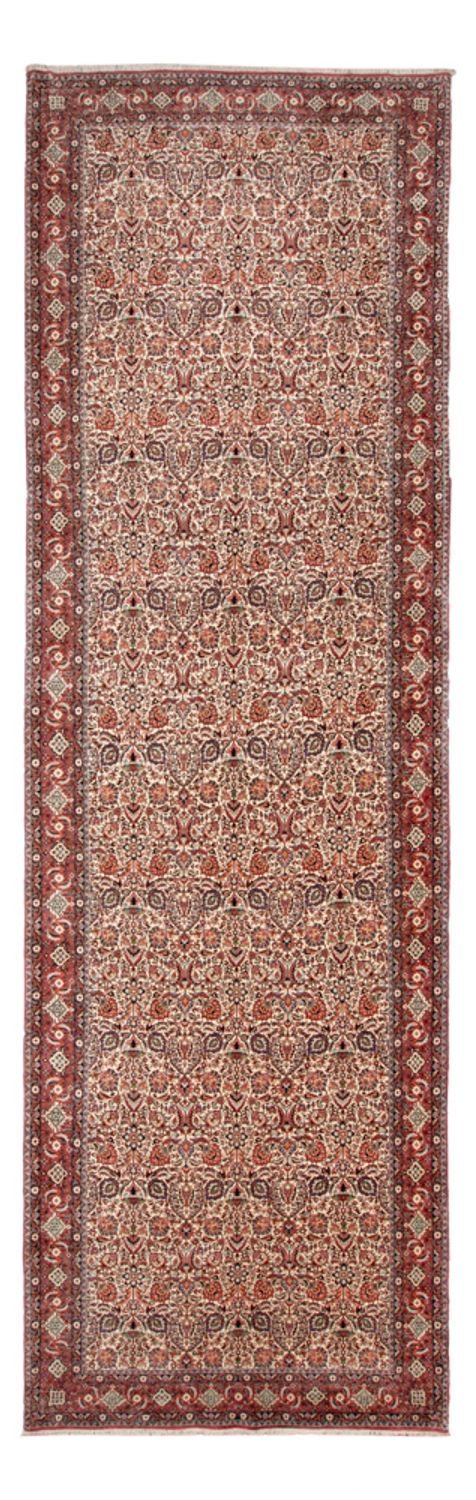
Bijar Takab rugs come from the Takab region and stand out with their bold colors and dense Bijar-style weave.
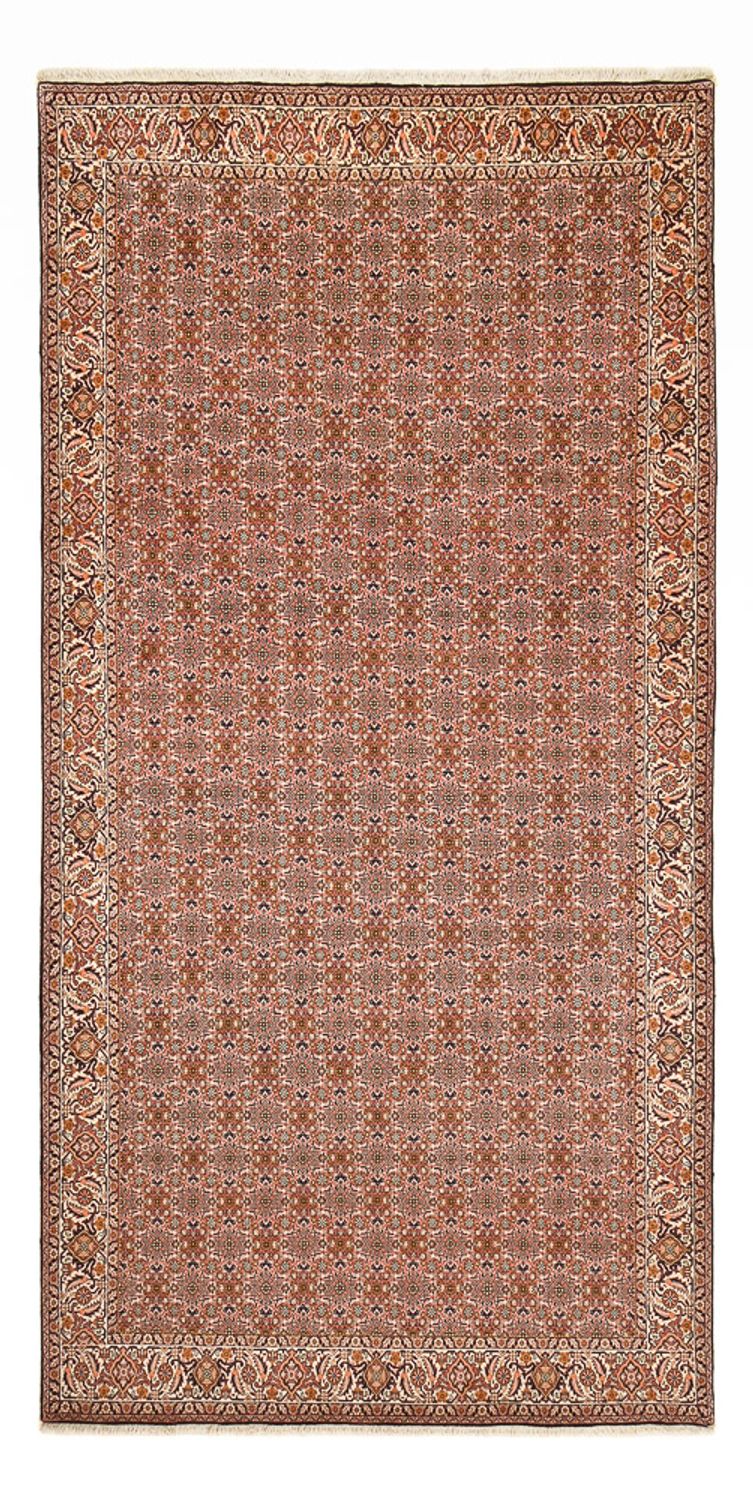
Bijar Zanjan rugs come from Zanjan Province and combine the classic Bijar density with Zanjan workshop traditions.