Farahan rugs: fine Herati pattern from Markazi Province
Farahan rugs come from the Arak area of Markazi Province and are sought-after for their classic Herati patterns and harmonious colors.
- Region
- Persia / Iran
- Category
- Persian rugs
- Manufacturing
- Hand-knotted
- Knot density
- 120,000 – 300,000 knots/m²
Profile
- Manufacturing
- Hand-knotted
- Origin
- Iran — Arak region, Markazi Province
- Pile material
- Wool on cotton
- Knot density
- 120,000 – 300,000 knots/m²
- Features
- Herati all-over pattern, harmonious colors, antique appeal
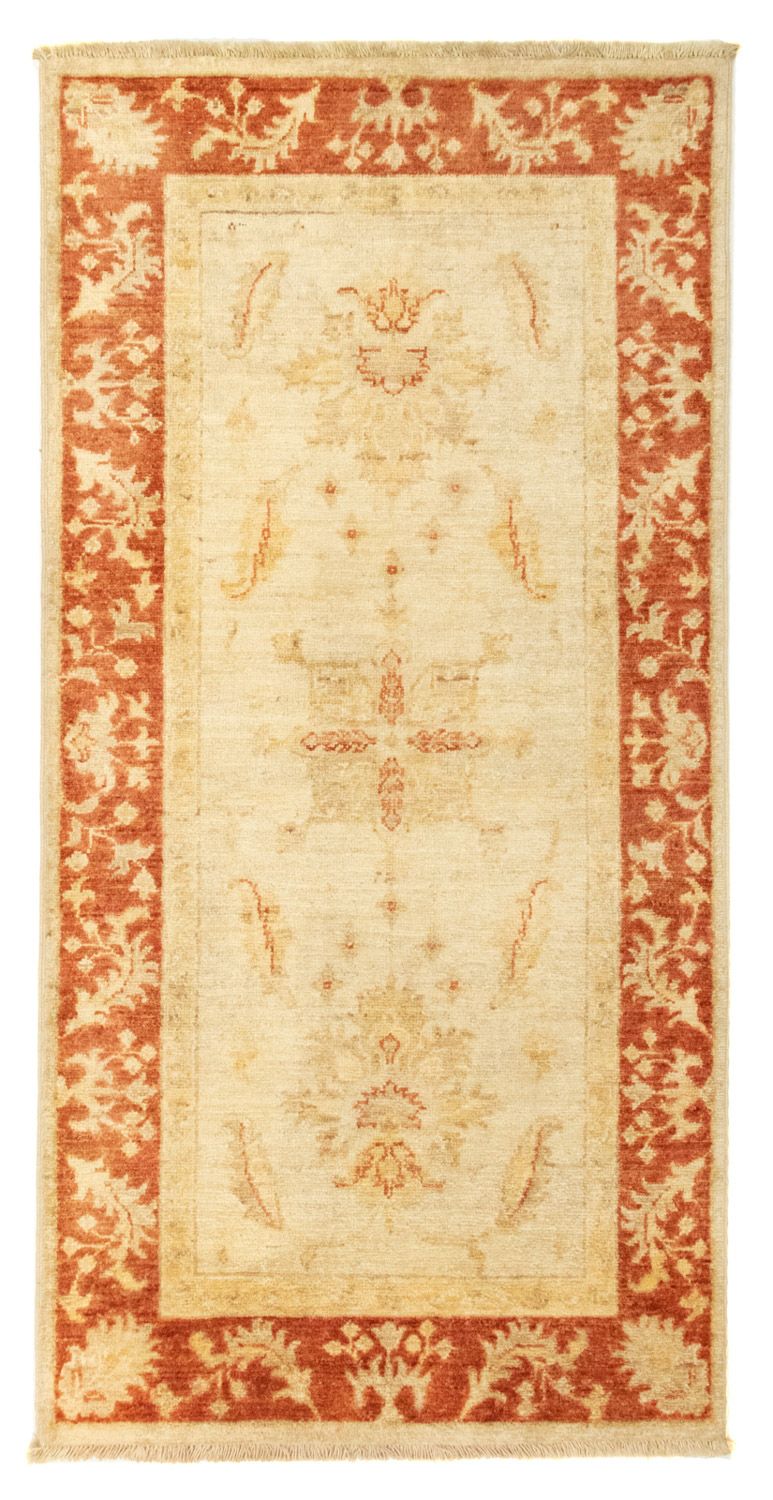
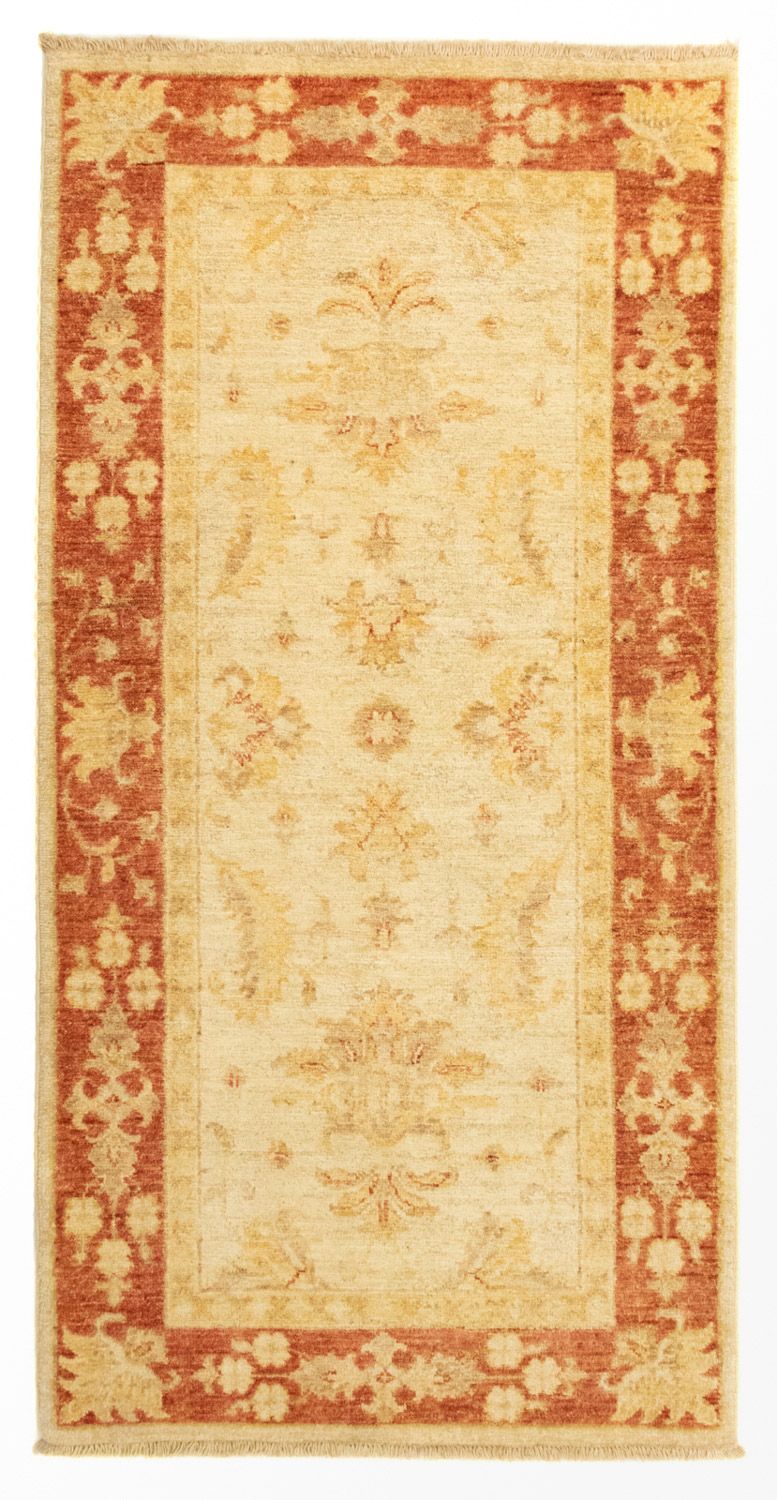
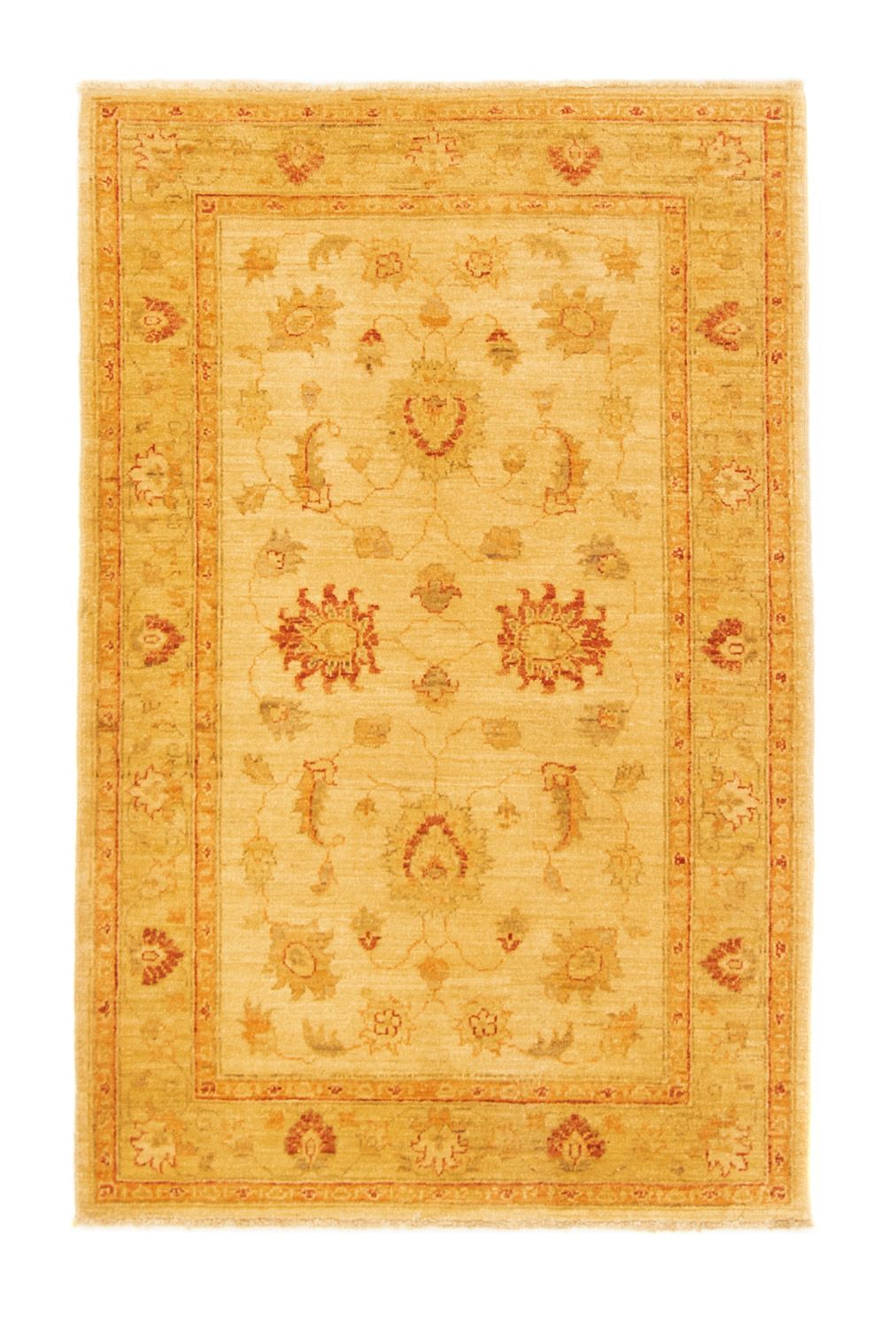
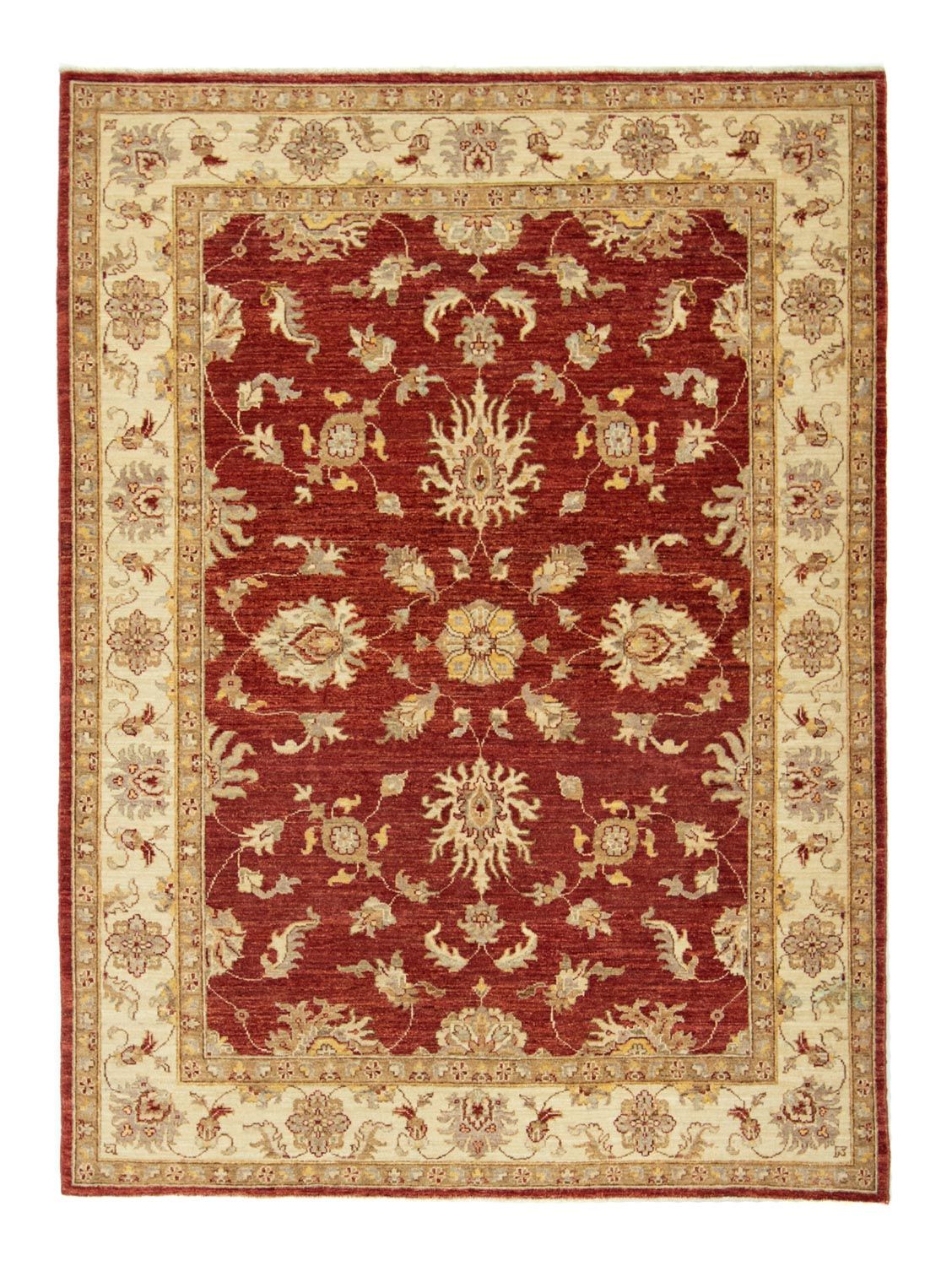
Photo: Morgenland Rugs
Farahan rugs are hand-knotted Persian rugs from the region of the same name south-west of Tehran, in the area around the town of Arak in the province of Markazi. They count among the classic antique rugs of Persia and are known above all for their finely drawn Herati pattern, their muted palette and the short-sheared, silky-feeling surface. Genuine old Farahan rugs from the 19th century today count as sought-after collector's pieces.
What is a Farahan rug?
A Farahan is a hand-knotted rug from the Farahan plain and the surrounding villages north and north-west of Arak. The pile is fine wool, often the soft kork wool; warp and weft are cotton. Knotting is done with the asymmetric Persian knot, also called the Senneh knot, which allows for the precise rendering of the characteristic Herati pattern. In the trade, the term Farahan refers primarily to the antique and semi-antique pieces from the heyday of the 19th century; modern goods in the Farahan style usually come from other regions.
Origin
The Farahan plain lies south-west of Tehran around the town of Arak (formerly Sultanabad) in today's province of Markazi. From the 19th to the early 20th century this was one of the most important centres of Persian rug production. Many of the rugs today called Farahan were in fact knotted in surrounding villages such as Mushkabad and other places of the region and traded through Arak.
The heyday coincided with the discovery of the region by European merchants. From the 1880s onwards western trading houses established themselves in Sultanabad and organised production for export. From the same area come related provenances such as Sarouk, Mahal, Lilian and Mir, which shape the picture of the Arak region. In this phase the fine Farahan rugs arose that founded the style's reputation. In the early 20th century the original production declined strongly, which is why genuine old Farahan rugs are rare today. The whole tradition belongs to the wider family of Persian rugs.
Typical features
The hallmark of the Farahan is the continuous Herati pattern: a repeating field of small rosettes and palmettes framed by curved, fish-like leaves. From this arrangement the trade name herringbone pattern, common in the German trade, is derived. Some pieces additionally show a central diamond-shaped medallion, but many are pure all-over compositions without a medallion.
Characteristic are the fine contours and the disciplined, even repetition of the motifs. The borders often consist of several narrow stripes with classical Persian motifs, including the so-called turtle border. The short-sheared surface lets the drawing stand out especially sharply.
Patterns and colours
The palette of Farahan rugs is muted and harmonious. Deep indigo blue and muted red dominate, supported by ivory, beige and the yellow-green pistachio tone for which the region is famous and which is especially prized in old pieces. This calm coordination lends the Farahan a refined, restrained presence.
Old Farahan rugs were dyed exclusively with natural colours, which gives them a characteristic patina over the decades. The difference between plant-based and chemical dyeing and its significance for value is treated in natural versus chemical dyes.
Material and knotting technique
Warp and weft are traditionally made of cotton; the pile of high-quality, soft wool, often the fine kork wool. This material combination gives the rugs their stability while also allowing fine drawing. Knotting is done with the asymmetric Persian knot (Senneh knot), which makes possible the especially precise rendering of the dense Herati pattern. A survey of the knotting techniques is given in the article on knot types.
The pile is sheared short, which emphasises the clarity of the drawing and gives the surface a light, silky sheen. How a hand-knotted rug is generally made is described in the production overview.
Knot density and quality
The knot density of a Farahan usually lies between 160,000 and 400,000 knots per square metre, with especially fine old examples certainly able to lie above. The high density together with the short pile explains why the delicate Herati pattern can be rendered so cleanly. How knot density bears on quality, pattern sharpness and price is treated in its own article.
For Farahan rugs, beyond knot density, age, natural dyeing, the fineness of the wool and the state of preservation of pile and edges count above all for judging quality. Because the market is shaped by antique pieces, condition carries an especially high weight here.
| Variant / piece | Period | Knots / material | Character |
|---|---|---|---|
| Antique Farahan | before 1900 | dense, kork wool, natural dyes | collector's piece, fine Herati, patina |
| Semi-antique Farahan | around 1900 to 1930 | medium to fine | mellowed, sought-after everyday classic |
| Farahan Sarouk | late 19th century | dense, vigorous red | medallion-emphasised, robust character |
| Modern Farahan style | from the 20th century | variable | reproduction, often from other regions |
| Indo Sarouk | modern | medium, Indian production | Herati adaptation for export |
What is a Farahan rug worth?
The value of a Farahan depends strongly on age, authenticity, condition, size, fineness and dyeing. Genuine antique Farahan rugs from the 19th century belong among the sought-after collector's pieces and can lie considerably higher than modern goods in the Farahan style. The decisive thing is the distinction between an original old piece and a later reproduction from another region or from Indian production.
In the trade, well-preserved antique pieces with a clear provenance, natural dyes and a fine Herati pattern are especially valued. Similar regional classics such as Mahal or Mir help with comparative classification. For a grounded valuation see recognising valuable Persian rugs, the overview old rugs gain in value, the general value overview and the buying guide.
How do you recognise a genuine Farahan rug?
Reliable indicators of a genuine Farahan are:
- Continuous Herati pattern: a fine, evenly repeated field of rosettes, palmettes and fish-like leaves.
- Asymmetric Persian knot: Farahan uses the Senneh knot, in keeping with the central Persian tradition.
- Short-sheared pile: low pile height that lets the drawing stand out sharply.
- Muted palette: indigo blue, muted red, ivory and the typical pistachio tone.
- Natural dyes with patina: in old pieces, soft, mellowed colours rather than garish tones.
- Hand-knotted back on cotton ground: clearly readable pattern, fringes as extended warp threads.
A step-by-step authentication walk-through is given in Is my rug genuine?; a general orientation can be found in the recognising rugs guide.
Care
Regular vacuuming in the pile direction and the occasional professional cleaning preserve the quality of a Farahan. Lift stains immediately with clear water, without rubbing. With antique examples particular care is needed: such pieces should only be cleaned and repaired by experienced specialist firms in order to spare pile and edges. Long direct sunlight bleaches the colours. Detailed notes are given in the care overview.
Frequently asked questions
How do I recognise a genuine Farahan rug?
A genuine Farahan shows the continuous Herati pattern of fine rosettes and fish-like leaves, a short-sheared pile and a muted palette of indigo blue, red and ivory. Antique pieces are dyed with natural colours, hand-knotted with the Persian knot and show a mellowed patina.
What does a Farahan rug cost?
The price depends above all on age, authenticity and condition. Genuine antique Farahan rugs from the 19th century are sought-after collector's pieces and lie significantly above modern reproductions. Late adaptations from other regions or from Indian production are more affordable.
What is the difference between Farahan and Sarouk?
Both come from the Arak region, but differ in pattern. Sarouk rugs usually show a central medallion with a floral all-over and a vivid red, while the Farahan carries the continuous Herati pattern in a muted palette. The historical Farahan Sarouk combines both features.
What does the Herati pattern on a Farahan mean?
The Herati pattern is a continuous, repeating field of small rosettes and palmettes framed by curved leaves. In the German trade, because of the leaf form, it is also called the herringbone pattern. It is the central sign of recognition of the Farahan.
Are modern Farahan rugs still available?
New rugs in the Farahan style are today made above all in other regions of Persia or as Indo Sarouk in India. They orient themselves on the classical Herati pattern but rarely reach the fineness and patina of the historical originals from the Arak region.
Why are antique Farahan rugs so sought after?
The original production declined strongly in the early 20th century, which is why genuine old Farahan rugs are rare. Together with the fine Herati pattern, the natural dyeing and the mellowed patina, this makes them coveted collector's pieces.
How do I care for a Farahan rug properly?
Vacuum regularly in the pile direction and lift stains immediately with clear water, without rubbing. Antique pieces should be cleaned and repaired only by experienced specialist firms. Avoid long direct sun so that the natural colours do not fade.
Impressions of the origin
Places, landscapes and landmarks around the home of Farahan rugs. Click any image for a larger view.


